
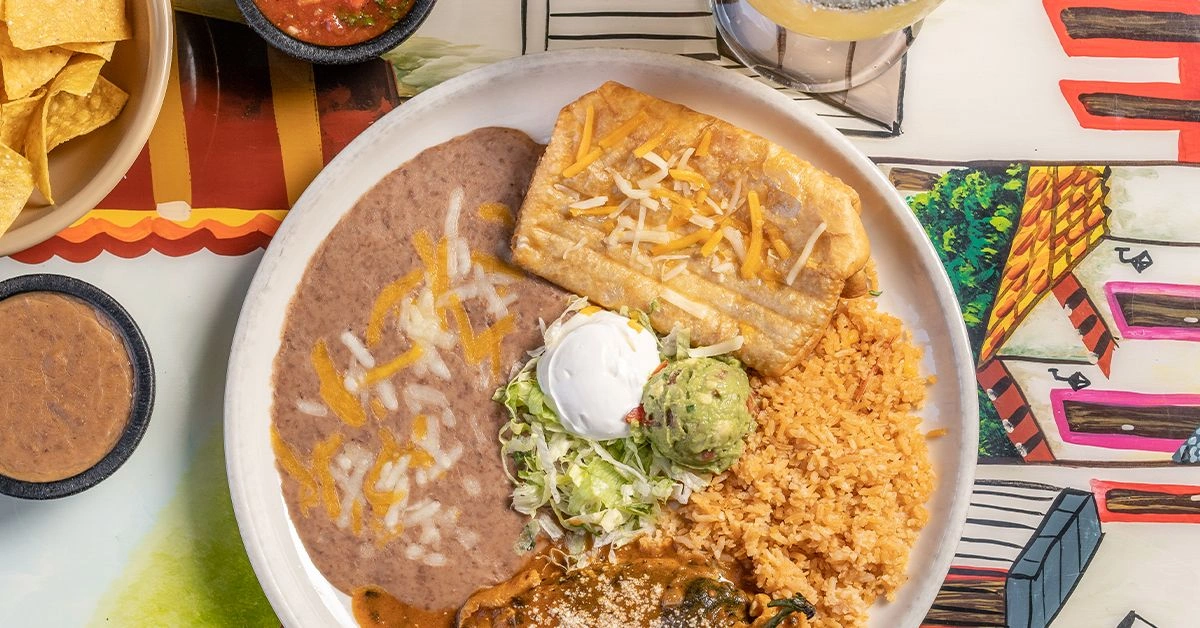
Beans deliver abundant minerals and fiber and can support digestive function, lower the risk of type 2 diabetes, and help manage blood pressure. However, refried versions often contain added fat and salt, which can increase calories, saturated fat, and sodium.
Few foods evoke comfort like the creamy, savory flavor of refried beans.
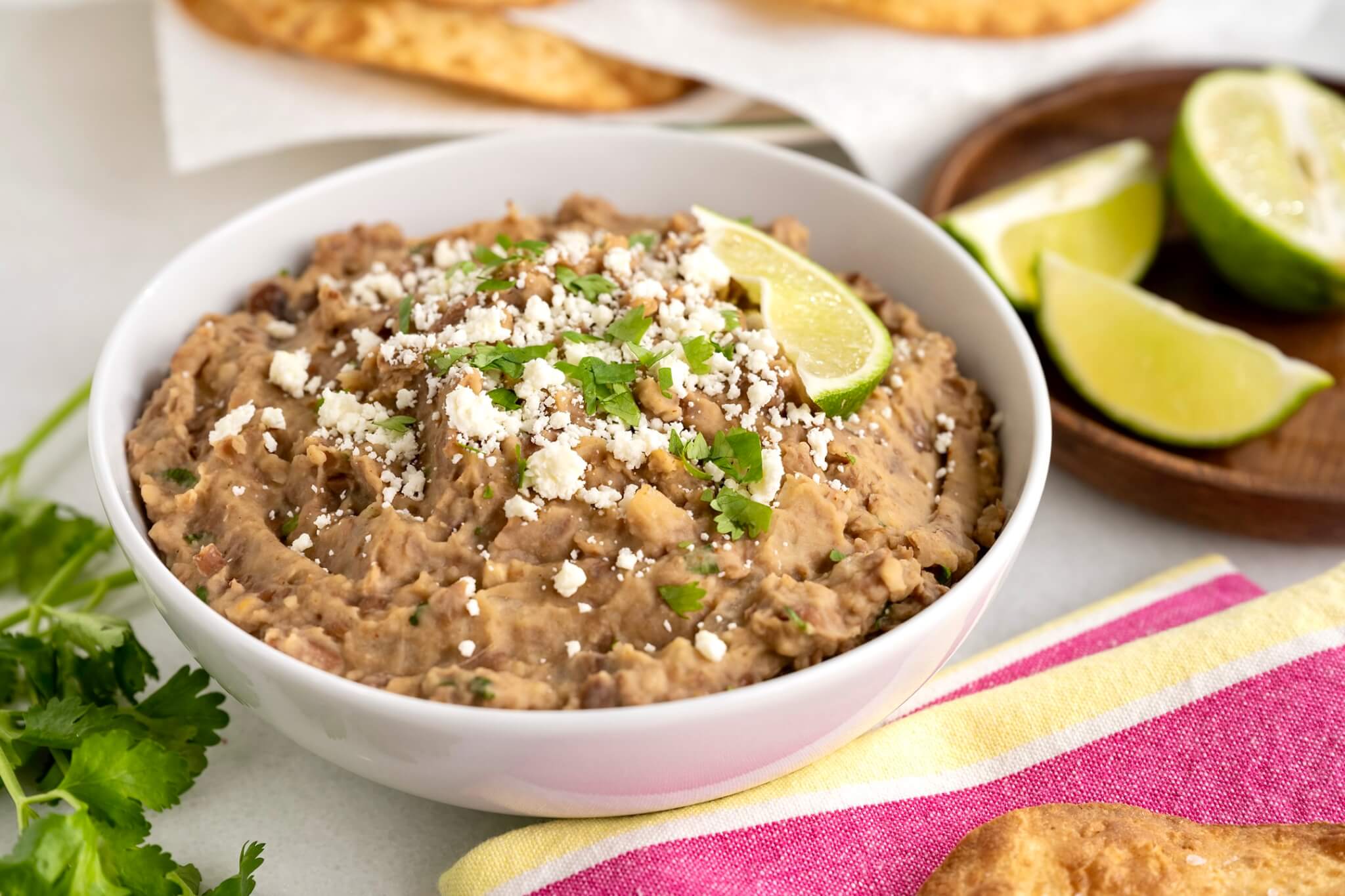
Originating from Northern Mexico, this beloved preparation is a mainstay of Tex-Mex fare. It’s commonly served as a side or spread into a tortilla. While canned refried beans are widely available at grocery stores, you can also prepare them at home.
Many people assume “refried” means the beans are fried twice. That’s not accurate, though you may still wonder whether this style of beans is a healthy pick.
This article covers everything you need to know about refried beans.
What are refried beans?
Despite the name, refried beans are not deep-fried. Traditionally, they are cooked pinto beans mashed and sautéed in lard and salt.
As the beans simmer, they soften and are mashed into a spreadable paste. Aromatics such as onion, garlic, and peppers are often added to boost flavor.
Whether refried beans are healthful depends on how they’re made. Today, you’ll also find versions using black beans or kidney beans and a variety of seasonings.
All beans are good sources of vitamins, minerals, and fiber, which benefit cardiovascular and digestive health. They provide notable amounts of magnesium, which may help lower blood pressure, and iron, which aids blood and immune function (1, 2, 3, 4).
However, lard — commonly used to prepare refried beans — is calorie-dense and high in fat; 1 tablespoon (12.8 grams) contains about 5 grams of saturated fat. Because of this, refried beans may not be ideal if you’re aiming to minimize calories or saturated fat (5).
Some recipes and commercial products substitute plant-based oils like olive oil, which have much less saturated fat.
Summary: Refried beans are typically pinto beans mashed and sautéed with lard and salt, though other fats may be used instead of lard.
Nutrition in refried beans
Refried beans provide several important nutrients, including fiber and numerous minerals.
One cup (260 grams) supplies (6):
- Calories: 234
- Protein: 13 grams
- Fat: 5 grams
- Carbs: 35 grams
- Fiber: 10 grams
- Iron: 20% of the Daily Value (DV)
- Magnesium: 22% of the DV
- Sodium: 64% of the DV
- Zinc: 14% of the DV
That said, the exact nutrient profile of refried beans varies with preparation.
If you use a lot of lard or oil, the fat and calorie counts will rise. Sodium content also fluctuates depending on added seasonings.
Summary: Refried beans are rich in fiber and minerals like iron, magnesium, and zinc, but they can be relatively high in sodium.
Potential health benefits of refried beans
Refried beans can support heart health, digestion, and blood sugar control — provided they are prepared in a health-conscious way.
May improve heart health
Beans supply fiber, magnesium, and potassium — a combination that may favor cardiovascular health.
A review of 31 studies reported a 7–24% lower risk of heart disease and stroke among people who consumed more fiber (7).
Likewise, a recent review found lower rates of heart disease and high blood pressure in people who ate more beans and legumes (8).
Magnesium and potassium in beans may help lower blood pressure by assisting muscle function and easing blood vessel tension.
For instance, a review of 34 trials found that supplementing with 370 mg magnesium daily for 3 months modestly reduced systolic and diastolic blood pressure by 2 and 1.78 mmHg, respectively (3).
Keep in mind that this research focused on supplements, not whole foods.
Another review of 22 studies found that increasing potassium intake to 90–120 mmol/day lowered average systolic blood pressure by 7.16 mmHg (9).
These studies generally examined beans overall — not necessarily refried beans, which often contain added salt. Too much sodium can harm heart health (10).
May stabilize blood sugars
Beans can aid in preventing and managing type 2 diabetes.
They tend to be low on the glycemic index (GI), meaning they produce a slower rise in blood sugar. Low-GI diets have been associated with improved blood sugar control in people with type 2 diabetes, while high-GI diets increase risk (11, 12).
In a 3-month trial of 56 adults with type 2 diabetes, a low-GI diet that included legumes reduced HbA1c by an average of 0.5% (13).
Beans are also rich in magnesium, and magnesium deficiency has been linked with insulin resistance — a key factor in developing type 2 diabetes (14).
May improve gut health
High fiber content in beans supports digestion and regular bowel movements.
A recent review found a 3.4% reduction in constipation with each 1-gram increase in daily fiber intake (15).
The Institute of Medicine recommends 25 grams of fiber daily for adult women and 38 grams for adult men. One cup (260 grams) of refried beans supplies about 10 grams of fiber (6, 16).
Fiber also acts as a prebiotic — a nondigestible compound that feeds beneficial gut bacteria. These microbes can help suppress harmful bacteria, boost mineral uptake, and support immune function (17).
May help fight disease
Beans are rich in polyphenols, plant antioxidants that may protect cells from free radical damage and potentially reduce the risk of age-related illnesses (18).
In one study tracking urinary polyphenols in 807 older adults, those with the highest markers had improved survival from heart disease, cancer, and other causes over 12 years (19).
Kidney beans have the highest polyphenol concentration (14.1 mg/g), followed by black beans (12.6 mg/g) and pinto beans (12.52 mg/g) (20).
So, all types of refried beans provide meaningful amounts of polyphenols.
Summary: Including more beans, including refried varieties, may help reduce constipation and lower the risk of heart disease and type 2 diabetes. Early evidence also suggests beans could protect against age-related conditions.
Possible downsides of refried beans
There are several potential drawbacks to keep in mind.
Depending on how they’re made, refried beans can impede weight loss, raise cholesterol, and increase blood pressure.
May hamper weight loss
Plain beans can support weight management. One study of 246 women found higher bean intake was linked to improved body composition (21).
But refried beans are often cooked with lard, which adds calories and fat. Fat contains 9 calories per gram — more than twice the calories per gram of carbohydrates or protein (4 calories/gram) (22).
If you add refried beans on top of your usual foods, you may increase overall calorie intake and gain weight.
For context, 1 cup (260 grams) of plain pinto beans has about 220 calories and no fat, while the same quantity of refried beans contains 234 calories and 5 grams of fat (23).
However, refried beans are less likely to cause weight gain when they replace other high-calorie options. Research indicates that when total calorie intake is similar, high-fat diets can yield weight loss outcomes comparable to low-fat diets (24, 25).
May raise cholesterol
Refried beans prepared with lard contain saturated fat. Health organizations typically recommend keeping saturated fat under 10% of daily calories to lower heart disease risk (26).
A review of 15 randomized trials found that reducing dietary saturated fat decreased the risk of heart attacks and related outcomes by 21% (27).
That said, research is not entirely consistent: a review of 26 studies reported that every 10-gram daily increase in saturated fat was associated with a 6% lower stroke risk (28).
Given mixed findings, most experts still advise limiting saturated fat. To reduce saturated fat in refried beans, choose low-fat or fat-free canned varieties or vegetarian recipes that use plant oils instead of lard.
May increase blood pressure
Refried beans can be high in sodium — 1 cup (260 grams) often provides about 962 mg (6).
The American Heart Association advises an ideal limit of 1,500 mg sodium per day and an upper limit of 2,300 mg. Yet the average American consumes around 3,400 mg daily, well above recommendations (29, 30).
Excess sodium can elevate blood pressure and damage cardiovascular and other organs, raising the risk of heart attack and heart failure (31).
Conversely, reducing sodium intake often lowers blood pressure. A review of 133 studies found that systolic and diastolic blood pressure fell by 4.26 and 2.07 mmHg, respectively, per 130 mmol/L decrease in urinary sodium; the greater the sodium reduction, the larger the blood pressure drop (32).
Summary: Refried beans can be high in calories, saturated fat, and sodium, which may interfere with weight loss, increase heart-disease risk, and raise blood pressure.
How to add refried beans to your diet
Try these ideas to include refried beans in a healthier way:
- Make refried beans at home to control nutrition. Use olive or canola oil instead of lard, and flavor with fresh or dried herbs rather than excess salt.
- If purchasing canned refried beans, read the nutrition facts. Aim for products with sodium at 15% of the DV or lower, and watch for saturated fat. Seek low-fat or fat-free options when possible.
- Scan the ingredient list for lard; opt for vegetarian versions that typically use plant oils instead.
- Be mindful of portions. If refried beans are your primary protein, a 1-cup (260-gram) serving — roughly the size of your fist — is reasonable. As a side, 2–3 tablespoons (30–50 grams) — about two thumbs — may suffice.
Pair refried beans with nutrient-dense accompaniments like salsa, whole wheat tortillas, and chopped vegetables for a balanced meal. For more on how tacos fit into a healthy diet, see are tacos healthy.
Summary: To make healthier refried beans, cook them with olive oil and herbs or select low-fat, fat-free, or low-sodium canned varieties. Serve alongside vegetables and whole grains.
The bottom line
Refried beans are mashed pinto beans typically pan-fried in lard and salt, though many versions use black or kidney beans and plant oils instead.
Beans themselves are rich in minerals and fiber, which can improve digestive health and lower the risk of type 2 diabetes and high blood pressure.
However, refried beans often include added fats and salt, making them higher in calories, saturated fat, and sodium than other bean preparations. These aspects may hinder weight-loss goals, increase heart-disease risk, and raise blood pressure.
Therefore, preparation matters. Making refried beans at home with olive oil and minimal salt is a smart way to enjoy their benefits while controlling nutrients.
Just one thing
Try this today:Want to make your own zesty refried beans with olive oil, garlic, and cilantro? Give this vegetarian recipe a try.

















Leave a Reply
You must be logged in to post a comment.