
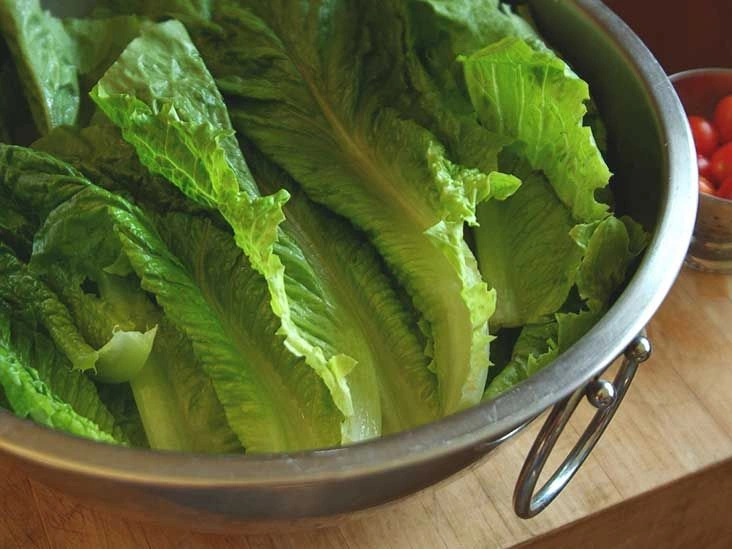
Romaine lettuce is a low-calorie, nutrient-rich green that provides several essential vitamins and minerals, including vitamins C, K, and A, calcium, folate, magnesium, and potassium.
Firm, crunchy, and loaded with goodness, romaine is a robust salad green. Often called cos lettuce, romaine is celebrated for its nutritional profile and its mild, slightly savory flavor.
It’s also low in calories, sugars, and carbs while offering a range of vitamins and minerals.

Nutrition facts
A dieter’s ally, romaine lettuce contains roughly 8 calories and about 1–2 grams of carbs per cup.
Though modest in fiber, it’s rich in minerals like calcium, phosphorus, magnesium, and potassium. Naturally low in sodium, romaine is abundant in vitamin C, vitamin K, and folate. It also supplies beta carotene, which the body converts to vitamin A.
Romaine lettuce, Raw, 1 cup shredded
| Amount | |
|---|---|
| Calories | 8 calories |
| Carbohydrates | 1.5 g |
| Fiber | 1 g |
| Protein | 0.6 g |
| Total fat | 0.1 g |
The nutrients in romaine lettuce support various aspects of health:
- Vitamin C bolsters the immune system, acts as an antioxidant, and helps maintain strong bones and teeth.
- Calcium is essential for building and preserving bones, enabling muscle contractions, nerve signaling, and blood clotting.
- Vitamin K is vital for proper blood clotting and, together with calcium, helps protect bone density and reduce fracture risk from osteoporosis.
- Vitamin A (from beta carotene) is a crucial antioxidant that aids cell growth and reproductive health, and supports the heart, kidneys, lungs, and vision.
- Folate, a B vitamin, assists in cell division and DNA synthesis. A deficiency in pregnancy can lead to complications such as premature birth, low birth weight, or neural tube defects like spina bifida.
- Phosphorus partners with calcium to form strong bones and teeth.
- Magnesium helps enzyme activity and relaxes muscles, cooperating with calcium to maintain tissues.
- Potassium is an electrolyte that supports regular heart rhythm, nerve signaling, and muscle contraction. It helps cells move and utilize nutrients effectively and reduces some of the harmful effects of excess sodium.
How to use romaine lettuce at home
As with most produce, fresher is better. Aim to consume romaine within a few days of purchase. You can buy romaine hearts instead of a whole head, but the outer leaves usually contain the highest nutrient levels. Whatever you choose, wash thoroughly to remove soil and debris.
While romaine is perhaps most famous for its role in Caesar salad, it’s also excellent halved, brushed with olive oil, and grilled.
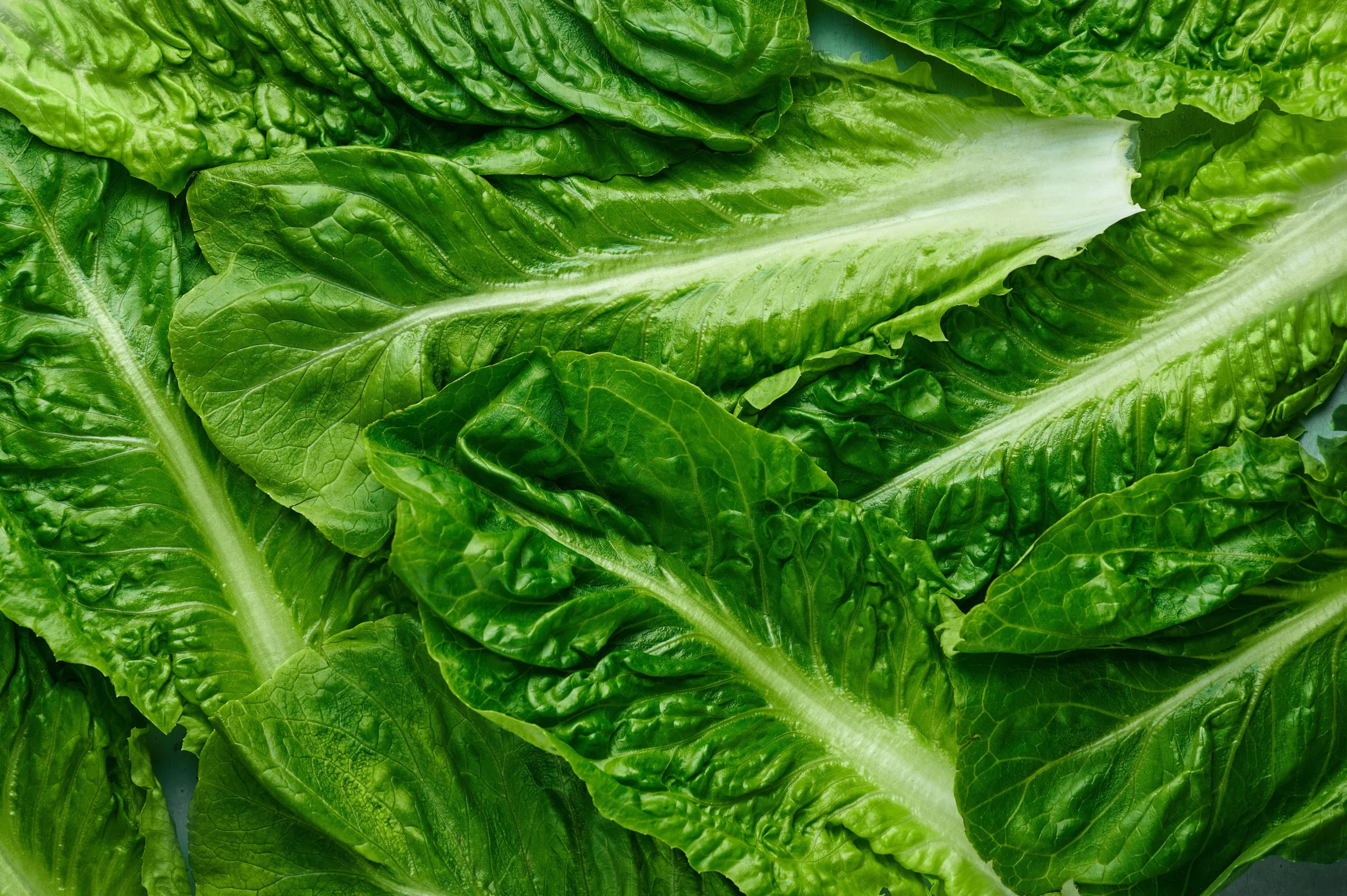
If you want to quietly boost your family’s nutrient intake, romaine makes a great base for crunchy toppings. This tasty sweet potato black bean tostada layers chopped romaine generously to add fiber and nutrients.
Romaine leaves are large and sturdy, ideal as a wrap or as a bread substitute. Simply spread your filling on a leaf, fold or roll, and enjoy.
You can use a toothpick to secure wraps for a child’s lunchbox—just choose a brightly colored pick and place it visibly so it’s not accidentally bitten into.
Romaine works well in any salad, as a garnish for tacos or chili, and is hearty enough for quick stir-fries—add it at the end so it doesn’t overcook. For readers curious about digestive concerns, see additional resources on lettuce and ibs to learn more.
Takeaway
Romaine lettuce is a low-calorie, nutrient-dense green that supplies multiple important vitamins and minerals. With many ways to incorporate it into salads and recipes, adding this leafy green to your regular meals is simple and beneficial. For ideas on portion counts and meal planning, you might also find this guide on salad calories how many helpful.


















Leave a Reply
You must be logged in to post a comment.