

Honeybush tea — also called Heuningbos, bergtee, or mountain tea — is a herbal infusion native to South Africa (1).
The beverage is prepared by steeping dried honeybush leaves in boiling water and has become popular worldwide because of its various therapeutic and medicinal qualities.
This article examines the likely advantages and possible drawbacks of drinking honeybush tea.
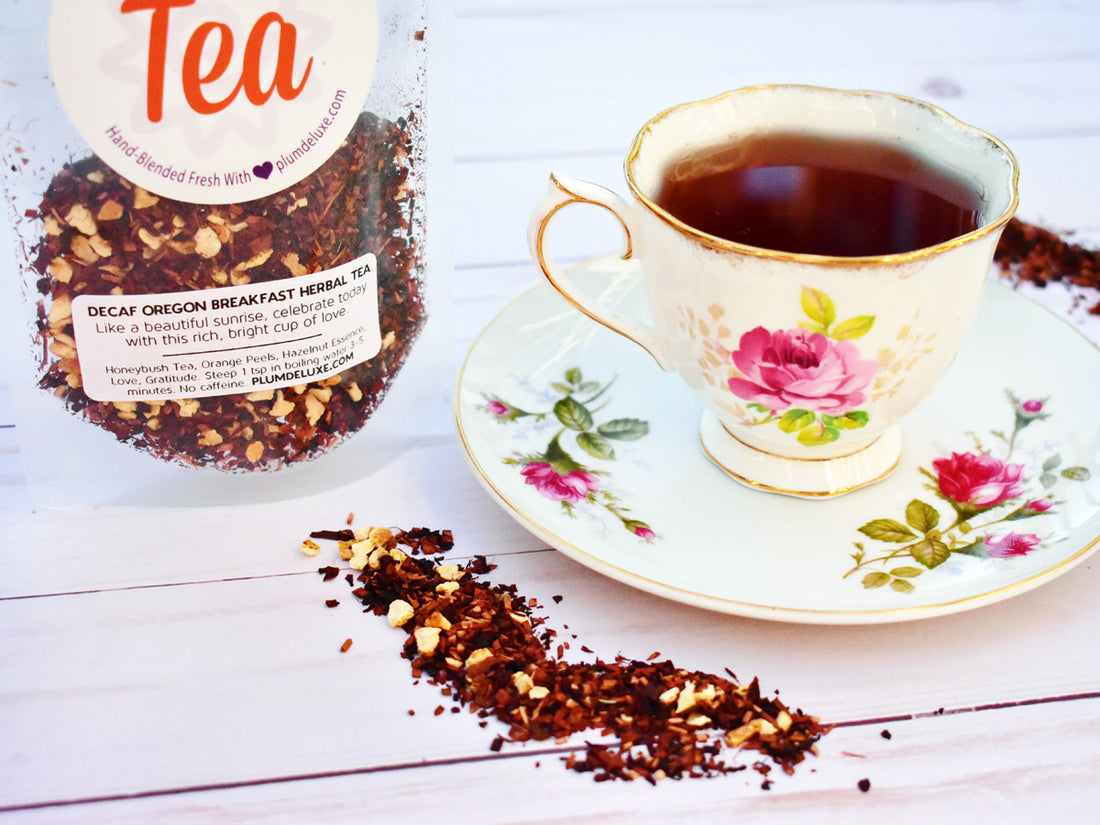
What is honeybush tea?
Honeybush, from the Cyclopia genus, is a shrub native to the Eastern and Western Cape provinces of South Africa.
It is closely related to rooibos, since both plants are members of the Fabaceae family (2).
There are roughly 23 Cyclopia species. Honeybush tea is most commonly made from Cyclopia intermedia (3, 4).
This woody shrub can reach about 10 feet (3 meters) in height. It produces pale yellow blossoms with a distinct sweet, honey-like fragrance and flavor, which is the source of the tea’s name (2, 5).
Beyond its pleasant sweetness, honeybush is naturally caffeine-free, provides trace amounts of minerals such as calcium, iron, and zinc, and contains plant compounds with antioxidant effects (4, 6).
You can sip it warm as part of an evening routine or pour it over ice to make a refreshing iced tea.
Summary: Honeybush is a naturally sweet, caffeine-free herbal tea from South Africa with a honey-like aroma and flavor.
Potential benefits
Honeybush has been used medicinally since the early 1800s. Many of its proposed health effects are attributed to its antioxidant profile (4).
High in antioxidants
Antioxidants are plant-derived compounds that protect cells from damage caused by oxidative stress (7).
Honeybush contains numerous polyphenolic antioxidants, notably xanthones and flavanones (6, 8, 9).
The predominant xanthone is mangiferin, while prominent flavanones include hesperidin and isokuranetin (6).
Mangiferin and hesperidin have been linked to strong anti-inflammatory and anticancer effects, and they likely underlie many of the tea’s purported benefits (10, 11, 12).
May help with diabetes
Diabetes affects hundreds of millions worldwide and is mainly divided into type 1 and type 2 (5).
Both forms involve elevated blood sugar due to pancreatic dysfunction — either lowered insulin production or reduced insulin sensitivity.
Research indicates honeybush polyphenols might help prevent, manage, or treat type 2 diabetes.
In test-tube and animal models, mangiferin appears to lower blood glucose by stimulating insulin release and aiding regeneration of damaged pancreatic cells (5, 6, 11).
Hesperidin, in animal studies, has been shown to reduce blood sugar by modulating enzymes involved in carbohydrate metabolism and protecting the pancreas from oxidative injury (5, 13).
Both compounds may also slow progression of diabetes-related complications, such as kidney and nerve damage (5, 11).
May support bone health
Honeybush may influence bone metabolism by acting on osteoclasts (cells that resorb bone) and osteoblasts (cells that build bone).
Osteoclasts break down bone to release minerals, while osteoblasts synthesize new bone; imbalance favoring resorption raises the risk of bone disorders like osteoporosis and arthritis (3).
Laboratory studies suggest mangiferin and hesperidin may benefit bone health — mangiferin inhibits osteoclast formation, decreasing bone breakdown, while hesperidin helps bone recovery by protecting osteoblasts from oxidative stress (3, 5, 11, 13, 14).
Consequently, honeybush tea could offer protective effects for bone health.
May offer anticancer activity
Certain agents in honeybush appear to have anticancer potential.
Cell and animal research indicates the tea’s antioxidants may damage cancer cells, neutralize carcinogens, and hinder the growth of some cancer types (15, 16, 17).
Mangiferin, in particular, shows promising anticancer activity, potentially blocking initiation, promotion, and metastasis of cancer cells (11, 18).
However, fermentation during tea production can reduce antioxidant levels (dependent on tea type and processing), which may lessen protective effects (15, 16, 17).
For instance, one rat study found unfermented honeybush reduced total esophageal tumor size by 94%, versus 74% with the fermented form (16).
While preclinical findings are encouraging, human trials are necessary.
May enhance skin health
Both consuming honeybush tea and applying its extract topically may benefit skin.
Research suggests extracts possess anti-aging properties, protecting skin cells from UV-induced oxidative damage and thereby reducing wrinkles while improving elasticity and moisture (19, 20, 21, 22).
In a 12-week trial involving 120 adults with crow’s feet, daily supplements of honeybush extract significantly improved overall wrinkle grading versus control (20).
Animal studies also indicate the extract may reduce skin thickening and signs of sunburn such as redness and peeling (21, 22).
Other possible advantages
Honeybush tea may offer additional health effects, including:
- Anti-obesity effects. Antioxidants in honeybush may reduce fat accumulation in immature fat cells and decrease fat content in mature adipocytes by stimulating lipolysis (23, 24, 25).
- Relief from menopausal symptoms. The plant contains isoflavones, some acting as phytoestrogens that may ease menopausal complaints (5, 9).
- Immune support. In vitro studies indicate mangiferin can stimulate macrophage activity — immune cells that engulf and eliminate pathogens (6).
- Respiratory relief. Traditionally, honeybush has been used as a remedy for colds, flu, mucus congestion, and even pulmonary tuberculosis because of its expectorant qualities (1, 5, 9).
Keep in mind that much of the evidence centers on concentrated extracts and isolated compounds rather than brewed tea. The exact amount of active compounds in a typical cup and whether drinking it delivers the same effects is not fully known.
Summary: The antioxidants in honeybush contribute to a range of possible health benefits, including support for bone and skin health, and potential antidiabetic and anticancer effects.
Side effects and precautions
At present, there are no widely reported adverse effects from drinking honeybush tea.
However, microbial contamination has been noted during fermentation in some cases — brewing the tea in water of at least 140°F (60°C) should make it safe to drink (6).
Also, consult your healthcare provider before using honeybush, since it may interact with drug-metabolizing enzymes and change how certain medications work. It can also influence the absorption and activity of other dietary antioxidants (8).
Given limited data on safety, pregnant and breastfeeding women are advised to avoid it.
Summary: There are no known major side effects, but honeybush may interfere with drug metabolism and alter medication effects.
The bottom line
Honeybush tea is a caffeine-free herbal infusion akin to rooibos. It has a long history of traditional use for its medicinal properties.
Its antioxidant constituents, particularly mangiferin and hesperidin, are linked to a variety of potential health benefits — from antidiabetic and anticancer actions to improved bone and skin health.
Although no serious side effects have been reported, honeybush can affect drug metabolism, so speak with your healthcare professional before adding it to your regimen.
Enjoy it hot on chilly days or as a chilled iced tea in warmer weather.




















Leave a Reply
You must be logged in to post a comment.