

A chalazion is a small, typically painless cyst or firm lump that forms on your eyelid. It develops when one of the oil-producing (meibomian) glands becomes blocked. While many chalazia resolve without intervention, some people still feel lump after chalazion surgery and wonder whether this is part of the normal healing process.
This eyelid condition often begins with localized redness and swelling. Over time, the clogged gland can lead to a noticeable bump. Although chalazions are usually not painful, the pressure from a larger lesion may affect your vision or cause discomfort.
Most chalazions disappear on their own within two to eight weeks. However, if the lump persists for several months, keeps returning, or interferes with eyesight, a healthcare professional may advise surgical removal. If you still feel lump after chalazion surgery, it may be due to residual inflammation, scar tissue, or ongoing healing rather than recurrence.
Continue reading to better understand how the procedure works, what recovery involves, and why a firm area may remain temporarily after treatment.
Do I need to do anything to prepare?
Chalazion surgery is generally considered a minor outpatient procedure, but anesthesia is still required.
Depending on your age, overall health, and medical background, you may receive a local anesthetic that numbs only the eye area or a general anesthetic that puts you fully asleep during the procedure.
Before surgery, inform your doctor or anesthesiologist about all substances you’re taking, including:
- over-the-counter (OTC) medications
- prescription medications
- vitamins and supplements
- herbal remedies
It’s equally important to disclose any existing health conditions, especially if you snore or have sleep apnea. These factors can increase the likelihood of certain anesthesia-related side effects. Let your care team know if you’ve previously experienced a negative reaction to anesthesia.
Alcohol or recreational drug use can also influence how your body responds to anesthesia, so provide honest details about recent use. If you smoke, reducing or stopping smoking before surgery is strongly recommended to promote better healing and reduce complications.
If you wear artificial nails or nail polish, you may be asked to remove them. The natural color of your nail bed helps clinicians monitor circulation and pulse while you’re under anesthesia.
Your healthcare provider will give you specific instructions about eating or drinking before the procedure, as well as arrival times and post-operative care planning.
Can I drive home?Because anesthesia is involved, arrange in advance for someone to take you home. Chalazion surgery is usually performed on an outpatient basis, and most patients return home the same day.
How is it done?
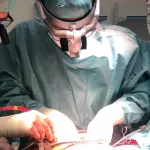
The procedure may be performed in a hospital or sometimes directly in a clinic setting. Once anesthesia has taken effect, you won’t feel pain during the surgery.
The surgeon typically follows these steps:
- places a clamp to gently hold your eyelid open
- creates a small incision on the inner eyelid (more common for smaller chalazions) or outer eyelid (for larger ones)
- carefully removes the contents of the chalazion
- closes the incision with dissolvable stitches if needed
If you experience frequent chalazions, your doctor may send a sample for biopsy to rule out underlying causes.
The surgical portion itself usually lasts about 10 minutes. Including preparation and anesthesia, expect the entire visit to take approximately 45 minutes.

Understanding the typical recovery pattern can help ease concerns if you still feel lump after chalazion surgery. In many cases, firmness under the skin reflects healing tissue rather than a new blockage. Viewing Chalazion healing stages pictures can offer visual reassurance about what is considered normal during recovery.
Is there any aftercare involved?
Following surgery, you’ll likely be prescribed antibiotics to prevent infection. In some situations, a steroid ointment may also be recommended to control inflammation.
Take all medications exactly as directed. Antibiotics help protect the surgical site, while steroids reduce swelling and irritation.
You may leave the clinic with an eye pad or protective patch. Mild swelling, bruising, or a small amount of reddish discharge for a few days is common and usually not a cause for concern.
Applying a cold compress a few hours after surgery can help minimize swelling. Beginning the next day, moist heat applied three times daily can encourage drainage and support healing. Warm compresses are particularly helpful if you still feel lump after chalazion surgery, as they promote circulation and gland function.
Your surgeon may provide detailed instructions for home care. Consistently following these guidelines lowers the risk of recurrence and speeds recovery.
After surgery, avoid:
- rubbing or touching your eyes
- wearing contact lenses for one week
- allowing water to enter your eyes while showering
- swimming
- using eye makeup for one month
Maintaining good eyelid hygiene, such as gentle cleansing of the lash line and regular warm compresses, may also reduce the likelihood of another blocked gland forming in the future.
How long does recovery take?
The incision generally heals within 7 to 10 days. However, protecting your eye from potential injury for at least two weeks is advisable.
During recovery, apply moist heat to the affected eyelid three times daily for about 10 minutes each session. Continue this routine for five days after surgery unless instructed otherwise by your healthcare provider.
It’s best to avoid contact lenses for roughly a week and refrain from wearing eye makeup for up to a month. These precautions help prevent irritation and infection while tissues heal.
If you still feel lump after chalazion surgery beyond the first couple of weeks, consult your healthcare professional. Sometimes residual swelling, scar tissue, or incomplete drainage can create temporary firmness that gradually improves over time.
Are there any potential risks?
Chalazion surgery is considered low risk, but no procedure is entirely without potential complications.
In rare cases, the glands that maintain your tear film may be affected. This is one reason many doctors initially recommend waiting to see whether a chalazion resolves without surgical intervention.
Other possible risks include:
- bruising
- bleeding
- infection
There is also a possibility that the chalazion may recur. Adhering to aftercare instructions and practicing consistent eyelid hygiene can significantly reduce this risk.
Anesthesia carries its own set of potential side effects, though common issues like nausea or a sore throat are typically mild and short-lived. Reviewing your full medical history with the anesthesiologist helps minimize adverse reactions.
Contact your healthcare provider during recovery if you notice:
- persistent redness and swelling
- worsening bruising
- yellow or thick discharge (a small amount of light, bloody discharge is normal)
- increasing pain or pain not relieved by OTC medications
- vision changes beyond temporary blurriness
- a fever above 101°F (38°C)
The bottom line
If a chalazion does not resolve on its own, surgical removal is generally a quick and safe solution. It’s not unusual to still feel lump after chalazion surgery for a short period, as tissues need time to heal and inflammation to subside.
Carefully following post-operative instructions, applying warm compresses as directed, and monitoring for unusual symptoms can help ensure smooth healing. If concerns persist, consult your healthcare provider for evaluation and reassurance.













Leave a Reply
You must be logged in to post a comment.