
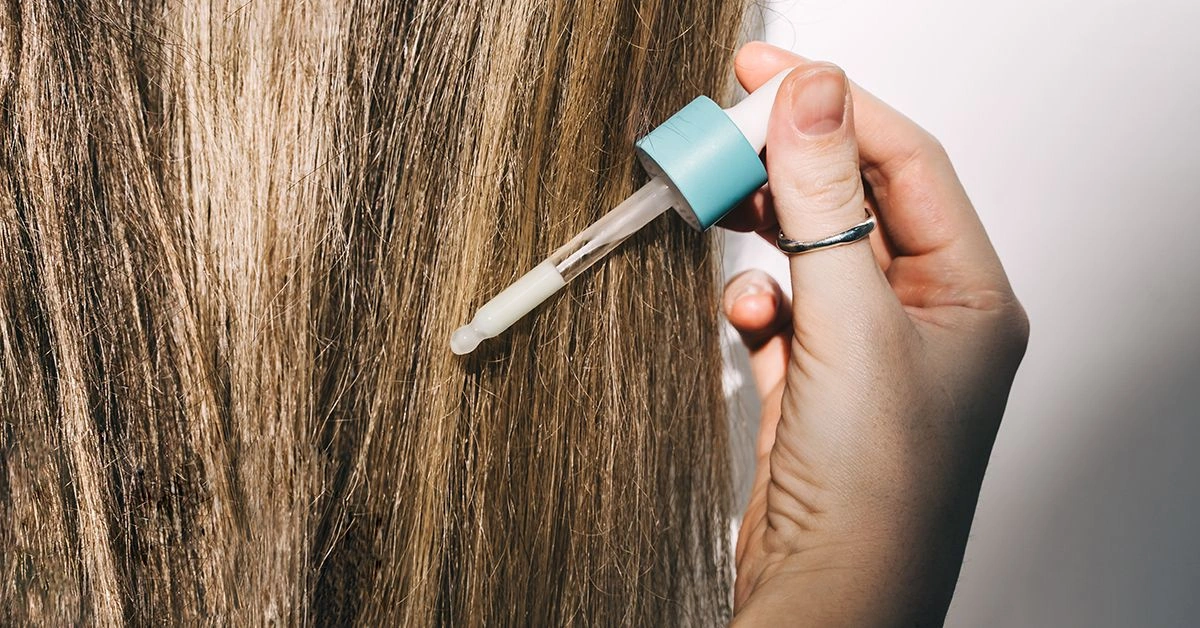
When your hair feels parched to the touch, it may also be fragile and difficult to style. Altering your hair care habits and boosting certain nutrients in your diet can help bring back hair’s vitality and appearance.
Dry hair doesn’t necessarily indicate an underlying medical issue or that your hair is unhealthy. Exposure to sunlight, styling with heat, humidity, smoking, and other factors can all lead to dry, damaged strands.
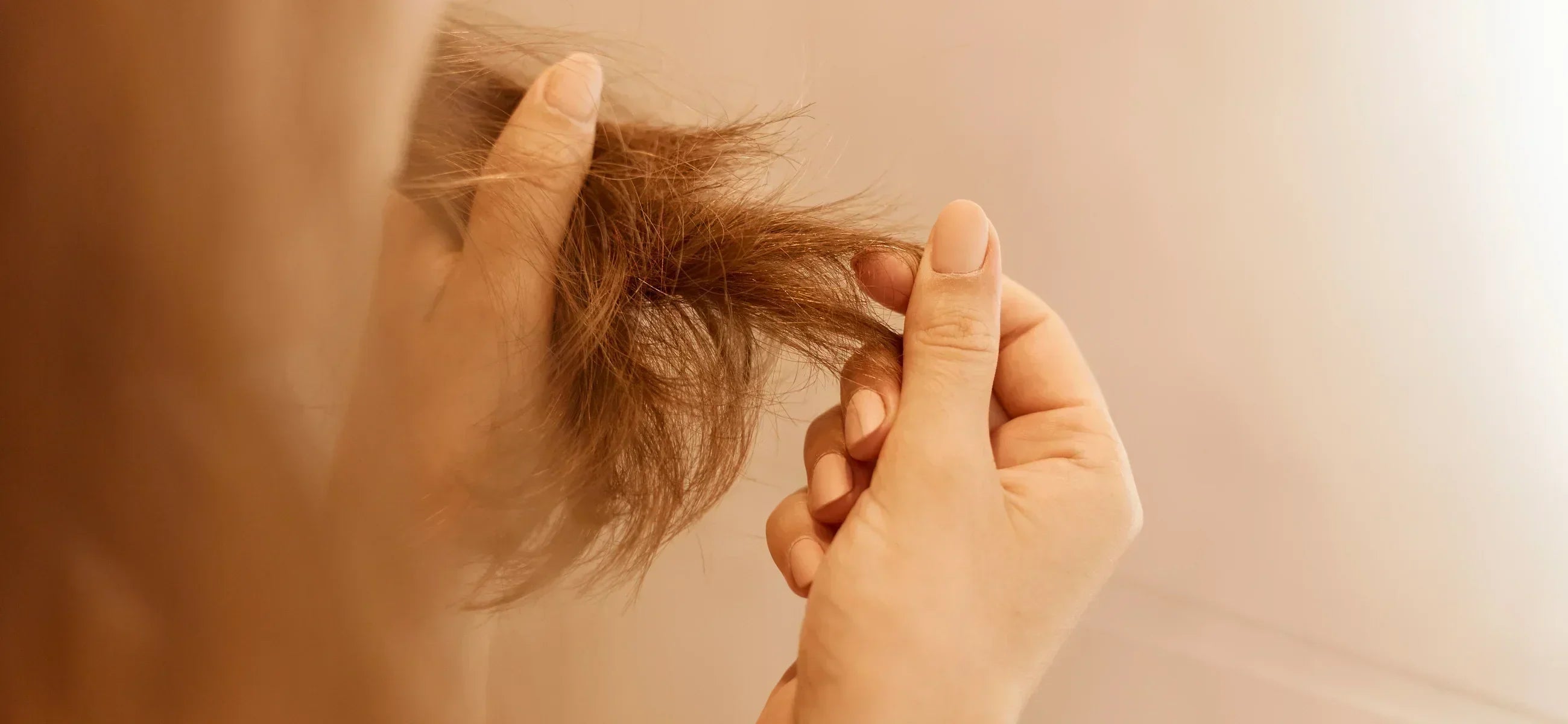
1. Get a trim
If your hair is overly dry, it might benefit from a reset in the form of a new haircut. Even shorter hair can suffer from split ends, which make styling harder and contribute to a rough, dry feel.
A hairstylist can remove damaged ends that are weighing down healthier growth. You can also ask for tailored advice for your hair type and length; they may suggest a revised styling regimen to help prevent future damage.
2. Take vitamins
You already know certain vitamins nourish your body, but some also have a direct effect on hair and nail health. These include:
- vitamin A
- vitamin B-12
- vitamin C
- vitamin D
- biotin
- iron
- zinc
Because prenatal vitamins include many of these nutrients, some people use them for their perceived hair benefits.
Biotin-only supplements are also popular for improving hair appearance. However, recent studies don’t strongly support the idea that biotin alone has a major effect.
You may also consider marine protein supplements, which have been shown to support healthier hair.
3. Add omega-3s and antioxidants to your diet
Marine proteins help prevent thinning and can enhance hair’s shine. To achieve similar benefits without supplements, increase marine protein sources in your meals, such as:
- salmon
- oysters
- mackerel
- tuna
- sardines
These foods are high in peptides and omega-3 fatty acids, which can improve luster.
Additionally, eating more antioxidants can fight oxidative stress, which ages hair’s appearance. Antioxidant-rich foods include:
- walnuts
- kidney beans
- blueberries
- broccoli
- tomatoes
4. Avoid washing your hair every day
Shampoo clears dirt and sweat from hair andstrips it of sebum. Sebum is the natural oil that helps hair stay manageable and, in the right amount, shiny. Excess sebum, however, makes hair greasy.
You probably don’t need to remove sebum daily — most people can wash every other day and notice healthier-looking hair.
If you can’t skip a day, choose a shampoo formulated for dry hair, or even a gentle baby shampoo. These cleanse mildly without fully stripping natural oils.
5. Wrap your hair instead of air drying
If your hair becomes brittle and hard to style after washing, it may be losing too much moisture while drying. Rather than letting it air dry freely, try wrapping it in a soft cloth or towel.
If you go to bed with damp hair, use a silk pillowcase so moisture isn’t absorbed by the fabric. A 2011 study found that leaving hair wet for extended periods caused damage similar to blow-drying.
6. Cut down on heat styling
Daily heat styling to add curl, straighten, or boost volume can gradually dry out your hair.
A 2011 examination of hair shafts before and after blow-drying showed considerable damage. When you do blow-dry, keep the dryer at least 6 inches away from your hair for better results.

7. Try colder showers
Hot shower water used on your body can also be harsh on your hair. Cold showers offer some health perks, and they might support hair growth, too.
After shampooing and conditioning, rinse your hair with cooler water for a minute or two to energize strands and refresh the scalp.
8. Use essential oils
Argan oil from Morocco has gained popularity as a home remedy for dry hair. While evidence is limited on its definitive effects, it’s simple to experiment with — but remember to do a patch test first.
Applying a few drops of argan oil to the ends can make hair look smoother and more hydrated. Essential oils such as peppermint and lavender may help reduce hair loss and prevent breakage.
Combining peppermint, lavender, and a carrier oil like argan or coconut to create a light hair mist may gradually make hair feel less dry.
9. Prevent sun exposure
Ultraviolet light can harm hair similarly to how it harms skin. If your hair is dry, limit its exposure to UV rays.
Wear a hat during outdoor activities and avoid prolonged sunlight. If hair has already been sun-damaged, applying pure aloe vera gel may help soothe and repair strands.
10. Try coconut oil
Coconut oil is a natural moisturizer that can fill in gaps along damaged hair fibers caused by heat or sun. A 2005 study found that coconut oil effectively penetrates hair shafts.
Coconut oil enhances hair’s appearance by smoothing each strand. Use it as a deep-conditioning treatment once a week:
- Begin with dry hair and room-temperature coconut oil.
- Warm a small amount between your palms and apply, concentrating on the ends, the crown, and roots.
- Coat — but don’t drench — your hair, repeating until covered, and leave the oil on for about 20 minutes.
- Rinse thoroughly.
The bottom line
Trying at-home remedies for dry hair is generally low-risk and easy to do. However, persistent hair loss and breakage can signal an underlying health issue. See a dermatologist if you notice:
- hair coming out in clumps
- bald patches or pattern hair loss
- hair that snaps when brushed
















Leave a Reply
You must be logged in to post a comment.