16 Causes of Chest Pain and When to Get Help


- What causes chest pains on the left side?
- Angina (chest pain)
- Heart attack
- Myocarditis
- Cardiomyopathy
- Pericarditis
- Panic attack
- Gastroesophageal reflux disease (GERD)
- Hiatal hernia
- Problems with your esophagus
- Muscle or chest wall injury
- Pneumothorax (Collapsed lung)
- Pneumonia
- Lung cancer
- Pulmonary hypertension
- Pulmonary embolism
- Aortic dissection
- When should I worry about left chest pain?
- Heart attack
- [the terms “male” and “female”]
- Pulmonary embolism
- Aortic dissection
- Should I go to the hospital for left chest pain?
- Get immediate medical attention
- Frequently asked questions
- How do I know if my chest pain is serious?
- How do you know if your chest pain is muscular or heart-related?
- What are three common causes of chest pain?
- How can I relieve left-side chest pain?
- Takeaway
If you experience pain on the left side of your chest, your immediate concern might be that you’re having a heart attack. While chest discomfort can indeed be linked to heart disease, it is not always the underlying cause.
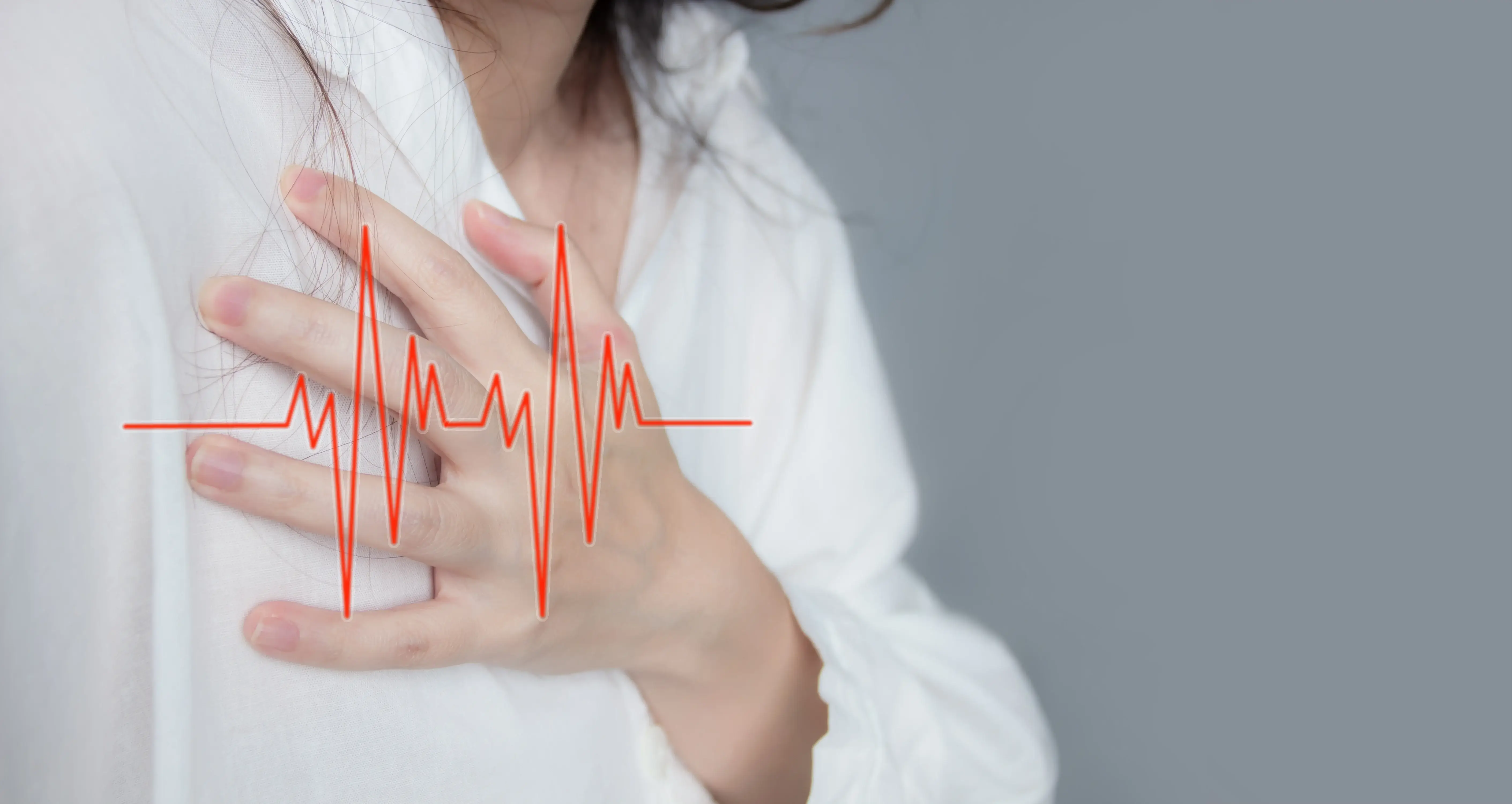
Understanding Female chest pain location and how it may differ based on anatomy, hormones, and risk factors is important for identifying potential causes. Although this article focuses on left-sided chest pain in general, recognizing patterns in Female chest pain location can help women better interpret symptoms and seek timely care. For a broader overview, you can also review What causes chest pain in a woman.

Continue reading to explore possible causes of pain on the left side of the chest, related symptoms, recommended next steps, and warning signs of life threatening conditions that require urgent medical attention.
What causes chest pains on the left side?
A variety of medical conditions can trigger discomfort on the left side of your chest. These range from relatively harmless issues to serious, life threatening emergencies.
If you are uncertain about the source of left-sided chest pain, it’s safest to seek emergency medical care right away.
Below are some common causes of pain affecting the left side of the chest.
Angina (chest pain)
Angina is often a sign of coronary heart disease, though it can also be associated with other heart disorders. The discomfort commonly spreads to the left arm, left shoulder, left side of the neck, and left jaw. Some individuals also notice pain radiating to the back. Angina typically results from reduced blood flow to the heart muscle and may worsen with physical exertion or emotional stress.
Heart attack
Some heart attacks begin gradually, presenting as mild chest discomfort that intensifies over time. Others occur suddenly, producing severe pain in the left side or center of the chest. In women, recognizing Female chest pain location is especially important because symptoms may be subtler or accompanied by nausea, fatigue, or shortness of breath rather than crushing pain alone.
Myocarditis
Myocarditis involves inflammation of the heart muscle and can contribute to cardiovascular disease. Possible causes include infections (viral, bacterial, fungal), medications, autoimmune conditions, and cancer treatments. Chest pain may occur alongside fatigue, arrhythmias, or shortness of breath.
Cardiomyopathy
Cardiomyopathy describes a group of diseases affecting the heart muscle and impairing its ability to pump blood efficiently. Some people have no symptoms, while others may develop chest pain, shortness of breath, or an enlarged heart. Early diagnosis and lifestyle adjustments can help manage progression.
Pericarditis
Pericarditis is inflammation of the thin sac surrounding the heart. It may cause sharp pain in the left side or center of the chest, sometimes worsening when lying down or taking a deep breath. Discomfort can also extend to one or both shoulders. Causes include infections, heart surgery, heart attack, injury, or certain medications.
Panic attack
A panic attack is characterized by a sudden, intense surge of fear or distress. It often reaches its peak within 10 minutes. Because it can produce chest tightness, rapid heartbeat, and shortness of breath, it may mimic a heart attack. Distinguishing between anxiety-related symptoms and cardiac conditions may require medical evaluation.
Gastroesophageal reflux disease (GERD)
GERD is a digestive disorder that frequently causes heartburn. Symptoms may include a burning sensation in the upper abdomen and chest, sometimes mistaken for heart-related pain. Discomfort may worsen after eating or when lying down.
Hiatal hernia
A hiatal hernia occurs when the upper portion of the stomach moves through the diaphragm into the chest cavity. This condition can lead to chest pain, reflux symptoms, and difficulty swallowing.
Problems with your esophagus
Esophageal conditions such as muscle spasms, esophagitis, or an esophageal rupture can produce chest discomfort. These issues may also cause trouble swallowing or pain that worsens with eating.
Muscle or chest wall injury
Strained chest muscles or injuries between the ribs can result in localized pain that intensifies with movement or touch. If you suspect a broken bone, consult a doctor promptly. Healing may take about 10 weeks or longer, during which strenuous activities should be avoided.
Pneumothorax (Collapsed lung)
A collapsed lung, or pneumothorax, may develop due to lung disease or chest trauma. It often causes sudden, sharp pain on one side of the chest along with shortness of breath. Immediate medical care is typically required.
Pneumonia
Pneumonia can trigger sharp or stabbing chest pain that becomes worse with deep breathing or coughing. It is more common after a recent respiratory illness such as bronchitis or influenza. Fever, cough, and fatigue frequently accompany the pain.
Lung cancer
Chest pain can be a symptom of lung cancer, although early-stage lung cancer may not produce noticeable signs. Persistent cough, unexplained weight loss, or coughing up blood warrant medical attention.
Pulmonary hypertension
Pulmonary hypertension refers to high blood pressure in the arteries supplying the lungs. In addition to chest pain, symptoms may include shortness of breath, fatigue, and swelling in the legs.
Pulmonary embolism
A pulmonary embolism (PE) is a blood clot lodged in the lungs. It can cause abrupt, sharp chest pain and is considered a medical emergency that requires immediate treatment.
Aortic dissection
An aortic dissection happens when a tear forms in the aorta, the largest artery carrying blood from the heart. Blood flows between the layers of the artery wall (dissection), potentially reducing circulation to vital organs.
Although every aortic dissection is serious, not all require surgery.
In some instances, the aorta can rupture, allowing blood to leak into surrounding areas. This situation is life threatening and demands emergency medical care.
When should I worry about left chest pain?
Chest discomfort or heaviness should always be taken seriously, as it may indicate a heart attack or another life threatening emergency where every minute counts.
Call 911 or local emergency services if you or someone nearby experiences unexplained left-sided or generalized chest pain along with any of the following symptoms:
Heart attack
According to the CDC , most heart attacks involve discomfort in the middle or left side of the chest lasting more than a few minutes. The sensation may fade and then return.
Additional heart attack symptoms include:
- tightening, squeezing, or crushing pressure in your chest
- pain in your left arm, though it can also occur in your right arm
- shooting pain in your neck, jaw, back, or stomach
- shortness of breath
- heartburn, nausea, or vomiting
- lightheadedness, weakness, or dizziness
Both males and females can have chest pain and other common warning signs. However, females may also report fatigue, nausea, and lightheadedness. Awareness of Female chest pain location and these associated symptoms can improve early recognition and treatment outcomes.
[the terms “male” and “female”]
In this article, we use “male and female” to refer to someone’s sex as determined by their chromosomes, and “men and women” when referring to their gender (unless quoting from sources using nonspecific language).
Sex is determined by chromosomes, and gender is a social construct that can vary between time periods and cultures. Both of these aspects are acknowledged to exist on a spectrum both historically and by modern scientific consensus.
Pulmonary embolism
Along with chest pain, other symptoms of PE may include:
- back pain
- lightheadedness
- bluish tone to lips
- excessive sweating
- dizziness
- coughing
- shortness of breath
Aortic dissection
Besides chest pain, an aortic dissection may cause :
- Pain in your jaw, neck, stomach, or shoulder
- feeling dizzy, faint, nauseous, or weak
- difficulty breathing
- clammy skin
Aortic dissection requires urgent treatment to reduce the risk of complications such as stroke, organ failure, paraplegia, amputation, hemorrhage, or death.
Should I go to the hospital for left chest pain?
Chest pain or discomfort is one of the hallmark symptoms of a heart attack. If you develop any form of chest pain, call 911 and follow the dispatcher’s guidance.
If others are present, ask them to remain with you until emergency medical services (EMS) arrive. Contacting 911 is generally the fastest route to care, as EMS professionals can begin life saving treatment immediately and transport you more quickly than private transportation.
Get immediate medical attention
If you or someone nearby shows signs of a heart attack or pulmonary embolism, contact emergency services without delay.
Frequently asked questions
How do I know if my chest pain is serious?
How do you know if your chest pain is muscular or heart-related?
key differences
an irregular heartbeat
key differences
an irregular heartbeat
What are three common causes of chest pain?
causes of chest pain
causes of chest pain
How can I relieve left-side chest pain?
Takeaway
Many different conditions share chest pain as a symptom. If you develop chest discomfort without a clear reason, consult a doctor to begin identifying the cause and creating a treatment plan.
Sudden chest pain accompanied by breathing difficulty, pressure, or dizziness may indicate a life threatening emergency. Call 911 immediately for prompt medical assistance.
FAQ
Left-sided chest pain can indicate various conditions, from heart-related issues like angina or heart attack to musculoskeletal strains, gastroesophageal reflux (GERD), or anxiety. It’s crucial to evaluate accompanying symptoms.
Women may experience subtler heart attack signs beyond classic chest pressure, such as unusual fatigue, nausea, shortness of breath, jaw or back pain, and lightheadedness, making awareness of female chest pain location critical.
Seek immediate emergency care if chest pain is sudden, severe, or accompanied by difficulty breathing, pressure, pain radiating to the arm/jaw, dizziness, sweating, or fainting, as these may signal a heart attack or pulmonary embolism.
Yes, panic attacks can cause sharp left chest pain, tightness, rapid heartbeat, and shortness of breath, mimicking cardiac symptoms. A medical evaluation is needed to distinguish anxiety from heart conditions.
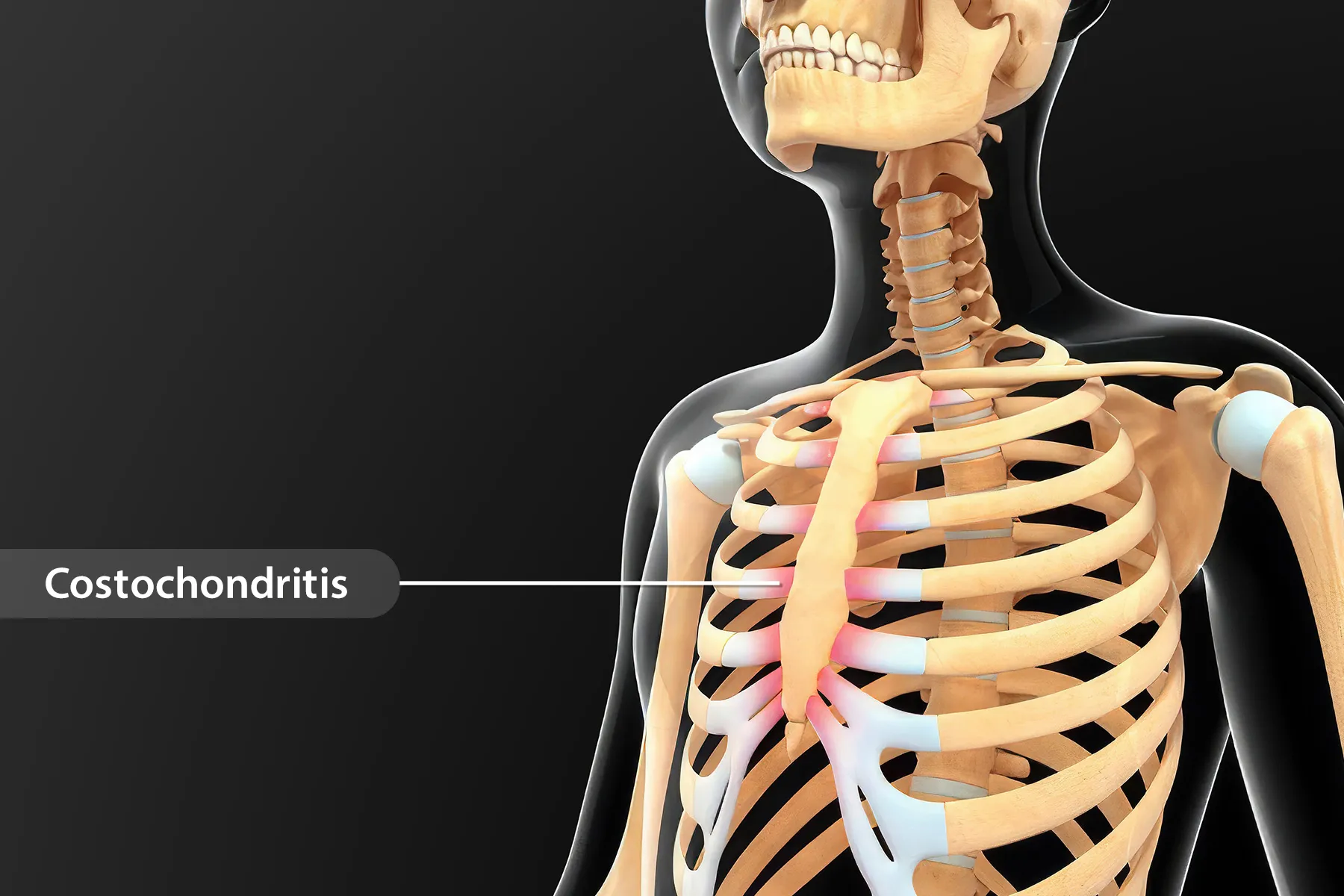
Non-cardiac causes include costochondritis (chest wall inflammation), muscle strains, GERD, hiatal hernia, esophageal issues, pneumonia, collapsed lung (pneumothorax), and pulmonary hypertension.






Related Posts

Do Magnetic Bracelets Really Help with Pain?
Aug 2, 2026 • 10 min read
Is It Safe to Mix Naproxen and Acetaminophen?
Aug 18, 2026 • 31 min read
What to Know When Choosing a PEMF Therapy Device for Home
Oct 4, 2026 • 19 min read
5 Hand Massagers for Pain and Stiffness Relief at Your Fingertips
Oct 1, 2026 • 25 min read
Best CBD Gummies for Pain: 4 Options If You Don’t Like Topicals
Sep 30, 2026 • 10 min read