
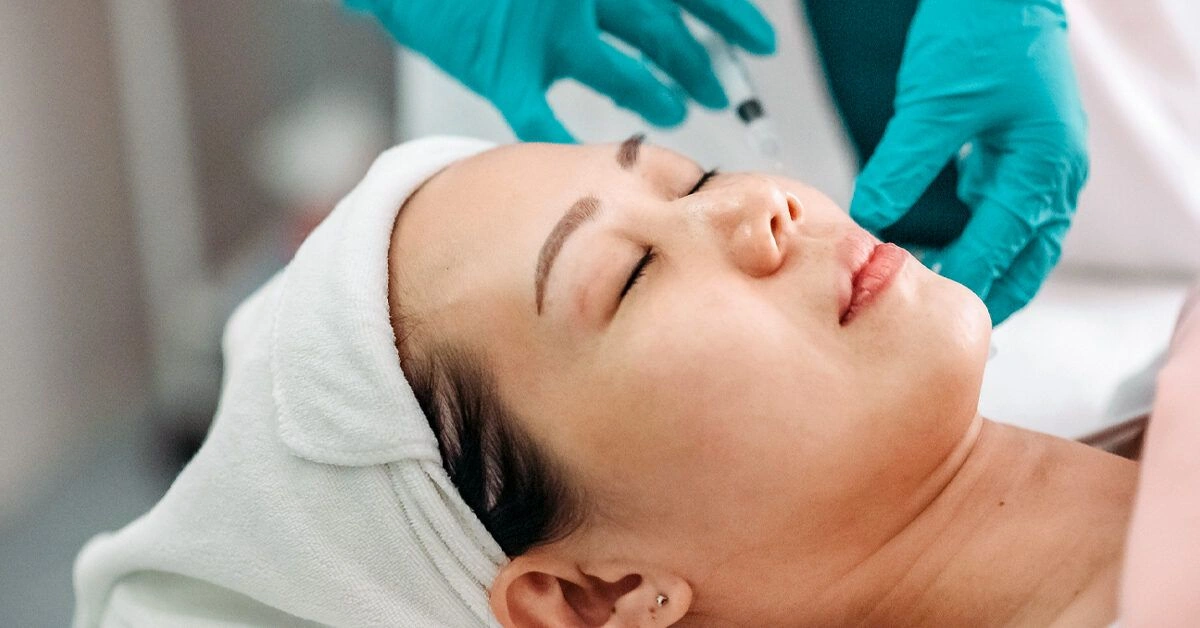
The masseter is a facial muscle on the side of the face that plays a major role in chewing. Injecting Botox into this muscle can ease symptoms of grinding or clenching teeth and may also help reshape the jawline.
Botox is an injectable muscle relaxant that contains onabotulinumtoxinA, a neurotoxin that temporarily weakens targeted muscles.
While Botox is commonly used to soften forehead lines, placing it into the masseter muscles (located near the cheekbones) can alter facial contours and help with certain types of facial pain.
This application is referred to as masseter Botox. Below we cover what the treatment involves, its advantages, and possible adverse effects.

What is masseter Botox?
The masseter is one of the muscles responsible for chewing, situated on the side of the face and spanning from the cheekbone down to the lower jaw.
When botulinum toxin is injected into this muscle, the procedure is called masseter Botox, sometimes known as jaw Botox.
The treatment works by using botulinum toxin to temporarily interrupt nerve signals to the masseter, which reduces the muscle’s ability to contract.
What is masseter Botox used for?
Botox in the masseter is commonly employed to:
- control teeth grinding
- lessen jaw tightness, pain, and clenching
- ease headaches
- soften a square jawline
- create a more proportionate facial shape
What’s the procedure for getting masseter Botox?
Here’s what to expect before, during, and after the injections.
Before the procedure
Prior to receiving masseter Botox, you’ll meet with a medical provider to discuss your goals and concerns.
They will assess your facial structure and jaw to identify injection sites and estimate how many syringes will be needed.
The treatment is performed in a clinic or doctor’s office and does not usually require hospital admission.
During the procedure
During the appointment you can expect the following steps:
- The clinician will cleanse the area to minimize infection risk and may apply a topical anesthetic to numb the skin.
- A syringe containing the botulinum toxin is prepared; the needle used is very fine.
- The practitioner inserts the needle into the masseter and injects the toxin while slowly withdrawing the needle.
- The same steps may be repeated on the opposite side. The number of injections varies depending on the issue being treated.
The whole procedure usually takes around 15 minutes.
After the treatment
Afterward, you can generally return to normal activities immediately since no recovery period is required.
That said, avoid the following for 24 hours:
- rubbing the treated region
- applying pressure to the area
- strenuous exercise
These measures reduce the chance the toxin will migrate to adjacent muscles.
Full effects are typically apparent in about a week, although some individuals notice changes within 1 to 3 days.
Keep in mind the effects are temporary, usually lasting about 3 to 4 months, so repeat treatments are necessary to maintain results.
What are the benefits of masseter Botox?
Masseter Botox can provide several advantages:
Reduces teeth grinding
Bruxism (teeth grinding) is often managed with mouthguards and behavioral adjustments. In severe cases, Botox injections may offer better relief.
By weakening the masseter, Botox relaxes the jaw, preventing involuntary clenching and reducing symptoms such as:
- jaw tightness
- jaw, neck, or facial pain
- tooth sensitivity or discomfort
- dull headaches
- tooth damage
- ear pain
Alleviates TMD symptoms
The temporomandibular joint (TMJ) acts as the hinge connecting the lower jaw to the skull and, like the masseter, is involved in chewing.
Temporomandibular joint disorder (TMD) can occur alongside bruxism and masseter soreness.
Injecting Botox into the masseter can relax the muscle and help ease TMD-related complaints, including:
- jaw pain
- headaches
- TMD-related damage
- limited jaw mobility
- pain in the jaw, face, or ear
- jaw locking
Sculpts a slimmer face
Large masseter muscles can contribute to a square facial appearance. If you prefer a slimmer profile, masseter Botox may help.
The muscle-weakening effect can reduce the bulk of the masseters, producing a narrower, more V-shaped jawline.
When performed for aesthetic contouring, the procedure is sometimes called jaw reduction or masseter reduction.
What are the potential side effects of masseter Botox?
Masseter Botox is generally safe, but side effects can occur, such as:
- pain or swelling at the injection site
- bruising
- headache
- flu-like sensations
- asymmetrical smile
- increased drooling
Avoid getting Botox if you:
- are pregnant
- are breastfeeding
- have an allergy to cow’s milk protein
- have a neuromuscular condition
- are prone to keloid scarring
- have body dysmorphic disorder
- hold unrealistic expectations
Where can you find a qualified cosmetic surgeon for this procedure?
As with any medical procedure, choose a licensed dermatologist or cosmetic surgeon to lower complication risks and achieve desired outcomes.
Ask your dermatologist or primary care physician for referrals. You can also use the Find a Surgeon tool from the American Society of Plastic Surgeons.
During the initial consultation you can review the procedure and ask questions.
Consider asking:
- Will masseter Botox achieve my goals?
- Am I a suitable candidate?
- How should I prepare for the treatment?
- Where is the procedure performed and what are the steps?
- Are there post-treatment precautions?
- How will my appearance change over time?
- What risks are associated with masseter Botox?
- How long have you practiced?
- Do you have specific training for masseter Botox?
- Can I see before-and-after photos?
- What are the costs?
Takeaway
The masseter muscle sits in the jaw and cheek area. If you suffer from severe bruxism or TMD, Botox injection into this muscle may reduce symptoms. It can also reshape the jawline and improve facial balance.
For optimal and safe results, consult a qualified cosmetic surgeon experienced in masseter Botox. An informed, skilled provider can perform the treatment correctly and minimize complications.

















Leave a Reply
You must be logged in to post a comment.