Can You Use Essential Oils for Bug Bites?


- What are the best essential oils for bug bites?
- 1. Basil (Ocimum spp.)
- 2. Camphor (Cinnamomum camphora)
- 3. Chamomile (Matricaria recutita/chamomilla, Chamaemelum nobile)
- 4. Lavender (Lavandula angustifolia)
- 5. Mint (Mentha spp.)
- 6. Rosemary (Rosmarinus officinalis)
- 7. Tea tree (Melaleuca alternifolia)
- How do I use essential oils for bug bites?
- Direct application
- Dilute spray
- Ointment
- Bath
- When you should see a doctor
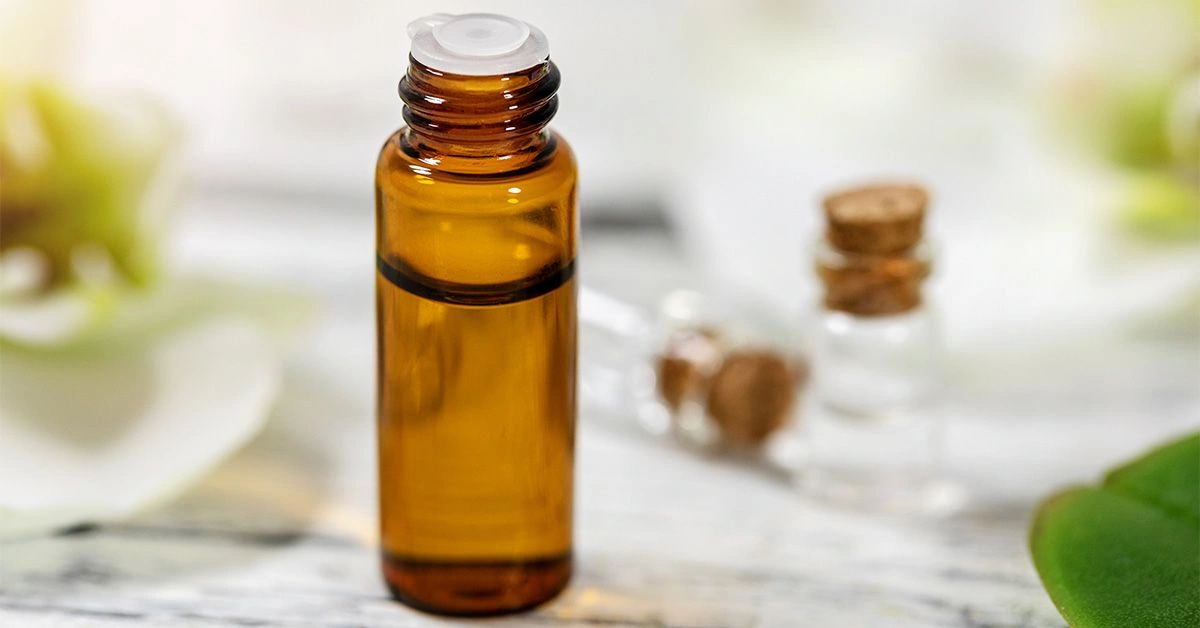
Essential oils are highly concentrated, distilled extracts derived from specific plants. Certain varieties may be used as an alternative remedy to help ease the symptoms associated with bug bites.
Today, they are widely used for wellness routines, household cleaning, massage therapy, and more. One common reason people reach for them is to reduce the discomfort caused by insect bites.
Individuals seeking a more natural method of soothing irritated skin often explore essential oils as part of their routine, sometimes alongside preventive strategies like using a No see um repellent or even preparing a No see um repellent homemade spray. In aromatherapy, these oils may be diffused into the air or diluted with a carrier oil and applied topically to the skin.

For people dealing with itchy mosquito bites, painful stings, or reactions from tiny biting midges, pairing prevention—such as a No see um repellent for humans—with soothing essential oils may offer a comprehensive, plant-based approach to skin comfort. While repellents help reduce exposure, essential oils may assist in calming redness, swelling, and irritation after a bite has occurred.

What are the best essential oils for bug bites?
Numerous essential oils may help manage the discomfort linked to bug bites. These include:
1. Basil (Ocimum spp.)
Basil essential oil is known for its gentle anti-inflammatory properties that may help reduce irritation. Its antimicrobial characteristics may also help guard against infection, making it a suitable option for various types of insect bites, including bee stings.
A 2013 study documented significant anti-inflammatory effects in basil. Although the research was conducted in mice and focused on arthritic inflammation symptoms, anti-inflammatory compounds are present in several basil varieties, including sweet basil, Thai basil, and holy basil. These properties may also contribute to skin-soothing benefits when applied appropriately.
2. Camphor (Cinnamomum camphora)
Camphor comes from a plant related to cinnamon and has been used since ancient times to relieve pain, irritation, and inflammation. When applied to the skin, it can help reduce discomfort from bug bites by creating a warming, tingling sensation that may distract from itching and soreness.
3. Chamomile (Matricaria recutita/chamomilla, Chamaemelum nobile)
Chamomile is frequently included in skincare products and lotions because of its calming, emollient qualities. When used for bug bites, it may help decrease redness, itching, and irritation. This floral remedy may also support faster skin recovery.
A 2011 study compared chamomile with a 1 percent hydrocortisone cream for treating skin irritation. Results showed that chamomile helped lesions heal more quickly while also easing pain, inflammation, and itching, suggesting potential benefits for minor insect-related skin reactions.
4. Lavender (Lavandula angustifolia)
Lavender is one of the most popular essential oils and a common choice for managing bug bites. Unlike many other essential oils, lavender may be applied directly to minor bites in small amounts. It offers soothing effects similar to chamomile and may also provide pain-relieving benefits.
It may be particularly helpful for spider bites, fire ant bites, and bee stings. A 2012 study found that lavender demonstrated notable anti-inflammatory effects at the cellular level. These properties may help calm swelling and tenderness associated with various insect bites.
5. Mint (Mentha spp.)
Mint essential oils, including peppermint and spearmint, can be beneficial when properly diluted. They create a cooling sensation upon contact with the skin, which may temporarily relieve pain and itching. In addition to soothing bites, mint oils may help deter insects, potentially reducing the likelihood of additional bites.
Mint oils may be especially helpful for intensely itchy or painful bites, such as those from fire ants. A 2013 review examined the anti-inflammatory properties of peppermint, along with another mint variety known as chocolate mint, highlighting their potential skin-calming effects.
6. Rosemary (Rosmarinus officinalis)
Rosemary oil is another option for relieving pain associated with bug bites and may also help lower the risk of infection. Always dilute rosemary oil with a carrier oil before topical application.
A 2011 study in rats indicated that rosemary exhibited strong anti-inflammatory properties, even reducing inflammation in the colon due to colitis. However, further human studies are necessary to better understand its full therapeutic potential for skin conditions.
7. Tea tree (Melaleuca alternifolia)
Tea tree essential oil is well known for its anti-pain, anti-swelling, and anti-itching properties. It also has antimicrobial activity, which may help prevent bacterial infections. These combined effects make it a valuable natural option for addressing bug bite discomfort.
Tea tree oil may be used for a wide range of insect bites, including those from mosquitoes, ticks, fire ants, spiders, bees, bed bugs, and fleas.

Its ability to reduce itching may be particularly notable. A 2012 trial found that tea tree essential oil outperformed certain medications in preventing itching in the eyes, underscoring its potential as an anti-itch agent.
How do I use essential oils for bug bites?
The method you choose for applying essential oils to a bug bite depends on personal preference and the extent of the bites. In most cases, oils should be diluted first and then applied directly to the affected area. If you are using a bandage, the diluted oil may be applied to the bandage instead of directly on the skin.
Common preparations include water-based sprays for light coverage or oil- and lotion-based blends for targeted relief. Below are several practical ways to use essential oils safely and effectively for bite care.
Direct application
Avoid applying undiluted essential oils directly to the skin unless specifically indicated (as with small amounts of lavender). A typical dilution is 5 drops of essential oil per ounce of carrier oil, such as coconut oil, jojoba oil, or sweet almond oil. Once diluted, gently apply to the bite area.
Dilute spray
Most essential oils should be diluted prior to skin contact, as direct use may cause burning or stinging and could worsen irritation. To prepare a diluted spray, fill a spray bottle with water and add 3 drops of essential oil along with 3 drops of liquid carrier oil per ounce of water. Shake thoroughly before each use, then lightly mist the affected areas.
Ointment
You can also create a simple ointment by blending essential oils into a base such as coconut oil, jojoba oil, or a beeswax salve. Add a few drops of essential oil to the carrier base, mix well, and apply sparingly to irritated skin. This method may provide longer-lasting moisture and protection for inflamed areas.
Bath
If you have multiple bites across larger areas of your body, an essential oil bath may offer more widespread relief. Add approximately 20–30 drops of your chosen essential oil (or blend) to bathwater. For additional comfort, you may follow up with diluted topical application on particularly painful bites.
When you should see a doctor
For many individuals, essential oils can provide noticeable relief from itching, redness, and swelling caused by insect bites. However, results vary, and some people may experience minimal improvement.
If essential oils do not adequately relieve your symptoms, consult a pharmacist or physician about alternative treatments. While these natural remedies may complement preventive measures—such as using a No see um repellent for humans—they are not a cure and are not effective for everyone.
Be aware that certain essential oils may cause skin sensitivities or allergic reactions. Always perform a small patch test before broader application. Different oils may trigger different responses, so if one causes irritation, another may be better tolerated.
If you develop signs of a severe allergic reaction, stop using the oil immediately and seek medical attention. Symptoms may include skin hives, difficulty breathing, or other concerning reactions. Individuals with asthma should use caution, as essential oils can potentially trigger an asthma attack.
It is also important not to rely solely on essential oils if you suspect a venomous bite. Learn to identify bites from venomous spiders such as the brown recluse or black widow. These bites may initially resemble itchy, minor irritations but can become extremely painful or even life-threatening.
If you believe you have been bitten by a venomous spider, seek immediate medical care. Do not apply essential oils until a healthcare professional has confirmed that the bite is not from a venomous source.
Important Questions
Yes, certain essential oils like tea tree, lavender, and chamomile may help soothe the itching, redness, and swelling caused by No-See-Um bites when properly diluted and applied topically.
Essential oils should almost always be diluted with a carrier oil, such as coconut or jojoba oil, before skin application. A common safe dilution is about 5 drops of essential oil per ounce of carrier oil.
Tea tree, lavender, and peppermint essential oils are frequently noted for their anti-itch and soothing properties, which can provide temporary relief from the discomfort of itchy bug bites.
Yes, some oils can cause skin irritation or allergic reactions. It is crucial to perform a patch test first and discontinue use if any adverse reaction occurs. They are not a substitute for medical care for severe or venomous bites.
Essential oils are primarily used to soothe symptoms after a bite occurs. A repellent, like a No-See-Um repellent for humans, is a preventive measure to help avoid being bitten in the first place. They serve complementary roles.
Read Next
What Are the Purported Benefits and Uses of PanAway Essential Oil?

Proteolytic Enzymes: How They Work, Benefits and Sources

The Manscaping Guide to Healthy, Well-Groomed Pubic Hair

Why Are Blisters Forming Between My Toes and How Do I Treat Them?

What Are Deer Antler Supplements? Health Effects and Safety

How to Use a Warm Eye Compress to Treat Styes and Other Conditions
Related Posts

Entomophobia: Fear of Insects
Sep 7, 2026 • 15 min read
Can Carpenter Ants Bite You?
Aug 4, 2026 • 5 min read
Is Ovaltine Healthy? All You Need to Know
Aug 5, 2026 • 34 min read
Peeing with an Erection Isn’t ‘More Difficult Than Childbirth,’ But It Can Be Challenging
Sep 5, 2026 • 22 min read
Everything You Should Know About Health Benefits of Ginger Oil
Aug 29, 2026 • 30 min read