

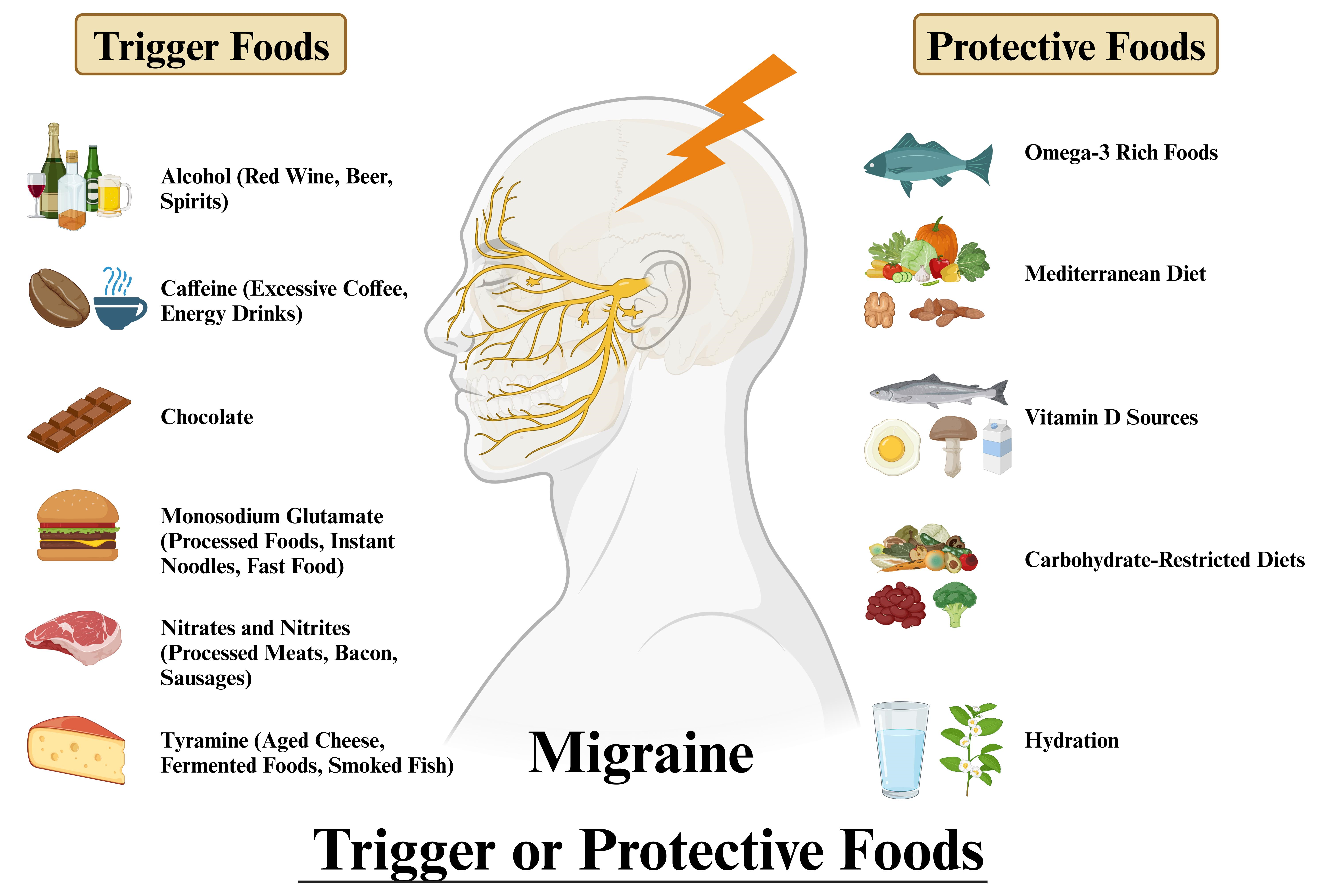
Certain foods can set off migraine attacks in people who are prone to them. Typical dietary triggers include chocolate, caffeine, and red wine.
Many factors can provoke a migraine episode, and what we eat and drink is often among them.
Per the Migraine Research Foundation, foods that provoke migraine might only do so when combined with other triggers. However, these combinations — and triggers in general — vary widely between individuals, which makes studying them challenging.
There is no single trigger that affects everyone. Still, certain common triggers can initiate or contribute to migraine episodes for some people.
1. Caffeine
Excessive caffeine intake and caffeine withdrawal may both provoke migraine or headaches.
However, the American Migraine Foundation notes that caffeine can actually help halt an impending migraine for some individuals. It may also provide headache relief when used intermittently.
Common sources of caffeine include:
- coffee
- tea
- chocolate
2. Artificial sweeteners
Many processed items include artificial sweeteners, which are sugar substitutes added to increase sweetness.
These sweetening agents can sometimes trigger migraine attacks. Aspartame, in particular, has been linked to triggering migraines in some people.
3. Alcohol
Alcohol is a commonly reported beverage trigger for migraine.
A 2018 study found that over 35% of participants with migraine identified alcohol as a frequent trigger.
Among those participants, 77% singled out red wine as a trigger.
The exact mechanism by which alcohol may provoke migraine is not clear, but current theory points to compounds in alcoholic drinks such as histamine and tyramine.
4. Chocolate
A 2020 review reported chocolate as a trigger for migraine in up to 33% of study participants.
Chocolate contains caffeine and beta-phenylethylamine, both of which may precipitate headaches in certain individuals.
5. Foods containing MSG
Monosodium glutamate (MSG) is the sodium salt of glutamic acid, a compound that naturally occurs in the human body.
MSG is present in some foods and commonly used as a flavor-enhancing additive. While it is generally regarded as safe, some researchers have associated it with migraine episodes.
Although MSG is frequently reported as a migraine trigger, clinical study outcomes are inconsistent. Further research is necessary to determine whether MSG truly provokes migraine attacks.
6. Cured meats
Cured meats — such as deli cuts, ham, hot dogs, and sausages — often contain preservatives known as nitrates, which help preserve color and flavor. These foods can release nitric oxide into the bloodstream, and nitric oxide is believed to dilate blood vessels in the brain.
There is some evidence that nitric oxide may play a role in triggering migraine attacks.
7. Aged cheeses
Aged cheeses have a compound called tyramine, which forms when bacteria break down proteins in food.
The longer a cheese is aged, the greater its tyramine content tends to be.
Tyramine has been associated with triggering headaches and migraine. Cheeses that commonly have higher tyramine levels include:
- feta
- blue cheese
- Parmesan
8. Fermented foods
Similar to aged cheeses, fermented foods can contain elevated levels of tyramine. Examples include:
- fermented pickles
- kimchi
- kombucha (which may also contain alcohol)
- soy sauce
- sauerkraut
9. Frozen foods
Very cold foods have been shown to trigger headaches in some individuals, though research specifically linking frozen foods to migraine is limited.
Treating migraine
Migraine treatment often involves a combination of prescription and over-the-counter (OTC) medications as well as complementary approaches.
For occasional headache or migraine pain, OTC options such as Excedrin Migraine can relieve pain. A clinician may also prescribe triptans to treat acute pain.
For frequent migraine episodes, a physician may recommend preventive medications. These can include beta-blockers, which reduce blood pressure and may lower the frequency of migraines.
Antidepressants are sometimes used for migraine prevention as well, even in patients without depression.
There is evidence that certain alternative therapies can help manage migraine. These include:
- massage therapy, which may reduce migraine frequency
- biofeedback, which trains you to recognize and control physical reactions to stress, such as muscle tension
- vitamin B2 (riboflavin), which can aid in preventing migraine episodes
- magnesium supplements if levels are low
Outlook and prevention
Migraine can be debilitating and disrupt daily life. However, lifestyle adjustments and habit changes can help reduce the likelihood of painful attacks.
Strategies to prevent migraine attacks include:
- eating regularly and avoiding skipped meals
- moderating caffeine consumption
- getting adequate sleep
- managing stress through yoga, mindfulness, or meditation
- reducing exposure to bright lights or direct sunlight, which can trigger migraines
- taking frequent breaks from screens
- trying an elimination diet to identify food sensitivities or intolerances that might trigger headaches






















Leave a Reply
You must be logged in to post a comment.