
First Glance, Big Ouch
You ever have one of those days where everything is going fine, then suddenly—ouch? It happened to me last summer. I was out in the garden, minding my own business, just trying to rescue a tomato… and bam, pain shoots up my forearm.
At first, I thought maybe it was a thorn, or I’d brushed up against something scratchy. Nope. It was a bee. Let’s talk about what does a bee sting look like—because, trust me, if you haven’t had one in a while, you might wonder if that little red spot is just a bug bite or something next-level.
Let’s Paint a (Itchy) Picture
So…What Are You Actually Looking For?
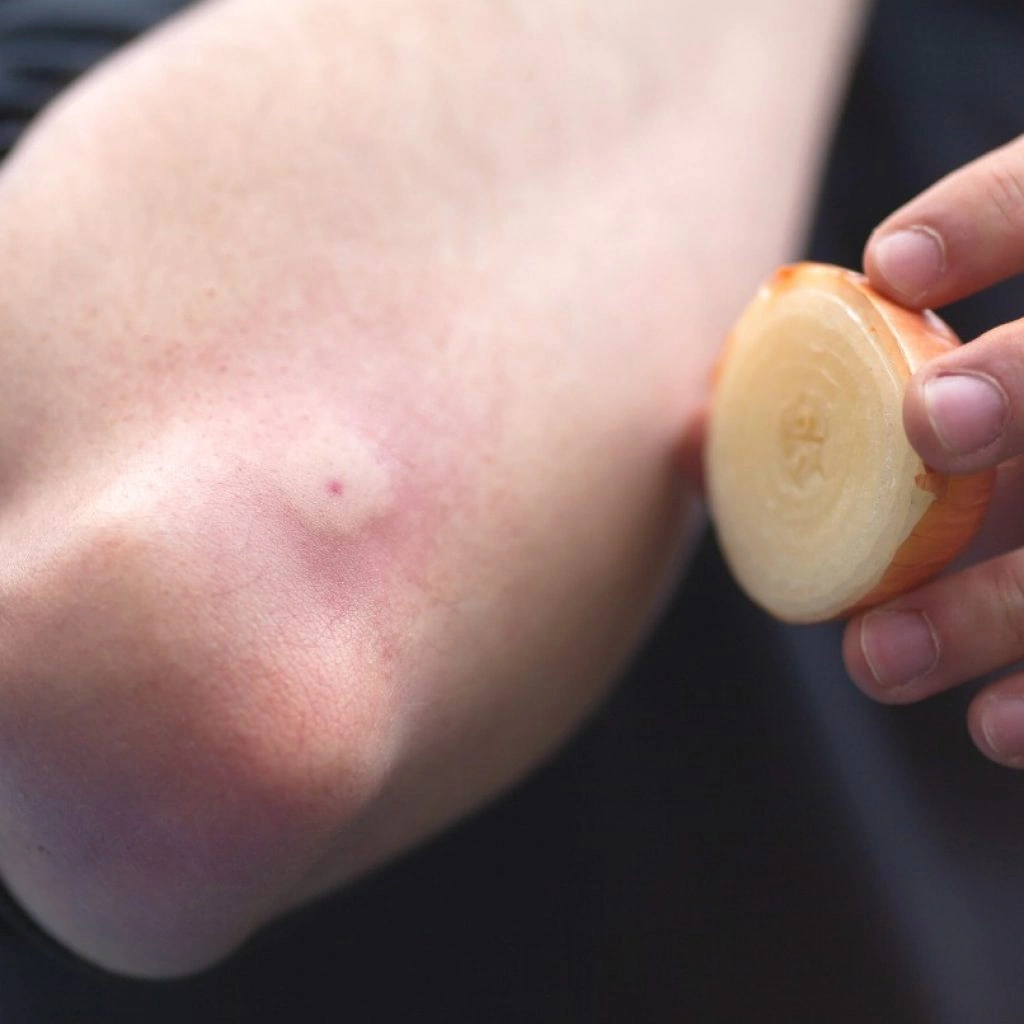
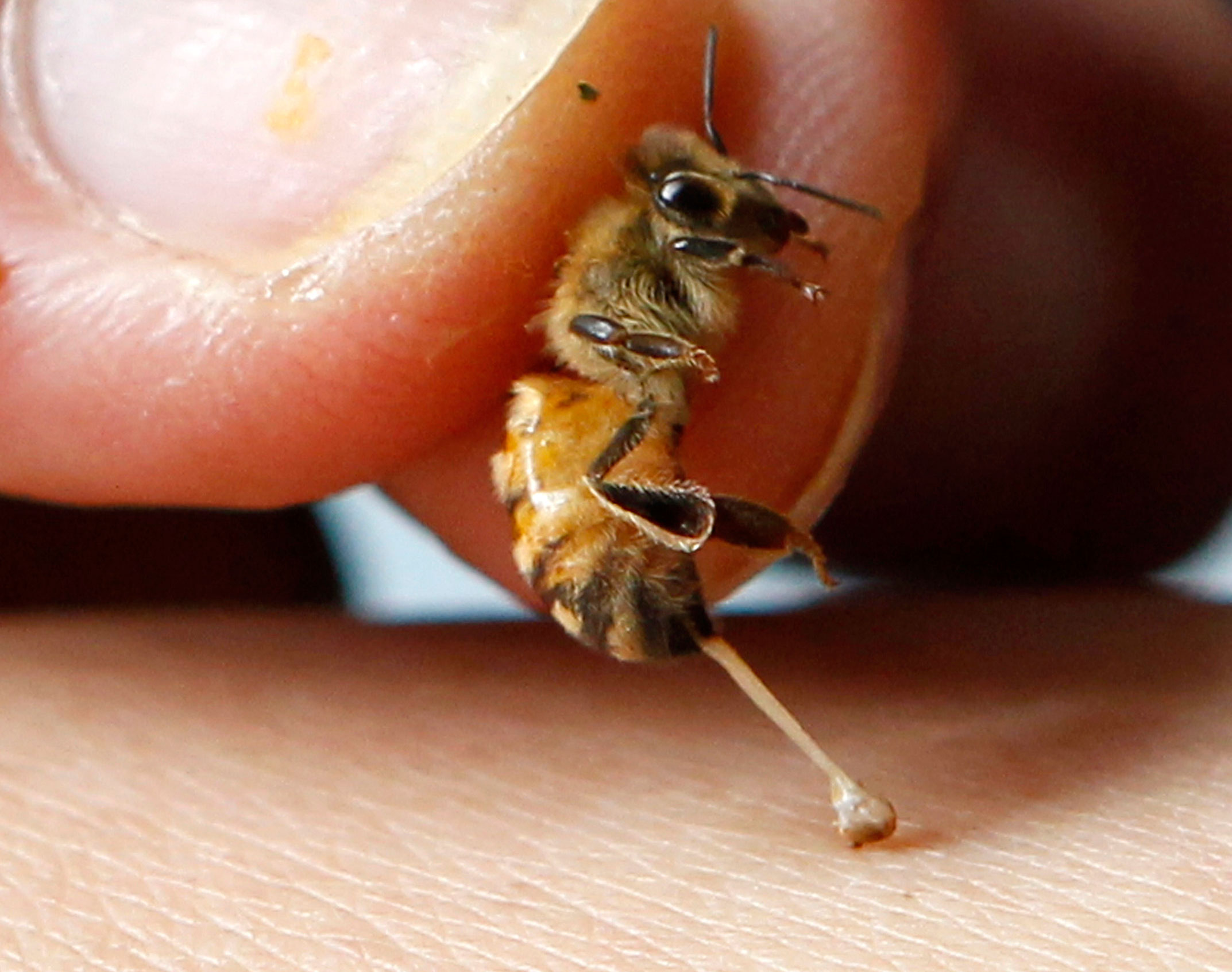
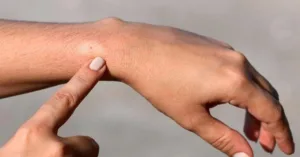
Here’s the scene: You feel a jab, then see a small pink or red bump starting to rise. If you’re lucky (or unlucky, depending how you see it), there’s a white-ish spot in the middle. That’s where the stinger made its grand entrance. Sometimes, the stinger is still sitting there, pulsing out venom like a tiny, angry straw.
And the area around it? Red, a bit puffy, and somehow both sore and itchy at the same time. According to the research on bee sting identification from Medical News Today, that redness and swelling? Totally classic. They say you can expect a little warmth, too—like your skin’s running a mini fever.
Comparing the Usual Suspects
| Bug | What it Looks Like | Itch, Swell, or Burn? |
|---|---|---|
| Bee | Red, raised bump, often a white center, maybe a stinger | Starts burning, then gets itchy, swells up for a day or two |
| Mosquito | Tiny raised bump, no center, no stinger | Itchy but not painful, swelling mild and short-lived |
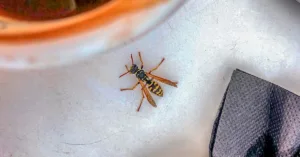
| Wasp | Flat or slightly raised, often smooth, can be red | Painful right away, less itch, no stuck stinger |
I actually once accused a mosquito of causing a massive welt on my leg, but nope… looked closer, found the stinger. My own little “well, that escalated quickly” moment. If you’re not sure, check out the helpful visuals on what does a bee sting look like. Seriously—it’s easier to spot the difference than you think after seeing a few examples.
But Wait, There’s Swelling
How Big Is Too Big?
My sister once got stung right on her ankle. Within a couple of hours, it looked like she’d borrowed an elephant’s foot.
If you’re thinking, “Okay, swelling is normal—right?” you’re totally on track. Sometimes it’s the size of a dime, sometimes a silver dollar. Now and then, it spreads up arms or legs. The weird part? It almost always looks worse than it feels after the first hour or so. Experts at the Cleveland Clinic say it isn’t unusual for swelling to increase for 24–48 hours before it starts to shrink (see their breakdown here).
Itching, Burning, and That Need to Scratch…
The aftermath isn’t just about how it looks (though, let’s be honest, it’s not the summer accessory we’d all pick). There’s this maddening urge to scratch—and the more you scratch, the puffier it gets. That’s your immune system trying to deal with the venom, by the way. (Thanks, immune system?)
Bees don’t hang around long after stinging. Honey bees leave their barbed stinger behind (which, awkwardly, kills them). If you spot it, try removing it quickly with a credit card edge or fingernail—don’t squeeze, or you’ll pump in more venom. Trust me, I once pinched the stinger while in a hurry—my reward? Double swelling. Learned my lesson!
A Quick Sidenote on Bee Venom
Want to know more about what happens after the sting? Head over to How long does bee venom stay in your system. They break down how and why the swelling (and itch) can drag on for days.
When Things Turn… Not So Normal
What If It’s Not Just a Red Spot?
Here’s where we get real—sometimes, what does a bee sting look like isn’t just “red and swollen.” For some people, the body rebels big time: hives popping up in random places, lips tingling, maybe even trouble breathing. If you notice a rash spreading, face puffing up, or you’re wheezing? Don’t wait. Get medical help now. Even if it feels dramatic. (Honestly, no one ever regrets being too cautious in these moments.)
Most of us, though, just ride out a bit of drama at the sting site—the swelling, the pink splotch, the urge to scratch until the cows come home. So if you’re reading this in the afterglow of a backyard bee ambush, take a deep breath. Your body’s doing its best.
What Does a Bee Sting Feel Like?
Pain, Itch, or All of the Above?
If you’ve never been stung (lucky!), here’s a play-by-play: A surprisingly sharp pain (maybe a yelp escapes your lips), followed by a slow burn that settles into a throbbing ache. Then, a few hours later, the area gets seriously itchy, maybe a little numb, and you’ll notice it’s swollen and tender. Sometimes it hurts to touch. Sometimes you’ll forget all about it until you bump into a table and—OW—there it is again.
Curiously, how your body reacts can change depending on where you’re stung, how many times, or even how you slept the night before. No two bee stings are ever quite identical (I know—I have a collection!).
The Ugly Truth: The Longer Story
Don’t Be Fooled by the Fade
Most bee stings start to calm down after a few hours. The redness might stick around for 2–3 days, while swelling can puff up for 2–7 days, according to the advice from HealthPartners. Sometimes the site goes from bright red to a faint pink or brown mark before it disappears entirely.
But every now and then, I’ll go to sleep thinking “phew, all better”—only to wake up with double the swelling. Turns out, reactions sometimes get worse overnight as your immune system kicks in. Still, most people bounce back quickly with the right TLC.
What About Kids?
Oh, kids! They’re magnets for bee stings—sticky fingers, no shoes, wandering into wildflowers. And their skin can swell and go cherry red in dramatic fashion. My nephew once got stung on his cheek, and for a whole afternoon he looked like a chipmunk storing away nuts for winter. Luckily, his mom knew to stay cool, add ice, and distract him with an ice pop. Swelling can look wild but usually fades after a few days.
Alright, What Now?
Got Stung? Cool, Here’s What You Do
You’ve ID’d the telltale red bump. Maybe you spotted the stinger. Here’s your at-home game plan:
- Remove the stinger as soon as you can (credit card trick for the win)
- Wash with soap and water
- Apply a cold pack or ice in a cloth for 15–20 minutes—the swelling hates this
- Try an antihistamine to tamp down itching, and hydrocortisone cream on the spot if needed
- If pain lingers, pop an over-the-counter pain reliever
Baking soda paste is my mom’s secret for calming down stings. And if you haven’t tried this old-school hack, well… it’s weirdly soothing.
How Long Is This Going to Last?
Most reactions die down in a couple of days. But when you get curious about why you’re still itchy half a week later, take a look at How long does bee venom stay in your system. Sometimes, your skin’s just stubborn. Or maybe you’re like me, and mosquito bites stick around for eons, too. A little patience, a lot of scratching (not that I recommend it!), and time usually does the trick.
A Little Prevention Goes a Long Way
No One Loves Surprise Stings
I learned the hard way that bees love soda cans and open toes. (Picture me, running across the lawn, clutching my foot and my dignity.) If you want to avoid being the next person Googling what does a bee sting look like, here’s what helps:
- Wear shoes outside, especially in grass or gardens
- Check before grabbing summer drinks or food—bees love sugar, too
- Skip the perfumes and scented lotions if you’re going outdoors
- Stay calm around bees—they’re mostly peaceful unless provoked
I used to flail like a windmill when a bee buzzed by (ask my family for the embarrassing YouTube evidence). Now, I try to stay zen—hands still, deep breath. It’s made a difference.
Remember, Not All Stings Are the Same
Multiple Stings = Big Deal
If a bee gets stuck in your shirt—or you stumble into a nest—you can get stung more than once. Multiple stings can cause much bigger reactions, especially for kids or anyone with heart or breathing issues. That’s a head-straight-to-the-doctor situation. No shame in it!
Need to Double-Check? Here’s Where to Look
For visual comparisons of what does a bee sting look like and how to tell wasp vs bee vs biting fly, I always recommend the breakdowns and photos available at what does a bee sting look like (the pics make it so much clearer than any text).
Closing Thoughts (While You’re Still Reading and Not Scratching)
I hope I’ve answered your “what does a bee sting look like” question with honesty and, maybe, a little humor. Bee stings are almost a summer rite of passage—annoying, sometimes painful, always memorable. For most of us, it’s a spot of redness, a little puff, a quick yelp, and a funny story for next year’s BBQ. But as you’ve learned, it’s always good to be able to tell the difference between “just a sting” and the rare emergencies.
So next time you (or your friends, or your curious kids) get a surprise sting, remember: check for the signs, treat the spot, watch for those big reactions, and—for real—don’t panic. Share your own bee sting stories in the comments, and let’s swap some summer survival tips. Thanks for hanging out (and not scratching too much) with me today! Stay curious, stay un-stung, and if you want to go deeper on the science, visit both what does a bee sting look like and How long does bee venom stay in your system. Who knew one little sting could teach us so much?













Leave a Reply
You must be logged in to post a comment.