

Antibiotics are drugs doctors use to treat bacterial illnesses such as ear infections, urinary tract infections, sinus infections, and bronchitis.
While effective, antibiotics can produce side effects. They commonly lead to gastrointestinal complaints like nausea, bloating, and diarrhea.
Additionally, certain antibiotics — notably tetracycline — have been associated with dental problems such as tooth staining.
Because of the potential for permanent discoloration, this medication is no longer given to specific groups of patients.
Here’s what you should know about tetracycline and how it can impact tooth color.
What is tetracycline?
Tetracycline is an antibiotic that has been on the market for over six decades. Like other antibiotics, it’s frequently used to treat bacterial infections as well as acne and travel-related diarrhea.
In the 1950s, physicians prescribed this drug broadly, including to children of all ages, for various infections.
Nowadays, however, it’s mainly prescribed to adults and children older than 8 years because it was found to cause tooth discoloration in young children.
Discoloration was seen in children exposed to the drug during pregnancy or breastfeeding, and also during the early phases of tooth formation.
This led to permanent stains developing within the teeth beneath the gum line or before the teeth emerged.
The first documented case of tooth discoloration in a child dates back to 1956, though some clinicians continued prescribing the drug to children into the 1980s.
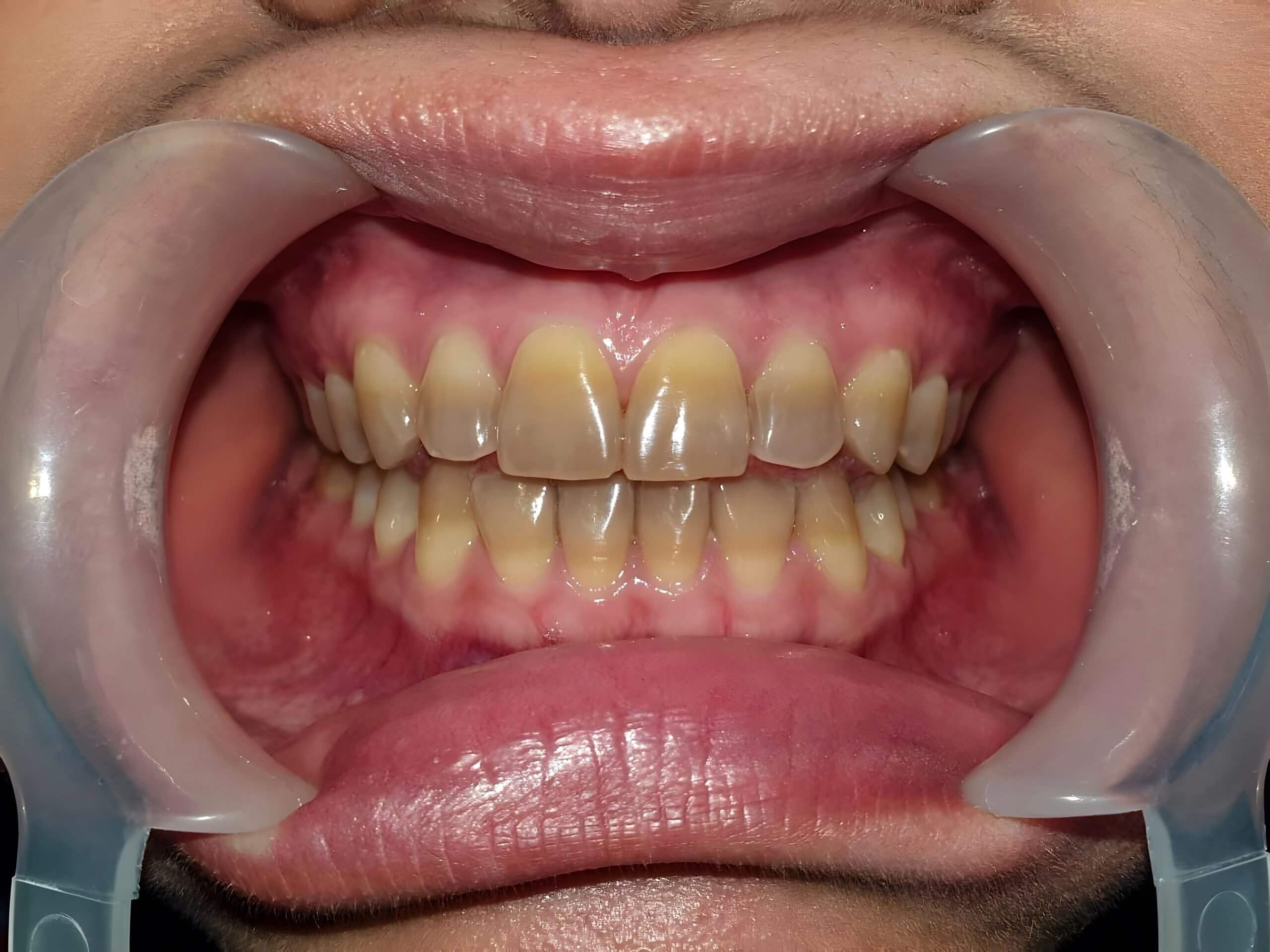
The medication produced gray, brown, or yellow staining that became incorporated into the enamel.
Because infants exposed to tetracycline in utero or while breastfeeding also showed stained teeth, the antibiotic is no longer recommended during pregnancy — especially in the second and third trimesters — or during lactation.
Tetracycline isn’t the only antibiotic that affects tooth color. Related drugs like doxycycline and minocycline can produce similar dental discoloration.
How does tetracycline affect teeth?
Although the drug affects areas beneath the gum line, what precisely causes the staining?
Put simply, discoloration happens when tetracycline binds to calcium involved in tooth formation. This takes place during tooth mineralization and calcification, creating intrinsic stains — that is, stains that form beneath the tooth surface.
This differs from stains caused by food or beverages, which accumulate on the surface of the tooth.
When a child’s newly erupted teeth are exposed to tetracycline, they often look fluorescent yellow. Exposure to sunlight, however, triggers a color change, and the teeth may become brownish or grayish over time.
Because sunlight influences the final shade, the front (anterior) teeth often show more pronounced discoloration. Molars at the back can be affected too, but usually to a lesser degree.
The severity of staining varies between children. How much discoloration occurs depends on the:
- duration of treatment
- dosage
- stage of tooth development when exposure happened
A child treated for a longer period and at higher doses is likelier to have more pronounced staining.
Some children exhibit mild changes — slightly yellow or light gray teeth. Others may develop darker yellow shades or teeth that look dark blue or deep gray.
Beyond altering tooth color, tetracycline exposure can also compromise enamel strength, increasing the risk of decay (cavities).
A cavity, which is a permanent defect in the tooth, requires a dental filling. To help protect enamel:
- Limit acidic drinks.
- Rinse your mouth with water after consuming acidic foods.
- Use fluoride-containing toothpaste and mouthwash to help remineralize teeth.
Can tetracycline stain adult teeth?
Yes. Some adults have experienced tooth staining after taking the antibiotic. The drug can interact with saliva to create dark spots on teeth.
The good news is that in adults these stains tend not to be permanent. Professional dental cleaning that includes abrasion can remove them.
What’s the best way to re-whiten teeth after tetracycline use?
Because tetracycline produces intrinsic staining — meaning the discoloration is within the enamel — traditional whitening may not fully eliminate it.
Whitening options exist, but they aren’t always successful and can take longer. For example, someone using an overnight bleaching tray for routine surface staining might see results in about six weeks.
However, whitening tetracycline-stained teeth might require up to 12 months to see noticeable lightening. Even after a year, teeth may still not reach a bright white appearance.
If bleaching does not achieve the desired outcome, discuss dental veneers with your dentist. Veneers are thin, tooth-colored shells bonded to the front of teeth to mask imperfections and discoloration.
They’re designed to mimic the look of natural teeth and can effectively cover deep stains.
Takeaway
Antibiotics can help fight infections, but certain ones may cause dental side effects.
Although tetracycline is no longer routinely prescribed during pregnancy, lactation, or to young children, past exposure can leave lasting tooth discoloration.
Depending on how extensive the staining is, whitening treatments might be effective. If they aren’t, consult your dentist about veneers as a restorative option for stained teeth.





















Leave a Reply
You must be logged in to post a comment.