
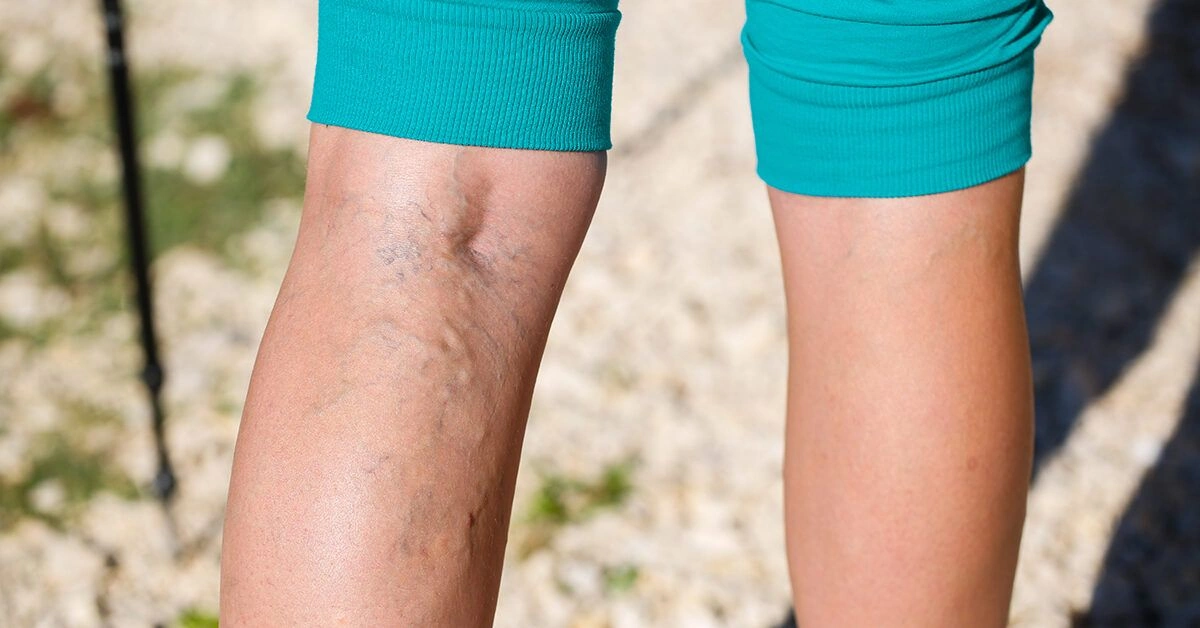
In many instances, prominent veins aren’t dangerous. Physical activity, high temperatures, sun exposure, and restrictive clothing can make veins stand out more. Aging, hereditary factors, and excess weight may also make them appear more pronounced.
Veins are vessels that return deoxygenated blood to the heart, unlike arteries that carry oxygen-rich blood away from the heart to the rest of the body.
People with lighter skin tones often notice veins more easily. Still, certain factors can intensify their color and size, making them more apparent.
For those with darker skin, the hue of veins may be harder to discern, though their bulk or prominence might still be seen if they become more evident.
Most reasons for visible veins are temporary and harmless, but some causes — such as blood clots — are urgent medical problems.
This article explains possible reasons for suddenly visible veins, outlines treatment choices, and indicates when to seek medical attention.
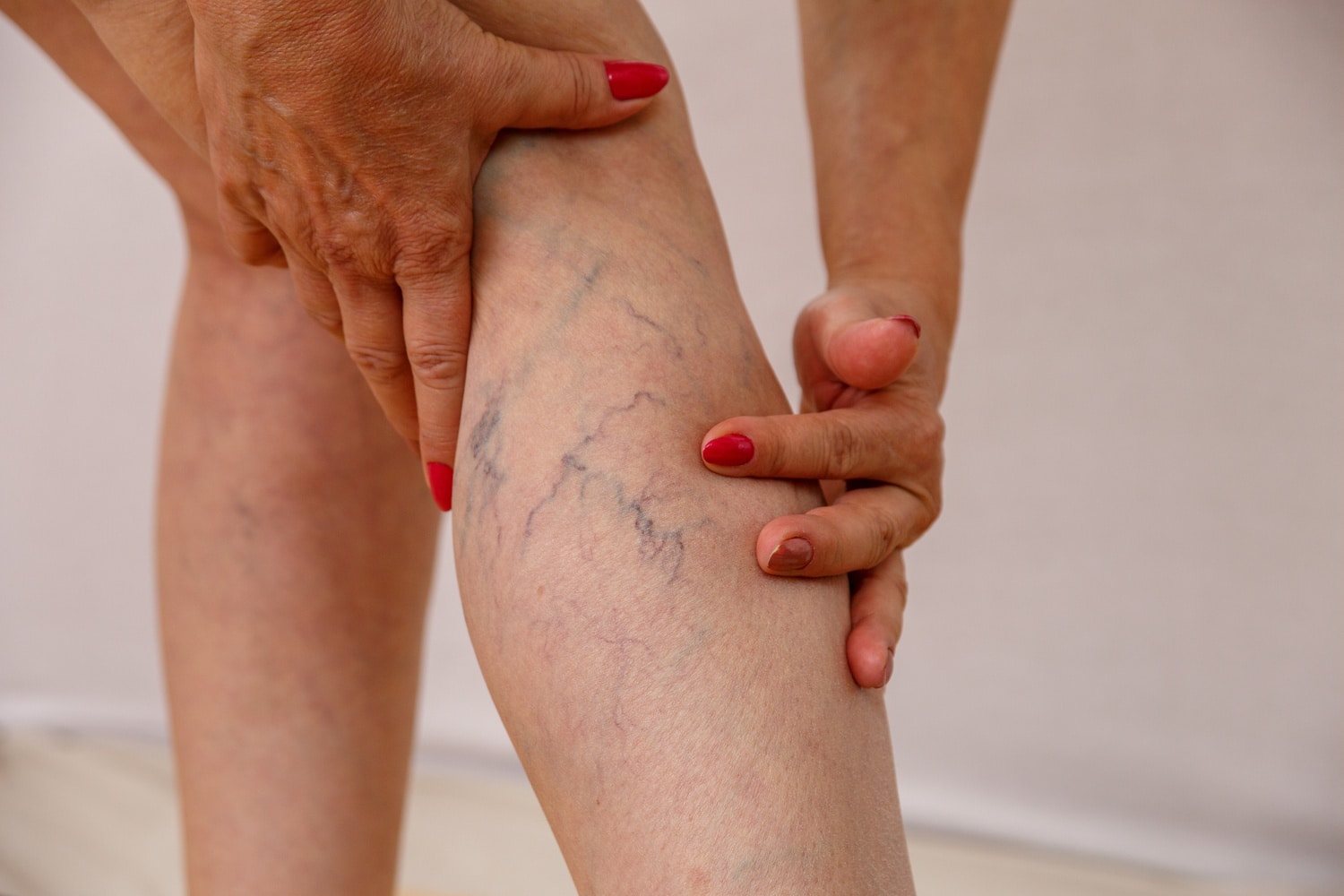
What makes veins appear more visible quickly?
Potential triggers for more noticeable veins include:
Exercise
During physical activity, blood pressure rises, which can dilate veins and make them more conspicuous.
Additionally, muscle contractions during exercise compress nearby veins — particularly during weight lifting — increasing their visibility.
Tight clothing
Snug garments can impede circulation. This may raise venous pressure and make veins more evident, commonly around the waist, thighs, and legs.
Weather
Warm weather also boosts blood flow through veins, enhancing their prominence.
Sun exposure
Collagen provides structural support to skin. Excessive sun exposure can degrade collagen under the skin, making veins easier to see.
Sitting or standing for a long time
Prolonged sitting or standing lets gravity pool blood in the legs, increasing pressure in leg veins and making them more defined.
Skin color
Fairer skin often makes vein color more visible.
Your weight
Carrying extra weight or having obesity places added strain on veins, which can accentuate their appearance, especially in the lower limbs.
Genetics
Visible veins can be hereditary. If relatives have prominent veins or vein-wall disorders, you may be more prone to them, too.
Hormonal changes
Hormone shifts can change how veins look. This includes:
- puberty
- menstrual cycles
- pregnancy
- oral contraceptives
- menopausal hormone therapy
During pregnancy specifically, the fetus can press on pelvic veins, raising pressure in veins of the thighs, buttocks, and legs.
Age
With aging, your skin produces less collagen and loses subcutaneous fat, which can make veins more prominent.
Drinking alcohol and smoking cigarettes
Alcohol can make prominent veins even more obvious by increasing heart rate and venous pressure.
Tobacco smoking damages vein walls, causing them to bulge and appear more visible. Long-term smoking can also thin the skin, exposing veins further.
Underlying medical conditions that cause swollen veins
Several medical issues may lead to enlarged veins.
- Varicose veins: These are chronically swollen, purple-toned veins that can be aggravated by factors like alcohol and prolonged standing.
- Chronic venous insufficiency: This occurs when vein valves don’t function properly, allowing blood to pool in the legs.
- Superficial thrombophlebitis: Inflammation and swelling of a vein near the skin, which may result from a superficial blood clot, trauma, cancer or certain cancer treatments, or long periods of immobility.
Straining on the toilet
Straining during bowel movements raises pressure on rectal veins and can lead to hemorrhoids, a form of varicose vein. Ongoing constipation increases abdominal pressure and can also boost pressure on nearby veins.
Blood clot
A clot in a vein can cause deep vein thrombosis (DVT), often in the legs. A clot may obstruct blood flow, elevating pressure and making the affected vein more apparent.
Medical emergencyIf the clot detaches, it can travel to the lungs and create a pulmonary embolism. Seek emergency care (call 911 or local emergency services) if you have: hard, swollen veins; pain or swelling in one leg; warmth in the painful leg; or darkened or red skin on the affected leg.
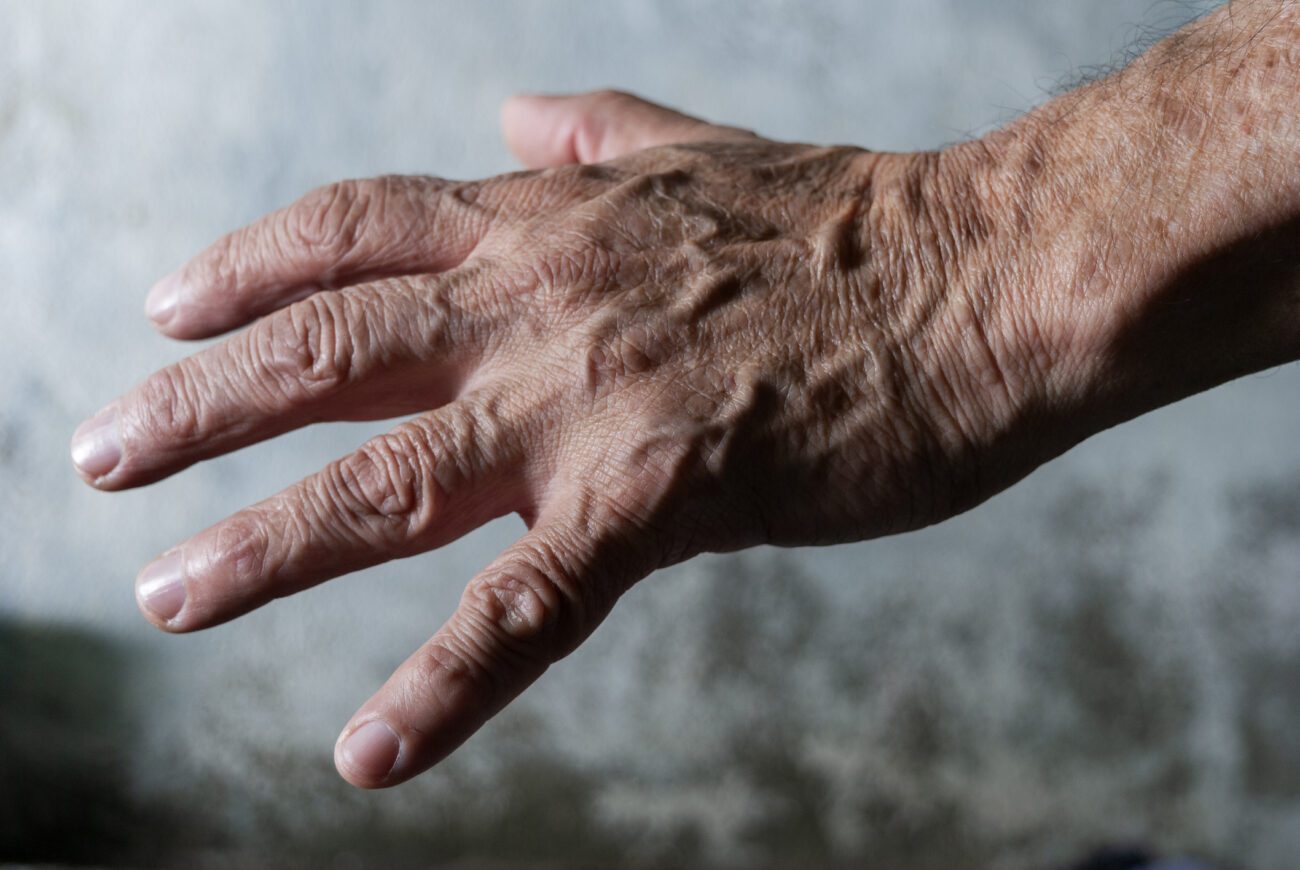
Why are my veins so visible in my hands?
Sudden swelling or prominence of hand veins may result from:
- letting your hand hang below heart level
- exercise
- hot weather
- sun exposure
- light skin tone
- aging
- hormonal shifts, including pregnancy
- genetics
- medical conditions that cause swollen veins
- blood clot in the hands or arms
Why are my veins so visible on my chest?
Chest veins can become suddenly prominent because of:
- exercise
- hot weather
- sun exposure
- tight clothing
- light skin tone
- aging
- hormonal changes, including pregnancy
- breastfeeding
- genetics
- medical conditions that cause swollen veins
What causes veins to be more visible in children?
In kids, visibly prominent veins may be caused by:
- exercise
- hot weather
- sun exposure
- tight clothing
- overweight or obesity
- light skin color
- hormonal changes (puberty)
- genetics
Other possible causes that affect both children and adults include:
- Scleroderma: A disorder that affects connective tissue and can produce spider veins along with scarring and ulcers.
- Klippel-Trenaunay syndrome: A rare congenital condition causing varicose veins in a limb, which may be larger or shorter than normal.
- Vascular Ehlers-Danlos syndrome: A connective tissue disorder that thins the skin and makes veins more visible; it may be less obvious in children with darker skin.
If you’re worried about a child’s veins, consult their pediatrician.
When should I see a doctor about suddenly visible veins?
Visit a healthcare provider if your veins remain prominent and you don’t know why. Seek prompt medical care if you have:
- prominent veins that are painful
- veins that are warm to the touch
- rashes, sores, or discoloration on your legs
- a bleeding vein
- trouble moving or performing daily tasks
Treating visible veins
If visible veins stem from nonmedical factors, management focuses on lifestyle adjustments. Suggested actions include:
- Exercise: Rest and take breaks.
- Hot weather or sun exposure: Move into shade and cool off.
- Tight clothing: Switch to looser-fitting garments.
- Prolonged sitting or standing: Change positions regularly to avoid long periods in one posture.
- Overweight or obesity: Work with a provider to develop a weight-loss plan.
Medical treatments for vein-related conditions include:
Compression stockings
Compression hosiery can enhance circulation in the legs and is often recommended for mild vein prominence.
Anticoagulant medication
If DVT is the cause, you may require anticoagulant (blood-thinning) therapy. A clinician may prescribe injections, oral medications, or both.
Nonsurgical procedures
Noninvasive treatments can include:
- Sclerotherapy: Injecting a solution that irritates and seals the vein, turning it into scar tissue so it fades.
- Closure system: Injecting an adhesive agent to seal the vein and stop blood flow, reducing visibility.
- Percutaneous laser therapy: Using laser energy or intense light pulses through the skin to close and fade the vein.
- Endovenous thermal therapy: Inserting a tiny probe into the vein to close it with heat, sealed by laser or radiofrequency energy.
Surgery
Large veins may require surgical intervention. Options include:
- Ambulatory phlebectomy: Removing superficial veins through tiny incisions using special hooks.
- Surgical ligation and stripping: Tying off the affected vein and removing it through small skin cuts.
Takeaway
Usually, visible veins are harmless. Activity, hot weather, sun exposure, and tight clothing can make them more noticeable, and aging, heredity, and excess weight can increase their prominence.
However, conditions that affect veins, such as blood clots and deep vein thrombosis, are more serious. If you suspect a blood clot, seek immediate medical attention.




















Leave a Reply
You must be logged in to post a comment.