

Although not perfect, hair testing for alcohol is a reliable method to determine whether someone has consumed alcohol over the past several months.
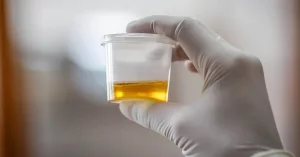
A hair alcohol test can reveal if a person has used alcohol in recent months. Blood and urine tests can serve the same purpose but only capture a much shorter timeframe — typically hours to days. Often, these methods are used together to create a fuller picture of a person’s alcohol intake.
:max_bytes(150000):strip_icc()/drug-and-alcohol-tests-for-employment-2060409_final1-5ba0049ac9e77c0050f054e3.png)
Hair testing for alcohol is employed for a variety of reasons. Compared with blood and urine analyses, hair provides a far longer retrospective window into drinking behavior.
For instance, results can indicate whether alcohol consumption was occasional or more consistent, suggesting problematic use or an alcohol use disorder. Hair analysis can also verify if someone has abstained from alcohol for several months.
That said, hair alcohol tests do have limitations and are not ideal for every scenario. Continue reading to learn more about how these tests operate and what they can and cannot tell you.
How accurate are hair tests for alcohol?
Hair alcohol tests are generally accurate, though false positives and false negatives can occur.
Alcohol does not clear from hair rapidly. Once alcohol is metabolized and deposited in the follicle and strand, traces can be detectable for months.
These tests search for ethyl glucuronide (EtG), a direct metabolite of alcohol. EtG is only present when someone has consumed alcohol or experienced elevated blood alcohol levels.
Research, however, shows the method isn’t flawless. Cosmetic processes such as bleaching or perming can alter results, and exposure to alcohol-based fragrances may also interfere.
Hair tests for alcohol are viewed as highly reliable, but examiners typically ask about hair-care routines and cosmetic treatments to assess the potential for misleading results.
What are the benefits of a hair alcohol test?
A hair test for alcohol can detect drinking over a far longer period than blood or urine tests, and it can reflect patterns of use during that period.
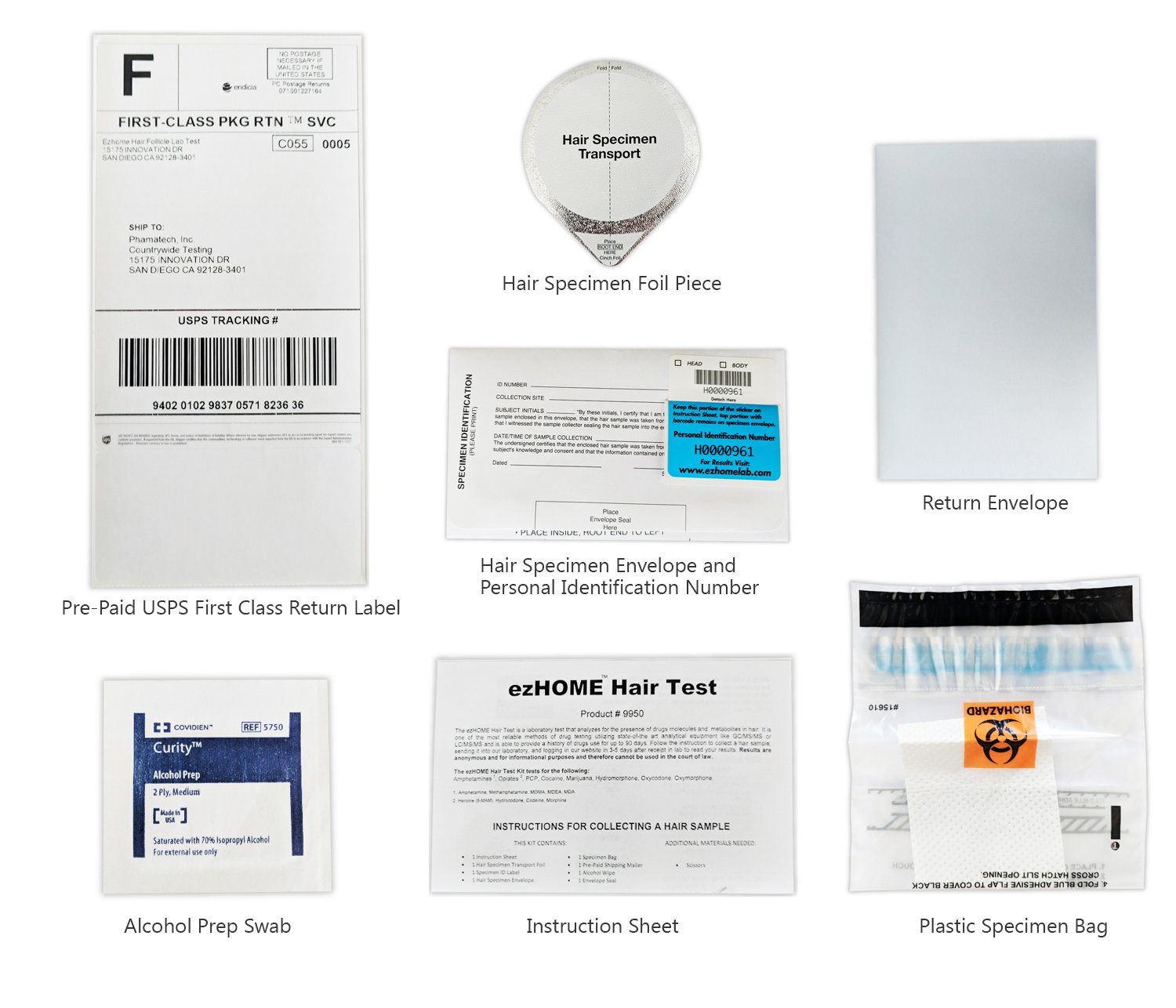
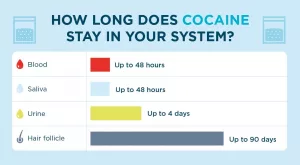
While blood, urine, and breath tests provide a short snapshot spanning hours or days, hair testing captures several months of consumption. This helps indicate whether someone’s drinking has increased or decreased over time and whether they have maintained prolonged abstinence.
Additionally, the procedure is straightforward. A small hair sample is required and can be collected quickly. Most often samples are taken from the scalp, though chest, underarm, or pubic hair may be used when necessary.
The Society of Hair Testing, an international organization offering guidance on drug testing in hair, has established recommendations for sample collection sites and handling procedures.
How long does alcohol show up in a hair strand test?
The detection window in a hair strand test depends on several variables.
Typically, alcohol will be detectable in hair for 1 to 6 months. It takes a few weeks after drinking for alcohol metabolites to appear in hair, after which they may be measurable for months.
In some rare situations, traces may be present for much longer, even years. However, since most people trim or cut their hair, practical detection is usually limited to about 3 to 6 months.
How much alcohol does it take to show up in a hair test?
Determining a precise amount that will trigger a positive hair test is challenging because alcohol metabolism varies by individual. Still, it doesn’t require much.
Low EtG levels can indicate social or recreational drinking — potentially as little as one or two drinks per week.
Conversely, higher EtG concentrations may reflect habitual drinking or suggest an alcohol use disorder. Even a single heavy drinking episode can produce EtG levels high enough to yield a positive result.
Takeaway
Hair testing can establish whether an individual has consumed alcohol over an extended period, typically detecting use from 1 to 6 months prior. Samples are most commonly taken from the scalp but can be collected from other body hair.
Although regarded as accurate, hair alcohol testing can be affected by factors that lead to false positives or negatives, such as certain hair treatments and products. For related information on testing methods and pre-procedure considerations, see a urine alcohol level chart and guidance on alcohol before surgery.











Leave a Reply
You must be logged in to post a comment.