

Monjuvi (tafasitamab-cxix) is a prescription medication used to treat diffuse large B-cell lymphoma. Like many medicines, Monjuvi can cause side effects that range from mild to severe. Common examples include diarrhea, cough, and fever.
Monjuvi is an immunotherapy that targets a form of blood cancer known as diffuse large B-cell lymphoma (DLBCL).
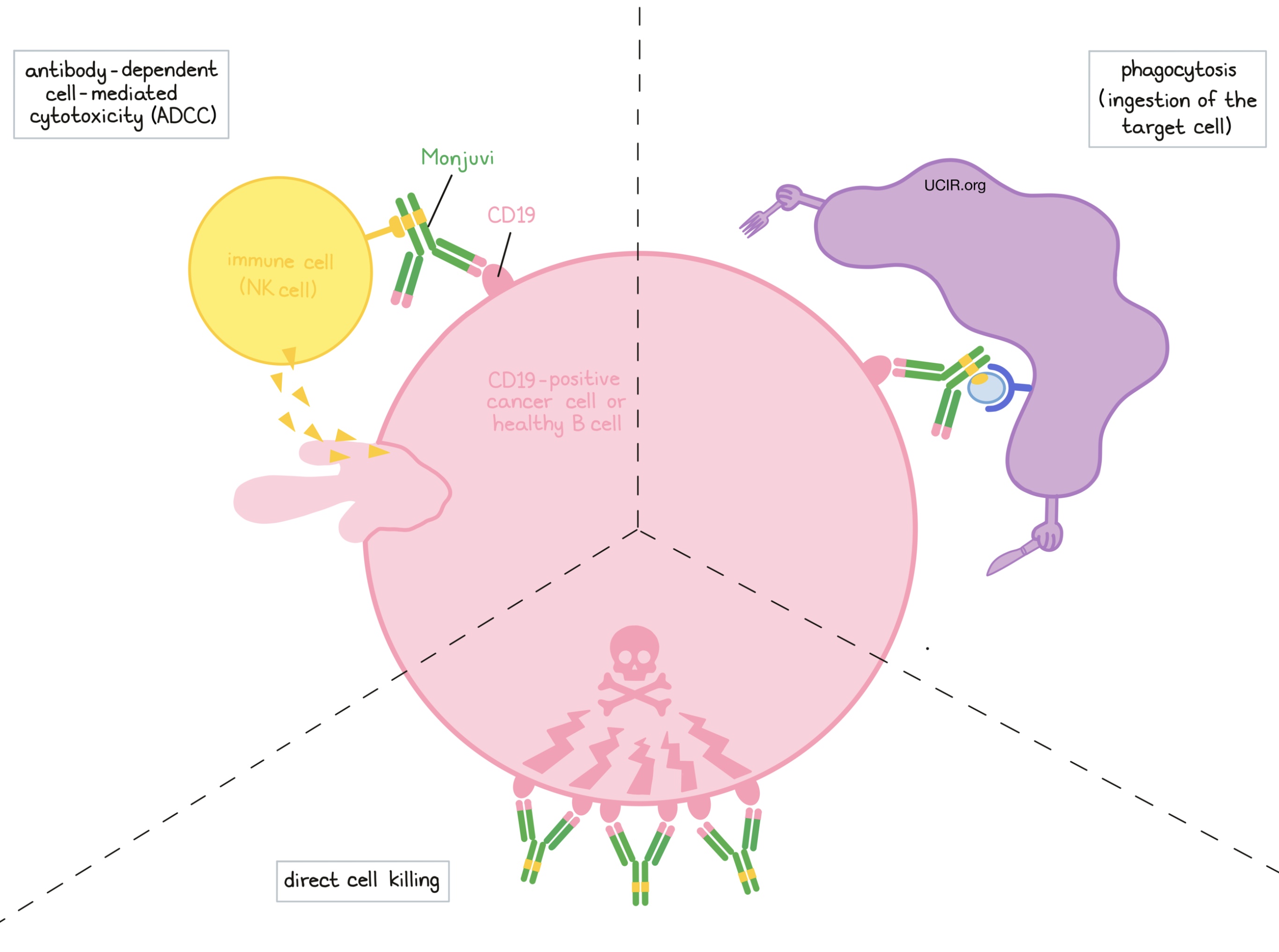
Monjuvi is given in combination with another drug called lenalidomide. This regimen is for adults with DLBCL that has returned or not responded to prior therapies and who are not eligible for a stem cell transplant.
This combination is typically taken for up to 12 treatment cycles. After that, most people continue receiving Monjuvi by itself.
The active component of Monjuvi is tafasitamab-cxix (the ingredient responsible for the drug’s effect). It is supplied as a powder that’s mixed with diluent to form a solution. A healthcare provider administers it as an intravenous (IV) infusion (an injection into a vein given over time).
Continue reading to learn about the common, mild, and serious side effects associated with Monjuvi.
Note: The suffix “-cxix” in the drug’s name indicates that this product is distinct from other biologic medications that might be developed later.
What are the more common side effects of Monjuvi?
Some people may have mild to severe side effects during Monjuvi therapy, though not everyone will. A few of the more commonly reported side effects in Monjuvi clinical studies include:
- cough
- fever
- fatigue (low energy)
- diarrhea
What are the mild side effects of Monjuvi?
Mild side effects that have been observed with Monjuvi include:
- weakness or fatigue (low energy)
- mild infusion reaction
- fever
- swelling of hands, fingers, legs, or feet
- diarrhea
- cough
- lung or urinary tract infections
- loss of appetite
- mild allergic reaction (see the “Side effects explained” section for details)
Note: An allergic reaction to Monjuvi is possible, but this was not observed in its clinical trials.
Often these side effects subside between Monjuvi infusions. Some may be managed by slowing the infusion or adjusting the dose. If symptoms persist or bother you, discuss them with your doctor or pharmacist. Do not stop Monjuvi unless your prescriber tells you to.
Monjuvi can cause additional mild side effects not listed here. See the drug’s prescribing information for more details.
What are the serious side effects of Monjuvi?
Serious adverse effects have been reported with Monjuvi. These include:
- low blood counts (red blood cells, white blood cells, platelets)
- infusion reactions
- life-threatening infections
Fatal adverse events occurred in about 5% of patients who received Monjuvi, including:
- cerebrovascular accident (stroke) (1.2%)
- respiratory failure (1.2%)
- progressive multifocal leukoencephalopathy (1.2%)
- sudden death (1.2%)
For further information about these and other serious effects, see the “Side effects explained” section below.
If you experience serious side effects while on Monjuvi, contact your doctor immediately. If symptoms appear life-threatening or you think you’re having a medical emergency, call 911 or your local emergency number right away.
Note: After the FDA approves a medication, it continues to monitor and review side effects. Reporting your experience can improve medication safety for others by supplying real-world data. If you have a side effect while taking Monjuvi and want to report it to the FDA, visit MedWatch or call 800-FDA-1088.
ALLERGIC REACTIONSome people may develop an allergic reaction to Monjuvi. While this was not reported in clinical trials, allergic reactions can range from mild to severe.Symptoms that may occurIf you have mild signs of an allergic reaction, for example a slight rash, contact your doctor promptly. They may recommend treatments to relieve symptoms and decide whether you should continue Monjuvi.If you have severe allergic symptoms, like swelling or breathing difficulty, call 911 or your local emergency services right away. These signs can be life threatening and need immediate care.If your doctor confirms a severe allergic reaction to Monjuvi, they may switch you to an alternative therapy.
FAQ about Monjuvi’s side effects
Answers to frequently asked questions about Monjuvi’s adverse effects.
Are Monjuvi’s side effects similar to those of Mounjaro, Ozempic, or Wegovy?
Although Monjuvi and Mounjaro sound somewhat alike, they treat different conditions.
- Monjuvi (tafasitamab-cxix) is used for a blood cancer called diffuse large B-cell lymphoma.
- Mounjaro (tirzepatide) and Ozempic (semaglutide) are for type 2 diabetes and for lowering the risk of related complications.
- Wegovy (semaglutide) contains the same active ingredient as Ozempic but is approved for weight management.
Some side effects overlap — for example, diarrhea and decreased appetite — but otherwise these drugs are used for distinct purposes. Because look-alike or sound-alike drug names can cause errors, take care.
When given a new prescription, ask for the full brand and generic name in writing, along with the condition it’s prescribed for. Speak with your pharmacist to confirm the medicine matches what your clinician intended.
Does Monjuvi cause long-term side effects?
It’s not known whether Monjuvi causes long-term adverse effects. None were reported in the drug’s clinical studies. If you’re worried about potential long-term effects, discuss your concerns with your doctor or pharmacist.
Can Monjuvi cause swelling in the arms and legs?
Yes. In trials, Monjuvi caused edema (fluid accumulation) in the arms, hands, legs, and feet. Ways to help reduce swelling include:
- walking
- regularly stretching the affected areas
- elevating your legs or arms while sitting or lying down
Your doctor might also recommend compression stockings or sleeves to control swelling.
If swelling becomes tight, weeps fluid, or shows red or discolored areas, contact your doctor right away. These signs could point to a blood clot or infection.
Will weakness and low energy resolve after Monjuvi treatment ends?
Generally, yes. Recovery times vary for each person. Fatigue may persist for 90 to 120 days after finishing treatment because bone marrow needs time to restore red and white blood cell counts.
Getting adequate rest, eating a balanced diet, and staying hydrated can support recovery after Monjuvi therapy.
Side effects explained
Additional detail on some potential side effects of Monjuvi.
Life-threatening infections
Occasional life-threatening infections were reported in Monjuvi studies. Signs of infection may include:
- fever
- chills or night sweats
- productive cough
- shortness of breath
- flu-like muscle aches
- pain or burning with urination
Factors that raise infection risk with Monjuvi include:
- very low white blood cell counts
- a history of frequent respiratory or urinary tract infections
- older age
What might help
If you show signs of infection while on Monjuvi, contact your doctor immediately. They will likely recommend prompt evaluation to determine whether antibiotics or treatments to increase white blood cells are needed.
Infusion reactions
Infusion reactions occurred occasionally in Monjuvi studies. Symptoms may include:
- chills
- flushing (temporary warmth, redness, or color change of the skin)
- rapid heartbeat
- sudden headache
- shortness of breath
- high blood pressure
These reactions are more likely during the first or second Monjuvi infusions.
What might help
If an infusion reaction occurs, the healthcare team can pause the infusion and resume it once symptoms improve. Your doctor may also give premedication before future infusions to reduce the chance of a reaction.
Allergic reaction
As with many medications, Monjuvi can cause allergic reactions in some people, though this was not seen in its clinical trials. Reactions can range from mild to severe and may include:
- skin rash
- itching
- flushing (temporary warmth, redness, or skin color change)
- swelling beneath the skin (often of eyelids, lips, hands, or feet)
- swelling of the mouth, tongue, or throat, which may impair breathing
What might help
For mild allergic symptoms, such as a minor rash, your doctor may suggest treatments like:
- an oral antihistamine (for example, Benadryl/diphenhydramine)
- a topical product such as hydrocortisone cream
Your clinician will decide whether to continue Monjuvi if a mild allergic reaction is confirmed.
Monjuvi is administered in infusion clinics or doctors’ offices, where staff have the medicines and equipment to treat severe allergic reactions quickly.
If you develop an allergic reaction after leaving the facility, contact your doctor right away. If you experience life-threatening symptoms, call 911 or your local emergency number.
If a serious allergic reaction to Monjuvi is confirmed, your doctor may switch you to a different therapy.
Keeping track of side effectsDuring Monjuvi treatment, consider recording any side effects you experience so you can share them with your doctor. This is especially useful when starting a new medication or combination therapy.Notes you take might include:what dose you were taking when the side effect beganhow soon the side effect started after that dosewhat the symptoms werehow the symptoms affected daily lifewhat other medicines you were takingany other relevant detailsSharing these notes with your clinician helps them understand how Monjuvi affects you and may guide adjustments to your treatment plan.
Warnings for Monjuvi
Important information to review before starting Monjuvi.
Warnings
Monjuvi can sometimes cause harmful effects in people with certain health issues. These are examples of drug-condition interactions. Other factors may also influence whether Monjuvi is an appropriate choice for you.
Discuss your medical history with your doctor before beginning Monjuvi. Tell them if any of the following apply to you:
- current or recent infection, including upper respiratory infection or urinary tract infection (UTI)
- low white blood cell, red blood cell, or platelet counts
- prior allergic or infusion reaction to Monjuvi
- pregnancy
- breastfeeding
Alcohol and Monjuvi
No known interactions between alcohol and Monjuvi have been identified. If you drink alcohol and have questions about consuming it during Monjuvi therapy, consult your doctor or pharmacist.
Pregnancy and breastfeeding with Monjuvi
Talk with your doctor if you are pregnant, breastfeeding, or planning pregnancy before starting Monjuvi.
Pregnancy
Monjuvi is not recommended during pregnancy because it may lower B cells in a fetus. In addition, Monjuvi should not be used with lenalidomide during pregnancy. Lenalidomide can cause serious fetal harm, including birth defects or death of an unborn baby.
If you can become pregnant, your doctor may advise frequent pregnancy testing and reliable contraception. They will likely recommend using birth control for 28 days before starting Monjuvi with lenalidomide and throughout treatment, and possibly for at least 3 months after Monjuvi therapy ends.
If you are pregnant or planning pregnancy, discuss treatment options with your doctor.
Breastfeeding
Do not breastfeed during Monjuvi treatment and for up to 3 months after stopping therapy. If you are breastfeeding or plan to, talk with your doctor about alternatives.
Disclaimer: Every effort has been made to ensure the information here is accurate, complete, and current. This article is not a substitute for the expertise of a licensed healthcare professional. Always consult your doctor or another qualified clinician before taking any medication. Drug information may change and does not cover all possible uses, directions, precautions, warnings, interactions, allergic reactions, or adverse effects. The absence of warnings does not mean that a drug or drug combination is safe or appropriate for every patient or situation.




















Leave a Reply
You must be logged in to post a comment.