
Key takeaways
- Acupuncture may help ease certain anxiety symptoms, but larger and more rigorous studies are still required to determine how effective it is for various anxiety disorders.
- To reduce potential risks, always choose a licensed acupuncturist who uses sterile, single-use needles; individuals with specific medical conditions should speak with a healthcare professional before beginning treatment.
- Acupuncture is usually delivered in a series of sessions, and improvements are often gradual rather than immediate.
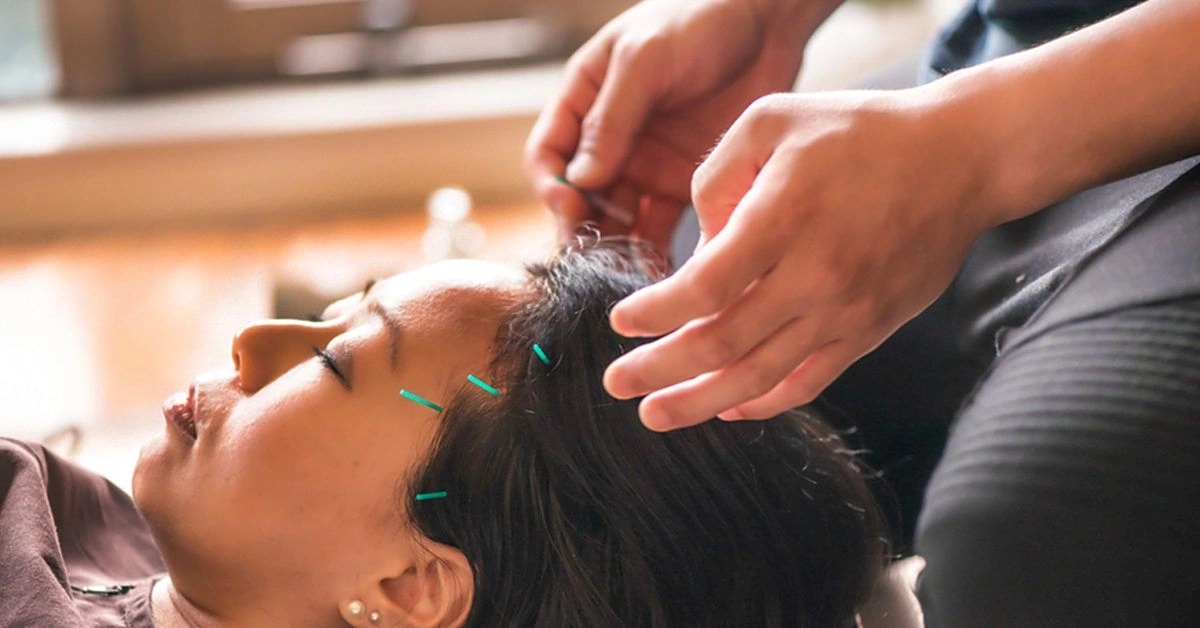
Acupuncture is a core practice in traditional Chinese medicine that involves inserting very thin needles into specific pressure points on the body. Many people turn to it as a complementary therapy for stress-related concerns and often ask, How do you know if acupuncture is working for anxiety symptoms?

There is some scientific support suggesting that acupuncture may relieve certain symptoms associated with anxiety. However, researchers are still working to clarify how acupuncture affects particular anxiety-related conditions, including:
- panic attacks
- post-traumatic stress disorder
- obsessive-compulsive disorder
Below, we explore the potential benefits of acupuncture for anxiety, important safety considerations, and how to locate a qualified licensed acupuncturist.
What are the possible benefits of acupuncture for anxiety?
Scientific investigation into acupuncture as a treatment for anxiety continues to evolve. Earlier findings, as outlined by the National Center for Complementary and Integrative Health (NCCIH), indicated a possible reduction in anxiety symptoms. Still, many of those studies included small participant groups, and although they were generally well designed, larger trials are needed to confirm consistent benefits.
A 2021 review of research reported that acupuncture appeared to lower preoperative anxiety in individuals scheduled for surgery. This suggests that acupuncture may have a calming effect in acute stress situations, particularly before medical procedures.
Another 2021 research review evaluated acupuncture for generalized anxiety disorder. The studies analyzed suggested a possible advantage compared with other interventions, which differed across trials and included anti-anxiety medications, other Chinese traditional medicine therapies, and sham acupuncture. However, the authors noted that most studies were conducted in China and published in Chinese, where acupuncture is widely accepted for treating health concerns. They also highlighted the possibility of language bias when interpreting pooled results.
A 2022 review of research echoed these findings, pointing out potential benefits while emphasizing the need for larger, higher-quality clinical trials to better evaluate acupuncture for generalized anxiety disorder and other anxiety-related conditions.
Overall, the precise biological mechanisms behind acupuncture are not fully defined. Researchers theorize that it may stimulate certain nerves, influence the nervous system, and regulate other body systems involved in stress responses. Some evidence also suggests that nonspecific factors—such as the therapeutic environment, patient expectations, or the practitioner-patient interaction—may contribute to its observed effects.
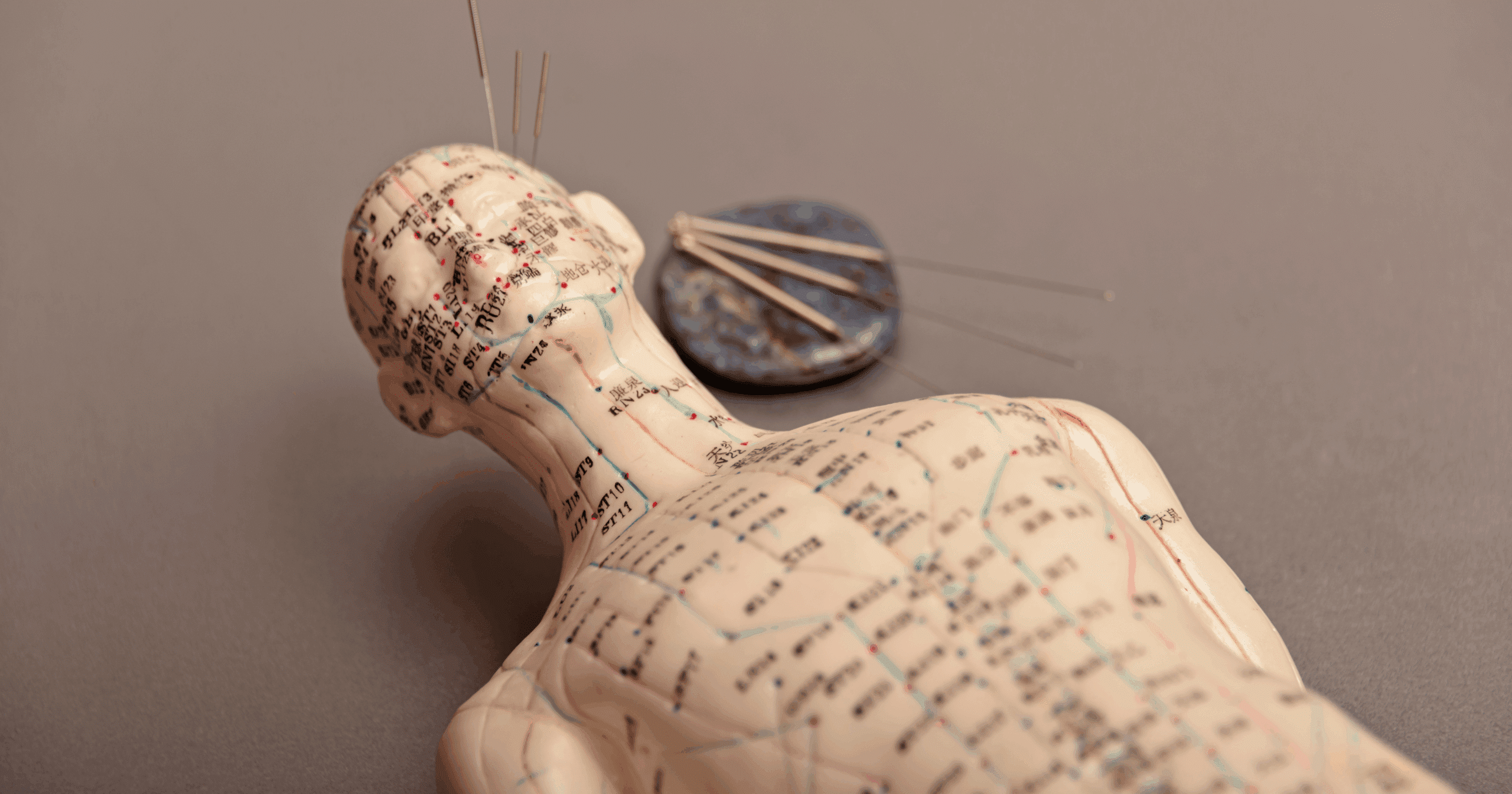
For individuals wondering, How do you know if acupuncture is working for anxiety, the answer may involve gradual changes. You might notice improved sleep quality, a calmer mood, reduced muscle tension, or fewer episodes of heightened worry over several sessions. These subtle improvements can signal that your body is responding to treatment, even if changes are not dramatic at first.
While more data is needed to fully understand how acupuncture influences anxiety, panic attacks, and phobias, current research indicates that it may be a safe complementary approach for some people when performed correctly.
The NCCIH is currently funding additional studies, including research on a portable acupuncture-based nerve stimulation device designed to evaluate its potential benefits for anxiety.
Learn more about how acupuncture may work within the body and support stress regulation.
Are there any risks to getting acupuncture for anxiety?
Acupuncture is generally considered low risk and is unlikely to worsen anxiety. Still, like any medical or complementary therapy, it carries some potential side effects and complications.
You can significantly reduce these risks by choosing a licensed acupuncturist. In the United States, licensing requirements differ by state, but most practitioners must pass an examination administered by the National Certification Commission for Acupuncture and Oriental Medicine (NCCAOM). You can verify credentials through the NCCAOM website.
The most common side effect is mild soreness at the needle insertion sites, which usually resolves within a few hours. Minor bruising may also occur. Some individuals experience a brief pinprick sensation during insertion.
Licensed practitioners in the U.S. are required to use sterile, disposable needles. Infection risk increases if proper sterilization practices are not followed.
People with certain medical conditions should consult a healthcare professional before starting acupuncture. This includes individuals who:
- have a pacemaker
- have a bleeding condition, such as hemophilia
- are pregnant
It is also wise to consider both benefits and potential drawbacks before beginning treatment. You can review the Disadvantages of acupuncture and learn about possible long-term side effects of acupuncture to make an informed decision.
If you are currently receiving treatment for anxiety—such as therapy or prescribed medications—continue following your provider’s recommendations. Do not stop taking any prescribed medication without first consulting your doctor.
Some medications used for mental health conditions can lead to serious side effects if discontinued abruptly. If you and your doctor decide to stop a medication, develop a gradual tapering plan to reduce potential withdrawal symptoms.
What to expect from acupuncture for anxiety
At your initial visit, the acupuncturist will usually ask detailed questions about the anxiety symptoms you are experiencing. If you are trying to determine How do you know if acupuncture is working, establishing a clear baseline of your symptoms can help track progress over time.
You may also be asked about:
- any medications you are taking
- your past and current medical history
- other physical or mental health concerns
This is a good opportunity to discuss expectations, the number of sessions typically recommended, and any concerns you may have about safety or effectiveness.
During treatment, the acupuncturist inserts thin needles into targeted pressure points on the body. Depending on the areas selected, the insertion process may take 10 to 30 minutes. In some cases, the practitioner may gently rotate the needles or apply a mild electrical pulse. The needles are often left in place for up to 40 minutes before being carefully removed.

Most people do not experience immediate relief after a single session. Acupuncture is commonly delivered as a series of treatments. While some individuals report early improvements, many observe gradual and cumulative benefits over multiple visits. Tracking changes in mood, sleep, stress tolerance, and physical tension can help you assess whether the therapy is having a positive impact.
Before scheduling sessions, clarify the financial details. Some health insurance plans provide coverage for acupuncture related to medical or mental health conditions, including anxiety, while others do not. Additionally, certain acupuncturists may not accept insurance, so confirm payment policies in advance.
The bottom line
Acupuncture may represent a low risk complementary option for managing anxiety symptoms. Although additional high-quality research is necessary, existing evidence suggests it could help reduce certain aspects of anxiety for some individuals.
To support safety and effectiveness, choose a properly trained and licensed acupuncturist in your state. Confirm that they are registered with the appropriate state health board. Continue any other anxiety treatments you are using, such as psychotherapy or medication management.
You might also consider integrating other supportive strategies—such as relaxation techniques, regular exercise, and meditation—to manage stress and promote overall well-being. A comprehensive approach that combines professional care with healthy lifestyle habits may offer the greatest benefit for long-term anxiety management.














Leave a Reply
You must be logged in to post a comment.