Purple Stretch Marks

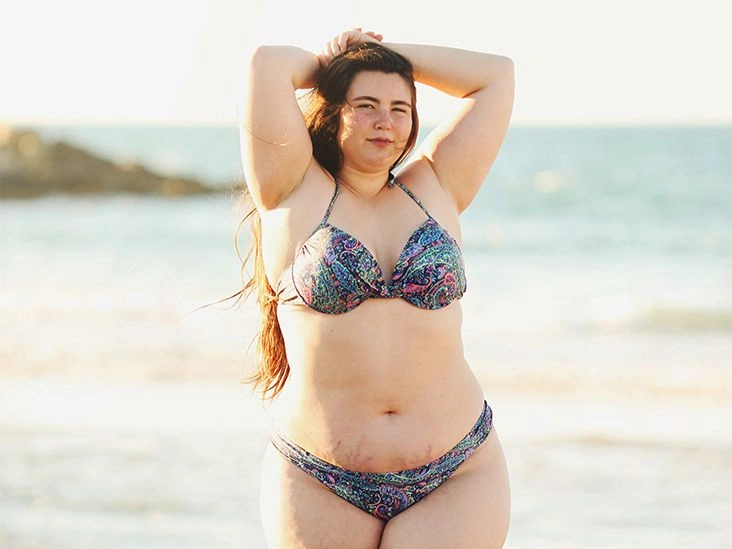
If you have stretch marks, you’re far from alone. A 2013 study in the Journal of Investigative Dermatology reported that between 50% and 80% of people develop stretch marks.
Stretch marks can show up in different hues depending on the person. The American Academy of Dermatology notes that their shade is influenced by your skin tone. They may look:
- red
- purple
- blue
- black
- brown
How do purple stretch marks form?
Stretch marks, or striae, are a type of scar that develop when skin is stretched and thinned, causing elastic fibers to rupture.

Common triggers for stretch marks include:
- rapid weight gain or loss
- pregnancy
- fast growth, such as during adolescence
- quick muscle enlargement, for instance from strength training
Long-term use of corticosteroids and certain medical disorders, like Cushing’s disease and Marfan syndrome, are also linked to stretch marks.
Darker stretch marks, including purple ones, are usually newer. Left untreated, they generally fade to white or silvery tones over time.
Where do stretch marks most often appear?
The Cleveland Clinic lists the most frequent sites for stretch marks as:
- abdomen
- breasts
- buttocks
- lower back
- hips
- thighs
- upper arms
Treating stretch marks
Stretch marks rarely need medical care. They are not harmful, and though they may begin as dark purple or red lines, they commonly lighten with time.

If you want to explore options to improve their appearance, speak with a dermatologist or your primary care provider.
Typical treatments used for stretch marks include:
- Retinoid creams. Examples include tretinoin (Avita, Retin-A, Renova), which is often applied to relatively recent stretch marks. Pregnant people are usually advised to avoid retinoids and use alternative therapies.
- Microdermabrasion. This minimally invasive technique sands away the skin’s outer layer to encourage new, potentially more elastic skin to form.
- Chemical peels. These procedures, sometimes using agents like trichloroacetic acid, strip the top skin layers to promote fresh skin growth.
- Light and laser treatments. Dermatologists may recommend various laser or light therapies, such as pulsed-dye laser, which can stimulate collagen or elastin production in the skin.
The Mayo Clinic notes that while these approaches may enhance the look and texture of stretch marks, they’re unlikely to remove them entirely.
No single therapy has been definitively shown to outperform the others.
Home remedies
Many over-the-counter products—like glycolic acid, vitamin E, and cocoa butter—claim to reduce stretch marks of various colors.
Although these items are generally safe for the skin, the Mayo Clinic says they probably won’t completely eliminate stretch marks.
Current research does not support that applying lotions, oils, or creams can reliably prevent or remove stretch marks.
Who is more likely to get stretch marks?
Anyone can develop stretch marks, but the risk is higher if:
- you are female
- there is a family history of stretch marks
- you are overweight or have obesity
- you are pregnant
- you experience sudden weight gain or loss
- you use corticosteroid medications
- you have a disorder such as Marfan syndrome or Cushing’s syndrome
Takeaway
While purple stretch marks are harmless physically, they can cause distress and impact quality of life.
If your stretch marks bother you or lower your self-confidence, consult your doctor or a dermatologist. They can recommend products or treatments that may reduce their visibility.
At present, there is no treatment that will make stretch marks vanish completely.
Frequently Asked Questions
Purple stretch marks form when skin is stretched quickly, causing tears in the dermal layer and discoloration due to inflammation and blood vessel visibility. Common triggers include rapid weight change, pregnancy, growth spurts, and quick muscle gain.
Purple stretch marks often fade over time to lighter, silvery tones, but they may not disappear completely. Treatments can reduce their visibility but typically don’t remove them entirely.
Options include topical retinoids (not for use in pregnancy), microdermabrasion, chemical peels, and various laser or light therapies. Results vary and no single treatment guarantees complete removal.
Over-the-counter lotions, oils, and ingredients like vitamin E or glycolic acid may improve skin appearance but current evidence does not reliably support prevention or full removal of stretch marks.
See a dermatologist if stretch marks cause distress, change rapidly, or you want professional advice on treatments tailored to your skin type and medical history.
Read Next

What’s the Best Antiseptic for Open Wounds? Iodine, Peroxides, and More

Calorie Counts for Fried Rice: Vegetable, Beef, Chicken, Pork, and Shrimp

Chickpea Allergy: What You Need to Know

12 Bench Press Alternatives to Build Size and Strength
Proper Dosage for Botox Treatment on the Forehead, Eyes, and Glabella

Remedios naturales para colitis ulcerosa: Dieta, suplementos y más
Related Posts

How to Remove and Prevent Moths in Your Home
Aug 16, 2026 • 21 min read
Why Is My Sweat Salty? The Science Behind Sweat
Aug 27, 2026 • 13 min read
What Causes Peau D’Orange?
Aug 23, 2026 • 35 min read
What Are Skin Neoplasms?
Aug 2, 2026 • 3 min read
What You Need to Know About Vacuum-Assisted Wound Closure (VAC)
Jul 31, 2026 • 20 min read