
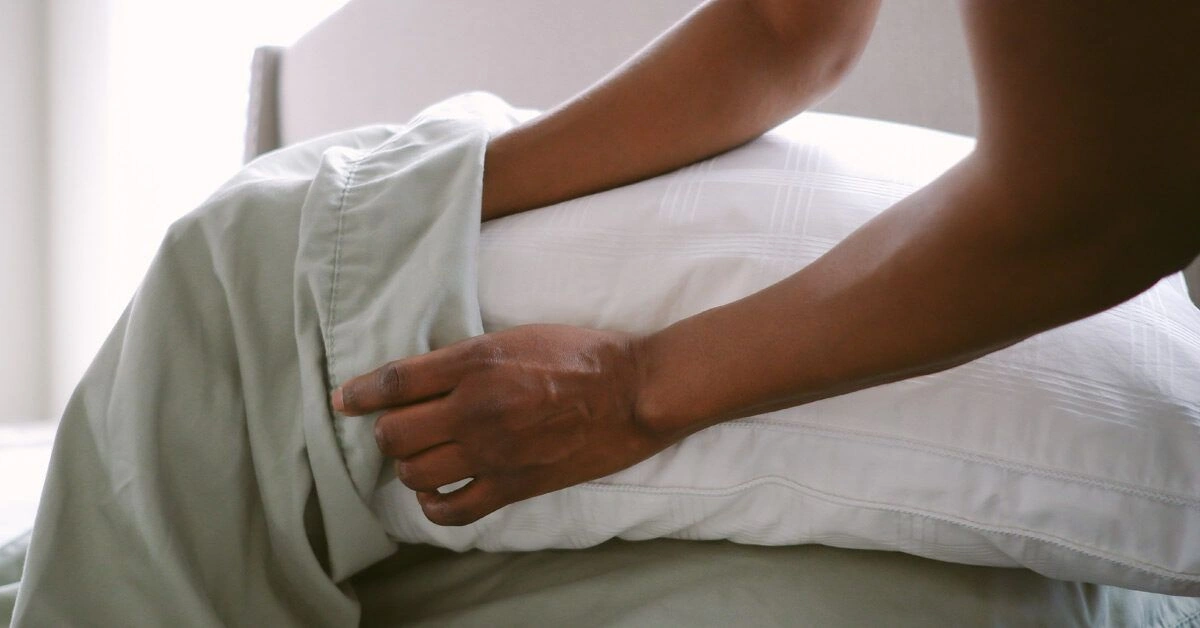
Bedbugs are notoriously difficult to eliminate, and finding the Strongest bed Bug Killer often requires combining several proven strategies. After identifying and isolating all affected areas, you can use a blend of chemical and non-chemical methods to fully eradicate these persistent pests.
A bedbug (Cimex species) infestation can be challenging to manage independently and may take several weeks to months to resolve completely.
The Centers for Disease Control and Prevention (CDC) recommends working with professional pest control services to eliminate a bedbug infestation. Even when professionals are involved, successful removal usually requires multiple treatment stages and a combination of chemical and non-chemical interventions.
Can you get rid of bedbugs on your own?
It is possible to eliminate bedbugs without hiring a professional, but realistic expectations are important. Achieving results with even the Strongest bed Bug Killer products can take persistence, time, and careful planning. Larger infestations often require repeated applications and an integrated pest management approach.
Several factors can make bedbug removal more complicated. You may face greater difficulty if you:
- have excessive clutter that creates hiding spots
- live in a multi-unit building where neighboring units also have bedbugs
- travel frequently and unintentionally bring bedbugs home in your luggage
If DIY efforts fail, consulting a licensed exterminator may be necessary. Below is a detailed, step-by-step guide to help you eliminate bedbugs effectively.
Step 1: Identify all infested areas
Treating a minor infestation is generally easier and more affordable than addressing a widespread one. However, smaller infestations are often harder to detect. In many cases, people notice bedbug bites before they ever see the insects themselves.
Bedbugs measure approximately 5 millimeters in length—smaller than a pencil eraser. They reproduce rapidly and can survive for months between blood meals. A single female may lay up to 500 eggs in her lifetime.
Because of their flat, narrow bodies, bedbugs can hide in extremely tight spaces, including mattress seams, couch creases, and curtain folds.
Inspect carefully in the following areas:
- around mattress and box spring tags
- within cracks of the bed frame and headboard
- along baseboards
- between couch cushions
- inside joints of furniture
- within electrical outlets
- behind loose wallpaper
- behind wall hangings and posters
- where wallpaper meets the ceiling
Use a flashlight and magnifying glass to thoroughly inspect each location.
Signs of bedbugs include:
- live bedbugs, reddish in color and about 1/4-inch long
- dark droppings resembling small ink dots
- reddish stains on mattresses from crushed insects
- tiny pale yellow eggs, eggshells, and shed exoskeletons
If you are uncertain about the insect you’ve found, place it in a sealed jar and consult an exterminator or entomologist for accurate identification. Other insects can closely resemble bedbugs.
Step 2: Contain the infestation
After confirming a bedbug infestation, immediate containment is essential. Vacuum all potential hiding places to reduce the population quickly.
Focus on your:
- bed
- dresser
- carpets
- electronics, including televisions
Seal vacuum contents in a plastic bag and discard promptly. Clean the vacuum thoroughly afterward. Using high-heat steam cleaning can also help penetrate cracks and crevices.
Place linens and infested clothing in airtight plastic bags until laundering. Wash and dry them using the highest temperature settings available. If an item cannot be washed, dry it on high heat for at least 30 minutes.
Items unsuitable for washing or drying should remain sealed in plastic bags for several months—up to a year if possible—to ensure all bedbugs are dead.
If furniture cannot be safely treated, dispose of it responsibly. Damage it first and clearly label it with “bedbugs” to prevent reuse.
Step 3: Prep for bedbug treatment
Preparation significantly improves the effectiveness of any Strongest bed Bug Killer strategy. Ensure all washable materials have been cleaned or discarded as outlined in Step 2.
Reduce clutter where bedbugs can hide:
- Remove books, magazines, clothing, and miscellaneous items from floors and under beds.
- Discard unnecessary belongings.
- Avoid transferring items from infested rooms to clean areas.
Seal potential entry points:
- Secure loose wallpaper with adhesive.
- Caulk cracks in furniture and along baseboards.
- Cover open electrical outlets.
- Install bedbug-proof encasements on mattresses and box springs.
Step 4: Kill the bedbugs
Before turning to chemicals, you may attempt non-chemical solutions. Bedbugs are susceptible to extreme heat and cold. Exposure to 115°F (46.11°C) or higher temperatures, or 32°F (0°C) and below, can be lethal.
- Wash bedding and clothing in hot water for 30 minutes, then dry on the highest heat setting for 30 minutes.
- Use a steamer on mattresses, upholstered furniture, and hiding spots.
- Seal infested items in black bags and leave outdoors on a day reaching 120°F (49°C) or inside a closed vehicle for at least 90 minutes.
- Freeze items at 0°F (-19°C) for a minimum of 4 days.
After removing visible bedbugs, encase mattresses and box springs in zippered, bedbug-proof covers. This traps remaining insects and prevents new ones from entering.
If non-chemical approaches are insufficient, insecticides may be necessary. Many people also consider targeted products such as Bed Bug spray or retail options like Bed Bug Spray Walmart as part of an integrated treatment plan.
:max_bytes(150000):strip_icc()/OrthoHomeDefenseMaxBedBugKiller-3292b8452dbb45caa0f4e26822fe4a7d.jpg)
Non-chemical and chemical treatments
Insecticides can support elimination efforts. Choose products registered with the U.S. Environmental Protection Agency (EPA) and labeled specifically for bedbugs.
:max_bytes(150000):strip_icc()/ecologic-safe-aerosol-bed-bug-killer-28b413d8e6d04ac0879be84e4a4dd8a3.jpg)
- Pyrethrins and pyrethroids are the most common chemicals used against bedbugs, although resistance has developed in some populations.
- Pyrroles, such as chlorfenapyr, destroy bedbugs by disrupting cellular function.
- Neonicotinoids are nicotine-based compounds that attack the nervous system and can be effective against resistant strains.
- Dessicants, including silica aerogel (Tri-Die and CimeXa) and diatomaceous earth, break down the protective outer layer of bedbugs, causing dehydration. Resistance does not develop against these agents, though they act slowly. Diatomaceous earth is dangerous to inhale, so always use EPA-approved products as directed.
- Foggers or bug bombs can kill exposed bedbugs but may not penetrate hiding spots and can be hazardous if misused.
- Plant oil-based products, such as EcoRaider and Bed Bug Patrol, demonstrated effectiveness in 2014 research and may be less toxic alternatives.
Step 5: Evaluate and prevent future bedbugs
Bedbugs may take time to eliminate entirely. Inspect affected areas every seven days for signs of continued activity.
Install bedbug interceptors under each bed leg to trap remaining insects and monitor for resurgence. Monitoring may need to continue for up to a year.
Because bedbugs are resilient, multiple treatment methods may be necessary. If the infestation persists despite thorough efforts, professional assistance is advisable.
Step 6: Get the pros involved
If home treatment fails, professional pest control services can provide stronger solutions.
Professionals use specialized insecticides and equipment unavailable to consumers. Some treatments kill on contact, while others remain active within furniture and structural cracks for extended protection.
Whole-room heat treatments may also be used, raising temperatures to 135 to 145°F (57.22 to 62.78°C), which is sufficient to eliminate bedbugs at all life stages.
Carefully follow preparation instructions provided by the pest control company. Typically, two to three visits are required, and treated areas may need to remain vacant for several hours after application.
Step 7: Keep the bedbugs out
After successfully eliminating bedbugs, preventive measures help reduce the risk of reinfestation:
- Minimize clutter and avoid storing items on the floor.
- Keep mattresses and box springs encased in protective covers.
- Vacuum and clean bedding, carpets, curtains, and furniture regularly.
- Seal cracks around baseboards, light fixtures, and outlets.
- Inspect hotel rooms when traveling and use luggage racks instead of placing bags on the floor.
- Upon returning home, dry travel clothing on high heat for at least 30 minutes and consider sealing luggage for monitoring.
How to tell if bedbugs are gone
Ongoing monitoring is essential. The EPA advises checking for signs of bedbugs at least every 7 days.
Bedbugs may be present even if they are not immediately visible.
Monitoring tools such as inceptors placed under furniture legs can help confirm that your home remains bedbug-free.
The bottom line
Eliminating bedbugs independently is possible, but it often requires a multi-step, integrated approach. Using the Strongest bed Bug Killer methods—combining heat, cold, sanitation, monitoring, and EPA-approved insecticides—provides the best chance of success.
Preparation, persistence, and careful follow-up are critical. In more severe cases, professional pest control services may be the most reliable path to complete eradication.


















Leave a Reply
You must be logged in to post a comment.