

Acupuncture typically is not painful when carried out by a licensed acupuncturist. Even so, although it’s uncommon, some individuals may notice mild needle site discomfort or other reactions. When discussing the long-term side effects of acupuncture, it’s important to understand that serious complications are rare, especially when treatment is performed by a properly trained professional.
This traditional therapy involves stimulating precise points on the body with thin, solid metal needles that gently penetrate the skin. Acupuncture needles are designed with rounded tips rather than sharp cutting edges, so they do not slice the skin. Activating these specific points can influence nerves, muscles, and connective tissue, supporting the body’s natural healing responses.
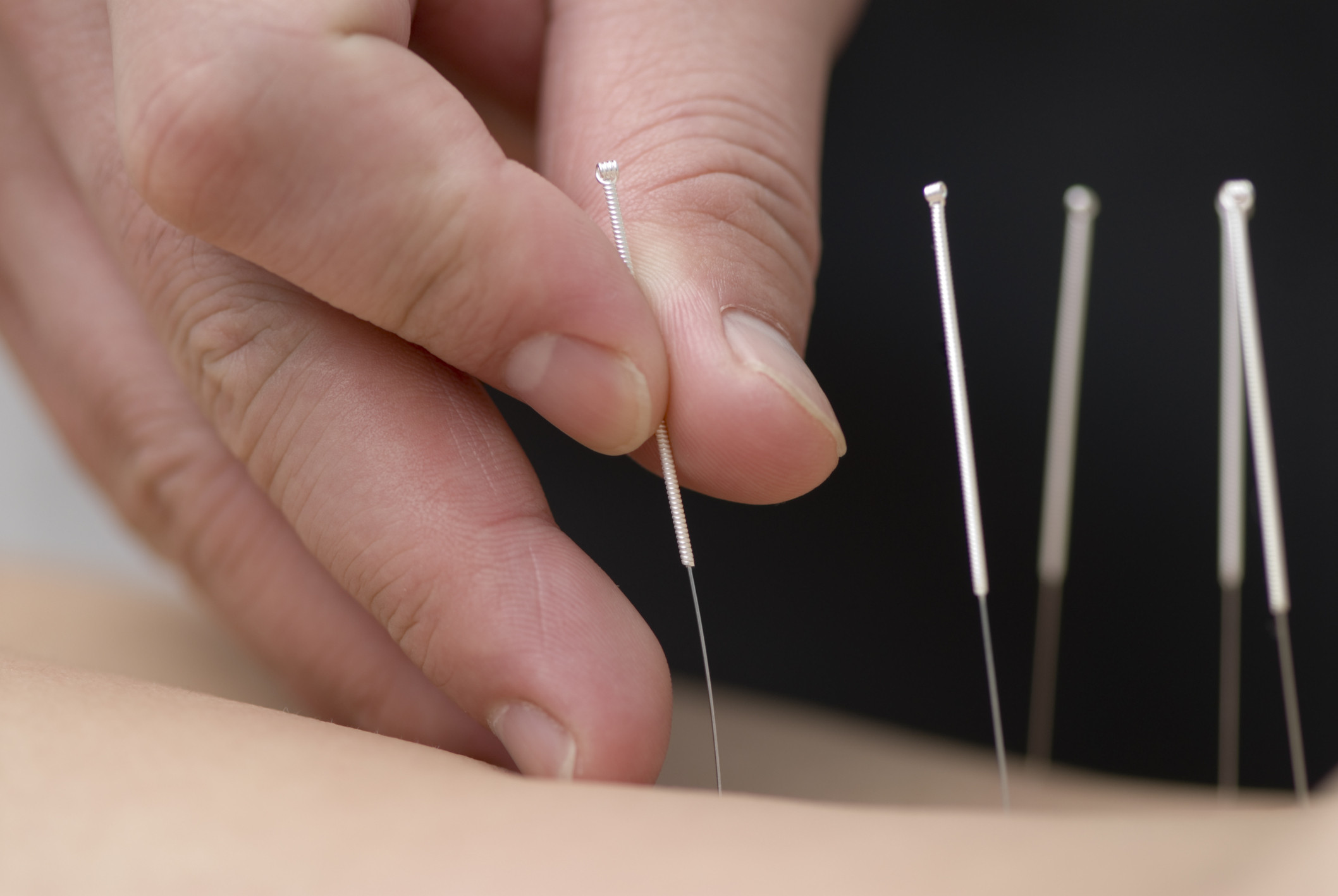
When administered by a licensed practitioner, acupuncture generally does not cause significant pain. Many people pursue acupuncture for pain management because it may enhance the body’s natural pain-relieving chemicals. Others seek it to improve overall wellness, ease stress, and support balance in the body.

Below, we explore what acupuncture feels like, what may cause discomfort, and what you should know about both short-term reactions and potential long-term side effects of acupuncture, including needle site soreness.
Do people who get acupuncture say it hurts?
Acupuncture is not intended to be painful.
According to the National Center for Complementary and Integrative Health (NCCIH), most individuals who undergo acupuncture do not report pain or major complaints.
In a 2023 study , participants treated with acupuncture in a pediatric hospital rated the average pain level at just 1.3 out of 10. Approximately 58% reported no pain at all during their first session. The participants ranged from 8 to 21 years old. They also noted:
- overall satisfaction of 8.4 out of 10
- relaxation of 8.2 out of 10
- anxiety reduction of 7.7 out of 10
A 2021 review of research examining acupuncture side effects found that about 3.75% of people reported needle site pain, and 4.67% experienced minor bleeding.
Although discomfort is uncommon, you may notice certain sensations during treatment. These vary based on your individual pain tolerance and sensitivity. For some, the first session feels more intense simply due to nervousness or uncertainty about what to expect. As your body becomes familiar with the process, subsequent treatments often feel more comfortable.
Understanding what is typical during and after treatment can help reduce anxiety. If you’re also interested in learning about broader concerns, including possible drawbacks, you may find it helpful to review the Disadvantages of acupuncture for additional context.
What does acupuncture feel like?
Each person’s experience is unique, but acupuncture usually does not cause significant discomfort.
Because the needles are extremely thin and inserted carefully, many people barely notice when they enter the skin. Practitioners often use guide tubes that rest gently on the skin before insertion. This technique allows the needle to be placed quickly and precisely, and the light pressure from the tube may distract pain receptors, making the insertion barely noticeable.
When the needle reaches the appropriate depth, you might feel a mild dull ache, slight tingling, or a subtle sensation known as “deqi.” This response is generally viewed as a sign that the acupuncture point is being activated. Other sensations may include:

- a feeling of heaviness
- a pulsing or throbbing sensation
- a sense of warmth spreading from the area
If you experience sharp or intense pain, inform your acupuncturist right away. In most cases, any brief discomfort lasts only a few seconds and resolves quickly.
What causes pain with acupuncture?
Several factors can influence how much sensation you feel during treatment. These may include:
- the use of higher-gauge (thicker) needles
- deeper or more forceful needle insertion
- variations in needle brands
Choosing a licensed and experienced acupuncturist is essential. Proper technique greatly reduces the likelihood of both discomfort and long-term complications. If you feel more than mild discomfort, let your practitioner know. They can adjust the speed of insertion, reduce the number of needles, insert them more shallowly, or minimize manipulation.
If you are unsure whether your treatment is progressing as expected, understanding How do you know if acupuncture is working may help you evaluate your results and communicate effectively with your provider.
More painful pressure points
Certain acupuncture points are naturally more sensitive.
If a needle contacts a small nerve, muscle, or blood vessel, you may briefly feel a sharper or more intense sensation. A single short-lived reaction is typically not cause for concern.
Points located on the hands and feet (extremities) often produce stronger dull aches or tingling. Areas with less soft tissue, such as near the nails, may create a sharper but short-lasting sensation. These feelings generally fade quickly once the body adjusts.
How long does an acupuncture session last?
An acupuncture appointment usually ranges from 30 to 90 minutes.
A portion of the session is devoted to discussing your symptoms, goals, and medical history with your practitioner. Initial visits may take longer due to this detailed consultation.
Needles are typically left in place for 10 to 30 minutes. During this period, you’ll remain still and relaxed. Many people enter a deeply calm state, and some even fall asleep.
Caring for yourself after an acupuncture appointment
After treatment, especially within the first 24 hours, practitioners often recommend simple self-care measures to support recovery and reduce the chance of lingering discomfort.
- Rest and avoid strenuous activity, even if you feel energized.
- Consume nutritious foods such as fruits, vegetables, and protein. Stay well-hydrated. Avoid alcohol and caffeinated beverages.
- Avoid ice packs, as they may interfere with your body’s energy flow. Heat packs are generally acceptable.
- You can usually receive a massage. This may enhance the benefits of acupuncture for certain conditions, such as cervical spondylosis.
Any soreness felt during treatment typically resolves shortly afterward. In some cases, mild tenderness or a temporary increase in symptoms may last a few days before improving. Minor bruising at needle sites usually fades within several days.
When discussing the long-term side effects of acupuncture, it’s reassuring to note that significant lasting problems are rare when treatments are administered correctly. Most reported effects—such as minor bruising, temporary soreness, or slight bleeding—are short-term and self-limited.
However, contact your doctor or acupuncturist if you notice unusual symptoms, persistent pain, signs of infection, or any reaction that concerns you.
Who can perform acupuncture?
In the United States, acupuncture should only be performed by licensed practitioners. Education, examination, and licensure standards vary by state.
Receiving care from a licensed acupuncturist significantly lowers the risk of side effects and potential long-term complications.
You can locate a qualified practitioner through the National Certification Commission for Acupuncture and Oriental Medicine (NCCAOM).
The bottom line
If you’re considering acupuncture but feel worried about discomfort or the long-term side effects of acupuncture, discussing your concerns openly with your practitioner can be helpful. Clear communication often eases anxiety and ensures adjustments can be made for your comfort.
Before beginning any acupuncture treatment plan, consult a doctor. This is particularly important if you have existing medical conditions or take medications.
You and your doctor can review your treatment goals and determine whether acupuncture is appropriate for your situation. Your physician may also recommend a licensed acupuncturist who aligns with your specific healthcare needs.



















Leave a Reply
You must be logged in to post a comment.