
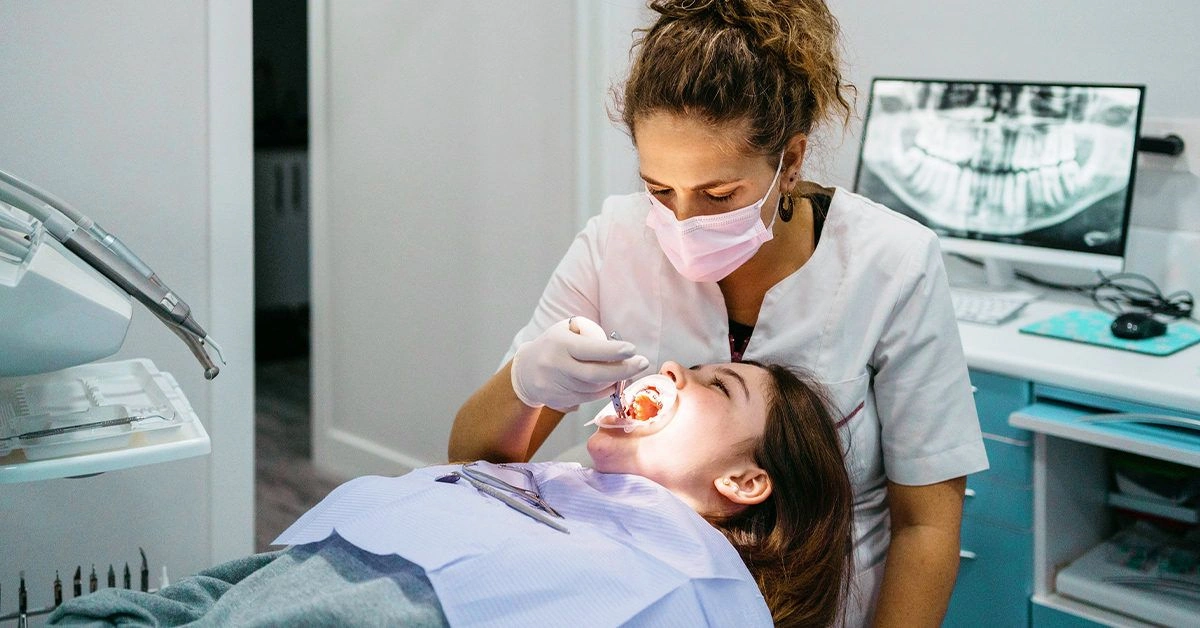
Braces are orthodontic appliances designed to apply steady, controlled pressure to gradually move and align your teeth.
Teeth that are crooked or overcrowded, noticeable gaps between teeth, and jawlines that don’t close properly are commonly corrected with braces.
One of the advantages of braces is that treatment can be adjusted over time, depending on how your teeth respond to alignment.
Braces are also considered minimally invasive, typically cause only mild discomfort, and don’t require recovery time while treatment is ongoing.
Because of these benefits, braces have remained a trusted and widely used solution for correcting misaligned teeth and jaw irregularities.
The only scientifically proven alternative to braces is jaw surgery, and not everyone qualifies for that option.
You may come across online forums or social media posts suggesting you can perform your own orthodontic treatment at home to avoid braces. These so-called braces “hacks” and DIY methods can result in permanent dental damage.
If you’re researching the Best at home teeth straightening kit, it’s essential to understand what is safe, what is effective, and what still requires professional oversight. Some supervised options, such as a teeth straightening kit at-home, may be appropriate for minor alignment concerns—but unsupervised DIY methods are not a safe substitute for orthodontic care.
Types of braces
If you’re considering orthodontic treatment, you’re likely comparing the benefits and drawbacks of the three primary types of braces.
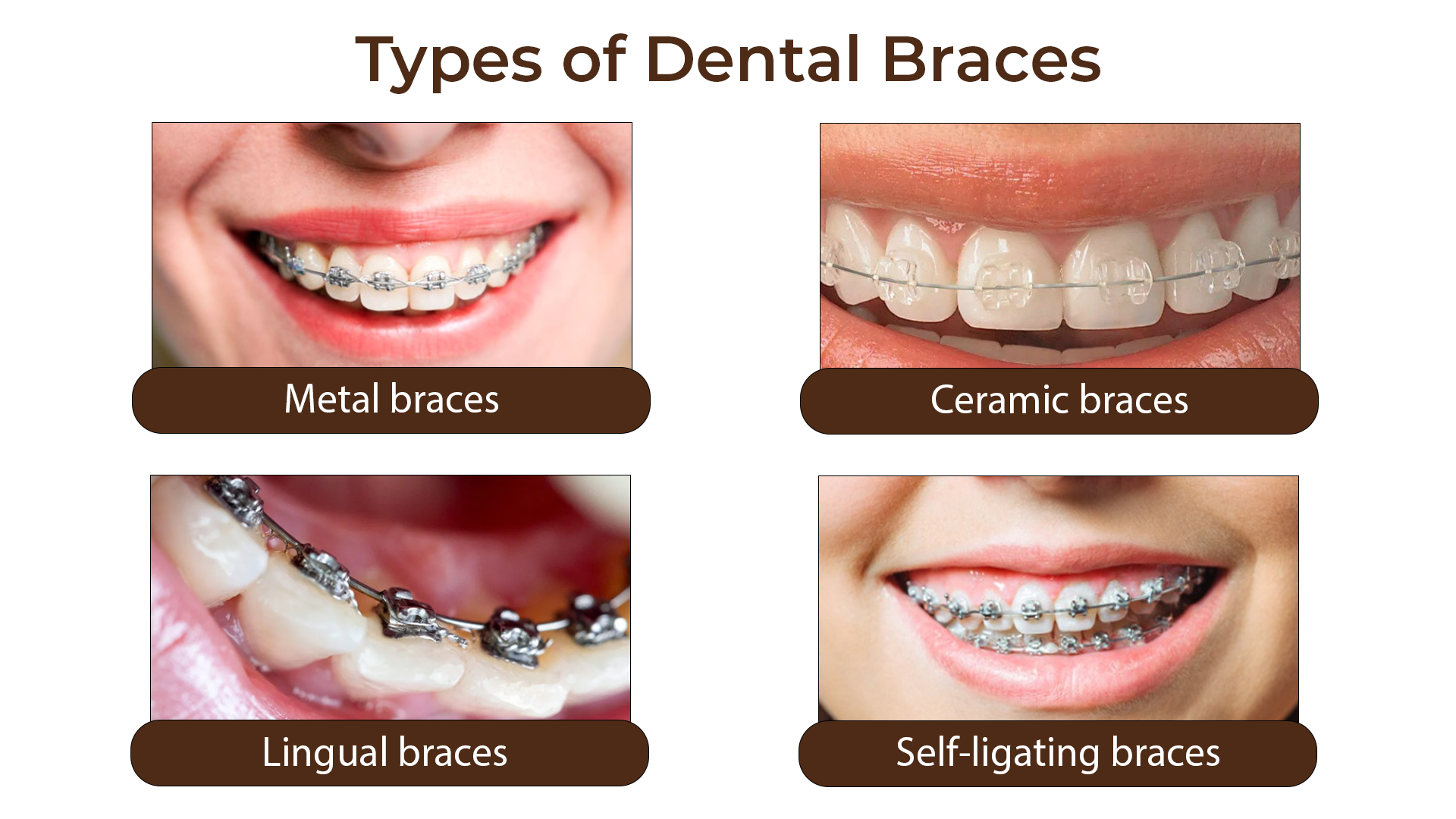
Metal
Metal braces are the traditional form of dental braces. Typically constructed from stainless steel or titanium, they include metal brackets, elastic o-rings, and archwires that apply continuous, gentle pressure to your teeth.
Over time, this consistent pressure causes your teeth to shift gradually, while your jaw adapts to the contour of the braces wire.
Ceramic
Ceramic braces function on the same principle as metal braces. However, they use clear or tooth-colored brackets instead of metal ones, making them less noticeable (though still visible in many cases).
Like metal braces, ceramic options rely on an archwire and clear o-rings to slowly reposition your teeth through steady, mild force.
Invisible braces
“Invisible” braces refer to a sequence of clear aligners that are worn throughout the day, except while eating. Often recognized by the brand name Invisalign, these systems are the least conspicuous among common orthodontic treatments.
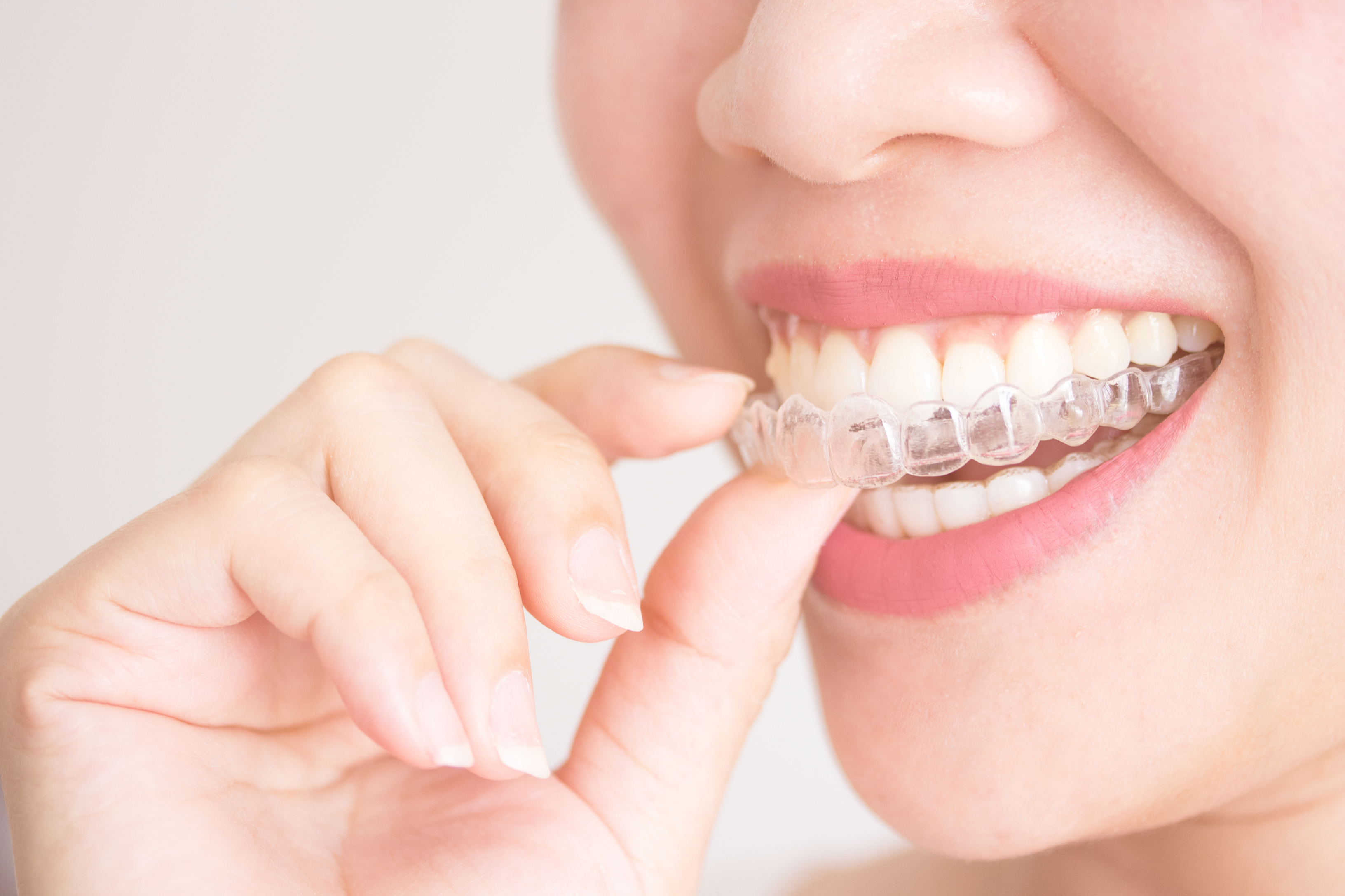
These clear aligners are prescribed by a dentist or orthodontist and work similarly to braces, gradually reshaping your smile by exerting controlled pressure on your teeth.
A 2018 review of studies that were available indicates that Invisalign works as an alternative to braces for people with minor to moderate malocclusions (alignment of teeth).
For adults seeking discreet options, some may explore choices marketed as the Best at home teeth straightening kit or even browse options like a Teeth straightening kit Amazon listing. However, even clear aligner therapy should involve professional evaluation to ensure your bite and roots remain healthy during movement.
Can retainers straighten teeth without braces?
A “retainer” is a wire-based dental device worn at night to help maintain tooth alignment after braces. Simply wearing a retainer nightly—or using someone else’s retainer—will not straighten your teeth without prior orthodontic treatment.
If your teeth are only mildly crooked or slightly crowded, your dentist might suggest a fixed retainer instead of comprehensive braces. In rare situations, a removable retainer may be incorporated into treatment for very minor crowding.
Any retainer-based treatment plan should be carried out under the close supervision of the orthodontist who prescribed it.
Should I try to straighten my teeth without braces at home?
You should not attempt to straighten your teeth at home without braces or professional guidance.
Trying to realign your teeth using a borrowed retainer, rubber bands, paper clips, earring backs, homemade devices, or other DIY methods promoted online is highly unlikely to succeed.
Although online tutorials may claim to show how to create makeshift braces, following such advice can be dangerous. The potential complications of unsupervised tooth movement are far more serious than living with mildly crooked teeth.
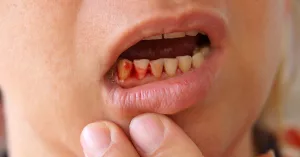
Your teeth are anchored by roots surrounded by ligaments that hold them securely within your gumline. When excessive or misdirected force is applied, it can strain these roots and ligaments. This may lead to root damage or place so much pressure on the ligaments that a tooth could die.
Possible side effects include:
- tooth decay
- cracked teeth
- weakened tooth enamel
- cuts in your gums
- oral infection
- severe pain
- teeth that fall out
- malocclusion
Even when searching for the Best at home teeth straightening kit, it’s crucial to distinguish between dentist-directed clear aligner programs and unsafe DIY solutions. Orthodontic tooth movement is a biological process that must be carefully monitored to prevent long-term complications.
The only proven and safe alternative to braces — surgery
In certain situations, an oral surgeon can perform a procedure to alter the alignment of your teeth by repositioning the jaw.
If the alignment of your teeth and jaw significantly interferes with daily activities, a dentist may recommend a more complex procedure known as orthognathic surgery.
Orthognathic surgery repositions the jaw, and recovery typically takes 2 to 3 weeks. Swelling may last longer. Depending on your insurance plan, this type of surgery may be covered.
Both minor and extensive oral surgical procedures aimed at correcting alignment can be costly. Unless surgery is medically necessary, insurance may not cover it. Costs vary greatly depending on your location and insurance benefits.
Other ways to improve your smile
In addition to braces, other dental treatments can enhance your smile. While these options won’t straighten teeth, they may address conditions affecting your oral health or cosmetic appearance.
Palatal expanders
Sometimes a child’s mouth is too small to fit incoming adult teeth. This can result in what’s often called “buck teeth” or a crossbite.
A device known as a palate expander can be placed between the upper teeth to correct this issue. It gradually widens the upper jaw, creating more room for permanent teeth.
This form of treatment is generally recommended for children and young adolescents while their jaws are still developing.
Herbst appliance
A Herbst appliance may be used to correct a misaligned jaw. This metal device is attached to rings on the upper and lower teeth. It is commonly used in children alongside braces, as it helps guide jaw alignment as it develops forward.

Cosmetic dentistry (veneers, contouring, and bonding)
Cosmetic dental procedures such as veneers or dental bonding can create the appearance of straighter teeth for teeth that:
- have a large gap between them
- are chipped
- don’t line up smoothly
Veneers may be strategically applied to give the impression of improved alignment.
Teeth whitening will not change the position of your teeth, but it can brighten your smile and reduce the visual effect of minor misalignment.
Who needs to have their teeth straightened
If crooked teeth are affecting your daily routine, it may be time to explore treatment. Difficulty chewing or biting, or speech changes related to tooth position, can indicate the need for braces or, in some cases, jaw surgery.
If you’re unhappy with the appearance of crowded or rotated teeth, orthodontic treatment can help create a more balanced smile.
The American Association of Orthodontists recommends that every child receive an evaluation to determine if braces are needed no later than age 7.
The optimal window for braces is typically between the ages of 9 to 14. However, orthodontic treatment is not limited to children—many adults pursue options ranging from traditional braces to the Best at home teeth straightening kit programs designed for mild to moderate alignment concerns.
Signs that you or your child may benefit from braces include:
- crowded or misaligned teeth
- jaws that shift or click
- a history of thumb-sucking or having buck teeth
- difficulty chewing or biting down
- jaws that don’t close neatly or create a seal when the mouth is at rest
- difficulty speaking certain words or making certain sounds
- mouth breathing
Takeaway
For most individuals, braces remain the safest and most reliable method for permanently straightening teeth. If your teeth are only slightly crooked or mildly crowded, an orthodontist-prescribed retainer or professionally supervised clear aligner system may be sufficient.
Avoid trying to straighten your teeth on your own. Partner with a qualified orthodontist to determine whether braces, aligners, or a carefully monitored at-home system is the right solution for achieving a healthy, aligned smile.

















Leave a Reply
You must be logged in to post a comment.