
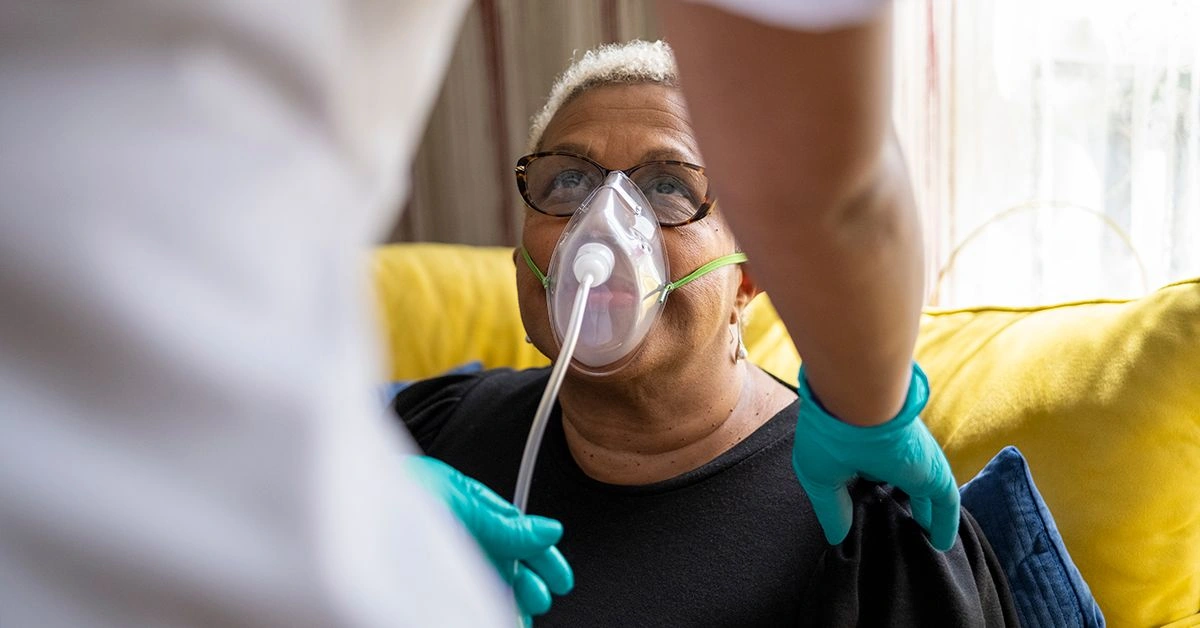
Gas leaks can produce headaches, nausea, lightheadedness, tiredness, eye irritation, and skin blisters. They can also make breathing difficult. If you suspect a leak, open windows and seek help right away.
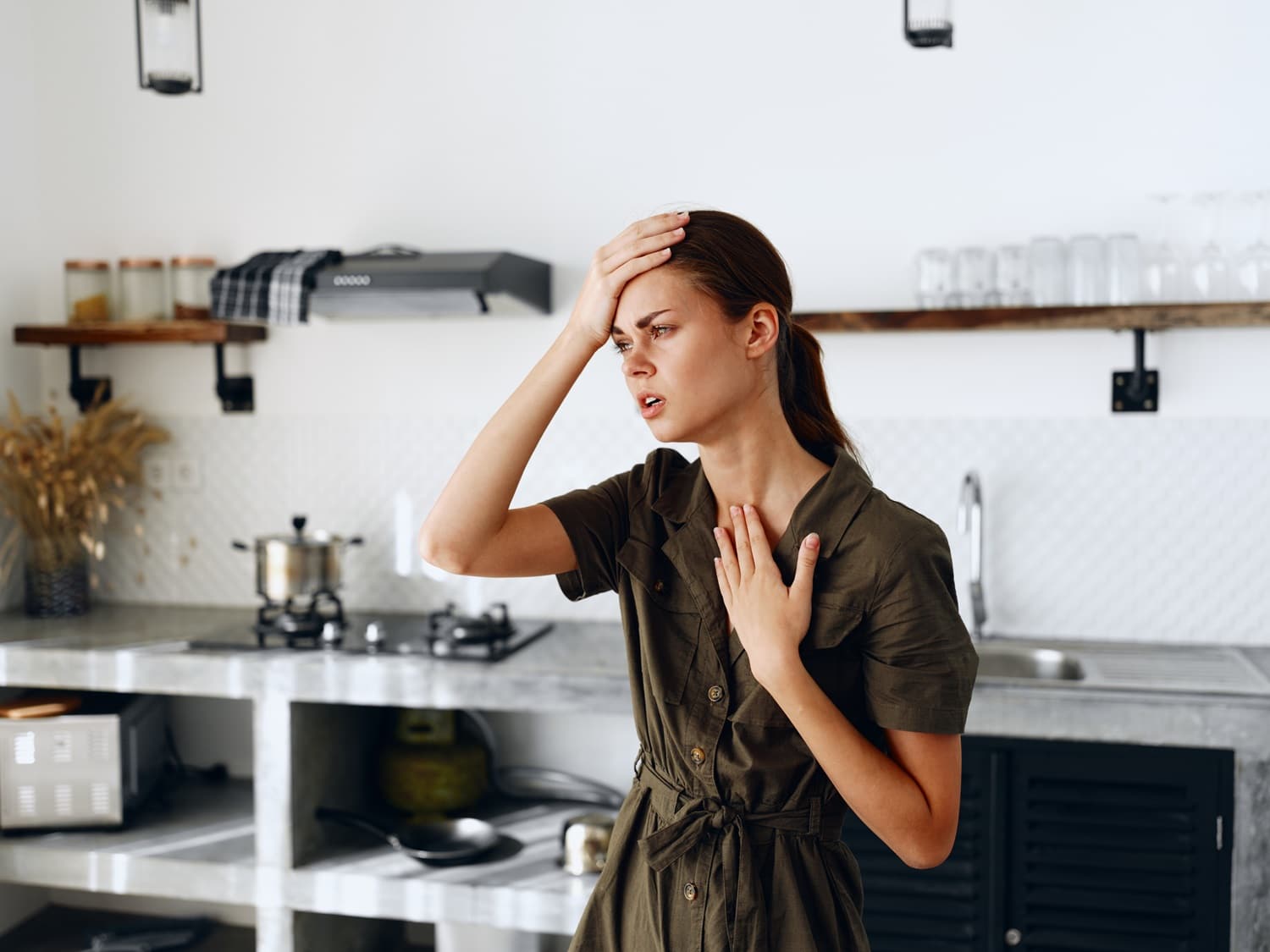
Many households rely on natural gas for heating, hot water, and appliances. Natural gas itself has no odor, so a minor leak might go unnoticed.
A hissing noise isn’t always present either. Because of that, utility providers add mercaptan, a harmless additive, to the gas. Mercaptan has a sulfur-like or rotten-egg smell to help you detect leaks. Very small leaks, however, may still be undetectable by smell. Evacuate the area immediately if you notice any of the following:
- a sulfurous or rotten-egg smell
- a hissing or whistling sound near gas piping
- a visibly damaged connection to a gas line
- a white mist, blowing dust, or bubbles in standing water
- plants dying or wilting for no clear reason
If you suspect a gas leak, avoid touching electrical switches or operating anything that could spark. Instead, leave the building, leave the door open behind you, and move to a safe distance. From there, call 911, your local fire department, or the gas company to report the issue.
How to determine if your symptoms are from a gas leak
Gas leaks reduce the amount of breathable oxygen in the air. As oxygen levels drop, symptoms can develop. If you or others in your household suddenly develop unexplained symptoms, a gas leak in your home could be the cause.

Watch for these signs:
- headache
- dizziness
- nausea
- eye and throat irritation
- extreme tiredness
- difficulty breathing
- pale skin or blisters, which occur if skin contacts compressed or liquid gas
Your pets may exhibit similar signs if a leak is present. High levels of exposure can lead to loss of consciousness or even death.
Other causes of similar symptoms
Other indoor air contaminants can cause symptoms like those from a gas leak. If a gas leak is ruled out, investigate other pollutants such as carbon monoxide or mold.
Incomplete combustion of gas can produce carbon monoxide, another hazardous gas that affects health. If you use natural gas for heating or hot water, install a carbon monoxide detector in your home.
Symptoms of carbon monoxide exposure include:
- fatigue
- nausea and dizziness
- headache
- chest or abdominal pain
- vision disturbances
- loss of muscular coordination
With continued exposure, skin may take on a pink hue and lips appear bright red. In severe poisoning, the skin across the body can redden. Carbon monoxide poisoning can be fatal.
What to do if you suspect a gas leak
Note how symptoms change as you leave the house or move between rooms. If headaches return when you come back home, a gas leak or another airborne contaminant is likely present.

For a faint gas odor, open windows, ensure pilot lights are out, and contact your gas provider. They will guide you on next steps. If you know how, you can also shut off the gas meter.
For a strong gas smell or if symptoms are occurring, evacuate immediately. Gas is highly flammable. If a leak has been ongoing, the risk of explosion increases.
Call your utility’s emergency number, but place the call from a safe distance away from the suspected leak. Phones can spark and ignite gas. Seek emergency medical care or call an ambulance if symptoms are severe.
If you feel unusually fatigued without an obvious medical or lifestyle reason, have a certified inspector evaluate your home promptly.
What not to do
- turn lights on or off
- use appliances or any ignition sources
- keep doors shut
- attempt to locate or repair the leak yourself
- make phone calls from inside the house
- assume someone else will report the problem
After a gas leak
If a leak is found by a qualified inspector or a gas company technician, you’ll also need inspections of other gas-burning appliances, pipeline valves, and operating controls.
Immediate steps
- let a professional find and repair the leak
- ventilate your home before re-entering
- have external pipelines checked
A certified inspector should tell you when it’s safe to return. Even if the issue was inside, have outdoor lines inspected as well. Leaks outside your home are just as hazardous.
Health consequences
While short-term exposure to low concentrations of natural gas is usually not harmful, long-term exposure can impact your health. Burning natural gas emits nitrogen oxides, carbon monoxide, and methane. These pollutants can trigger respiratory issues, mood disturbances, and generally reduce health quality. Consult your physician if you suspect a gas leak has affected your health.
How to reduce the risk of gas leaks
Leaks can stem from installation mistakes or aging pipes and appliances. Have your gas appliances and piping inspected annually.
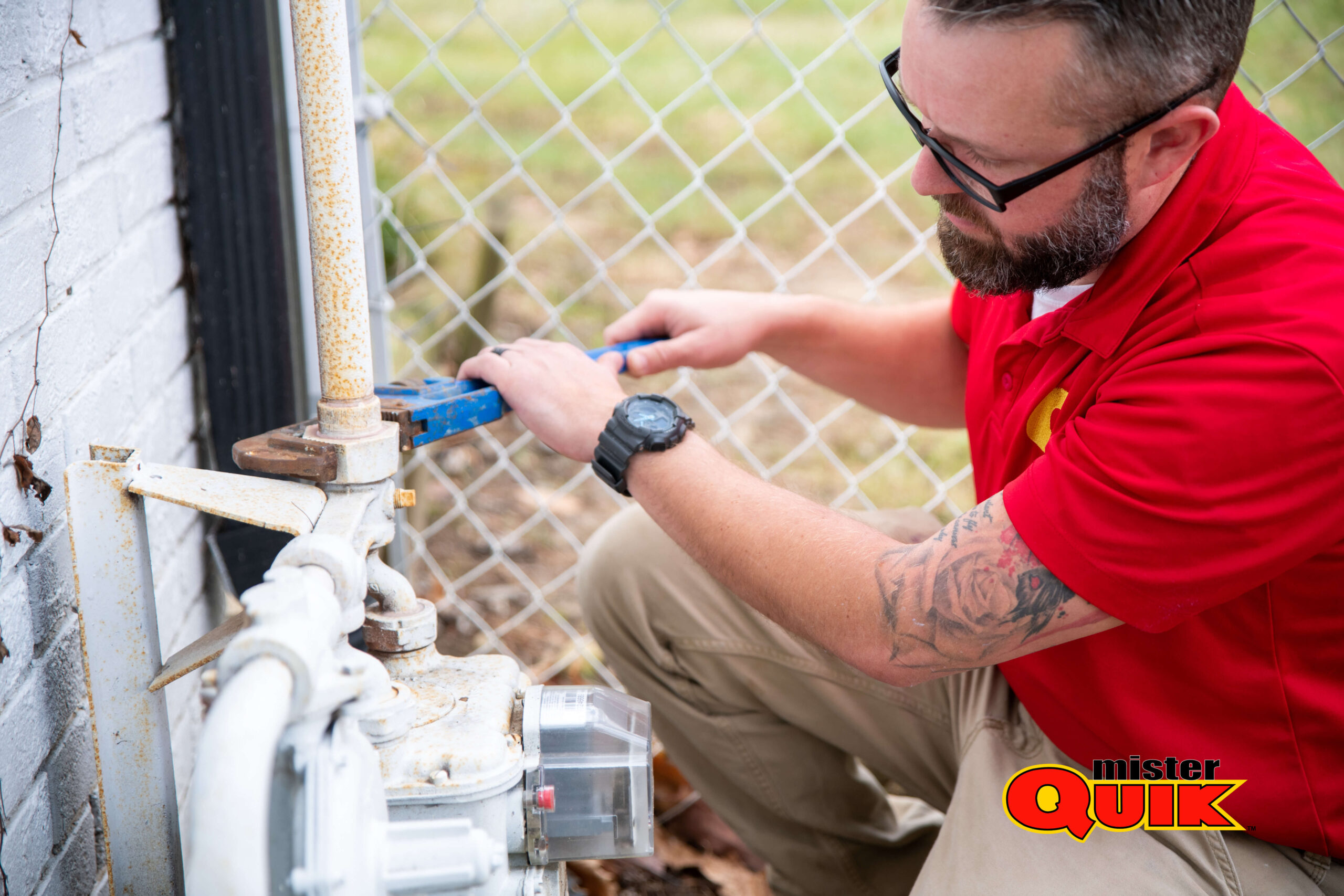
Often this service is provided at no cost. If you use gas, learn about natural gas safety and teach family members what signs to watch for and what to do if someone shows symptoms of gas exposure.
Key takeaway
Although natural gas leaks are uncommon, they can occur both inside and outside your residence.
If you use gas for appliances or heating, arrange yearly inspections. Gas leaks are dangerous but largely preventable with proper maintenance and awareness.






















Leave a Reply
You must be logged in to post a comment.