

A colonoscopy allows your doctor to detect precancerous polyps, early colorectal cancer, and other conditions that may be impacting your colon or rectum. Identifying these issues early often leads to more effective treatment and better long-term outcomes.
Colorectal cancer begins in the colon or rectum and frequently develops from a polyp — a small tissue growth that can gradually become cancerous if left untreated.
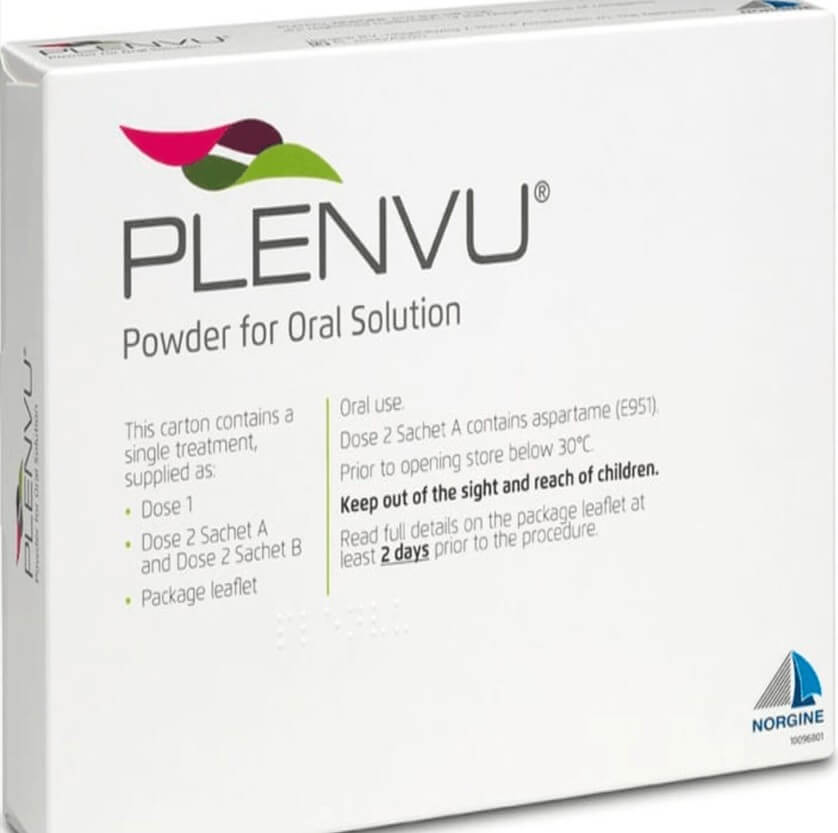
To ensure clear and accurate results, your doctor may advise a colonoscopy and explain how to prepare in advance. Preparation typically involves temporary dietary modifications and taking bowel preparation medication to clear feces (stool) from your digestive tract. If you’ve been prescribed PLENVU, you may also want to understand the differences between Plenvu dose 1 vs dose 2 so you know what to expect at each stage of the bowel cleansing process.
Your doctor may recommend a colonoscopy to look for signs of colorectal cancer or other conditions affecting the colon or rectum, including inflammatory bowel disease such as ulcerative colitis or Crohn’s disease.
Below, you’ll learn more about colonoscopy preparation and key questions to discuss with your healthcare provider.
Discuss your bowel preparation options
Before your colonoscopy, your doctor will instruct you to take a bowel preparation medication. These products contain one or more laxative agents that trigger bowel movements and help eliminate feces from your colon and rectum.
Several bowel prep options are available, and the right one for you may depend on your medical history, tolerance, and personal preferences.
You might consider asking your doctor:
- Which bowel preparation medications are appropriate for me?
- What are the advantages and disadvantages of each option?
- Is there one you recommend over the others? Why?
Be sure to inform your doctor if you have kidney disease, liver disease, heart disease, or any other medical conditions. Some bowel preparation formulas may be safer than others for individuals with specific health concerns.
Understanding the different types of bowel preparation can help you feel more confident and prepared.
Polyethylene glycol (PEG)
PEG is an osmotic laxative that draws water into the bowel, encouraging bowel movements and flushing out feces. PEG-based preparations are combined with an electrolyte solution to help reduce dehydration and maintain proper electrolyte balance. They are typically sold as a powder that you mix with water.
Multiple types are available:
- High volume PEG preparations require consumption of up to 4 liters of solution. Examples include GoLYTELY, NuLYTELY, CoLyte, GaviLyte, and TriLyte.
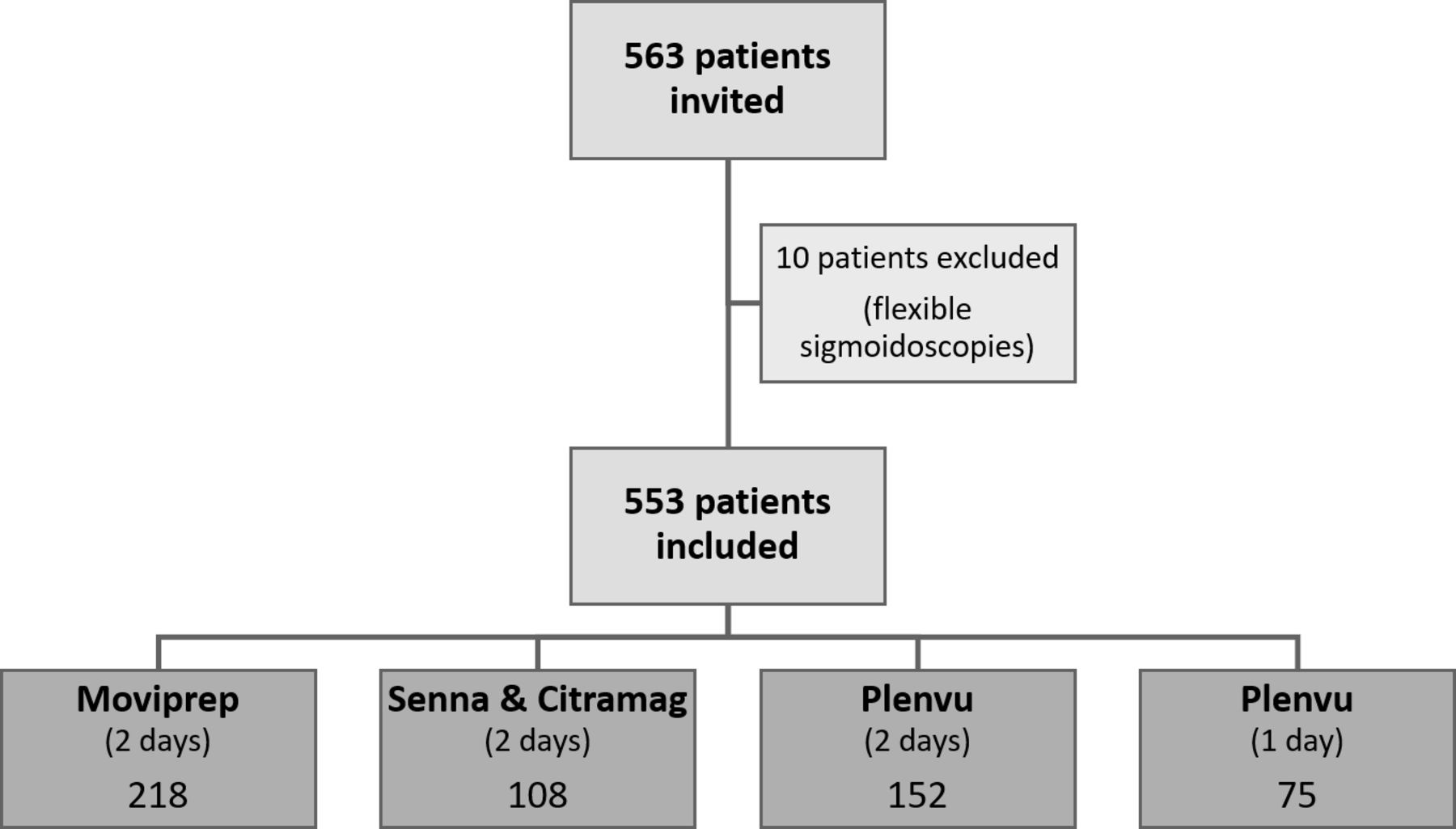
- Low volume PEG preparations involve smaller amounts of liquid. Examples include Miralax, Moviprep, and PLENVU. Moviprep combines PEG with ascorbic acid.
Some PEG-based regimens require additional clear liquids beyond the solution itself.
Certain formulations are less salty or contain fruit flavorings or sweeteners, which may make them easier to tolerate.
If you are taking PLENVU, understanding Plenvu dose 1 vs dose 2 is important. The first dose generally initiates bowel cleansing, while the second dose is designed to complete the process and ensure the colon is fully cleared before the procedure. Many patients notice stronger effects after the second portion, which leads to common questions such as Does the second dose of Plenvu make you poop and Is second dose of Plenvu worse. These experiences can vary, but both doses are essential for an effective bowel cleanse.
Combination preparations
Some bowel prep products contain a blend of osmotic laxatives, stimulant laxatives, or both. Stimulant laxatives prompt the intestinal muscles to contract, helping move stool through the digestive tract.
Examples of bowel preparations that include a combination of laxatives include:
- Clenpiq: a liquid solution containing sodium picosulfate, magnesium oxide, and citric acid, taken in two doses
- Suprep: a liquid mixture of sodium sulfate, potassium sulfate, and magnesium sulfate, also taken in two doses
- Sutab: tablets containing magnesium oxide and citric acid, taken with plenty of water to reduce dehydration risk
Bisacodyl
Bisacodyl is a stimulant laxative that increases bowel activity by causing intestinal contractions.
It is available over the counter under brand names such as Carter’s Little Pills, Correctol, Dulcolax, and Feen-a-Mint, typically in tablet form.
Your doctor may instruct you to take oral bisacodyl alongside another bowel preparation medication. Do not combine multiple laxatives or bowel prep products unless specifically directed by your healthcare provider.
In some cases, a bisacodyl suppository — inserted into the rectum — may be recommended to further stimulate bowel movement.
Learn how to take the bowel preparation
Carefully review the instructions provided with your bowel preparation medication. If anything is unclear, consult your doctor or pharmacist.
You may want to ask:
- Should I mix the bowel prep with water or drink extra fluids with it?
- Are there ways to make it easier to tolerate?
- Is it taken as a single dose or split doses?
- When should I begin taking it?
- How quickly does it usually start working?
- What should I do if it doesn’t seem effective?
Depending on the prescribed regimen, you may take the bowel preparation in one session or as split doses over several hours or days. Split-dose regimens are common and are often considered effective for thorough colon cleansing.
Some people find the flavor unpleasant or struggle to drink the full volume. Chilling the solution or sipping it through a straw may improve tolerance.
Three Colonoscopy Prep Tips from Fight CRC
1. What Not to Eat Before Colonoscopy Prep
- Nuts and seeds (including wraps and breads containing them)
- Popcorn
- Red meat
- Fried, heavy foods
- Raw vegetables
- Corn, peas, apple skins, and other fiber-filled foods that are hard to digest
- Anything bright red in color
2. Get Wet Wipes
Many brands offer medicated and non-medicated wet wipes, which can help reduce irritation.
3. Soft and Strong Toilet Paper
Soft, double-ply toilet paper can make frequent bathroom trips more comfortable. Some brands include aloe to help soothe itching or burning, which commonly occurs during bowel prep.
– from Fight CRC’s article, Colonoscopy Prep: 9 Expert Tips for the Night Before
Discuss the potential side effects and risks
Before beginning bowel preparation, review possible side effects and risks with your doctor or pharmacist.
You may wish to ask:
- What side effects are most common with this product?
- Are serious complications possible?
- How can I minimize side effects?
- How will I recognize a complication?
- What steps should I take if one occurs?
Common side effects include:
- abdominal pain
- cramping
- bloating
- flatulence (gas)
- nausea
- vomiting
- diarrhea
- anal or rectal pain
Bowel preparation may lead to dehydration and electrolyte balances. In rare instances, this can result in serious complications such as seizures or organ damage. Following instructions closely and drinking recommended clear fluids can help lower these risks.
Some bowel prep medications are more likely than others to cause side effects, and certain medical conditions may increase your susceptibility.
Your doctor can help determine which bowel preparation is safest for your situation and guide you in recognizing and managing potential complications. They can also explain the possible risks associated with the colonoscopy procedure itself.
Ask whether you should adjust your diet
You may be advised to modify your diet temporarily before the procedure to decrease stool in the colon.
Consider asking:
- Do I need to change my diet before the colonoscopy?
- Which foods and beverages should I avoid?
- When should I start dietary changes?
- What can I safely consume instead?
Your doctor may suggest avoiding high residue foods for several days. These foods contain significant amounts of insoluble fiber, which increases stool bulk.
Examples of high residue foods they may ask you to avoid include:
- nuts and seeds
- corn and popcorn
- beans, lentils, and peas
- fruits with small seeds
- raw vegetables
You might also be instructed to follow a clear liquid diet the day before your colonoscopy. Ask your doctor for a detailed list of permitted liquids and strategies to manage hunger.
Additionally, avoid foods and drinks with red or purple coloring, as these colors may resemble inflammation during the procedure.
Ask whether you should stop taking any medication
Tell your doctor about all medications and supplements you take. Some may increase colonoscopy risks or interact with bowel preparation medications.
If you use medication for diabetes or weight management, dosage adjustments may be necessary if you reduce food intake.
Ask your doctor:
- Should I stop or adjust any medications or supplements?
- What are the risks and benefits of making changes?
- When should I stop or modify them?
- When can I resume my usual regimen?
In certain cases, discontinuing a medication may carry more risk than benefit. Your doctor can help you carefully weigh these factors.
Make yourself as comfortable as possible
Bowel preparation often results in repeated bowel movements over several hours, along with cramping, abdominal discomfort, and irritation around the anus or rectum.
Ask your doctor how to prepare for these effects. They may encourage you to:
- take time off work during bowel prep
- have soft toilet paper and wet wipes on hand
- apply Vaseline, diaper rash cream, or another soothing ointment if irritation develops
Remain close to a bathroom after starting the medication. It may begin working within minutes to a few hours, and urgent diarrhea is common.
If you do not have a bowel movement within several hours, contact your doctor. They may advise an additional dose or another method to ensure adequate cleansing. In some cases, the colonoscopy may need to be rescheduled if preparation is incomplete.
The takeaway
Preparing for a colonoscopy often involves dietary adjustments, medication changes, and bowel preparation medication. If you are prescribed PLENVU, understanding Plenvu dose 1 vs dose 2 can help you feel more prepared for what to expect throughout the cleansing process.
Discuss the potential risks and side effects of bowel preparation with your doctor or pharmacist before starting. Ask how to prevent dehydration, maintain electrolyte balance, and recognize warning signs of complications.
Do not combine multiple bowel preparation products, laxatives, or enemas unless directed by your healthcare provider.
If bowel movements do not occur within a few hours after taking the medication, reach out to your doctor. They may recommend additional steps.
Your healthcare provider can also explain the colonoscopy procedure in detail, including its benefits, potential risks, and what to expect on the day of your screening.
















Leave a Reply
You must be logged in to post a comment.