

Understanding how to stop feeling dizzy starts with identifying what’s triggering the sensation. In many cases, you can find short-term relief by drinking water, resting in a safe position, moving slowly, and avoiding known triggers. However, dizziness itself is not a standalone medical condition — it is a symptom that signals an underlying issue.
Because dizziness can stem from a variety of causes, treatment depends on the specific reason behind it. While medical care may be necessary in some situations, several simple home strategies can help reduce symptoms and improve stability. Below, we explore practical remedies and when it’s important to consult a healthcare professional.
If you’ve ever thought, My head feels weird and dizzy, you’re not alone. Many people experience occasional episodes, and learning what steps to take can make a meaningful difference.

Drink water
Dehydration is a possible cause of dizziness. When your body lacks adequate fluids, blood pressure may drop, circulation can slow, and your brain may not receive enough oxygen-rich blood — all of which can make you feel lightheaded or unsteady.
Drinking water and maintaining proper hydration may help relieve dizziness if dehydration is the root cause. Small, frequent sips can be helpful if you’re feeling nauseated. In addition to water, oral rehydration solutions may support electrolyte balance in certain cases.
Hydration needs vary widely. For example, athletes, individuals who exercise regularly, or those who live in hot climates may require more fluids to maintain balance. Certain medical conditions and medications can also affect hydration levels. Speak with a doctor to determine how much water you should aim to drink each day based on your personal health profile.
If dizziness is accompanied by fatigue, you might also relate to Feeling light headed and tired all the time, which can sometimes point to dehydration, low blood sugar, or anemia.
Rest and move carefully
Resting in a stable position and avoiding sudden movements can significantly ease dizziness. If you begin to feel unsteady, sit or lie down immediately to reduce the risk of falling. Keeping your head still and your body supported can allow the sensation to pass more comfortably.
Depending on the cause, dizziness can last seconds to hours. During this time, it is generally safest to remain seated or lying down. Close your eyes if needed, and focus on steady breathing to minimize discomfort.
When you are ready to get up, do so gradually. Move from lying to sitting first, pause for a moment, and then slowly stand. Turn your head gently and avoid abrupt changes in direction. These cautious movements can prevent worsening symptoms and reduce the chance of falls or injury.
Practicing balance and stability exercises under professional guidance may also support long-term improvement, particularly if dizziness is related to vestibular issues.
Perform the Epley maneuver
The Epley maneuver is a repositioning technique that can be performed at home to treat dizziness caused by benign paroxysmal positional vertigo (BPPV). BPPV occurs when tiny calcium crystals in the inner ear become displaced, disrupting balance signals sent to the brain.
This maneuver works by guiding those crystals back into their proper location within the ear canals. It involves a series of specific head and body movements while lying down. Many people notice symptom relief after one or more sessions.
Because proper positioning is important for effectiveness and safety, a doctor or physical therapist can demonstrate the correct method for performing the Epley maneuver. In some cases, repeated sessions may be necessary to fully resolve symptoms.
Avoid triggers
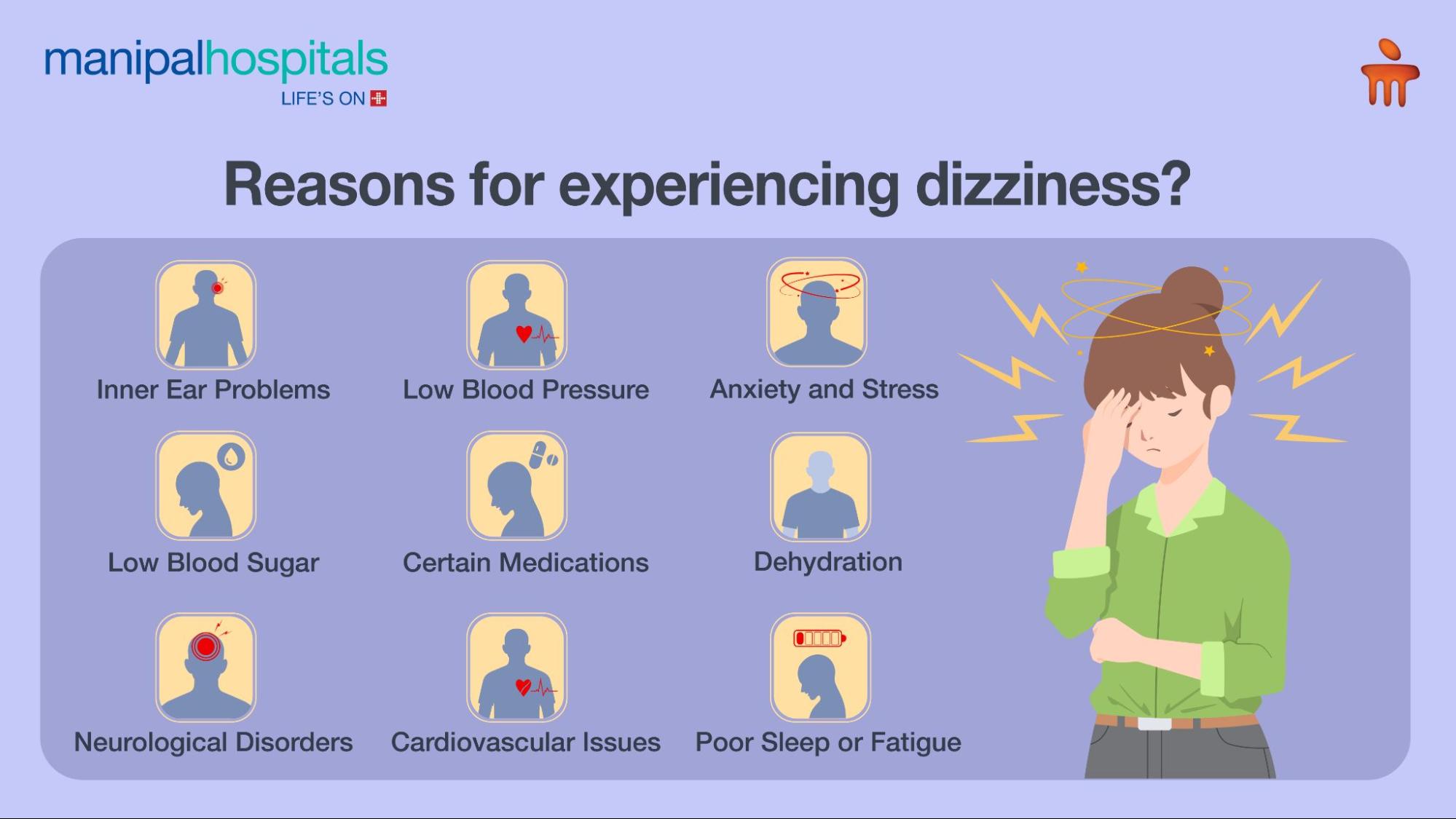
If you are trying to understand how to stop feeling dizzy, identifying and minimizing triggers is an essential step. Certain factors are known to provoke or worsen dizziness.
For example, dizziness can be due to:
- stress and anxiety
- dehydration
- low blood sugar (hypoglycaemia)
- lack of sleep
Managing these contributing factors may reduce the frequency and intensity of episodes. Practical steps include drinking fluids regularly, eating balanced meals at consistent intervals, prioritizing adequate sleep, and using stress-reduction techniques such as deep breathing, mindfulness, or gentle exercise.
It is also wise to limit substances that can intensify dizziness. These include:
- caffeine
- alcohol
- cigarettes
Caffeine and nicotine can affect blood vessels and the nervous system, while alcohol can impair balance and worsen dehydration. Reducing or avoiding these substances may improve overall stability.
Address the underlying cause
Effectively managing dizziness often requires treating the condition that is causing it. By addressing the root problem, you may reduce how often dizziness occurs and how severe it feels.
Some possible causes of dizziness include:
- migraine
- labyrinthitis, an inner ear infection
- iron deficiency anemia
- BPPV
- vestibular neuritis
- Ménière’s disease
- low blood pressure
- sinus infection
- allergies
- hearing loss
- nerve damage
- Parkinson’s disease
For instance, treating iron deficiency anemia with iron supplementation may improve oxygen delivery to the brain and reduce lightheadedness. Managing migraine through medication and lifestyle adjustments can lessen associated vertigo. Infections such as labyrinthitis or sinus infection may require medical treatment to resolve inflammation and restore balance.
Low blood pressure can sometimes be managed with dietary adjustments, hydration, or medication under medical supervision. Ménière’s disease and vestibular neuritis may require specialized care from an ear, nose, and throat specialist.
Additionally, certain medications list dizziness as a side effect. If you suspect your medication is contributing to symptoms, consult your doctor. Do not stop taking prescribed medication without professional guidance. Your doctor may adjust the dosage or recommend an alternative treatment if appropriate.
When to contact a doctor about dizziness
You should contact a doctor if you frequently experience dizziness, even if episodes are brief. Recurrent symptoms could be linked to dehydration or an underlying condition such as an ear infection or iron deficiency anemia.
If you have already been diagnosed with a medical condition associated with dizziness, consider speaking with your doctor about your current management plan. They may suggest changes in medication, additional testing, vestibular rehabilitation therapy, or other strategies to reduce symptom severity.
Seek immediate medical attention if dizziness occurs along with any of the following:
- difficulty speaking
- vision changes, such as double vision or blurry vision
- numbness or weakness in the arms, legs, or face
- fainting
- nausea
- vomiting
- fainting or collapsing
These symptoms may indicate a more serious medical issue that requires urgent evaluation.
The bottom line
Learning how to stop feeling dizzy involves both short-term relief strategies and long-term management. Immediate steps such as drinking water, lying down, resting in a safe position, and moving slowly can help stabilize you during an episode.
In cases of benign paroxysmal positional vertigo (BPPV), performing the Epley maneuver may provide relief. Avoiding triggers like stress, anxiety, dehydration, low blood sugar, alcohol, coffee, and cigarettes can also decrease the likelihood of recurrent episodes.
Sometimes, treating the underlying cause is essential. Dizziness may be linked to an ear infection, migraine, iron deficiency anemia, BPPV, labyrinthitis, vestibular neuritis, Ménière’s disease, low blood pressure, or certain medications. Proper diagnosis and targeted treatment can significantly improve outcomes.
If you regularly feel dizzy, consult a doctor to determine the cause and develop a personalized treatment plan. This may include medications, lifestyle adjustments, or therapies tailored to the specific condition involved.
Seek urgent medical care if dizziness is accompanied by symptoms such as numbness, nausea and vomiting, and fainting. Prompt evaluation can help rule out serious complications and ensure you receive appropriate care.























Leave a Reply
You must be logged in to post a comment.