
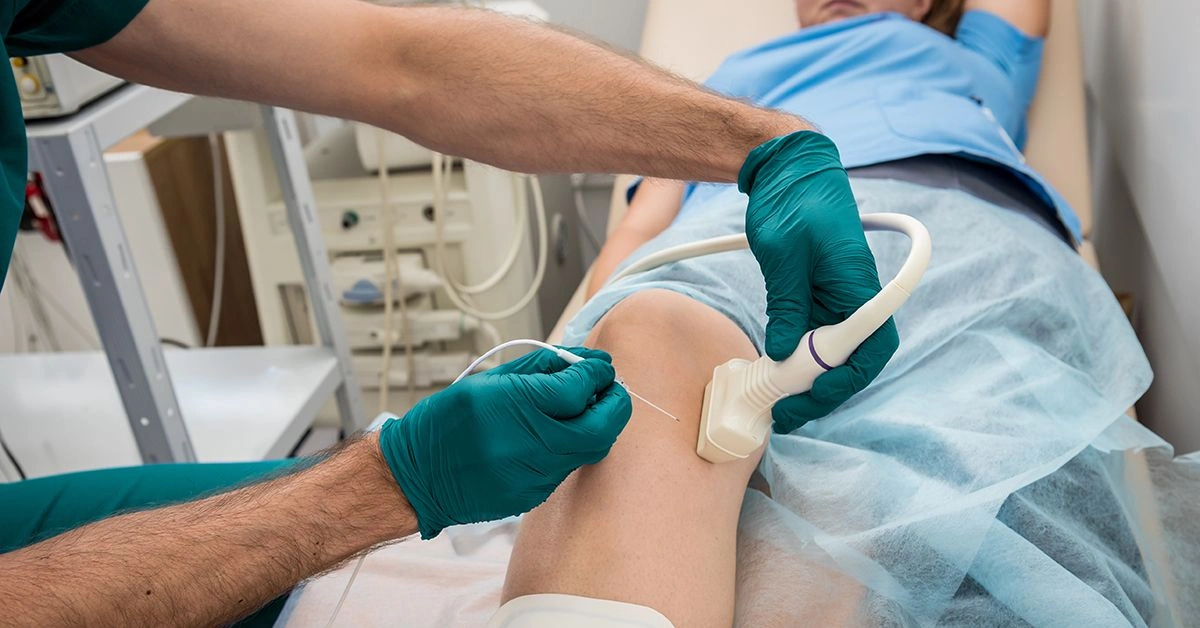
Radiofrequency ablation (RFA) is a minimally invasive procedure that uses high‑energy radio waves to shrink precancerous cells. It is also widely used to manage chronic pain, irregular heartbeat, and venous insufficiency.
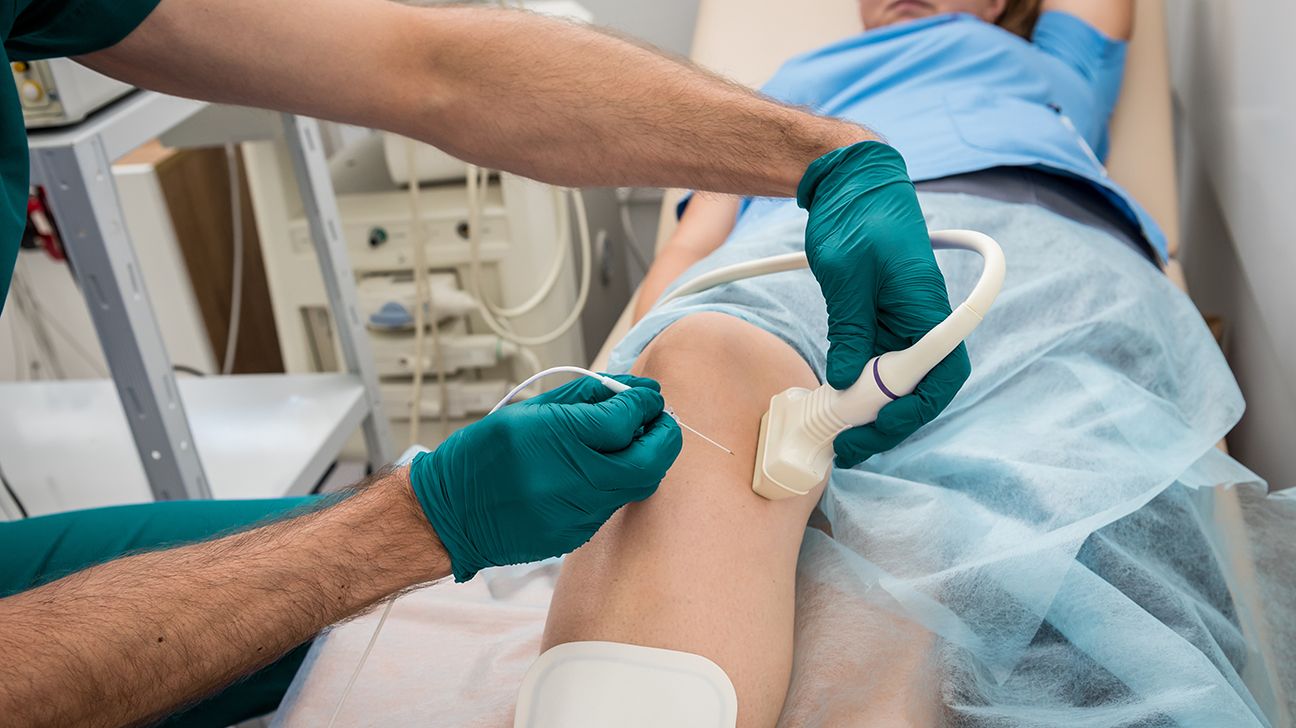
Healthcare professionals may also recommend RFA for osteoarthritis, joint pain, and degenerative disc disease.
Because it is less invasive than traditional open surgery, radiofrequency ablation often involves fewer complications and a quicker healing timeline. For individuals wondering How long to heal after heart ablation, recovery is typically short, with many people resuming daily activities within days, although complete internal healing can take longer depending on the condition treated.
Below is an in‑depth overview of how RFA works, what the procedure includes, and what you can expect in terms of recovery and long‑term outcomes.
What is it?
During radiofrequency ablation, a doctor will insert a thin, needle‑like probe into the body to deliver radio waves directly to the targeted tissue.
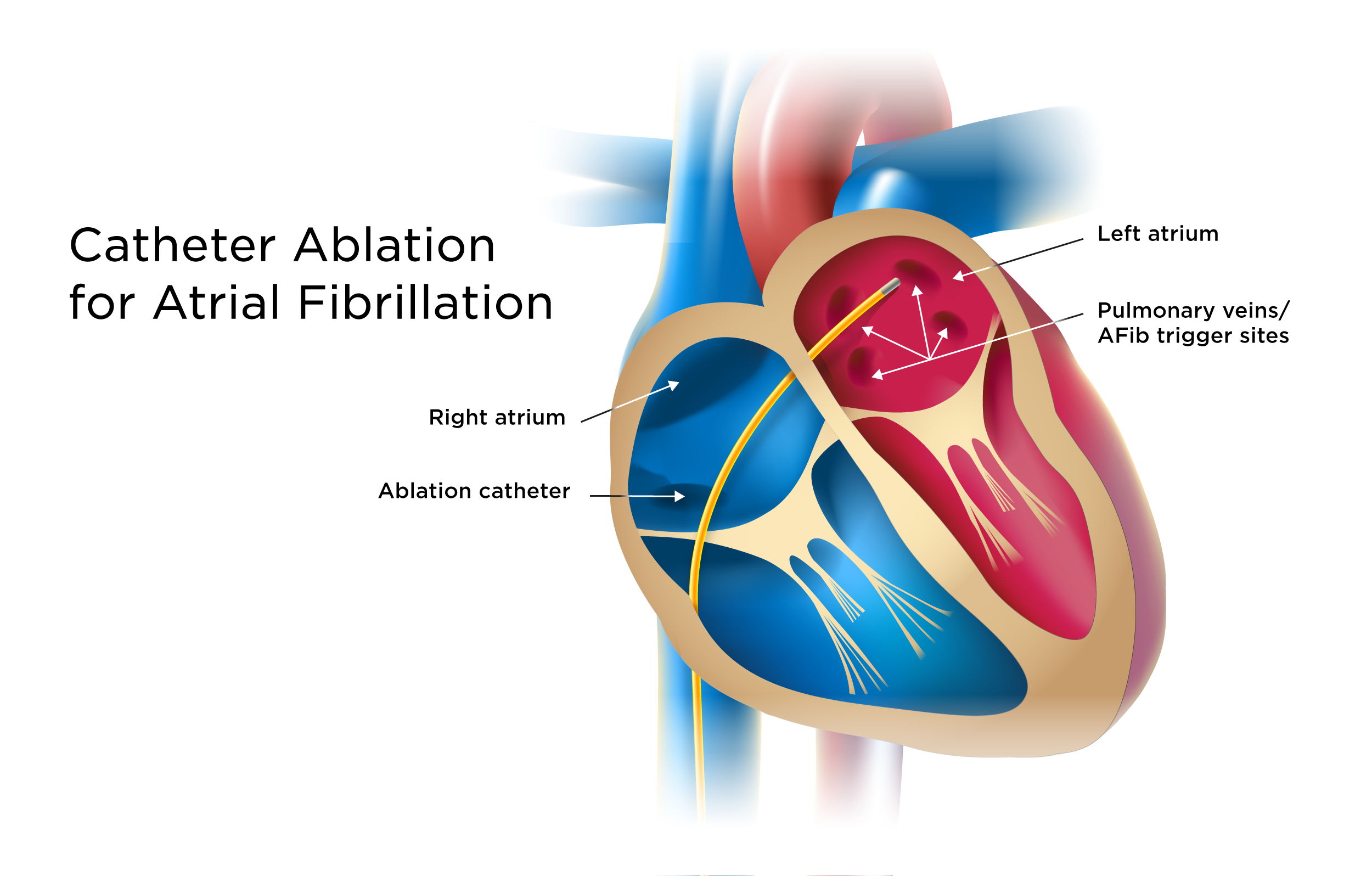
The probe connects to electrodes, which are devices containing wires that transmit radiofrequency energy as electricity. When these waves reach the intended area, they destroy nearby cells or nerve fibers. Over time, the immune system clears away the damaged cells, allowing tumors, nodules, or other abnormal growths to gradually shrink.
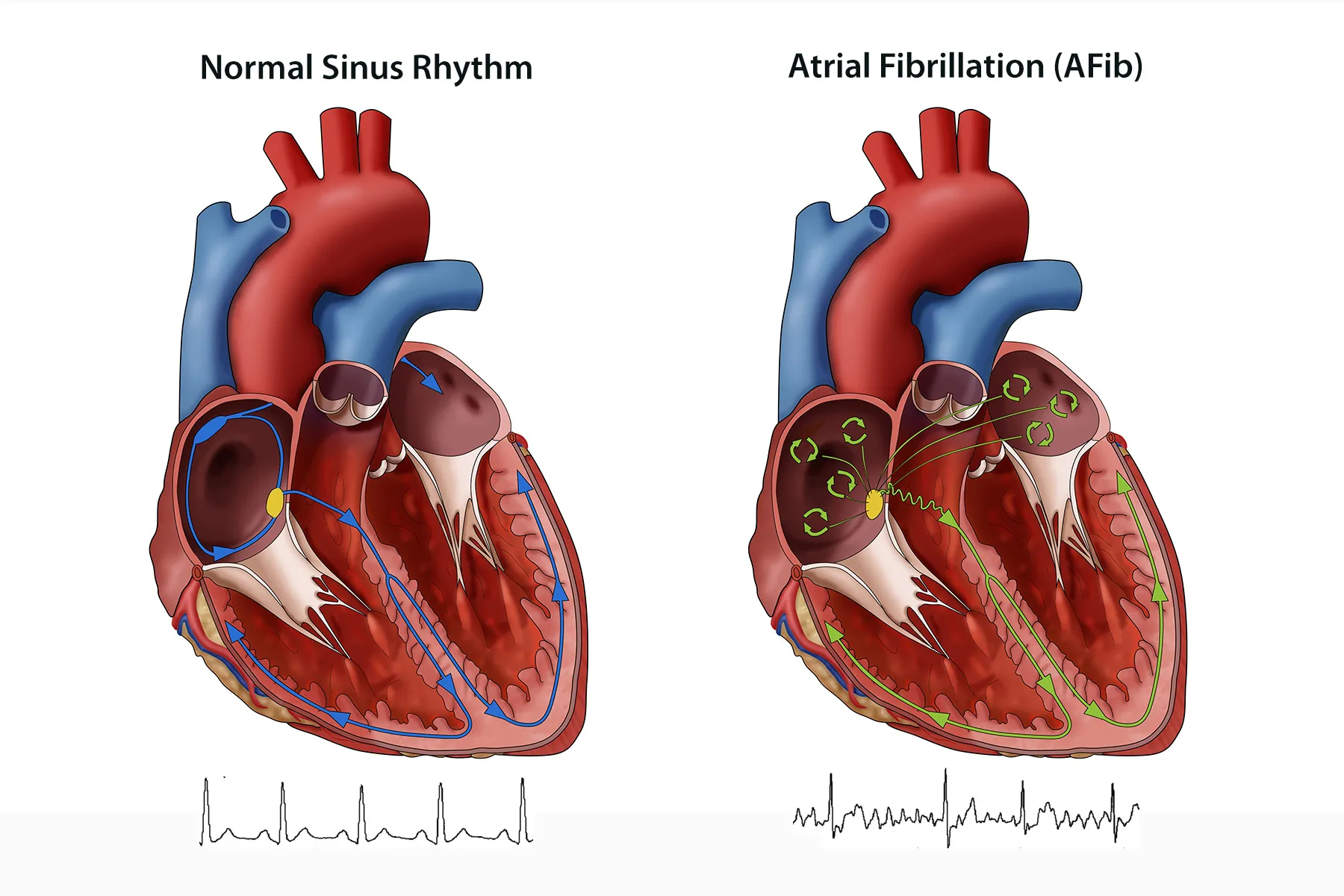
For chronic pain conditions, RFA can be used to interrupt the transmission of pain signals along specific nerve pathways. In cases such as atrial fibrillation, it works by cauterizing small areas of heart tissue, forming scar tissue that blocks irregular electrical impulses. People researching How long to heal after heart ablation for atrial fibrillation should know that while surface healing is rapid, the heart tissue continues to remodel internally over several weeks.
To precisely guide the probe, doctors often rely on imaging tools such as ultrasound or CT scan to identify the most accurate treatment location.
Uses
Radiofrequency ablation is used in a variety of medical scenarios, including:
- reducing abnormal growths or tumors
- treating chronic back or neck pain
- relieving pain linked to arthritis, fibromyalgia, sciatica, cancer, kidney stones, or other disorders
- resolving chronic venous insufficiency in the legs
- managing atrial fibrillation (irregular heartbeat)
Although RFA may occasionally be used for very small cancerous tumors, it is more commonly reserved for benign or precancerous growths. When applied in cancer treatment, it is performed under strict monitoring and careful follow‑up.
A 2022 review reported that RFA is often considered when conservative therapies fail to provide adequate relief. It may also be selected before moving forward with more invasive surgical approaches.
For cardiac rhythm disorders, many patients also ask about long‑term outcomes, including Life expectancy after cardiac ablation SVT, which can vary depending on overall heart health and the success of the procedure.
What to expect
Before
Prior to the procedure, you can expect:
- to complete any required diagnostic evaluations
- your doctor to review the procedure and address your questions
- instructions to avoid eating, drinking, or smoking for a certain period beforehand
- guidance on temporarily stopping specific medications if necessary
If you are preparing for cardiac ablation, your healthcare team may provide additional instructions related to heart rhythm monitoring and blood thinners.
During
During the procedure, you may experience:
- local anesthesia to numb the treatment site
- imaging guidance to confirm correct probe positioning
- a small incision to allow insertion of the RFA probe
- application of radiofrequency energy to the target area for about 60 to 90 seconds
For heart procedures, additional catheters may be inserted through blood vessels to map abnormal electrical pathways before ablation begins.
After
Following RFA, most individuals:
- return home the same day
- resume regular activities within 24 hours
- notice mild bruising or soreness at the insertion site
- use over‑the‑counter (OTC) pain medication if needed
When considering How long to heal after heart ablation, many patients feel improvement within days, but cardiologists often recommend avoiding strenuous activity for about a week to support optimal recovery.
Possible risks and complications
RFA is generally considered safe and typically carries fewer risks than open surgery.
However, potential risks and side effects include:
- infection or bleeding at the insertion site
- swelling or bruising at the insertion site
- temporary weakness or numbness in the treated area
- with thyroid RFA, a small risk of voice changes that may be permanent
- allergic reactions to dyes or medications used during the procedure
- rarely, skin burns and injuries to motor neurons
For heart ablation, there may also be small risks related to blood vessel injury or arrhythmia recurrence, which your cardiologist will discuss beforehand.
Recovery and outlook
Most individuals return to their typical routines within a day of the procedure. After 24 hours, elastic bandages placed over the treatment area can usually be removed.
Recovery time depends on the condition treated. For musculoskeletal pain, symptom relief may appear gradually over several weeks as inflammation subsides. For atrial fibrillation, doctors often explain that full stabilization of heart rhythm can take up to three months, even though physical healing is much faster. This is an important consideration for those researching How long to heal after heart ablation for arrhythmia management.
Ongoing research supports RFA’s effectiveness in multiple conditions:
- Knee osteoarthritis: A 2022 study involving more than 1,000 participants with knee osteoarthritis found RFA to be both safe and effective in enhancing knee function and decreasing pain.
- Degenerative disc disease: A small 2020 study indicated that RFA may help reduce pain in people with degenerative disc disease.
- Atrial fibrillation: In a 2024 study of people with atrial fibrillation who underwent RFA, 82% had no atrial arrhythmia, and 90% were able to stop taking anti-arrhythmic medication after 1 year.
- Sacroiliac joint pain: A 2023 study demonstrated that cooled RFA was more effective for pain relief than standard medical management. Cooled RFA is a subtype of RFA that uses internally cooled electrodes to treat larger regions.
Frequently asked questions
How painful is it?
Because local anesthesia reduces discomfort during the procedure, RFA is typically well tolerated. Individual pain thresholds vary, but post‑procedure soreness is usually mild and manageable with OTC pain medication.
How long does recovery take?
Most people resume usual activities within a day, though you should always adhere to your doctor’s personalized instructions, particularly after cardiac ablation.
How much does RFA cost?
The price of RFA varies depending on the condition treated, the size of the treatment area, and the healthcare facility.
A 2018 study estimated the cost of RFA for varicose veins at approximately $1,465 CAD (about $1,074 USD) per patient, around $110 to $220 more than open vein surgery. Despite the higher cost, researchers found similar effectiveness with fewer risks and complications.
Costs in the United States may be significantly higher.
According to a 2023 study, RFA for thyroid nodules costs about $5,000 out of pocket per treatment. Over 21 years, patients paid an average of $15,563. In comparison, a lobectomy exceeds $19,000.
Medicare Part B or private insurance may cover part or all of the procedure, depending on eligibility and medical necessity.
The bottom line
Radiofrequency ablation provides a minimally invasive solution for treating conditions ranging from chronic pain to tumors and atrial fibrillation. Compared with many open surgical procedures, it generally involves shorter downtime and a lower complication rate.
If you are considering this treatment and wondering How long to heal after heart ablation or another type of RFA, speak with your healthcare provider for individualized guidance. A thorough discussion of benefits, risks, and expected recovery can help you make an informed decision tailored to your health needs.




















Leave a Reply
You must be logged in to post a comment.