

Key takeaways
Atrial fibrillation (AFib) is a frequent, and often short-lived, complication following coronary artery bypass surgery. It is marked by an irregular and rapid heartbeat caused by abnormal electrical activity in the heart’s upper chambers.
The likelihood of developing AFib after bypass surgery is influenced by existing medical conditions and additional risk factors, with symptoms most commonly appearing 2–3 days after the operation.
Although AFib after bypass surgery is typically temporary, it is linked to elevated short- and long-term cardiovascular risks, including stroke. Management often includes oral anticoagulation and medications to regulate heart rate as part of comprehensive Postoperative tachycardia treatment.
Coronary artery bypass surgery, often referred to simply as bypass surgery, involves removing a healthy blood vessel from another area of the body and grafting it to reroute blood around a blocked coronary artery.
Atrial fibrillation (AFib) is a type of irregular heartbeat characterized by disorganized electrical signals in the heart’s upper two chambers (atria), frequently leading to a rapid pulse.
AFib is among the most common complications after bypass surgery. While it often resolves on its own, evidence suggests it may be associated with higher short- and long-term risks of cardiovascular complications, including stroke. Early recognition and appropriate Postoperative tachycardia treatment are important to reduce potential adverse outcomes.
Below, we explore why AFib can occur after bypass surgery and how it is typically diagnosed and managed.
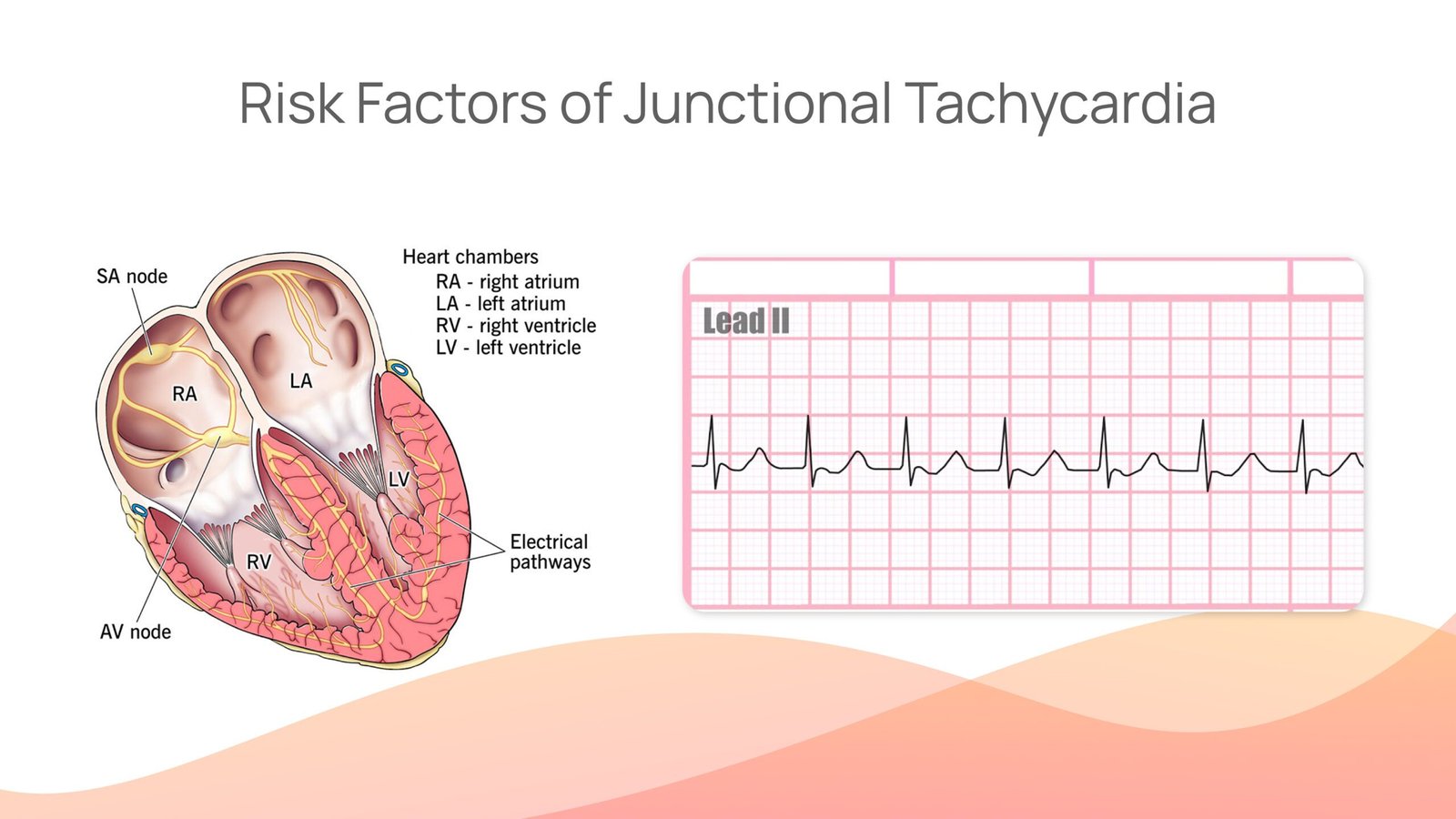
What causes AFib after bypass surgery?
AFib is the most common complication of heart surgery. The mechanisms behind AFib after bypass surgery are multifactorial and involve several interacting processes, including:
- direct physical stress and inflammation affecting the heart tissue during surgery
- alterations in the sympathetic nervous system following the procedure
- adverse effects related to certain medications
- reduced blood flow to the atrium (ischemia)
- electrolyte disturbances and other biochemical imbalances in the bloodstream
- the onset of severe complications such as sepsis
- changes in intracardiac blood flow dynamics
Understanding What causes tachycardia after surgery can also provide insight into why AFib and other forms of postoperative rapid heart rate develop, as inflammation, stress responses, and fluid shifts often overlap.
How common is AFib after bypass surgery?
Each year, more than 200,000 people in the United States undergo coronary bypass surgery. AFib is the most frequently reported complication, occurring in approximately 15–45% of patients. In many cases, it resolves within 6 weeks.
Research indicates that individuals who experience AFib after surgery may face a 2–4 times greater risk of stroke compared with those who do not develop this arrhythmia. This underscores the importance of careful monitoring and appropriate Postoperative tachycardia treatment strategies.
What are the symptoms of AFib after bypass surgery?
Common symptoms of AFib include:
- a very rapid heart rate, sometimes exceeding 100 beats per minute
- lightheadedness or dizziness
- shortness of breath
- unusual tiredness or fatigue
- noticeable heart palpitations
However, some individuals remain asymptomatic, meaning AFib is detected only through cardiac monitoring rather than noticeable symptoms.
Learn more about the symptoms of AFib.
Who gets AFib after bypass surgery?
AFib following bypass surgery appears more often in individuals with specific medical conditions or identifiable risk factors.
In a 2021 review of studies, researchers highlighted the following factors associated with increased risk:
- advanced age
- high blood pressure
- preexisting kidney failure
- elevated presurgery serum creatinine levels
- lower presurgery hemoglobin levels
- reduced left ventricular ejection fraction
- longer operative time
- requirement for repeat surgery
- use of inotropes postsurgery
- development of kidney failure after surgery
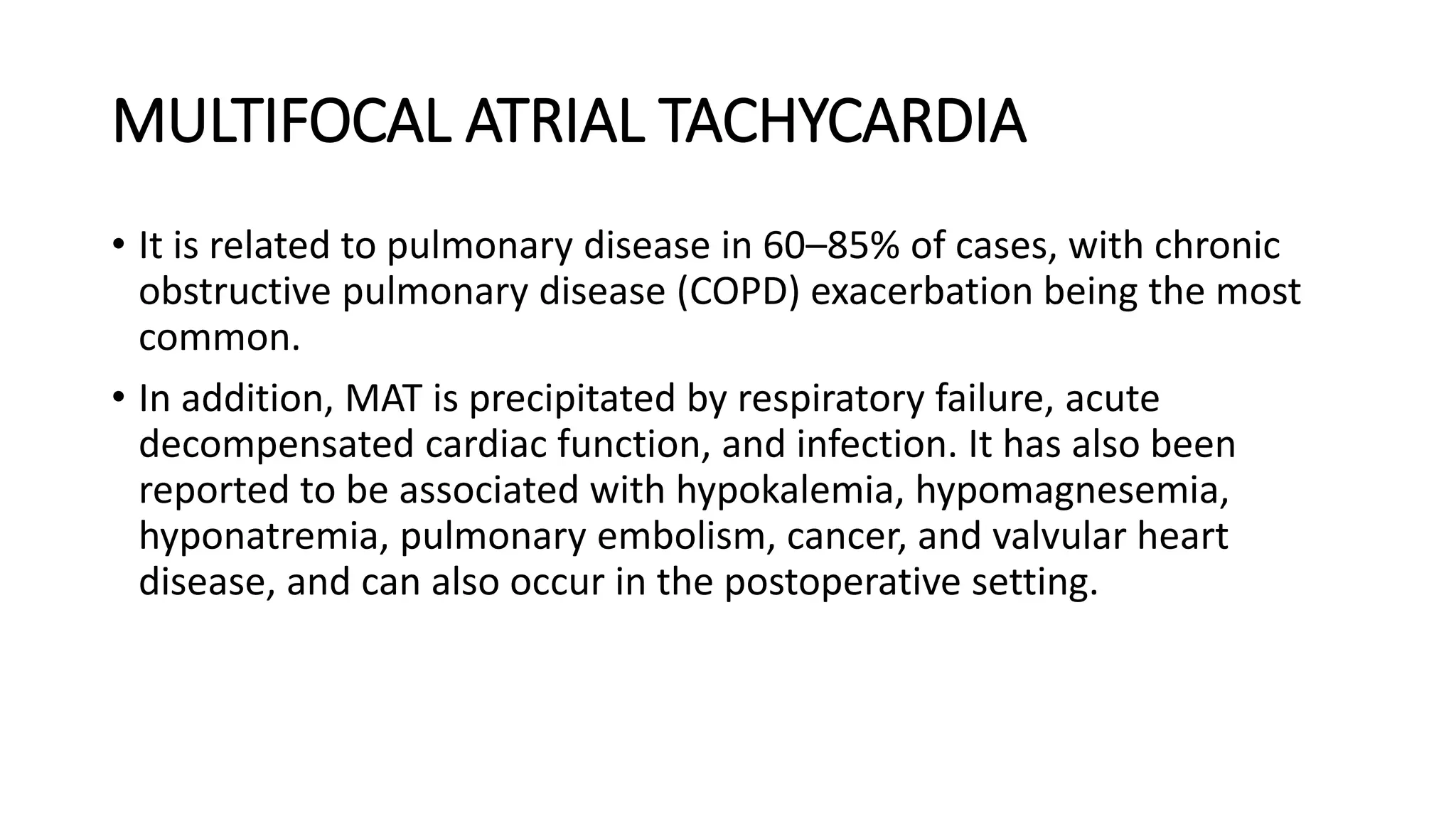
Evidence suggests that AFib most commonly emerges 2–3 days after the surgical procedure. For many patients wondering about recovery timelines, understanding How long does postoperative tachycardia last can offer helpful context, as rhythm disturbances often follow a predictable short-term course.
Complications of AFib after bypass surgery
Patients who develop AFib may have a heightened likelihood of stroke and other cardiovascular complications both shortly after surgery and over the long term.
In a 2021 study, investigators evaluated 7,368 individuals in Sweden who developed AFib after bypass surgery between 2007 and 2015, with a median follow-up of 4.5 years.
The study found that AFib was linked to an increased risk of:
- ischemic stroke by 18% (95% confidence intervals from 5–32%)
- thromboembolic episodes by 16% (95% confidence intervals from 5–28%)
- heart failure requiring hospitalization by 35% (95% confidence intervals from 21–51%)
- recurrent AFib by 316% (95% confidence intervals from 276–360%)
Additional research indicates that individuals who experience AFib after surgery may have approximately a four times higher risk of stroke in subsequent years.
How is AFib after bypass surgery diagnosed?
AFib is typically identified using a standard 12-lead electrocardiogram (ECG) or through continuous cardiac monitoring, also known as telemetry.
Telemetry is used in roughly 75% of postsurgical cases to detect AFib. This method continuously records heart rhythm over several days, allowing healthcare teams to promptly recognize irregular patterns that may require Postoperative tachycardia treatment.
How is AFib after bypass surgery treated?
Current international guidelines advise oral anticoagulation for patients who develop AFib after bypass surgery to lower the risk of stroke.
The 2023 ACC/AHA/ACCP/HRS guidelines strongly recommend the following approaches as part of comprehensive Postoperative tachycardia treatment:
- beta-blockers to control heart rate; if these are ineffective or contraindicated, calcium channel blockers are recommended
- medications aimed at heart rate or heart rhythm control as first-line therapy
- direct current cardioversion, which delivers a synchronized electrical shock to restore normal rhythm
- antiarrhythmic drug therapy for individuals who have not received anticoagulation medications and have experienced AFib for more than 48 hours
Guidelines further recommend continuing anticoagulation therapy for 60 days after surgery when it is considered safe, unless complications arise.
For patients already receiving heart rate control medications, clinicians may reassess heart rhythm 30–60 days after surgery and evaluate whether direct current cardioversion is appropriate if anticoagulation alone has not restored normal rhythm.
Can you prevent AFib after bypass surgery?
Ongoing research continues to investigate the most effective ways to prevent AFib following heart surgery.
Preoperative use of beta-blockers has been associated with a lower incidence of AFib. In individuals considered high risk, physicians may also prescribe the antiarrhythmic medication amiodarone to reduce the likelihood of postoperative arrhythmias.
Optimizing blood pressure, managing electrolyte levels, and carefully monitoring fluid balance during and after surgery are additional supportive strategies that may decrease the need for intensive Postoperative tachycardia treatment.
Frequently asked questions about AFib after bypass surgery
How serious is AFib after bypass surgery?
Research from 2022 links AFib after bypass surgery with extended hospital stays and a greater risk of cardiovascular events after the operation. Nevertheless, many individuals recover fully without lasting complications when appropriately treated.
Does AFib go away after surgery?
AFib that arises after surgery is frequently temporary. Physicians commonly recommend anticoagulation medications and, in some cases, antiarrhythmic therapy to minimize the risk of stroke and other complications while the heart rhythm stabilizes.
How long does AFib last after bypass surgery?
Approximately 15–20% of postoperative AFib episodes resolve within several hours. More than 90% resolve within 6 weeks.
Takeaway
AFib is one of the most frequently observed complications after bypass surgery. Although it is often temporary and self-limited, it can increase the risk of stroke and other cardiovascular complications. Early detection and appropriate Postoperative tachycardia treatment are essential for improving outcomes.
Medications such as beta-blockers and amiodarone may help reduce the likelihood of developing AFib after surgery. Discussing your individual risk factors and preventive strategies with your surgical team before the procedure can help you better prepare and understand what to expect during recovery.


















Leave a Reply
You must be logged in to post a comment.