
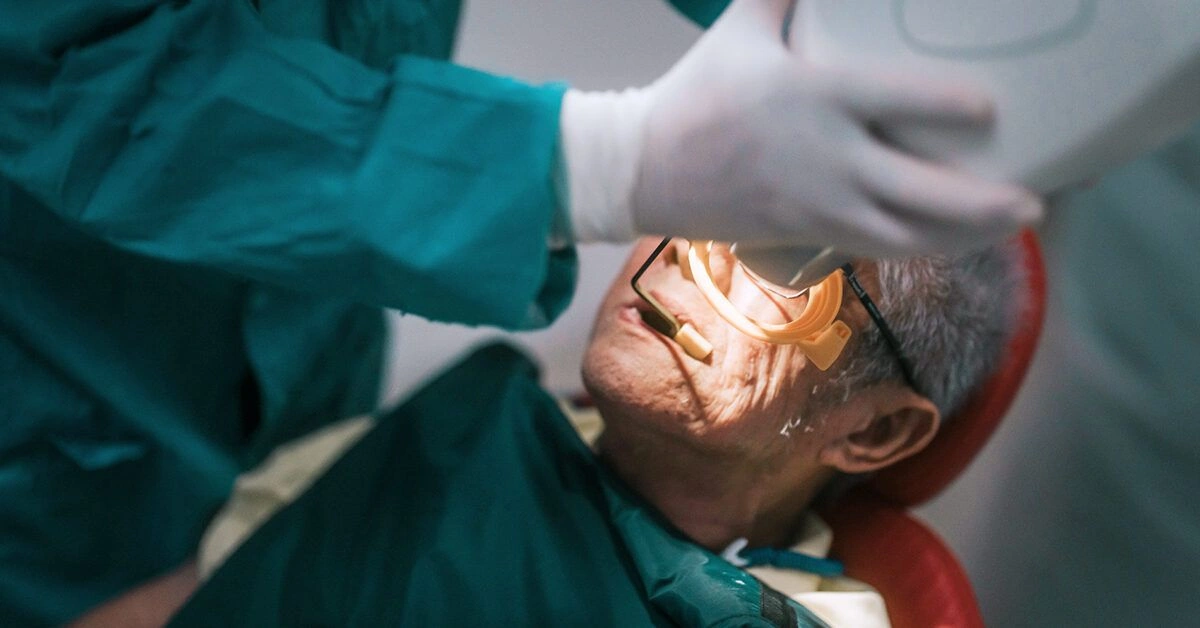
Oral cavity cancer describes any cancer that forms within the mouth, including the lips, tongue, inner cheeks, or gums. Many people searching for Gum cancer pictures are trying to recognize early warning signs, such as unusual sores or patches. One of the hallmark symptoms is a mouth ulcer that does not heal.
About 53,000 people in the United States are diagnosed with oral cavity cancer each year. This condition occurs more often in individuals over 40 years old and is approximately 2 times more common in people assigned male at birth than in those assigned female.
Certain lifestyle factors can raise the likelihood of developing this cancer, particularly tobacco use (smoking or chewing) and heavy alcohol intake. Viral infections such as HPV, prolonged sun exposure, and inadequate nutrition may also contribute to increased risk. Understanding how oral cancer appears—often through Gum cancer pictures and clinical images—can help with earlier recognition and prompt medical evaluation.
This article outlines the symptoms, diagnostic process, treatment approaches, and outlook for people living with oral cavity cancer, with additional context to support awareness and prevention.
What is oral cavity cancer?
Oral cavity cancer includes any malignancy that develops in the tissues of the mouth. It is also commonly called oral cancer or mouth cancer.
Oral cavity cancer may affect the:
- lips
- gums
- tongue
- roof of the mouth
- floor of the mouth under your tongue
- inner part of the cheeks
- tonsils
- saliva glands
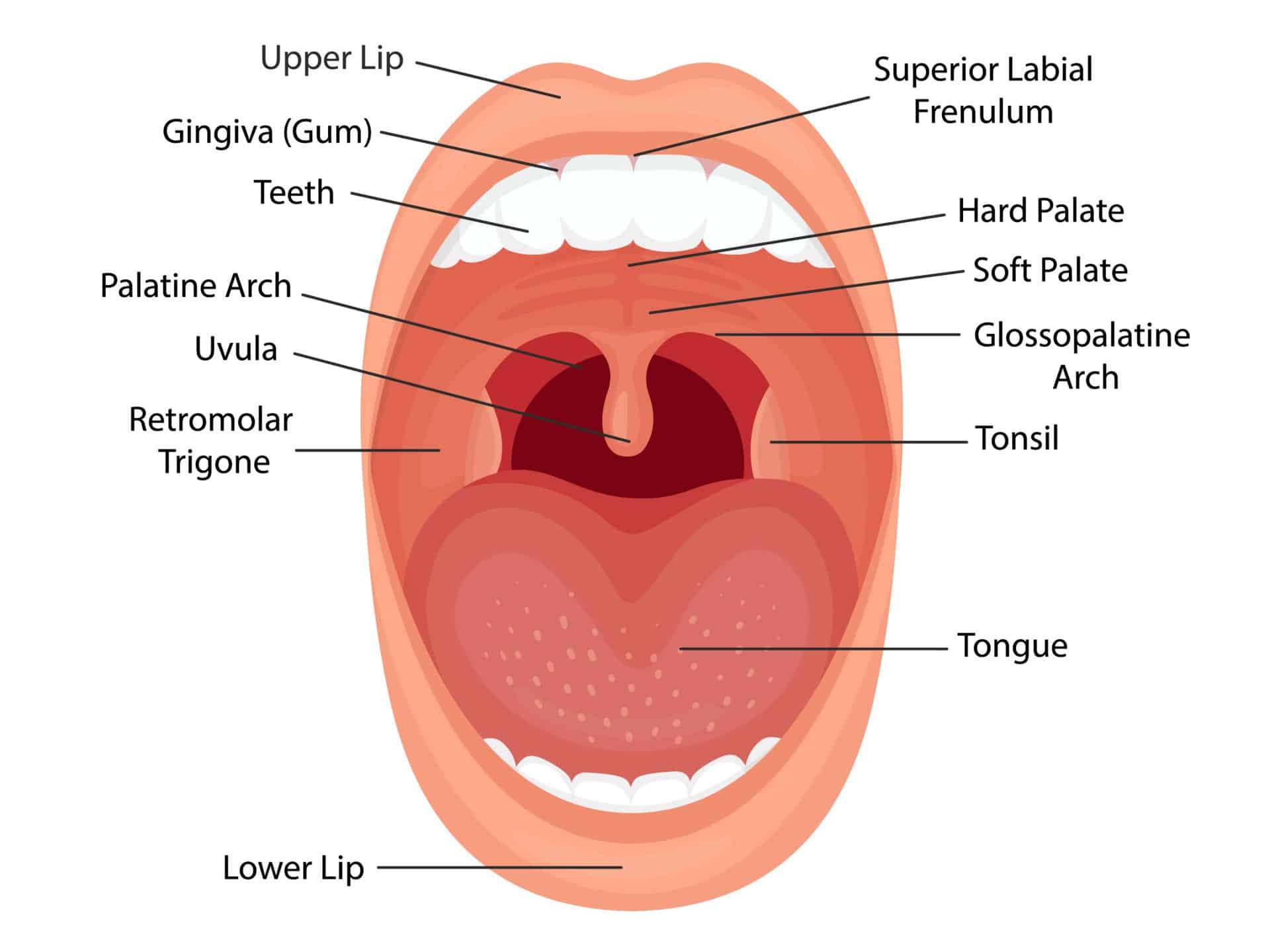
About 90% of oral cavity cancers are classified as squamous cell carcinoma, which begins in the thin, flat cells lining the mouth. However, other cancer types can also occur, including:
- adenocarcinoma
- lymphoma
- oral malignant melanoma
- sarcoma
Reviewing Gum cancer pictures and clinical photo galleries can provide visual examples of how these cancers may present, although a medical examination is always required for diagnosis.
What are the primary symptoms of oral cavity cancer?
One of the most frequently reported signs of oral cavity cancer is a mouth ulcer that doesn’t heal in 3 weeks. Persistent sores, especially on the gums or tongue, should never be ignored.
Additional symptoms of oral cavity cancer may include:
- a mass (swelling) in the mouth that doesn’t go away
- difficulty chewing or swallowing
- unexplained numbness or unusual feeling on the lip or tongue
- loose teeth or teeth sockets that don’t heal after dental extractions or other medical treatment
- changes in speech
Some people also notice red or white patches inside the mouth, bleeding without a clear cause, or persistent pain. Comparing symptoms with trusted resources such as Mouth cancer pictures early stages may help you understand what early abnormalities can look like, but self-diagnosis should be avoided.
What does oral cavity cancer look like?
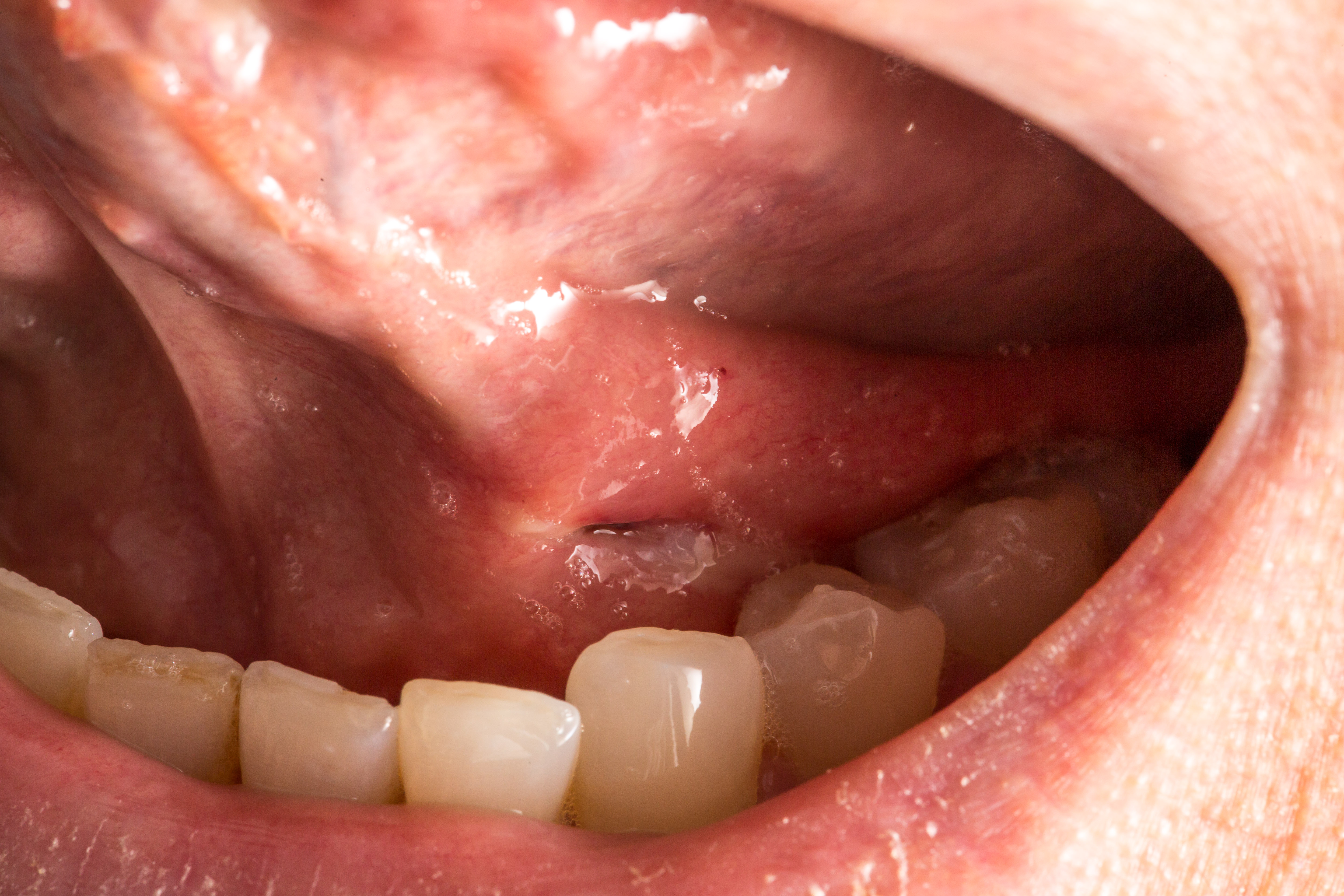
In early stages, oral cavity cancer may appear as white patches (leukoplakia) or red patches (erythroplakia) along the lining of the mouth. On the gums, suspicious changes may resemble inflamed, thickened, or ulcerated tissue. Viewing reliable Gum cancer pictures can offer helpful visual guidance, including examples like Oral cancer black spot on gums photos, which show how discoloration may present in certain cases.
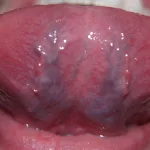
The gallery below illustrates how oral cancer can look in different areas of the mouth. Keep in mind that only a healthcare professional can determine whether a lesion is cancerous.

Who’s at risk for oral cavity cancer?
The most common risk factors for oral cavity cancer are smoking or chewing tobacco and/or regularly consuming large amounts of alcohol. The combined use of tobacco and alcohol significantly increases risk compared with either factor alone.
Other risk factors for oral cavity cancer include:
- human papillomavirus (HPV
- poor nutrition
- ultraviolet exposure
- having other underlying conditions that can weaken your immune system
Long-term sun exposure particularly affects the lips, while a weakened immune system may reduce the body’s ability to eliminate abnormal cells. Maintaining a balanced diet rich in fruits and vegetables, limiting alcohol intake, avoiding tobacco, and practicing safe sun habits are practical steps that may help lower risk.
Should you have regular screening for oral cavity cancers?
At this time, there are no population-based screening programs for oral cancer. However, dentists typically examine the mouth for suspicious lesions during routine dental checkups, which can support early detection.
If you are considered high risk, a doctor can advise how often you should be evaluated for signs of cancer. Regular dental visits, especially for those with a history of tobacco or heavy alcohol use, are an important preventive measure.
You can also perform self-check exams at home by inspecting your gums, tongue, and inner cheeks for sores, color changes, or lumps. If you notice anything unusual that persists beyond two to three weeks, seek professional care promptly.
How is oral cavity cancer diagnosed?
If a healthcare professional suspects oral cavity cancer, they may perform a biopsy. During this procedure, a small tissue sample is removed from the suspicious area and sent to a laboratory for detailed analysis.
Your doctor may also recommend a diagnostic test known as a nasendoscopy. In this procedure, a thin flexible tube is inserted through the nose to reach the throat. The device contains a light and camera, allowing the doctor to look for abnormal growths.
Another technique is a panendoscopy, which uses a larger tube. During a panendoscopy, doctors may also remove small tumors if detected.
If a biopsy confirms oral cancer, further imaging tests may be necessary to determine the stage and whether the cancer has spread. These tests may include:
- MRI scan
- ultrasound scan
- CT scan
- PET scan
- X-ray
Staging is essential because it guides treatment decisions and helps estimate prognosis.
How is oral cavity cancer treated?
Treatments for oral cavity cancer vary depending on the cancer’s stage, size, and location. Your doctor will recommend the most appropriate treatment based on your individual circumstances.
Treatment options include:
- Surgery: Surgery is often used to remove tumors detected in early stages. Nearby lymph nodes may also be removed to reduce the risk of spread.
- Radiation therapy: Radiation therapy uses high-energy beams to destroy cancer cells. It may be used when surgery is not possible or after surgery to lower the chance of recurrence.
- Chemotherapy: Anti-cancer medications are administered to kill cancer cells. Chemotherapy may be used if surgery is not feasible or to decrease the risk of the cancer returning.
- Chemoradiation: This approach combines chemotherapy and radiation therapy for a more intensive treatment strategy.
- Targeted therapy: Targeted therapy medications focus on specific mechanisms that allow cancer cells to grow, spread, and survive.
Rehabilitation, including speech therapy or nutritional counseling, may also be part of recovery, especially if treatment affects eating or speaking.
What’s the outlook for someone with oral cavity cancer?
Detecting cancer at an early stage significantly improves survival outcomes. Early diagnosis can increase the survival rate of people with oral cavity cancer from 39.3% to 86.6%. The overall 5-year survival rate (all stages combined) is 68%.
The tables below show 5-year relative survival rates based on cancer location. The data comes from the Surveillance, Epidemiology, and End Results (SEER) database, maintained by the National Cancer Institute and collected between 2012 and 2018.
Floor of the mouth
| SEER stage | 5-year relative survival rate |
|---|---|
| localized | 73% |
| regional | 42% |
| distant | 23% |
| all stages combined | 53% |
Lip
| SEER stage | 5-year relative survival rate |
|---|---|
| localized | 94% |
| regional | 63% |
| distant | 38% |
| all stages combined | 91% |
Tongue
| SEER stage | 5-year relative survival rate |
|---|---|
| localized | 84% |
| regional | 70% |
| distant | 41% |
| all stages combined | 69% |
Takeaway
Oral cavity cancer affects about 53,000 people in the United States each year and can develop in any area of the mouth, including the lips, tongue, and gums. Many individuals begin by searching for Gum cancer pictures to compare symptoms, especially when they notice a sore that does not heal.
Major risk factors include smoking cigarettes, chewing tobacco, and regularly consuming large amounts of alcohol. HPV infection, sun exposure, and poor nutrition may also play a role.
Early detection and timely treatment greatly improve survival rates. If you observe persistent sores, unusual patches, swelling, or other concerning symptoms in your mouth, schedule an appointment with a dentist or doctor as soon as possible. Prompt evaluation can make a meaningful difference in outcomes.



















Leave a Reply
You must be logged in to post a comment.