Cardiovascular
The Cardiovascular section offers the latest research and expert insights, focusing on prevention, treatment, and management of heart and blood vessel-related conditions.

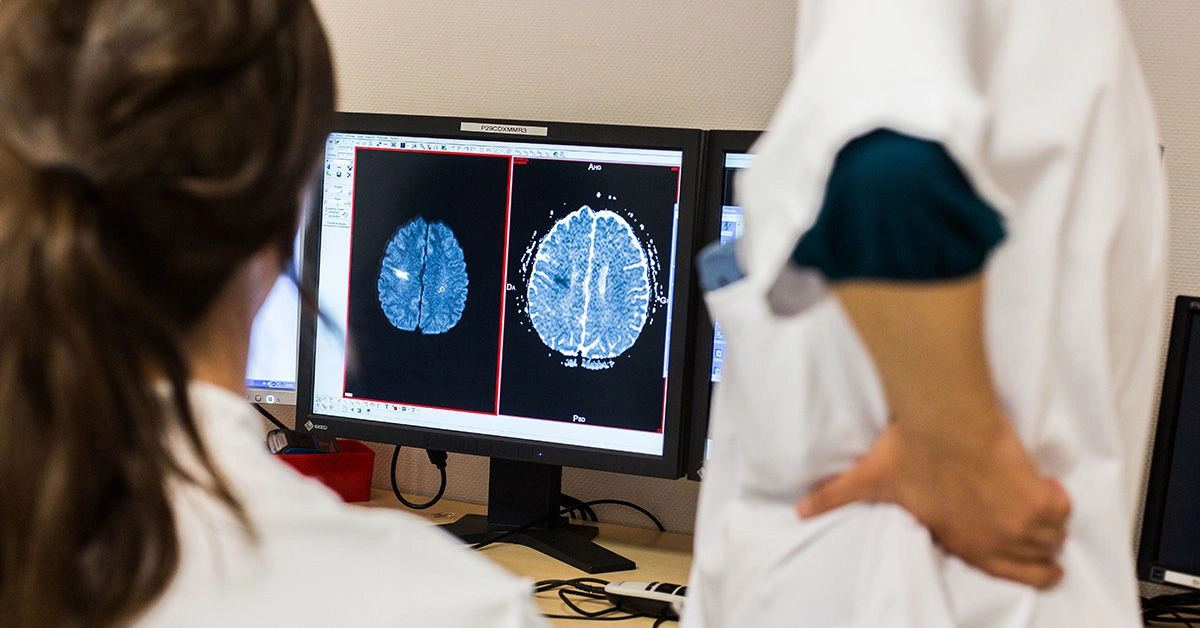
What Is a Thrombotic Stroke?
Key takeaways A thrombotic stroke happens when a blood clot forms within an artery, cutting off blood supply to part of the brain. It’s the most frequent form of ischemic stroke. Thrombotic strokes can involve either large or small arteries, producing different signs and outcomes. Large vessel occlusions may lead to major injury, while lacunar strokes carry risks of recurrent strokes and cognitive decline. Controlling risk factors such as high…

Arterial and Venous Ulcers: What’s the Difference?
Overview Arterial and venous ulcers are two varieties of open sores that can appear on the body. They commonly occur on the lower limbs, such as the legs and feet. Arterial ulcers arise from damage to the arteries caused by inadequate blood flow to the tissue. Venous ulcers develop from harm to the veins due to an insufficient return of blood to the heart. Unlike many other wounds, these leg…
Understanding Open-Heart Surgery
Open-heart surgery is a major cardiac procedure that involves opening the chest to operate on the heart’s muscles, valves, or arteries. Proper postoperative care, including careful attention to your incision and overall health, plays a crucial role in reducing potential complications and supporting healing. For individuals researching open heart surgery cost near webster, ny, understanding the procedure itself, recovery expectations, and possible risks is just as important as evaluating financial…
What’s the Life Expectancy for Congestive Heart Failure?
Key takeaways Life expectancy with congestive heart failure depends on factors such as age, stage at diagnosis, heart function, and overall health. Treatment options such as SGLT2 inhibitors, other medications, surgery, and lifestyle modifications can help control congestive heart failure. Lifestyle strategies including lowering sodium and alcohol intake, staying physically active, monitoring weight, and quitting smoking may help slow the progression of congestive heart failure. When discussing long-term heart health,…
How Long Do Heart Transplants Last?
Undergoing a heart transplant can be a life-saving treatment for people with advanced heart disease. With a donated heart, many individuals go on to live for years or even decades. However, predicting exactly how long a transplanted heart will function can be challenging, as outcomes vary from person to person. A heart transplant is a complex surgical procedure in which a failing or severely diseased heart is removed and replaced…
Healthgrades Names America’s Best Hospitals for 2026
(Healthgrades has announced the recipients of its annual ‘America’s Best Hospitals’ awards, which recognizes extraordinary care from the top hospitals nationwide. Photo by: Education Images/Universal Images Group via Getty Images) Healthgrades has published its 2024 list of America’s Best Hospitals. These institutions represent the top 1% of hospitals across the country. The rankings were derived from an evaluation of nearly 4,500 hospitals. Thirty of the most frequently treated conditions and…
What Is Atrial Tachycardia?
Atrial tachycardia is an abnormal heart rhythm in which the upper chambers of the heart beat faster than normal. During an episode of atrial tachycardia, your heart rate can rise above 100 beats per minute (bpm), even when you’re at rest. (img by REBEL EM) This condition belongs to a broader category known as arrhythmia. Arrhythmias are disorders marked by a heart rate that may be: faster than normal slower…
What Causes Atrial Fibrillation Following Heart Bypass Surgery, and How Is It Treated?
Key takeaways Atrial fibrillation (AFib) is a frequent, and often short-lived, complication following coronary artery bypass surgery. It is marked by an irregular and rapid heartbeat caused by abnormal electrical activity in the heart’s upper chambers. The likelihood of developing AFib after bypass surgery is influenced by existing medical conditions and additional risk factors, with symptoms most commonly appearing 2–3 days after the operation. Although AFib after bypass surgery is…
Radiofrequency Ablation: An Overview
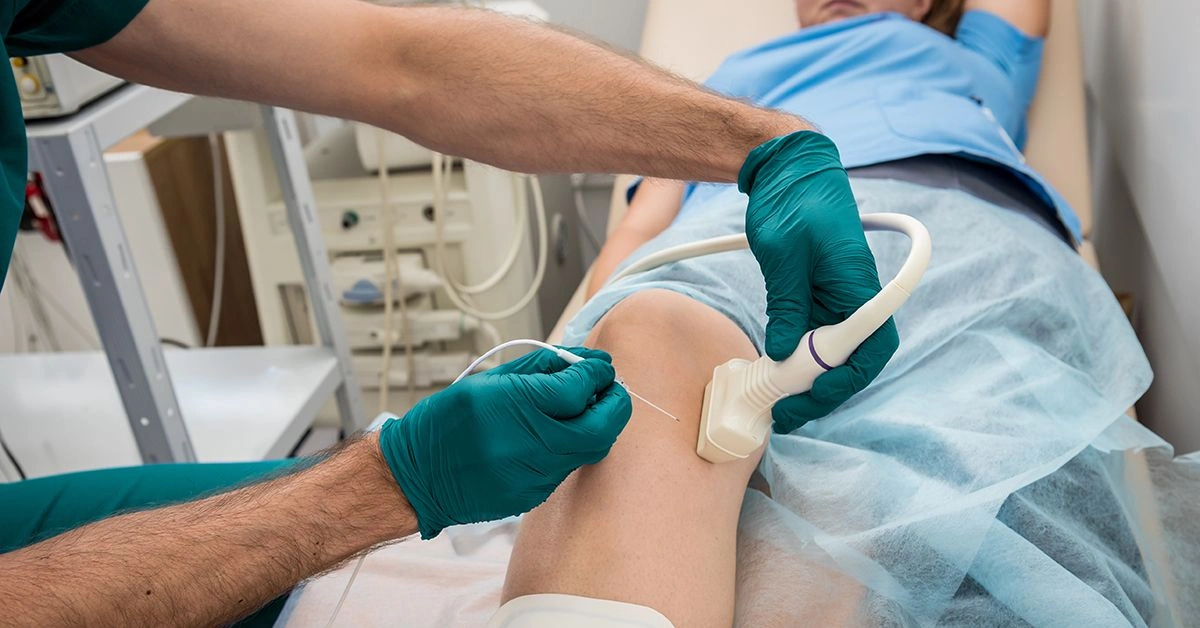
Radiofrequency ablation (RFA) is a minimally invasive procedure that uses high‑energy radio waves to shrink precancerous cells. It is also widely used to manage chronic pain, irregular heartbeat, and venous insufficiency. (romaset/Getty Images) Healthcare professionals may also recommend RFA for osteoarthritis, joint pain, and degenerative disc disease. Because it is less invasive than traditional open surgery, radiofrequency ablation often involves fewer complications and a quicker healing timeline. For individuals wondering…
Heart Ablation: How Long It Takes to Heal After This Procedure
The procedure commonly performed to correct arrhythmias generally involves a brief recovery period, yet specific precautions are essential to maintain strong and stable heart function. Many patients who undergo this treatment also wonder about Life expectancy after heart ablation and how the procedure may influence their long-term heart health. Heart ablation works by forming small, controlled scars on areas of heart tissue to interrupt arrhythmias (abnormal electrical rhythms). By disrupting…