

The procedure commonly performed to correct arrhythmias generally involves a brief recovery period, yet specific precautions are essential to maintain strong and stable heart function. Many patients who undergo this treatment also wonder about Life expectancy after heart ablation and how the procedure may influence their long-term heart health.
Heart ablation works by forming small, controlled scars on areas of heart tissue to interrupt arrhythmias (abnormal electrical rhythms). By disrupting faulty electrical signals, the heart can return to a more regular and efficient rhythm.
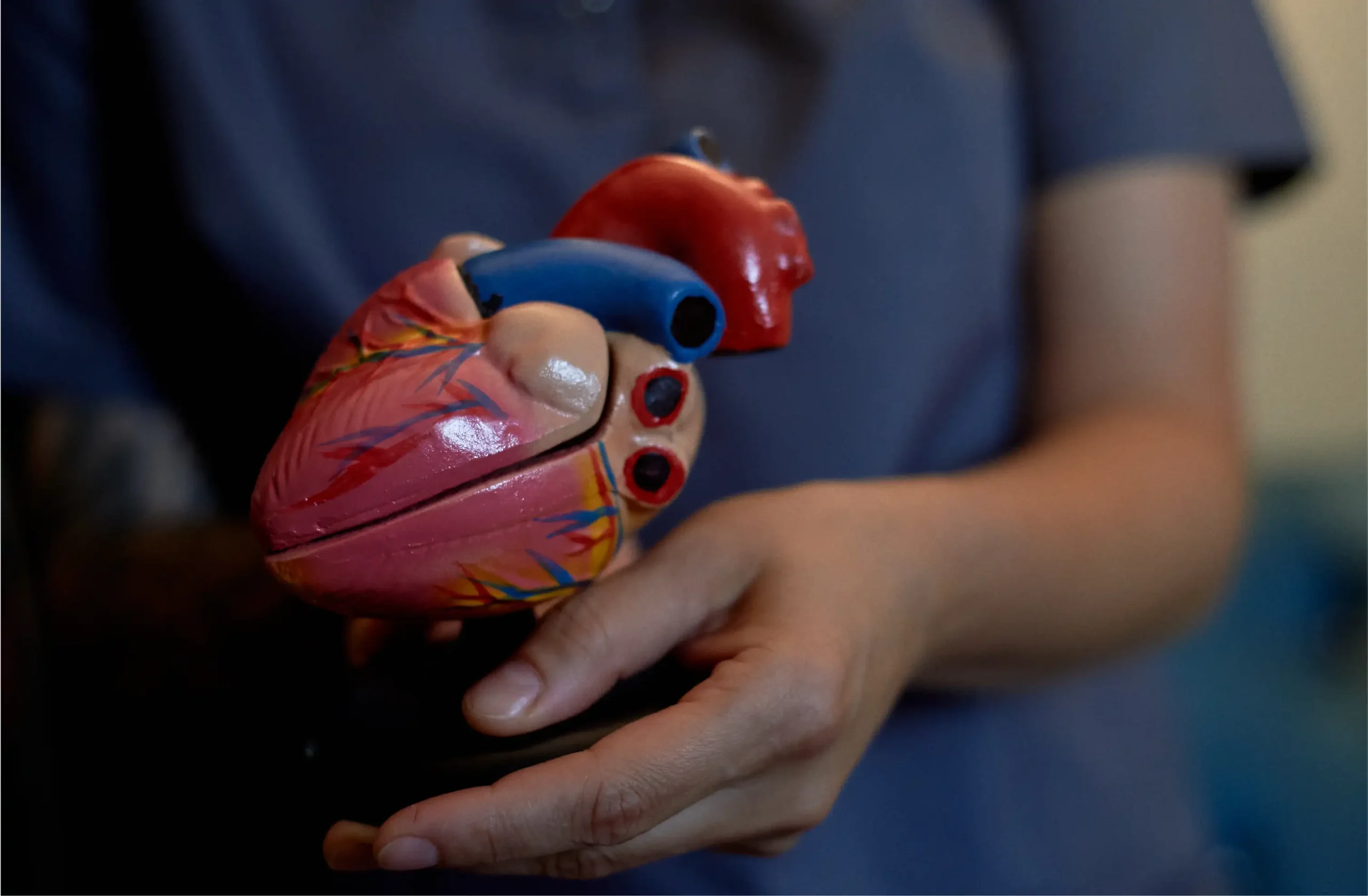
Most people recover within several days. However, committing to a heart-healthy lifestyle is crucial to protect optimal cardiac performance and support long-term outcomes, including maintaining a normal Life expectancy after heart ablation.
This article explains the recovery timeline in greater detail and outlines what you can anticipate following a heart ablation procedure, including how it may affect your overall cardiovascular outlook.
What is a cardiac ablation?
Cardiac ablation is a frequently performed procedure designed to treat arrhythmias such as atrial fibrillation and supraventricular tachycardia. Arrhythmias are electrical disturbances that cause the heart to beat too quickly, too slowly, or in an irregular and inefficient pattern.
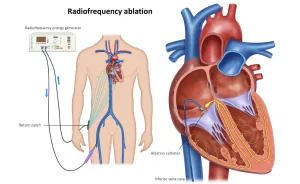
In most cases, cardiac ablation is carried out as a minimally invasive procedure. A catheter is inserted into a blood vessel in the arm or leg and carefully guided to the specific region of the heart responsible for the abnormal rhythm. Once positioned, the catheter delivers radiofrequency waves to “burn” the problematic tissue or uses cold energy (cryoablation) to freeze and disable the targeted cells.
A newer technique known as pulsed field ablation applies electrical pulses to neutralize the malfunctioning cells. Research suggests that pulsed field ablation can be as effective as traditional ablation approaches while potentially lowering the risk of unintended injury to surrounding healthy heart tissue.
In certain situations, ablation may be performed during open heart surgery. This surgical option is typically chosen when a patient is already undergoing heart surgery to correct another cardiac condition.
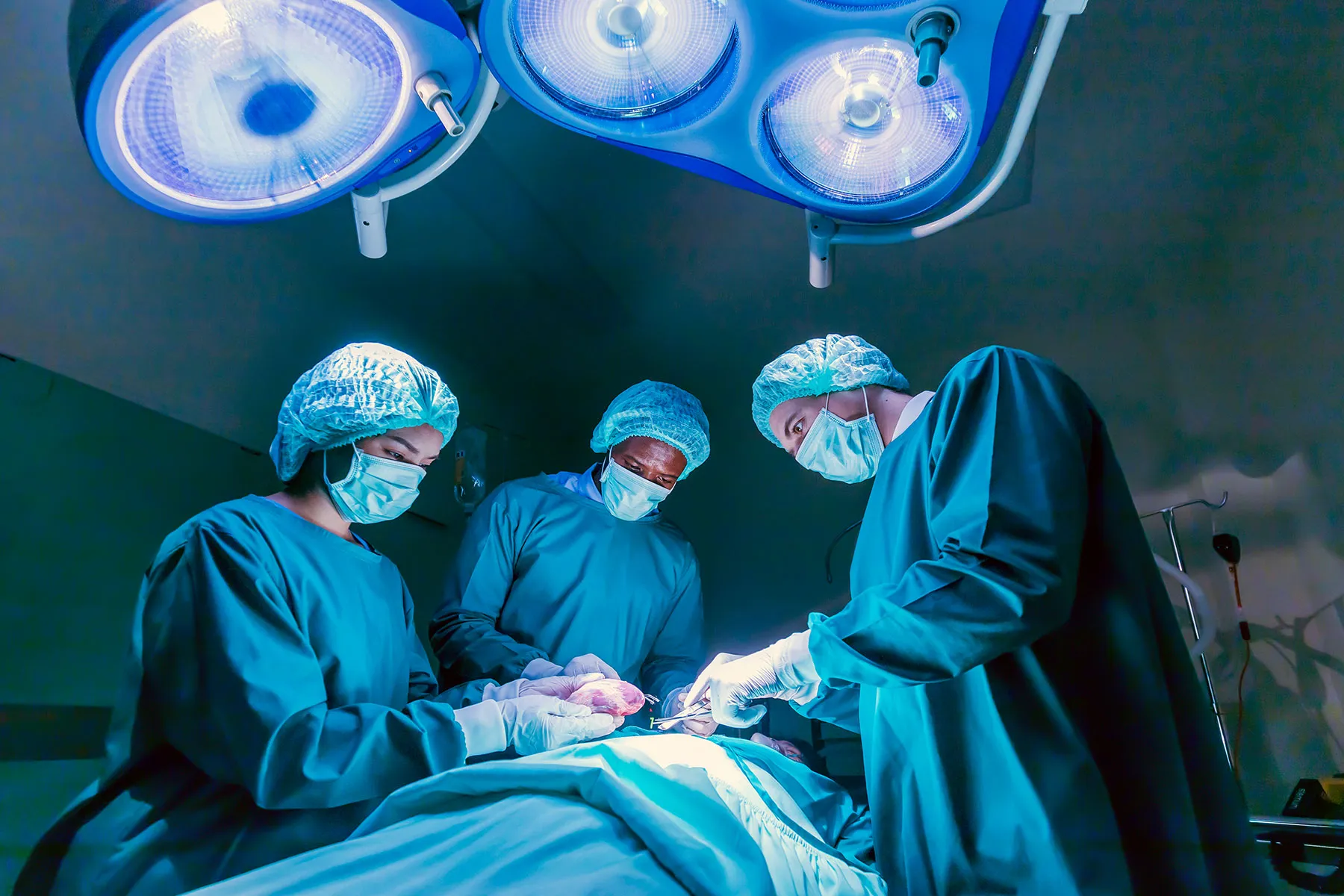
A 2020 study indicates that surgical ablation may offer greater effectiveness compared with catheter ablation. Nevertheless, because surgical procedures involve longer recovery times and higher complication risks, catheter ablation remains the preferred treatment for most individuals.
For patients concerned about safety or long-term survival, it is helpful to review evidence-based data and discuss questions such as Has anyone died from heart ablation with a cardiologist to better understand procedural risks and realistic expectations.
How much time does it take to heal after a heart ablation?
If no complications or side effects arise, most people can resume many routine activities within the next day or two after their ablation.
Even so, taking early precautions is important to allow the heart tissue to heal correctly and to reduce the risk of bleeding, infection, or rhythm disturbances. Proper recovery habits play a role not only in short-term healing but also in preserving long-term heart rhythm stability and supporting favorable Life expectancy after heart ablation.
Some individuals may continue to experience brief episodes of irregular heartbeat after cardiac ablation. This is generally a normal part of the healing process, as inflammation and scar formation can temporarily affect electrical conduction. These episodes usually diminish as the tissue fully recovers.
Why should you rest after a heart ablation?
During the first several hours following ablation, remaining flat is critical to minimize bleeding from the catheter insertion site and to help the small incisions seal properly. Careful monitoring during this time ensures stable heart rhythm and blood pressure.
Over the next few days, gradually increasing activity is recommended. Pushing yourself too quickly can interfere with healing or trigger complications. Adequate rest supports tissue repair, stabilizes heart rhythms, and contributes to a smoother recovery trajectory.
What to expect afterward
Cardiac ablation is considered minimally invasive and is typically associated with a relatively brief recovery period and a timely return to normal daily routines. Understanding the typical healing phases can help ease anxiety and set realistic expectations.
First week(s)
Symptoms of your arrhythmia may persist for several days or even longer after the procedure. This does not necessarily indicate that the ablation was unsuccessful. Temporary rhythm irregularities are common while inflammation subsides and scar tissue forms.
You may also notice increased fatigue in the early days following your procedure. As your heart recovers, listening to your body and resting when needed is essential. Avoid strenuous activity and heavy lifting during this initial period.
1 month
Although mild tiredness may continue, most individuals begin to regain their usual energy levels within a month. During this time, you will typically attend at least one follow-up visit with your doctor to evaluate heart rhythm and overall cardiac function.
This first month is also an ideal opportunity to establish lasting heart-healthy habits. Incorporating moderate physical activity, maintaining a balanced diet rich in fruits, vegetables, whole grains, and lean proteins, prioritizing restorative sleep, and practicing stress reduction techniques can significantly enhance cardiovascular wellness. These lifestyle adjustments are key contributors to sustaining a healthy Life expectancy after heart ablation, especially for people treated for atrial fibrillation.
3 months
By approximately three months, the treated heart tissue should be fully healed. According to the British Heart Foundation, you should have a clearer understanding by about 10 weeks whether the ablation successfully controlled your arrhythmia. Some rhythm irregularities may still occur in the early weeks before the procedure achieves its full effect.
If your heart rhythm remains stable beyond this healing window, the likelihood of sustained improvement increases, which can positively influence both quality of life and long-term prognosis.
Can you gain weight after a cardiac ablation?
In some cases, weight gain may occur after cardiac ablation. The causes can range from temporary and harmless to more serious cardiac concerns. One common reason is generalized edema (swelling) due to the body absorbing intravenous fluids administered during the hospital stay. This type of fluid retention typically resolves within several days.
A more concerning cause of sudden weight gain is pericardial effusion, which involves fluid accumulation in the chest cavity around the heart. Along with swelling or rapid weight changes, symptoms may include chest pain or shortness of breath.
Because unexpected weight gain can place additional strain on the heart, it is important to notify your doctor promptly for evaluation. Early assessment helps prevent complications and protects overall cardiac function.
Do’s and Don’ts after a heart ablation
Do’s
- Keep your incision site clean and dry to reduce infection risk.
- Participate in cardiac rehabilitation if your doctor recommends it, as supervised exercise can safely strengthen your heart.
- Contact your doctor if you notice symptoms such as chest pain, fever, increased swelling, or bleeding from the incision.
- Follow prescribed medications exactly as directed, including blood thinners or antiarrhythmic drugs if they are part of your treatment plan.
Do Not’s
- Avoid bathing, swimming, or submerging the incision area in water until your healthcare provider says it is safe.
- Do not drive until your doctor provides clearance.
- Refrain from lifting anything heavier than 10 pounds or engaging in intense physical exertion during the early recovery period.
- Do not ignore persistent palpitations, dizziness, or worsening symptoms—report them promptly.
Takeaway
Cardiac ablation is a commonly performed and effective procedure for treating arrhythmias. Because it intentionally creates small areas of scar tissue within the heart, proper recovery is essential for achieving the best results.
Adhering closely to your healthcare team’s recommendations, pacing your return to activity, and adopting long-term heart-healthy habits can support rhythm stability and overall cardiovascular wellness. When managed appropriately, many individuals maintain a normal and healthy Life expectancy after heart ablation. However, neglecting recovery guidance or failing to manage underlying heart conditions may increase the risk of future cardiac complications.
Staying informed, attending follow-up appointments, and prioritizing preventive care are key steps toward protecting your heart health for years to come.














Leave a Reply
You must be logged in to post a comment.