
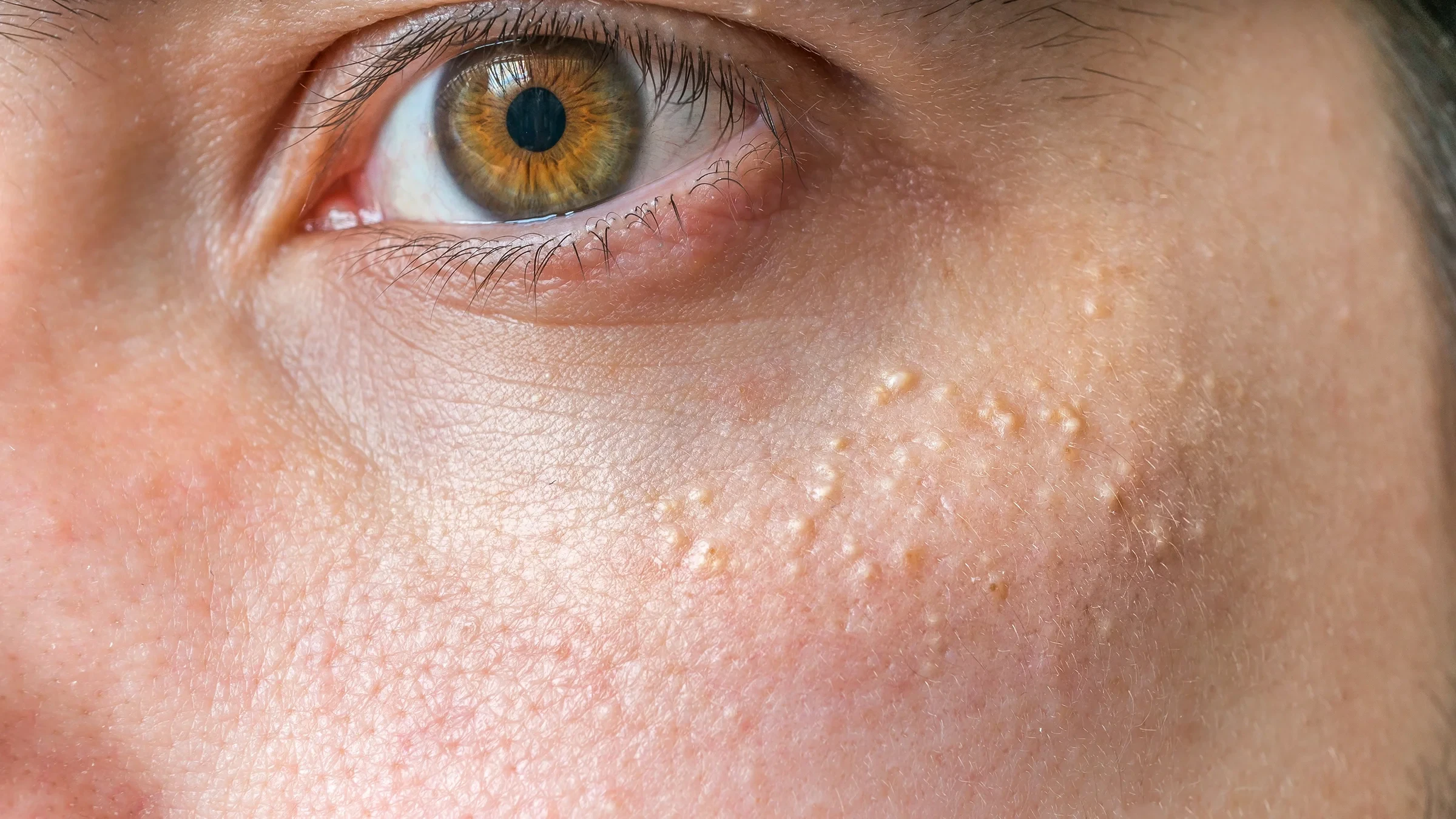
Milia form when the structural protein keratin becomes trapped beneath the skin’s surface. Certain skin conditions and topical products can contribute to their development.
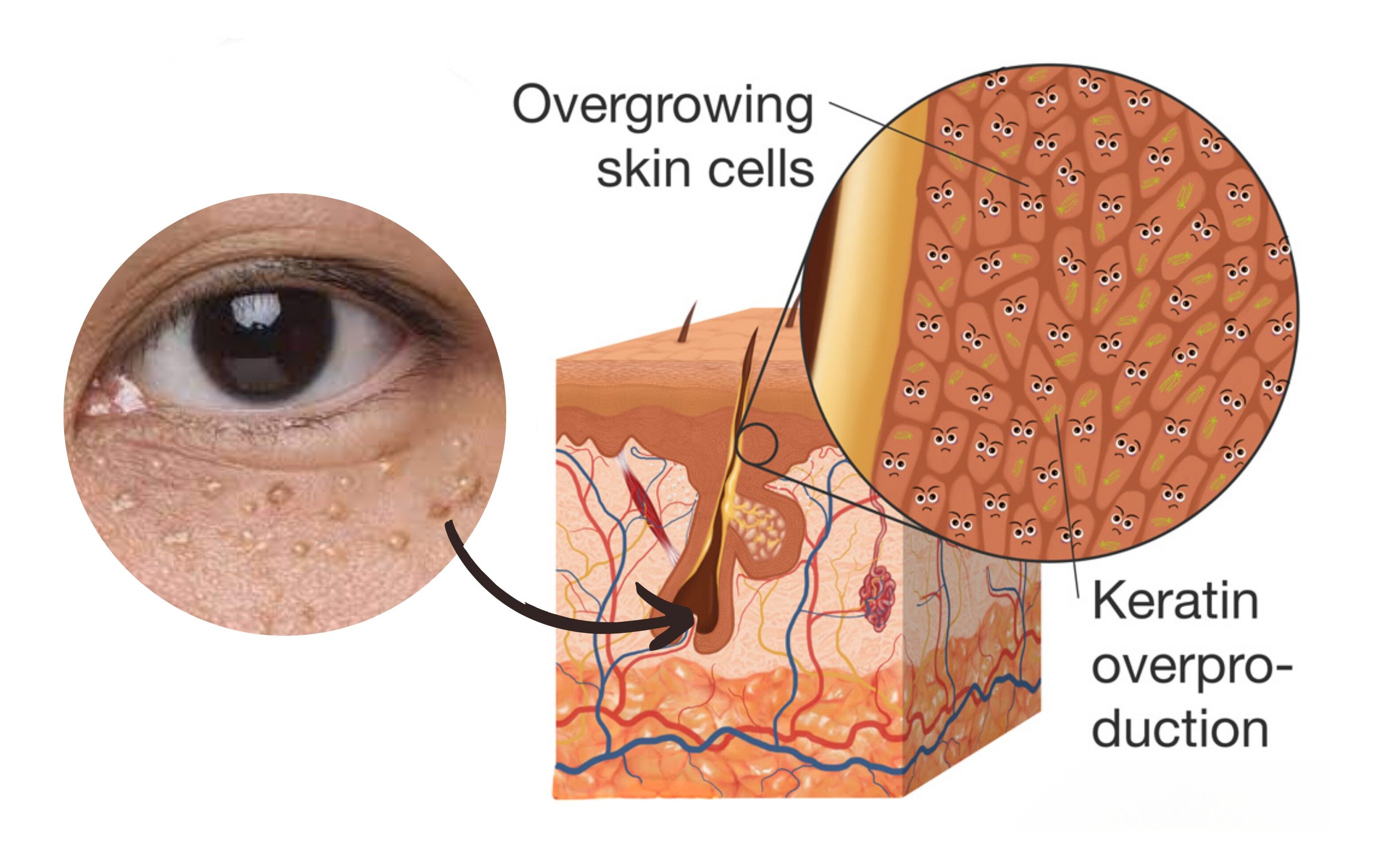
What is a milium cyst?
A milium cyst is a tiny, white-colored bump most commonly seen on the nose and cheeks. These lesions often appear in clusters, and multiple cysts are referred to as milia.
Milia arise when keratin is retained under the skin. Keratin is a durable protein normally present in the skin, hair, and nails.
People of any ethnicity or age can develop milia, though they are especially frequent in newborns.
Read on to find out more about milia, what triggers them, and options for management.
What are the symptoms of milia?
Milia are small, rounded bumps that usually look white or yellow. They are generally not itchy or painful, but some people may find them bothersome. Coarse fabrics or tight clothing can make milia irritated and appear red.
These cysts most often appear on the face, eyelids, lips, and cheeks, but they can also occur elsewhere on the body, including the trunk or genital area.
Milia are sometimes mistaken for Epstein pearls — harmless white-yellow cysts seen on a newborn’s gums and mouth — and are also commonly (and inaccurately) called “baby acne.”
What do milia look like?
What causes milia?
The causes vary between newborns and older children or adults.
Newborns
The origin of milia in newborns is not fully understood. They are often confused with baby acne, which is hormone-driven from maternal hormones.
Unlike baby acne, milia do not produce inflammation or swelling. Infants are often born with milia, whereas baby acne typically develops two to four weeks after birth.
Older children and adults
In older children and adults, milia commonly follow some kind of skin damage. Possible triggers include:
- blistering from skin disorders, such as epidermolysis bullosa (EB), cicatricial pemphigoid, or porphyria cutanea tarda (PCT)
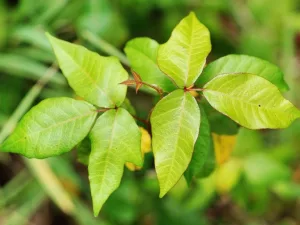
- blistering injuries, like poison ivy exposure
- burns
- chronic sun damage
- long-term application of steroid creams
- skin resurfacing procedures, including dermabrasion or laser treatments
Milia can also develop when the skin’s natural exfoliation process is reduced, which may occur with aging.
What are the types of milia?
Milia are classified by the age at onset or causative factors, and they’re grouped as primary or secondary types.
Primary milia form directly from trapped keratin and are commonly found on the faces of infants or adults.
Secondary milia resemble primary milia but emerge after something obstructs the ducts that lead to the skin surface, for example following injury, a burn, or blistering.
Neonatal milia
Neonatal milia are a form of primary milia. They appear in newborns and typically resolve within a few weeks. These cysts are usually visible on the face, scalp, and upper torso. According to Seattle Children’s Hospital, about 40 percent of newborns develop milia.
Primary milia in older children and adults
These cysts can be located around the eyelids, forehead, or on the genital area. Primary milia may vanish in a few weeks or persist for several months.
Juvenile milia
Certain uncommon inherited skin disorders can produce juvenile milia, such as:
- Nevoid basal cell carcinoma syndrome (NBCCS). This syndrome can predispose to basal cell carcinoma (BCC).
- Pachyonychia congenita. A disorder that can cause thickened or misshapen nails.
- Gardner’s syndrome. A rare hereditary condition that may increase the risk of colon cancer over time.
- Bazex-Dupré-Christol syndrome. A condition affecting hair growth and sweating.
Milia en plaque
Milia en plaque is often linked with genetic or autoimmune skin diseases, such as discoid lupus or lichen planus. It can involve the eyelids, ears, cheeks, or jaw.
The lesions may reach several centimeters in diameter. This form mainly affects middle-aged women but can occur in adults or children of any age and gender.
Multiple eruptive milia
This variant features itchy clusters that may appear on the face, upper arms, and trunk. New cysts may appear over weeks to months.
Traumatic milia
Traumatic milia appear at sites of skin injury, for example after severe burns or rashes. These cysts can become inflamed, showing red edges with a white center.
Milia associated with drugs or products
Prolonged use of steroid creams can occasionally lead to milia where the cream is used, though this is uncommon.
Certain ingredients in skincare and makeup can promote milia formation in susceptible individuals. If you are prone to milia, avoid these components:
- liquid paraffin
- liquid petroleum
- paraffin oil
- paraffinum liquidum
- petrolatum liquid
- petroleum oil
These substances are forms of mineral oil that may contribute to milia. Lanolin can also encourage milia development in some people.
How are milia diagnosed?
A clinician will usually diagnose milia through a visual skin exam based on the characteristic appearance of the cysts. Biopsy of a skin lesion is rarely required.
How are milia treated?
No treatment is necessary for infant milia; they generally resolve within a few weeks.
In older children and adults, milia often disappear within several months. When cysts are bothersome, several effective removal methods exist.
Treatment options include:
- Cryotherapy. Liquid nitrogen is used to freeze milia; it’s a commonly used removal technique.
- Deroofing. A sterile needle is used to extract the cyst contents.
- Topical retinoids. Vitamin A–based creams promote skin exfoliation.
- Chemical peels. These cause the outer skin layer to shed, revealing new skin below.
- Laser ablation. A focused laser targets the affected areas to remove the cysts.
- Diathermy. High heat is applied to destroy the cysts.
- Destruction curettage. The cysts are surgically scraped out and cauterized.
What’s the outlook?
Milia do not generally cause long-term issues. In newborns, they usually clear within a few weeks after birth. While older children and adults may take longer to see resolution, milia are not considered dangerous.
If your lesions do not improve after a few weeks, consult your healthcare provider so they can confirm the diagnosis and rule out other skin conditions.













Leave a Reply
You must be logged in to post a comment.