

Healthy hair generates a certain level of sebum, or natural oil, which helps moisturize the scalp and shield hair strands. The volume of oil produced differs based on hair texture, grooming habits, and various lifestyle factors.

Occasionally this natural oil accumulates, particularly at the roots, creating a glossy look that some people interpret as unclean.
If you suspect your hair is oilier than it should be, read on. This piece explains why hair becomes greasy, which products can control oil, and simple home remedies to manage an oily appearance.
Causes
Oil on your hair is part of your body’s protective system for the delicate skin of the scalp.
This oil combines with sweat and environmental grime, coating the scalp and at times the upper part of your head. This process is natural and largely unavoidable.
Maintaining good hair hygiene — washing your scalp regularly and thoroughly with shampoo — removes oil and refreshes your hair.
Nonetheless, some hair types tend to accumulate oil more quickly. Grease can become noticeable in less than a day. Vigorous exercise, overusing styling products, or exposure to high humidity or heat can also provoke a greasy hair day.
Overwashing
One somewhat surprising trigger for oily hair is washing it too frequently. Indeed, you can wash your hair too much.
Each shampooing signals the scalp to ramp up sebum production. If you cleanse your hair excessively, your scalp interprets this as a cue to produce more oil.
The result can be a buildup of oil on your scalp.
Hair type
Straight hair is particularly susceptible to showing oil.
Because the hair shaft is smooth and lacks wave or curl, oil travels down the strand more easily and accumulates across the head. When hair hangs straight, grease is more visible.
Products
The kinds of hair products you use can also contribute to greasiness.
Since sebum is oily, rinsing with water alone won’t dissolve it. Skipping shampoo and using only conditioner, or washing with just water, can leave oil behind.
While oil may be hard to detect while hair is drying, it often reappears a few hours later.
That’s because specific ingredients — commonly found in shampoos — are necessary to break down the oil that accumulates on hair.
Shampoos for oily hair
Certain shampoos are especially effective at removing oil from hair.
When excess sebum is dissolved, your hair will feel cleaner and remain oil-free for a longer period. Some shampoos experts often recommend for greasy hair include:
- Neutrogena T/Sal Therapeutic Shampoo. This product is popular among professionals because it contains salicylic acid, which breaks down oil on the scalp more effectively than standard shampoos.
- Aveda Scalp Benefits Balancing Shampoo. Aveda formulates this shampoo to cleanse the scalp using ingredients like echinacea and sage, aiming to refresh the scalp, remove dead skin cells, and keep pores and glands clear.
- Chi Tea Tree Oil Shampoo. Chi is known for products that protect and fortify the hair cuticle, even after heat damage. Tea tree oil helps dissolve and rinse away oil and debris from the scalp.
- Redken Scalp Relief Oil Detox Shampoo. Redken’s oily-hair shampoo targets a deep-clean of the scalp. Eucalyptus oil and citrus peel help address dandruff and treat an oily scalp.
Home remedies
You can also address greasy hair with simple home treatments. Several accessible ingredients can help strip away oil and refresh your scalp.
Essential oils
Keeping some scalp-friendly oils available can help reduce oil accumulation.
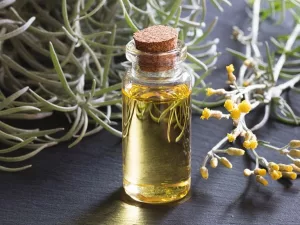
Although it may seem counterproductive to add oils to oily hair, certain essential oils can help break down sebum and clarify scalp pores.
Peppermint and tea tree oils are both known to deep-clean hair.
Apply a drop or two between washes, taking care not to place undiluted essential oils directly on skin. You may also mix essential oils into a soothing hair mask.
You can purchase peppermint oil and tea tree oil online.
Apple cider vinegar
Using apple cider vinegar (ACV) as an occasional rinse for greasy hair is a commonly recommended home remedy.
Advocates say ACV helps dissolve oil while altering scalp pH, which may make the scalp less likely to produce excess oil.
If you want to try this method:
- Mix up to 10 teaspoons of ACV with about a gallon of warm water.
- Saturate your hair in the solution for a few minutes after shampooing and conditioning.
- Rinse all the vinegar out of your hair once finished.
Shop for apple cider vinegar online.
Aloe vera
Aloe vera can remove surplus sebum and may also improve circulation at the scalp.
You can use a few drops of pure aloe vera as a leave-in treatment, or include aloe in your cleansing routine.
Quick fixes
If you’re between washes and your hair seems greasy — especially after exercise or in hot weather — a few quick tricks can hide oil until you can wash.
Dry shampoo
Dry shampoo soaks up oil at the roots and gives a matte finish. Keep in mind overusing dry shampoo between washes can irritate the scalp.
Check out dry shampoo options online.
Cornstarch or baby powder
Cornstarch and baby powder work like dry shampoo but use a single natural ingredient.
It can be tricky to apply the right amount — both can dry out your scalp, so use a tiny quantity at the crown to make oily roots less visible.
Oil-absorbing sheets
Oil-absorbing sheets, normally used for facial oil, can be used in a pinch to blot oil from hair. Focus on the roots and scalp to remove some grease.
Find oil-absorbing sheets online.
Lifestyle tips
Simple changes to your grooming habits can sometimes lower oil levels. These lifestyle adjustments may help reduce greasiness.
Use baby shampoo
If you’re not ready to buy a specialized oil-control shampoo, try a gentle shampoo formulated for babies and toddlers.
These mild formulas should dissolve oil without prompting your scalp to overproduce sebum.
Wash your hair more (or less) often
This may require some experimentation. If your hair is frequently weighed down by oil, you might need to alter your routine.
Try spacing washes out a day or two if you normally shampoo daily, and observe whether that helps.
If you only wash two to three times weekly, or only after sweating or on humid days, try washing more frequently.
Skip brushing between washes
Each time you brush, you spread sebum and sweat from the scalp down the hair shaft. Distributing the oil prompts the scalp to make more. Brush less to curb oil distribution.
Lay off the straightener
Like brushing, straightening moves oil along the hair and applies heat near the roots, which can activate sweat glands. Limit hot tools to reduce oil transfer.
Change out your pillowcases
Wash pillowcases regularly — once a week is a reasonable guideline. Otherwise you sleep on the day’s oil and sweat build-up, which can transfer back to your hair.
Clean pillowcases can help you wake up with a fresher head of hair.
The bottom line
Some hair types naturally build up oil faster than others. Still, there are plenty of home remedies, products, and routine changes that can reduce how greasy your hair looks.
Even if you feel you’ve tried everything, there are likely a few tricks you haven’t yet attempted.
Remember that sebum is part of how your body protects the scalp; a bit of oil is normal and not a sign of poor hygiene.
If you’re worried about excessive sweating or persistent scalp irritation, consult a dermatologist for professional guidance.



















Leave a Reply
You must be logged in to post a comment.