
Fast facts
About
- Dermal fillers are injected beneath the skin to lift sunken regions caused by acne scarring or to encourage the skin’s own collagen production.
- Filler choices include hyaluronic acid (for example Restylane and Juvederm), polymethyl methacrylate microspheres combined with collagen (Bellafill), poly-L-lactic acid (Sculptra), and autologous fat transfer, which uses a person’s own fat to restore volume to acne scars.
- Bellafill is currently the only FDA-approved filler specifically for acne scars.
- Although Bellafill is long-lasting and effective, it may not be the ideal option for everyone.
- Consult your physician to decide which filler is best suited to treat your acne scars.
- Fillers can be applied to facial areas such as the cheeks, nose, lips, chin, and the perioral region.
Safety
- Dermal fillers are generally considered safe, though allergy testing is necessary before using any filler that contains bovine collagen.
- Newer filler formulations are based on a sugar naturally present in skin and infrequently trigger allergic reactions.
- There remain several potential side effects to be aware of, including: swelling, bruising, itching, redness, and allergic reactions to lidocaine or bovine collagen.
Convenience
- Filler injections should only be performed in a medical office by a qualified clinician.
- Most procedures take between 15 and 60 minutes, with minimal downtime; you can typically return to most normal activities right away.
Cost
- The average cost for a single syringe in 2019 was $855 for Bellafill, $652 for hyaluronic acid, and $2,163 for fat grafting.
- Depending on the filler chosen, maintenance injections may be needed every six months to two years.
- People with significant acne scarring might require more than one session to achieve full improvement.
Effectiveness
- Bellafill and other fillers are effective at reducing the visibility of acne scars.
- Many patients remain pleased with their results even five years after treatment.
- Research has shown fillers can improve cheek scarring by over 50 percent.
What are fillers for acne scars?
Acne can leave lasting indentations in the skin. For those bothered by these marks, fillers offer a corrective option.
Bellafill
Bellafill is a durable dermal filler approved to address acne scarring.
Its formulation includes bovine-sourced collagen to add volume and tiny polymethyl methacrylate (PMMA) beads that help support the skin’s structure.
Recipients must be at least 21 years old and have no sensitivity to bovine collagen. It is suitable for both men and women and a range of skin types.
Hyaluronic acid
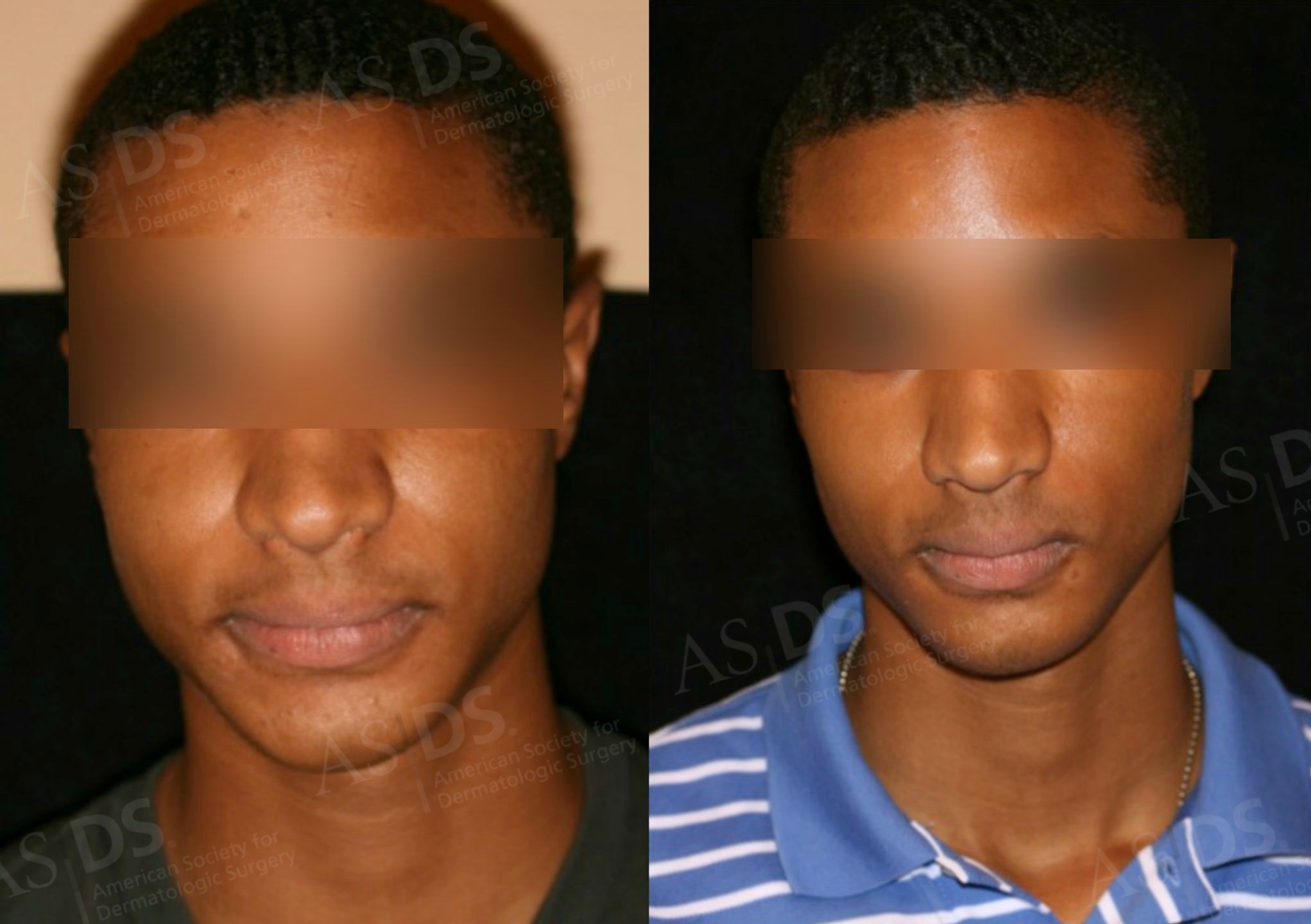
In some situations, hyaluronic acid fillers such as Juvederm or Restylane are used for acne scars.
These products can smooth the surface and fill depressions created by scarring. Unlike Bellafill, hyaluronic acid fillers are temporary and typically require repeat injections every few months.
Poly-L-lactic acid
Poly-L-lactic acid (Sculptra) is another option. This product differs from other fillers because it does not instantly plump the area.
Instead, it prompts the skin to generate more collagen, gradually reducing the appearance of acne scars over several months.
Autologous fat transfer
This technique is more involved than standard fillers, as fat is taken from the patient and injected into the scarred areas.
Outcomes are less predictable because success depends on how much of the transferred fat re-establishes a blood supply and survives. Approximately 50 percent typically endures, and multiple sessions may be required.
How much do fillers for acne scars cost?
The cost of fillers for acne scars varies by clinic location, filler type, and the amount of product needed.
In 2019, average prices per syringe were:
- $855 for Bellafill
- $652 for hyaluronic acid products like Juvederm and Restylane
- $878 for Sculptra
- $2,163 for fat grafting
Because these treatments are usually elective cosmetic procedures, insurance typically does not cover them. Most people don’t need to miss more than a day of work.
How do fillers for acne scars work?
Different fillers operate by distinct mechanisms. For example:
Bellafill
Bellafill’s collagen component adds immediate volume and lifts depressed scars, while the PMMA microspheres remain in place to provide structural support and encourage new collagen formation.
Compared with many other fillers, the smoothing effect endures longer. Bellafill often provides noticeable improvement for around 12 months when used for acne scarring.
Hyaluronic acid
Hyaluronic acid fillers deliver immediate plumping and smoothing of depressed areas, but their effects are temporary and require periodic re-treatment to maintain results.
Poly-L-lactic acid
Sculptra works gradually by stimulating collagen production rather than offering instant volume, so improvements appear over time as your body builds more collagen.
Autologous fat transfer
Fat is taken from one part of the body and injected into facial scars. For the transplanted fat to remain, it must develop a new blood supply; roughly half typically survives, and once it does, the effect can be permanent.
Procedure for fillers for acne scars
About a month before your appointment, you’ll be asked about your medical and allergy history and may undergo an in-office allergy test if the chosen filler contains bovine collagen. During this test, a small amount of collagen is injected into the forearm and you remain in the office to be observed for any reaction.
Because Bellafill contains bovine collagen, some vegetarians and vegans may prefer other options.
If you pass the allergy test or are using a non-bovine product, the treatment proceeds. Your clinician will often mark injection sites on your face to guide placement.
Each syringe typically contains lidocaine to reduce discomfort. Depending on scar depth and treatment area size, the session can last from 15 minutes up to an hour.
Targeted areas for treatment
Fillers for acne scars are commonly used on the forehead, cheeks, chin, around the mouth, and other visible areas of scarring. Multiple sessions may be needed to achieve optimal results.
Optum Now is operated by RVO Health. By clicking on this link, we may receive a commission. Learn more.
Are there any risks or side effects?
As with any cosmetic intervention, there are risks and potential side effects, which usually resolve on their own and can include:
- swelling
- redness
- color changes at the injection site
- allergic reaction to bovine collagen
- allergy to lidocaine or another numbing medication
- lumps or nodules at the injection site
Another uncommon but serious risk is blood vessel occlusion, where a vessel becomes blocked and the skin may be damaged. This is rare with fillers used for acne scars because they are typically placed superficially, reducing the likelihood of obstructing a major vessel.
What to expect after fillers for acne scars?
Outcomes vary by filler type.
After any filler treatment you can usually resume most activities immediately and drive yourself home. Avoid strenuous exercise and refrain from scratching or rubbing the treated area in the days following the procedure.
- Bellafill. You’ll notice immediate improvement that can continue to develop. Results for acne scars commonly last about 12 months, and sometimes longer.
- Hyaluronic acid. Immediate results are typical, but they are shorter-lived than Bellafill and usually require repeat injections every few months.
- Poly-L-lactic acid. Treatment often involves sessions about a month apart for three months to achieve the intended outcome; occasional touch-ups may be needed thereafter, and it’s regarded as semi-permanent.
- Autologous fat transfer. Multiple procedures may be necessary, and results can be less predictable than with synthetic fillers.
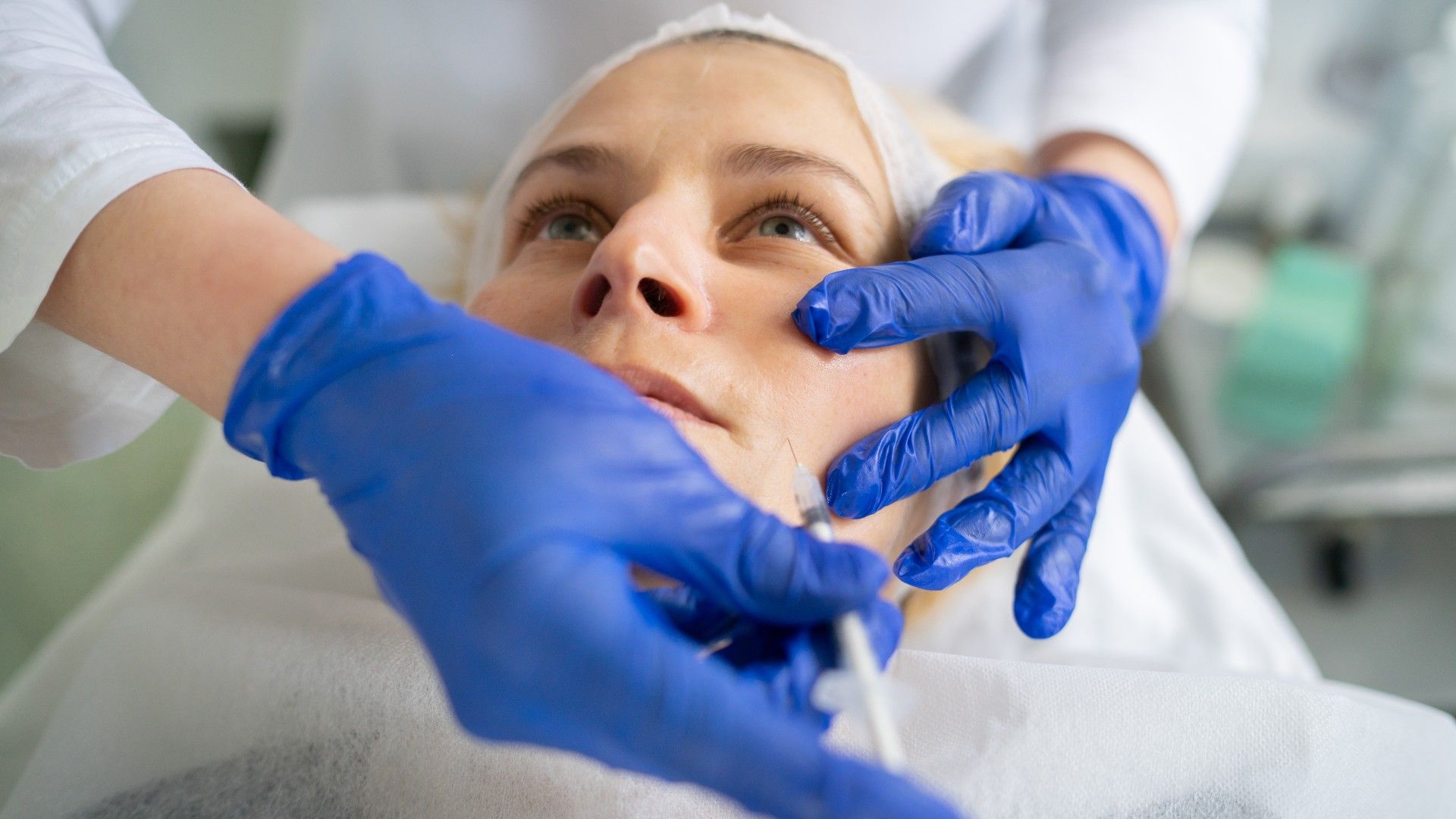
Before and after pictures
Viewing before-and-after images from people who’ve had fillers for acne can help you decide whether this approach is right for you.
Preparing for fillers for acne scars
Prior to injection you may need a skin test about a month in advance to rule out allergic reactions.
Your clinician will review your medical and allergy history. If possible, arrive with a clean face without makeup.
How to find a provider
Ways to locate a qualified provider include:
- Using this online tool from the American Board of Cosmetic Surgery to locate a clinician near you.
- Finding a dermatologist via this online resource from the American Academy of Dermatology.
- Or checking the Bellafill site for providers who offer this treatment.
If you’re also interested in topical approaches to reduce scar appearance, consider exploring essential oils for scars as a complementary option.















Leave a Reply
You must be logged in to post a comment.