

Adderall is commonly prescribed to manage attention deficit hyperactivity disorder (ADHD) and narcolepsy. When taken exactly as directed, it can provide meaningful therapeutic benefits. However, because it is a stimulant medication, many people wonder, Is Adderall addictive? The answer depends largely on how it is used. When taken without medical supervision or misused, it can pose significant risks.
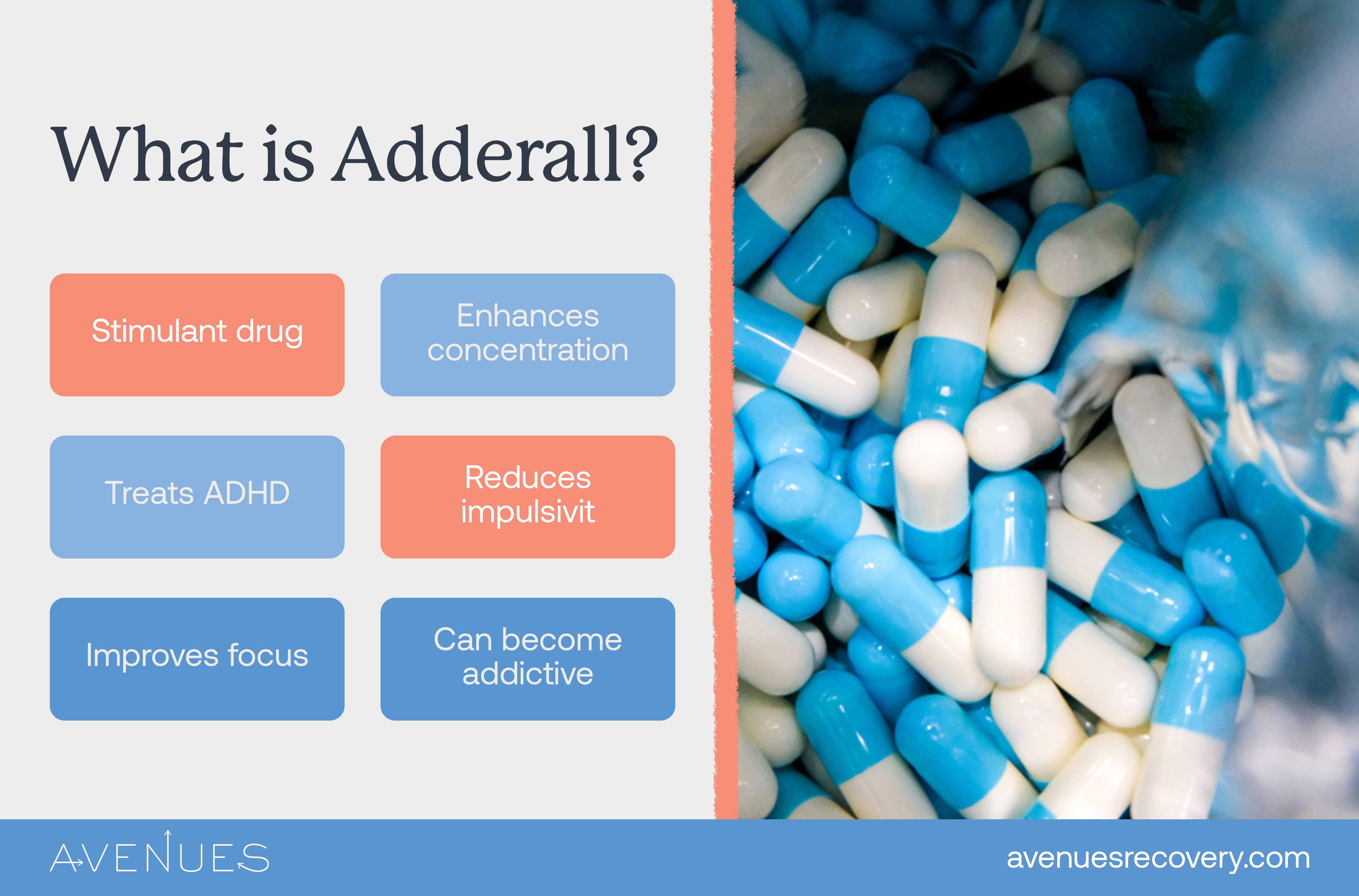
Adderall is the brand name for a combination of dextroamphetamine and amphetamine. It is a prescription central nervous system stimulant approved by the Food and Drug Administration (FDA) for the treatment of ADHD and narcolepsy.
When used appropriately under a healthcare provider’s guidance, Adderall can improve focus and reduce excessive sleepiness. But if it is taken in ways other than prescribed, the potential for harmful effects increases — including misuse, dependence, and addiction.
Continue reading to better understand how this stimulant medication affects different systems of the body, as well as its potential risks and benefits.

How does Adderall affect the brain?
Adderall belongs to a group of medications known as central nervous system (CNS) stimulant drugs. These medications enhance alertness, concentration, mood, and energy levels by increasing certain chemical messengers in the brain.
Each CNS stimulant works slightly differently. Adderall contains amphetamine, which elevates levels of norepinephrine and dopamine while also blocking their reabsorption. Dextroamphetamine, the second component, is a closely related form of amphetamine with subtle molecular differences that influence its action.
Dopamine plays a major role in the brain’s reward system and reinforces behaviors. Norepinephrine influences heart rate, blood pressure, breathing, and blood vessel function.

Adderall is frequently prescribed for ADHD and narcolepsy because these disorders are associated with irregular activity of these neurotransmitters. By improving dopamine and norepinephrine signaling, Adderall can help enhance focus, reduce impulsivity, and decrease excessive daytime sleepiness.
Research suggests that stimulant medications for ADHD may be more effective when combined with behavioral therapy and a comprehensive treatment approach that includes psychological, educational, or social support.
Because Adderall acts on dopamine pathways involved in reward, concerns about dependence are understandable. Many readers also ask related questions such as Is Adderall an opioid or Is Adderall a narcotic. Although it is neither an opioid nor classified as a narcotic, it is a Schedule II controlled substance due to its potential for misuse and addiction.
Learn more: Short- and long-term effects of adderall on the brain.
What does Adderall feel like physically?
When prescribed appropriately and taken as directed, Adderall’s effects on the central nervous system are often beneficial. Many people report feeling more alert during the day, with improved focus and a greater sense of calm. Interestingly, in some individuals with ADHD, this calming effect may even make them feel slightly sleepy rather than stimulated.
However, there are potential side effects to be aware of, including:
- stomach ache
- decreased appetite
- nervousness
- restlessness
- headaches
- problems getting to sleep or staying asleep
- dizziness
- dry mouth
- hoarseness
- slowed speech
- changes in vision
- irritability
- increased heart rate
- hair loss
In children, Adderall may slow growth over time.
More severe reactions can include fever, weakness, or numbness in the limbs.
Allergic reaction
An allergic reaction to Adderall can cause swelling of the face, tongue, or throat. This situation is considered a medical emergency and requires immediate medical attention.
If you are allergic or sensitive to other stimulant medications, you should not use Adderall.
Other serious side effects of Adderall may include:
- uncontrollable shaking, tics, or seizures
- hallucinations, paranoia, and other thought problems
- worsening mental health conditions, like depression or anxiety
- eyesight changes or blurred vision
- stroke and heart attack in adults
- increased blood pressure and heart rate
If any of these symptoms occur, seek medical care right away.
How does Adderall affect the circulatory and respiratory systems?
Stimulant medications can narrow blood vessels, elevate blood pressure, and increase heart rate. They may also stimulate faster breathing.
In certain individuals, Adderall can further interfere with circulation. Fingers and toes may feel numb or painful and can sometimes turn red or blue.
Serious cardiovascular complications, including heart attack and stroke, have been reported. Sudden death has occurred in people with underlying heart conditions.
If someone has a known heart issue, a psychiatrist may recommend a cardiology consultation before starting a stimulant. This evaluation helps determine whether Adderall is appropriate and whether additional precautions are needed.
Heart attack and stroke
For some individuals, Adderall use may increase the risk of heart attack or stroke.
If you notice chest pain, shortness of breath, difficulty breathing, or fainting, call emergency medical services immediately.
Adderall and alcohol
Consuming alcohol while taking Adderall may reduce the medication’s effectiveness while increasing unwanted effects such as sedation.
According to a 2021 review, combining Adderall and alcohol may raise the risk of heart-related problems, including cardiomyopathy. Adderall can also mask feelings of intoxication, potentially increasing the likelihood of alcohol poisoning.
Learn more about Adderall interactions: Alcohol, medications, and others.
How does Adderall affect digestion?
Adderall increases glucose release into the bloodstream. As a result, blood sugar levels may rise, leading to:
Reduced appetite and weight loss are also common. In children, this can cause slower weight gain and growth. Increased dopamine levels may interfere with growth hormone secretion, which is why growth monitoring is recommended during treatment. If growth problems arise, therapy may be paused.
For adults, weight loss is often temporary, and appetite typically returns as the body adapts to the medication.
How does Adderall affect your skin?
Some individuals may experience allergic skin reactions, including itching. Other possible skin-related side effects include:
- hives
- a rash
- blistering skin
Seek urgent medical attention if you develop signs of a serious allergic reaction. If you are allergic to other stimulant medications, you should not take Adderall.

What are the symptoms of Adderall withdrawal?
Using Adderall without a prescription or in higher amounts than directed may lead to misuse or dependence, according to the National Institutes of Health (NIH) database.
Stopping Adderall abruptly after misuse or prolonged high-dose use can cause withdrawal symptoms. These may include:
- feeling uneasy
- insomnia (trouble falling or staying asleep) or sleeping too much
- hunger
- anxiety and irritability
- panic attacks
- fatigue or lack of energy
- depression
- phobias or panic attacks
- suicidal thoughts
Medication to treat Adderall withdrawal
There is currently no specific medication approved to treat Adderall withdrawal. Management generally involves supportive care while symptoms gradually improve, which may take anywhere from a few days to a few weeks. Keeping a structured daily routine, maintaining good sleep hygiene, and seeking medical supervision can help ease the process.
Learn more: Can you overdose on Adderall?
Takeaway
Adderall can be highly effective for managing ADHD and narcolepsy. It often improves attention, concentration, and wakefulness while reducing hyperactivity or daytime sleepiness.
At the same time, it carries potential side effects and risks. A common question remains: Is Adderall addictive? Because it affects dopamine pathways linked to reward, it does have the potential for dependence, particularly when misused or taken without medical oversight.
Adderall has also been associated with serious complications, including heart attack and stroke, especially in individuals with underlying heart defects.
Stimulants are classified as controlled substances for a reason. Careful monitoring by a healthcare professional is essential to minimize risks, adjust dosage when necessary, and prevent misuse. Never take more than prescribed, and always consult a doctor if you experience concerning side effects or are worried about dependence.























Leave a Reply
You must be logged in to post a comment.