
This medication carries boxed warnings. These are the most serious alerts issued by the Food and Drug Administration (FDA). Boxed warnings inform healthcare professionals and patients about drug effects that may be dangerous.
- Complex sleep behaviors warning: Taking this drug may trigger complex sleep behaviors such as sleepwalking, sleep-driving, preparing and eating food, engaging in sexual activity, or performing other actions while not fully awake. These episodes can result in serious injuries, including death. People often have no memory of these events. If this occurs, discontinue the medication immediately and contact your doctor.

Key Takeaways
- Zolpidem is a prescription medication used to manage insomnia, a condition that makes it difficult to fall asleep or remain asleep.
- Zolpidem oral tablets are available in generic and brand-name versions. Brand names include Ambien (immediate-release), Ambien CR (extended-release), and Edluar (sublingual).
- The usual starting dose of zolpidem is 5 mg for women and 5–10 mg for men, taken right before bedtime when you can allow 7–8 hours for sleep.
What is zolpidem?
Zolpidem is a prescription drug available as an oral tablet and an oral spray. It is widely prescribed for short-term management of sleep disorders, and understanding Zolpidem tablet uses can help patients take it safely and effectively.
The oral tablet is offered in three formulations: immediate-release, extended-release, and sublingual. Immediate-release tablets deliver the medication into your system right away. Extended-release tablets release the drug gradually over time. Sublingual tablets dissolve under the tongue for quicker absorption.
These formulations are sold under the following brand names:
- Ambien (immediate-release tablet)
- Ambien CR (extended-release tablet)
- Edluar (sublingual tablet)
All oral tablet forms are also available as generic versions. Generics generally cost less than brand-name medications. However, certain strengths or formulations may not be available in generic form.
Why it’s used
Zolpidem oral tablets are prescribed to treat insomnia. Insomnia may involve difficulty falling asleep, waking frequently during the night, or waking too early and being unable to return to sleep.
Immediate-release tablets and Edluar sublingual tablets are typically used for people who struggle with falling asleep. Extended-release tablets are designed for individuals who have trouble both falling asleep and staying asleep.
Low-dose sublingual tablets (1.75 mg and 3.5 mg) are intended for use when you awaken in the middle of the night and cannot fall back asleep.
How it works
Zolpidem belongs to a class of medications known as hypnotics. Drugs in this class act in similar ways and are often prescribed for related conditions.
Zolpidem enhances the activity of GABA, a chemical in the brain that promotes sleep. By increasing GABA activity, the medication helps reduce the time it takes to fall asleep and may improve sleep duration.
Zolpidem side effects
Zolpidem may cause mild or serious side effects. The list below highlights some of the more common and significant reactions associated with Zolpidem tablet uses, but it does not include every possible side effect.
For more detailed information, including guidance on managing adverse reactions, consult your doctor or pharmacist. You can also review Zolpidem side effects and zolpidem side effects long-term use for a deeper understanding of potential risks.
More common side effects
Common side effects of zolpidem may include:
- headache
- drowsiness
- dizziness
- diarrhea
- dry mouth
- chest pain
- palpitations (fast, strong, or irregular heart rate, or feeling like your heart is skipping a beat)
- grogginess
- lightheadedness
- muscle pain
Mild symptoms often improve within several days to a few weeks. If they persist or worsen, contact your healthcare provider.
Serious side effects
Seek medical attention immediately if you experience serious side effects. Call 911 if symptoms feel life threatening or if you believe you’re having a medical emergency. Serious side effects and symptoms may include:
- Allergic reactions, including swelling of the tongue or face and trouble breathing
- New or worsening depression, including thoughts of suicide, loss of interest in usual activities, guilt, low energy, difficulty concentrating, or weight changes
- Unusual thoughts or behaviors, agitation, hallucinations, or feeling detached from yourself
- Performing activities while asleep, such as driving, cooking, eating, talking on the phone, or having sex, with no memory afterward
- Breathing problems, including slowed or shallow breathing and reduced oxygen levels
- Amnesia (memory loss)
- Hallucinations (seeing or hearing things that aren’t there)
Zolpidem may interact with other medications
Zolpidem oral tablet can interact with various other drugs. Interactions may alter how well a medication works or increase the likelihood of side effects.
The following examples highlight potential interactions, but this is not a complete list. Always inform your doctor and pharmacist about all prescription medications, over-the-counter drugs, vitamins, and herbal supplements you use.
Increased side effects from both zolpidem and other drugs
Using zolpidem with certain medications can heighten sedation and drowsiness. Examples include:
- Drugs that decrease your alertness such as imipramine and chlorpromazine. Combining these with zolpidem may increase sedation.
Increased side effects from zolpidem
Some medications raise zolpidem levels in the body, increasing the risk of adverse effects. Examples include:
- Antibiotics such as clarithromycin and erythromycin
- Antifungal drugs such as ketoconazole, itraconazole, and voriconazole
- Ritonavir and atazanavir
Interactions that can make your drugs less effective
Certain drugs may reduce zolpidem levels, decreasing its effectiveness. Examples include:
- Antibiotics such as rifampin, rifabutin, and rifapentine
- Anticonvulsants such as carbamazepine, phenobarbital, and phenytoin
- St. John’s wort
How to take zolpidem
The dosage prescribed will depend on factors such as the type of insomnia, your age, sex, liver function, and the specific formulation used.
Doctors generally begin with the lowest effective dose and adjust as needed. Always follow your prescribed dosage exactly.
Forms and strengths
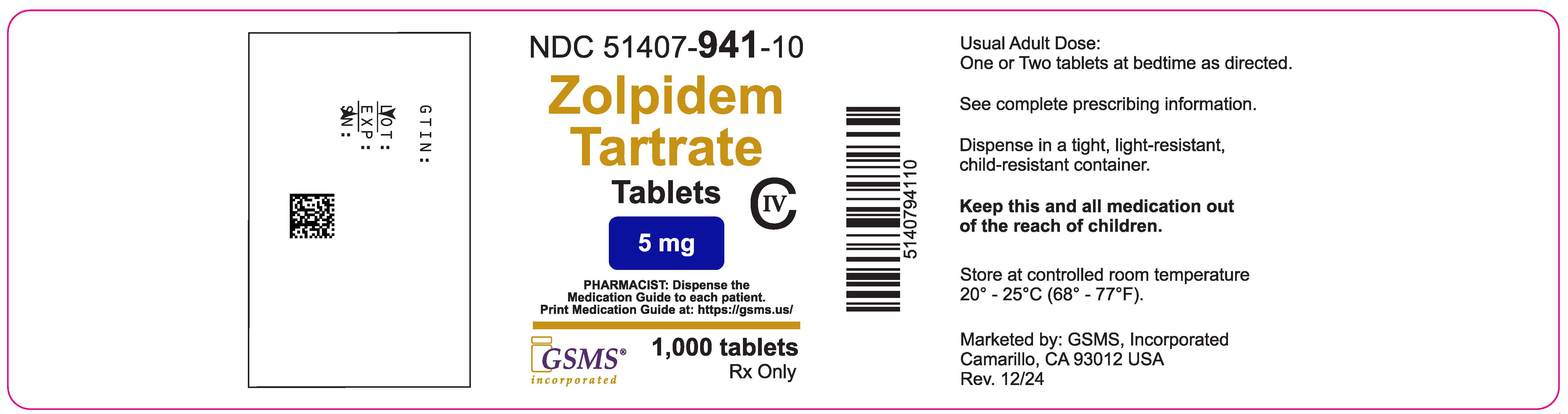
Generic: Zolpidem
- Form: immediate-release oral tablet
- Strengths: 5 mg, 10 mg
- Form: extended-release oral tablet
- Strengths: 6.25 mg, 12.5 mg
- Form: sublingual tablet
- Strengths: 1.75 mg, 3.5 mg, 5 mg, 10 mg
Brand: Ambien
- Form: immediate-release oral tablet
- Strengths: 5 mg, 10 mg
Brand: Ambien CR
- Form: extended-release oral tablet
- Strengths: 6.25 mg, 12.5 mg
Brand: Edluar
- Form: sublingual tablet
- Strengths: 5 mg, 10 mg
Dosage for insomnia with trouble falling asleep
Adult dosage (ages 18–64 years)
Ambien, Edluar, and generic formulations:
- Starting dosage: 5 mg for women and 5 mg or 10 mg for men, taken immediately before bedtime when you have at least 7–8 hours available for sleep.
- Dosage increases: Your doctor may raise the dose to 10 mg per day if needed.
- Maximum dosage: 10 mg once daily at bedtime.
Child dosage (ages 0–17 years)
This medication has not been studied in children and should not be used in individuals under 18 years.
Senior dosage (ages 65 years and older)
Older adults may process the drug more slowly, increasing the risk of side effects such as sedation and confusion. A lower starting dose is typically recommended.
- Ambien, Edluar, and generic formulations: 5 mg once daily at bedtime.
Special dosage considerations for people with liver disease
- Ambien, Edluar, and generic formulations: 5 mg once daily at bedtime for mild to moderate liver disease. Avoid use in severe liver disease.
Zolpidem warnings
Zolpidem oral tablet includes several important safety warnings that patients should review before starting therapy.
Decreased awareness and reaction time warning
If you do not get a full night’s sleep after taking zolpidem, you may experience reduced alertness and slower reaction times the following day. Avoid driving or operating machinery unless you have had adequate sleep.
Abnormal behaviors warning
This medication may cause behavioral changes, hallucinations, agitation, or sleep-related activities with no memory of the event. Contact your doctor if these occur.
Withdrawal effects warning
Do not abruptly discontinue zolpidem without medical guidance. Sudden cessation may cause withdrawal symptoms such as muscle cramps, vomiting, sweating, flushing, anxiety, panic attacks, or uncontrollable crying.
Allergy warning
Zolpidem can cause a severe allergic reaction, including trouble breathing and swelling of the throat or tongue. Seek emergency medical care if this happens. Do not take the drug again after an allergic reaction.
Food interaction warning
Taking zolpidem with food may delay its onset of action. For best results, take it on an empty stomach.
Alcohol interaction warning
Alcohol increases the risk of sedation and breathing problems. Avoid alcohol when using zolpidem.
Take as directed
Zolpidem oral tablet is intended for short-term treatment of insomnia. Misuse can increase the risk of dependence, overdose, or serious side effects.
If you stop taking it suddenly, your insomnia may return and withdrawal symptoms may occur. Taking too much can result in extreme drowsiness, loss of consciousness, coma, or trouble breathing. In case of suspected overdose, contact emergency services immediately.
Important considerations for taking this drug
General
- Do not take with food.
- Take only when you can dedicate enough time for sleep.
- Do not take more than one dose per night.
Storage
- Store immediate-release tablets and sublingual tablets at 68°F to 77°F (20°C to 25°C).
- Store extended-release tablets between 59°F and 77°F (15°C to 25°C).
- Keep away from moisture and light.
Clinical monitoring
Your doctor may monitor your mental health, behavior, and liver function during treatment to ensure safe use.
Are there any alternatives?
Other medications and non-drug therapies are available for insomnia, including cognitive behavioral therapy for insomnia (CBT-I), sleep hygiene improvements, and alternative prescription drugs. Discuss options with your doctor to determine the most appropriate treatment plan.
Disclaimer: HealthEH has made every effort to ensure that all information provided is accurate, comprehensive, and current. However, this content should not replace professional medical advice. Always consult a licensed healthcare provider before starting or stopping any medication. Drug information may change and does not cover all possible uses, directions, precautions, warnings, interactions, allergic reactions, or adverse effects.





















Leave a Reply
You must be logged in to post a comment.