
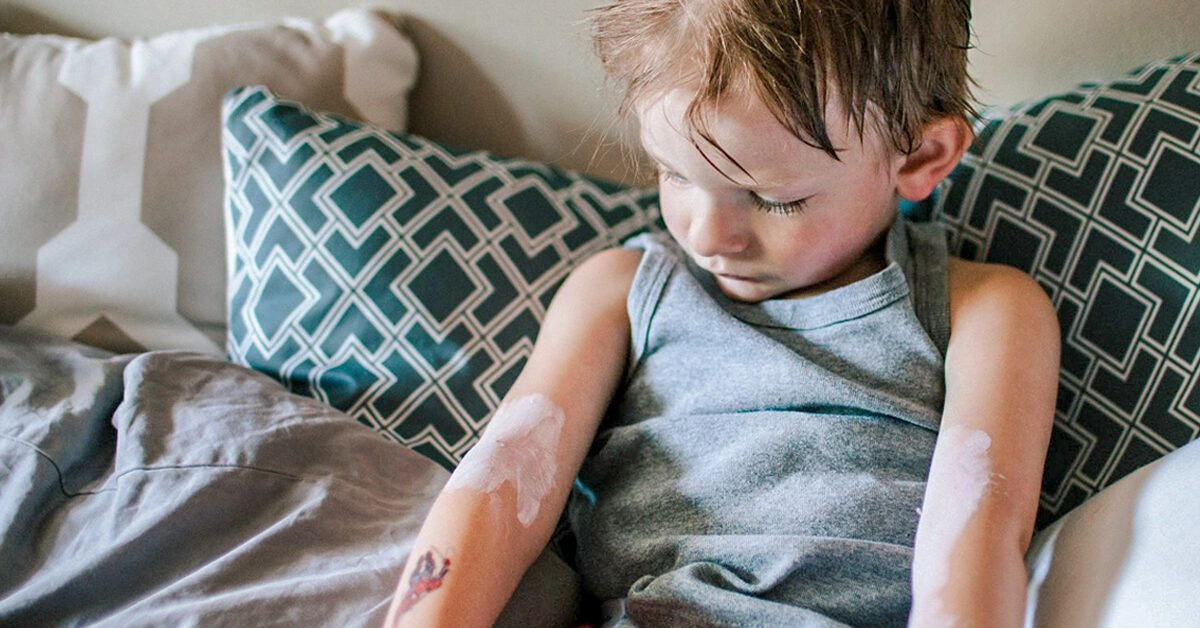
Bedbugs are small parasitic insects that survive by feeding on the blood of humans or animals. If you’re wondering What does bed bugs bites look like, understanding their appearance can help you identify and manage them quickly. Over-the-counter treatments are often effective for easing itching and inflammation caused by these bites.
These pests can hide in mattresses, upholstered furniture, carpets, clothing, and other personal items. They are most active at night, typically emerging while you’re asleep.
Bedbugs often enter homes after travel, hitching a ride in luggage or clothing. They can also be introduced through secondhand furniture that is already infested. In multi-unit buildings or hotels, they may spread from one room or apartment to another during an infestation.
Continue reading to learn more about bedbug bites, including what they look like, how to treat them safely, and practical steps you can take to prevent future exposure.
What do bedbugs and bedbug bites look like?
What do bedbug bites look like?
Before feeding, bedbugs release a small amount of anesthetic into the skin, which is why most people do not feel the bite itself. It can take several days before visible symptoms develop.
According to Pest Control Technology, approximately 30 to 60% of people never develop a noticeable reaction to a bedbug bite. When symptoms do occur, bedbug bites may appear as:
- red, swollen bumps with a darker central spot (they can resemble a hive or welt)
- bites arranged in lines or clusters, often grouped closely together
- itchy lesions
- a burning sensation
- fluid-filled blisters in some cases
- small blood stains on sheets caused by scratching
Persistent scratching can cause the bites to bleed and may increase the risk of infection.
For more insight into identifying the insects themselves, see What does a bed bug look like to the human eye and detailed What does a bed bug look like to the human eye pictures to better recognize an infestation.
Where on the body do bedbug bites occur?
Bedbugs are capable of biting anywhere on exposed skin. However, they most commonly target areas left uncovered during sleep, such as the:
- face
- neck
- arms
- hands
If you wear pajamas or other sleepwear, bites may also appear along clothing seams or edges where fabric rests against the skin.
Do bedbugs bite every night?
Bedbugs do not necessarily feed nightly. They can survive for several weeks without a blood meal, which can delay recognition of an infestation. It may take time before you notice a repeating pattern of bites. This delay can be problematic because bedbugs reproduce rapidly. A single female may lay one to three eggs per day.
What’s the best way to treat bedbug bites?
In most situations, bedbug bites resolve on their own without medical intervention. To reduce discomfort, you may:
- Apply an over-the-counter (OTC) or prescription steroid cream to help decrease inflammation and itching.
- Take an oral antihistamine to relieve itching and burning sensations.
- Use an over-the-counter pain reliever to ease swelling and discomfort.
- Take a Benadryl before bedtime to minimize nighttime itching, or consult a doctor about a stronger antihistamine if needed.
Several home remedies may also provide symptom relief. You can try:
- placing a cold, damp cloth on the affected area or using an ice pack wrapped in a towel
- applying a thin paste made from baking soda and water
Most bedbug bites do not require professional medical treatment and improve within a week or two.
Allergic reactions and infections from bedbug bites
Although uncommon, isolated reports have documented systemic allergic reactions to bedbug bites. These reactions have included hives, asthma, and, in rare cases, anaphylaxis.
Frequent scratching of bedbug lesions can also result in secondary bacterial infections such as impetigo, folliculitis, or cellulitis. To lower your risk, gently cleanse bites with soap and water and avoid scratching.
If you think you’ve developed an infection or a serious allergic reaction, contact a healthcare professional. Seek emergency medical care if you experience:
- multiple hives
- difficulty breathing
- wheezing
- swelling of the throat or mouth
- fever
- chills
- dizziness
- confusion
Optum Now is operated by RVO Health. By clicking on this link, we may receive a commission. Learn more.
How should you treat bedbug bites on a baby?
If your baby or child has bedbug bites, gently wash the affected areas with soap and water. A cold compress can help reduce swelling and itching. OTC anti-itch creams or low-strength steroid creams may also provide relief, but always use them cautiously. Keep your child’s fingernails trimmed to reduce skin damage from scratching.
If your child is old enough, explain the importance of not scratching the bites. Covering the area with a bandage may also help prevent irritation.
Consult a pediatrician or pharmacist before giving oral antihistamines or applying topical steroid creams to infants or young children, as some medications may not be appropriate for certain age groups.
How can you tell if you have bedbugs in your home?
If you suspect an infestation, carefully inspect your bed and nearby areas. Bedbugs often hide during daylight hours in:
- cracks and crevices around the home
- walls
- luggage
- bedding and bedclothes
- mattresses
- box springs
- bed frames
- spaces beneath baseboards
- loose or peeling wallpaper
- electrical switch plates
- electrical cable conduits
- sofas (especially if someone sleeps on them)
Bedbugs typically remain close to sleeping areas because they are attracted to body heat and carbon dioxide. They usually feed between midnight and dawn, then return to their hiding spots.
You might not see the insects themselves, but small blood spots or black specks (droppings) on sheets and mattresses can signal their presence. If you discover signs of bedbugs, contact your landlord or a pest control professional.
Locating bedbugs can be challenging without professional experience. Many pest control services offer free inspections and will outline treatment options if an infestation is confirmed.
Until the infestation has been fully addressed, avoid sleeping at other homes or hotels, as this can unintentionally spread the problem.
Risk factors for getting bedbugs
Bedbugs can infest virtually any environment. However, they are more commonly found in locations with high occupant turnover and close living quarters. Your risk may increase if you live or work in a:
- hotel
- hospital
- homeless shelter
- military barrack
- college dorm
- apartment complex
Bringing secondhand furniture into your home or having visitors from infested environments can also raise the likelihood of exposure.
How to get rid of bedbugs in your home
To manage and eliminate a bedbug infestation, consider the following steps:
- Vacuum and steam-clean floors, mattresses, furniture, and household appliances.
- Wash bedding, curtains, and clothing on the hottest washer and dryer settings.
- Seal non-washable items in plastic bags and store them at 0°F (-17°C) for several days or keep them sealed for several months at room temperature.
- Heat items that can tolerate temperatures of 115°F (46°C).
- Seal cracks in furniture and gaps along baseboards with caulking.
Complete eradication is difficult without professional assistance. Many exterminators now use nonchemical methods such as extreme heat or liquid nitrogen, which may be more effective since bedbugs are resistant to most pesticides.
Seek professional guidance if home measures are not successful.
How to prevent bedbug bites
Bedbugs spread by concealing themselves in items like clothing, bedding, furniture, and luggage.
To help prevent bedbugs:
- After traveling, decontaminate luggage and clothing using brushing, vacuuming, heating, washing, or freezing methods.
- Use luggage racks in hotels to keep belongings off the floor and away from beds.
- Keep your suitcase away from your bed at home and dry clothes on a high heat cycle before storing them.
- Store clothing in vacuum-sealed bags during travel.
- Seal non-washable travel items in plastic bags for several weeks upon returning home.
- Consider using a heating device designed to raise suitcase temperatures high enough to kill bedbugs if you travel frequently.
- Carefully inspect secondhand furniture, linens, or clothing before bringing them indoors.
- If using a shared laundry facility, transport clothes in sealed plastic bags and fold them only after returning home.
Bedbug bites vs. other insect bites
Bedbug bites can resemble other insect bites, making identification challenging.
Bedbug bites vs. fleas
Both bedbug bites and flea bites may produce red, itchy bumps, though flea bites are generally smaller. Fleas often bite the lower body or warm, moist areas around joints, including:
- feet
- ankles or legs
- armpits
- inside the elbows or knees
Bedbugs more frequently bite the upper body. Bedbug bites tend to appear at night and may initially resemble hives before shrinking and looking more like pimples during the day.
Fleas typically live on pets or in carpets and upholstered furniture, while bedbugs hide near sleeping areas. A dermatologist can help determine the exact cause of your bites.

Bedbug bites vs. mosquito bites
Mosquito bites and bedbug bites can both appear red, raised, and itchy. If you notice several bites in a straight line or tight cluster, they are more likely from bedbugs. Bites that show up randomly without a clear pattern are more commonly caused by mosquitoes.
Both types of bites usually improve within 1 to 2 weeks without specific treatment.

Bedbug bites vs. hives
Hives are red, itchy welts that develop due to an allergic reaction or other triggers and are sometimes mistaken for bedbug bites. While bedbug bites may initially resemble hives, hives typically shift location and do not remain in the same spot for more than 24 hours.
If red bumps enlarge, change shape, or rapidly spread across different parts of your body, they are more likely to be hives. A small cluster or linear group of bumps that stays in one area is more characteristic of bedbug bites.
If you experience hives along with breathing difficulty, swelling of the mouth or throat, wheezing, rapid heart rate, or confusion, seek immediate medical attention, as these may be signs of anaphylaxis.

Bedbug bites vs. spider bites
Spider bites can also be red and itchy. However, spiders rarely bite more than once. If you have a single isolated bite, bedbugs are less likely to be the cause.
Spider bites may take longer to heal compared to other insect bites. Some spider bites can lead to significant skin damage, particularly if infection develops. Wash all bug bites with soap and water to reduce infection risk.
If you suspect a poisonous spider bite, seek medical care immediately.

Takeaway
Bedbugs are tiny, blood-feeding insects. While their bites are usually painless at first, they often leave behind itchy, red bumps arranged in clusters or lines. If you’ve been asking yourself, What does bed bugs bites look like, look for grouped, itchy welts on exposed skin after sleeping.
Most bedbug bites clear up on their own within about a week. Gentle cleansing, soothing lotions, antihistamines, and steroid creams can help relieve discomfort. In rare cases, complications such as infection may require medical treatment.
Eliminating bedbugs from your home can be challenging and often requires professional pest control services.
If you are uncertain whether your skin symptoms are due to bedbugs or another condition, consult a doctor or dermatologist for an accurate diagnosis and appropriate treatment guidance.




















Leave a Reply
You must be logged in to post a comment.