
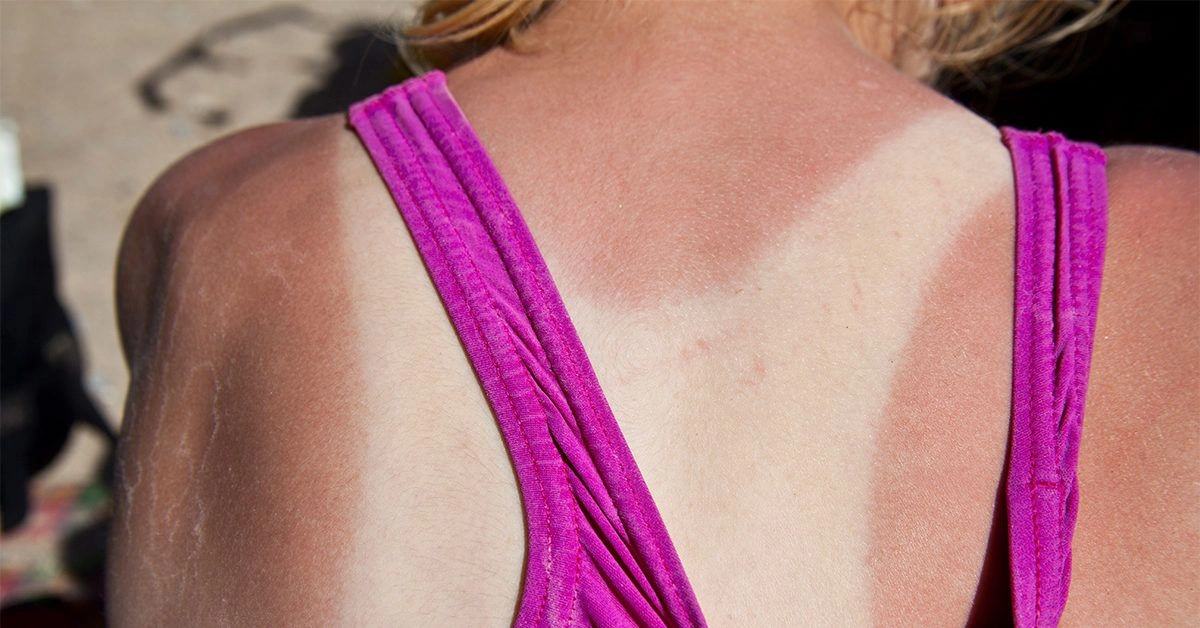
Tanning beds are a common method for darkening skin without sun exposure, and they’re also used in phototherapy to treat conditions like psoriasis. However, using tanning booths comes with certain risks and potential side effects.
One such side effect is a “tanning bed rash.” This irritated, red, and itchy eruption can appear within hours to days after using a tanning bed.

What triggers a tanning bed rash?
Several factors can lead to a tanning bed rash.
The simplest explanation is dry skin. Beginning a session with skin that’s dehydrated allows tanning bulbs to strip moisture from the skin’s outer layer, which can result in itchy, flaky patches.
Another culprit is overexposure to ultraviolet (UV) light. Tanning beds emit UV radiation through specialized lamps, and sometimes the skin can’t tolerate the amount of UV it receives. When that happens, a rash may develop.
Tanning may also provoke a heat rash (miliaria), which occurs when sweat cannot escape. Trapped sweat between skin layers produces small, uncomfortable bumps.
Occasionally what looks like a tanning bed rash is actually an allergic reaction. Reactions to products used while tanning are not uncommon. Lotions, oils, and other tanning products can clog pores or irritate the skin, producing a rash. If tanning beds aren’t cleaned correctly between users, residue from another person’s products may transfer to your skin and cause a reaction.
Even the cleaning agents used on tanning beds can cause skin irritation and lead to a rash.
What are the signs of a tanning bed rash?
A tanning bed rash typically shows recognizable symptoms, such as:
- raised white or red bumps on the skin
- swelling or itching
When should you see a doctor?
If a rash emerges after using a tanning bed, monitor it closely. If it persists beyond five days, consult your primary care physician or a dermatologist to determine if other factors are involved.
Excessive scratching can break the skin and invite infection. Seek medical care promptly if you notice discolored discharge from the rash site or develop a fever in relation to the rash.
How to manage a tanning bed rash
Most tanning bed rashes resolve within a few days. Meanwhile, you can try home measures to relieve itching and discomfort:
- Avoid extra sun exposure. Until the rash improves, use a broad-spectrum sunscreen of at least SPF 30 if you must be outdoors. Wear loose clothing made of natural fibers to cover affected areas.
- Apply aloe vera or topical treatments. Pure aloe vera gel can soothe redness and itching. If you suspect an allergic cause, an antihistamine cream may help. A 1% hydrocortisone cream can reduce swelling, itchiness, and inflammation.
- Take a warm bath. A lukewarm soak with colloidal oatmeal can ease itchy skin.
If these remedies don’t bring relief, a doctor may prescribe stronger antihistamines or a more potent corticosteroid cream.
What is the prognosis for a tanning bed rash?
Although a tanning bed rash can be uncomfortable, it usually doesn’t last long. If you avoid further UV exposure after the rash appears, it commonly clears within 24 to 48 hours.
Continued sun or UV exposure can extend the duration of the rash.
How can you prevent a tanning bed rash?
You can take steps to reduce the chance of developing a tanning bed rash. To minimize risk after a session, be sure to:
- use tanning beds only in clean, reputable salons
- thoroughly wipe down tanning bed surfaces with a hypoallergenic wipe before use
- avoid additional sun exposure for a day or two after tanning to prevent UV overexposure
If you have a family history of skin cancer, you may want to steer clear of tanning beds altogether. Be forthright with your healthcare provider about your tanning practices and ask about risks specific to your skin type. Unless you’re using tanning beds for medical phototherapy such as psoriasis treatment, consider safer alternatives to achieve a tan.




















Leave a Reply
You must be logged in to post a comment.