

Experiencing pain above your left hip, back, or abdomen can stem from many different conditions. In most situations, it improves with rest, simple home care, or an over-the-counter medication. However, persistent discomfort should never be ignored.
For many women searching about Pain in left hip area female, the discomfort may radiate from nearby structures such as the lower back, pelvis, or abdominal organs. In some cases, the source of the pain is not the hip itself but another part of the body referring pain to that region. Causes range from minor muscle strains that resolve quickly to more serious medical issues requiring urgent care.
Understanding what may be contributing to Pain in left hip area female can help you recognize when to rest at home and when to seek medical evaluation. Below, we outline potential causes, how doctors diagnose them, and the available treatment approaches.
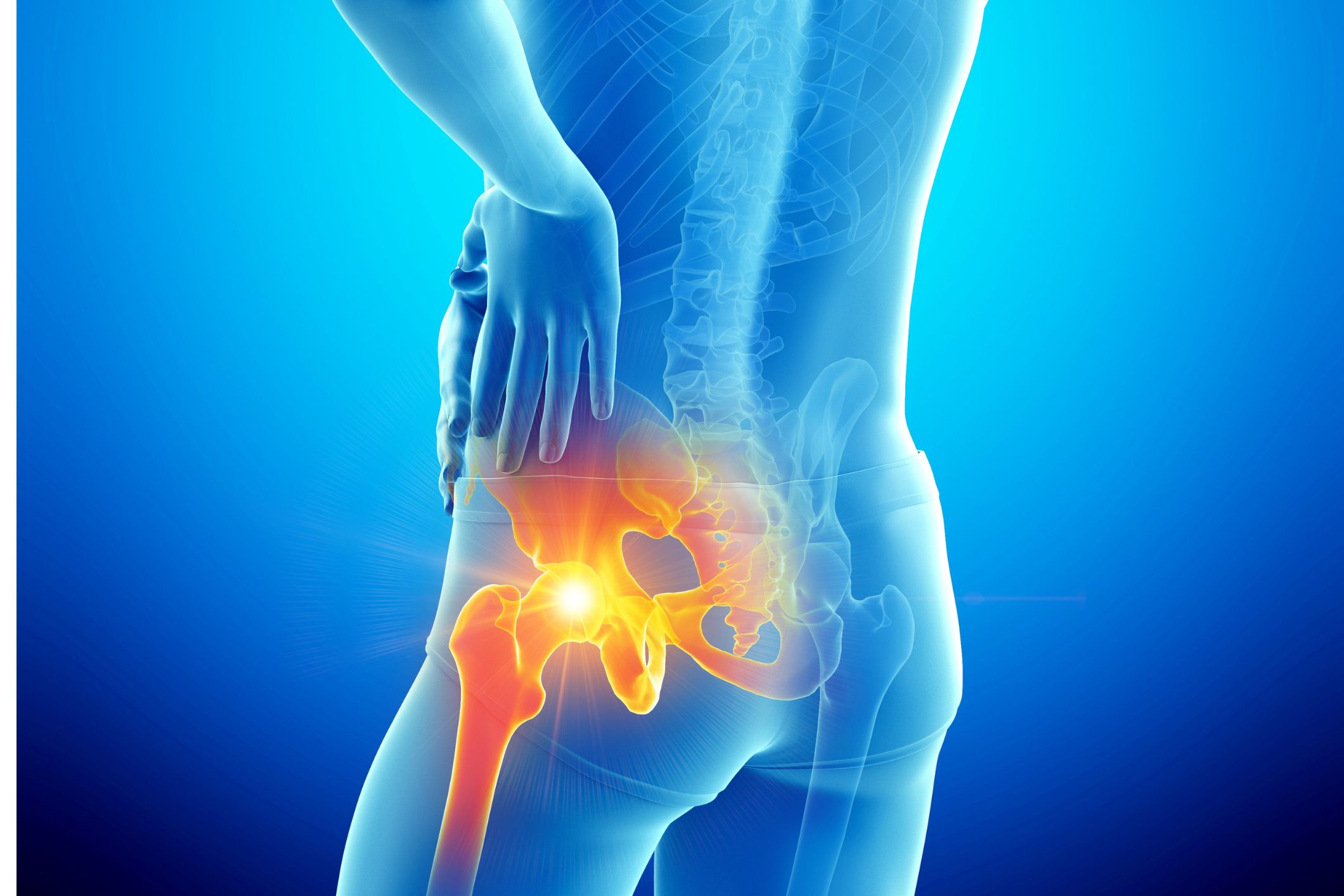
Pain above left hip causes
| Less serious causes | Serious causes | Female-only causes | Male-only causes |
| Arthritis | Bone cancer | Ectopic pregnancy | Prostate cancer |
| Bursitis | Hernia | Endometriosis | |
| Celiac disease | Iliopsoas abscess | Menstrual pain | |
| Crohn’s disease | Ilium fracture | Ovarian cyst | |
| Diverticulitis | Kidney stones | Pelvic inflammatory disease (PID) | |
| Muscle strain (side stitch) | Left-sided appendicitis | ||
| Osteomyelitis | Leukemia | ||
| Pinched nerve | Pancreatic cancer | ||
| Polymyalgia rheumatica | |||
| Sacroiliac joint dysfunction |
Less serious causes
Several milder conditions can trigger pain above the left hip and may improve without intensive treatment. Even so, ongoing or worsening symptoms deserve medical attention to rule out underlying problems.

Arthritis
Arthritis is a condition that causes inflammation, stiffness, and sometimes intense pain in one or more joints. Different forms of arthritis, including osteoarthritis and inflammatory types, can contribute to discomfort above the hip.
It may develop from normal wear and tear related to aging or from autoimmune disease. Joint degeneration in the hip or sacroiliac region can contribute to Pain in left hip area female, especially during movement.
Bursitis
Bursitis involves inflammation of the bursae, the small fluid-filled sacs that cushion bones and reduce friction in joints. In the hip, repetitive activities such as running or prolonged pressure on one side can irritate these structures. Most hip bursitis cases are caused by repetitive motion or strain.
Celiac disease
Celiac disease results from an immune reaction to gluten, a protein found in wheat, barley, and rye. This reaction damages the small intestine and may cause abdominal pain, bloating, and nutrient deficiencies.
Although the exact cause is unclear, risk factors include a family history of the condition, autoimmune thyroid disease, and Addison’s disease.
Crohn’s disease
Crohn’s disease is an inflammatory bowel disease that leads to chronic inflammation in the digestive tract. Abdominal discomfort can sometimes radiate toward the hip region. While the precise cause is unknown, certain factors may put you at risk, including autoimmune tendencies, family history, and Jewish European descent.
Diverticulitis
Diverticulitis occurs when small pouches in the digestive tract, called diverticula, become inflamed or infected. It frequently produces pain on the left side of the abdomen and can extend toward the upper hip area. This condition develops when the pouches rupture or become blocked.
Muscle strain or stitch
A muscle strain happens when muscle fibers are overstretched or torn. If this affects the left side of the torso or lower back, it can result in pain above the left hip. A side stitch, commonly experienced during exercise, may also cause temporary discomfort in this region.
Pinched nerve
A pinched nerve in the lower spine develops when surrounding tissues compress a nerve root. This may produce radiating pain near the hip and down the leg. Arthritis, a herniated disc, or physical injury are common triggers.
Polymyalgia rheumatica
Polymyalgia rheumatica is an inflammatory disorder marked by muscle pain and stiffness that is often worsening in the morning. While the cause remains uncertain, age, genetics, and environmental influences likely contribute.
Sacroiliac joint dysfunction and sacroiliitis
The sacroiliac joints connect the lower spine to the pelvis. Sacroiliac joint dysfunction occurs when abnormal movement develops in one or both joints.
Arthritis, pregnancy, infection, or trauma are frequent causes. Because these joints sit close to the hip, dysfunction may mimic Pain in left hip area female. For a broader overview of related patterns, see Hip pain location and causes.
Serious causes
Bone cancer
Bone cancer refers to abnormal bone cell growth that may be benign or malignant. Malignant tumors can spread to other parts of the body, including the hips and abdomen. Symptoms may include persistent pain and a noticeable mass.
Hernia
An abdominal wall hernia develops when part of the intestine pushes through a weakened area of abdominal muscle. This can cause significant discomfort that worsens with coughing or straining.
Kidney stones
Kidney stones are hard mineral formations that develop in the kidneys, located toward the back above the hips. They may cause sharp, radiating pain that travels to the lower abdomen and groin.
Pancreatic cancer
Pancreatic cancer affects the pancreas, an organ positioned behind the lower portion of the stomach. Without treatment, tumors can cause upper abdominal pain that may extend toward the hip area.
Female-only causes and symptoms
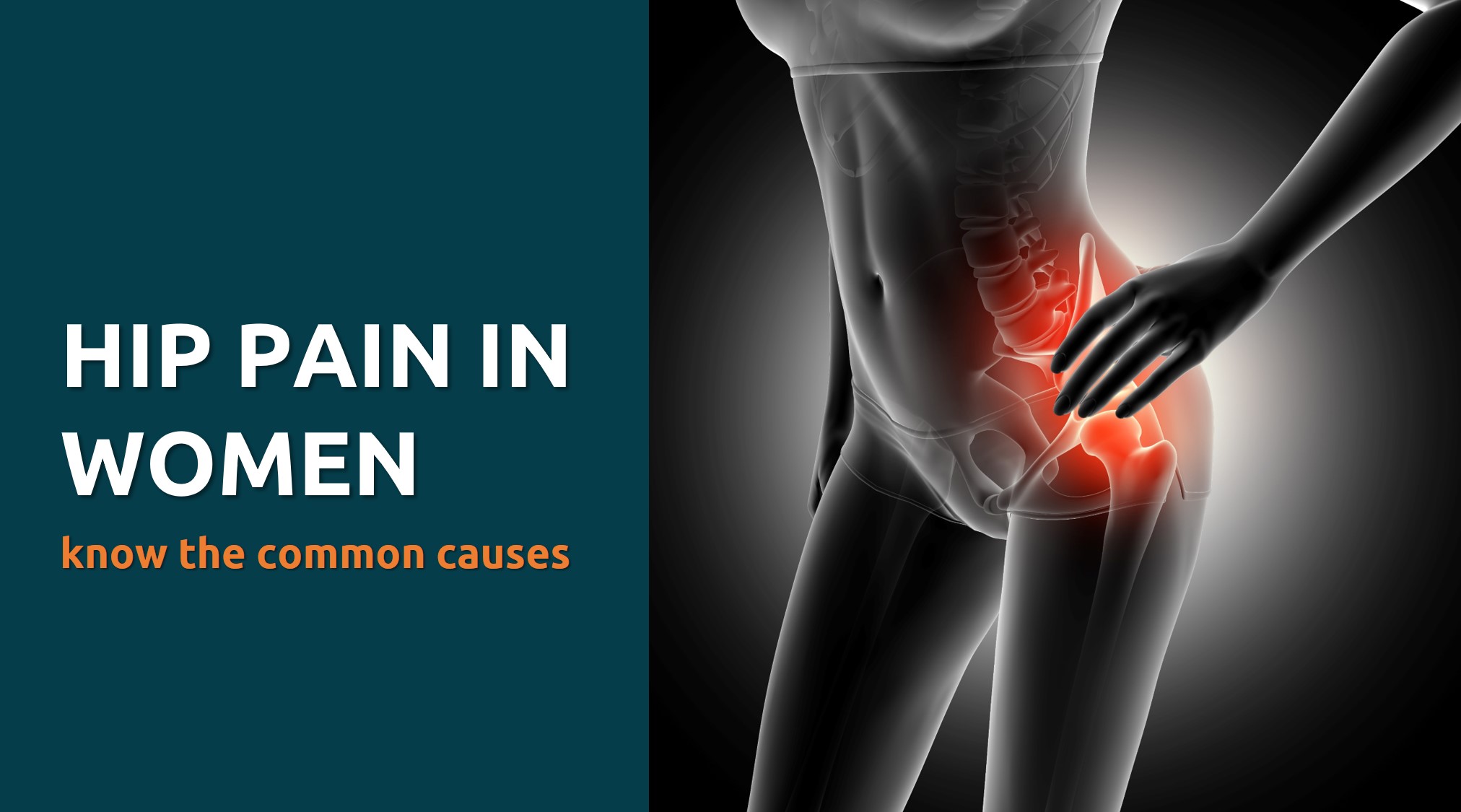
Some conditions linked to Pain in left hip area female specifically affect the female reproductive system.
Ectopic pregnancy
Ectopic pregnancy occurs when a fertilized egg implants outside the uterus. This is a medical emergency if untreated and can cause severe abdominal and side pain.
Endometriosis
Endometriosis involves the growth of uterine-like tissue outside the uterus. It can cause severe pain, particularly in the pelvic region, and may radiate toward the hip.
Menstrual pain
Menstrual pain, or dysmenorrhea, is common and may lead to cramping that spreads through the abdomen and lower back.
These cramps are triggered by hormonal fluctuations. Underlying reproductive conditions such as endometriosis can intensify symptoms.
Ovarian cyst
Ovarian cysts are fluid-filled sacs that develop on the ovaries. While many are asymptomatic and harmless, some may cause abdominal discomfort, bloating, or a sensation of heaviness.
Pelvic inflammatory disease (PID)
Pelvic inflammatory disease is a serious infection of the female reproductive organs. It may initially produce mild or no symptoms, but untreated cases can lead to severe abdominal and pelvic pain.
To explore additional reproductive and musculoskeletal factors, read What can cause hip pain in a woman.
Male-only causes and symptoms
Prostate cancer
Prostate cancer affects the prostate gland, which produces sperm. Some forms grow slowly and cause minimal symptoms, while others are aggressive. If cancer spreads to the bones, including the hip, it can result in severe pain in that region.
How to diagnose pain above the left hip
To determine the reason for pain above your left hip, a healthcare professional will review your symptoms and medical history and conduct a physical examination of the area.
Additional tests may include:
- Blood, joint fluid, and urine tests. These can detect abnormalities suggesting disease affecting the blood, bones, or urinary tract.
- Endoscopy. This procedure helps evaluate digestive disorders and identify signs of infection or inflammation.
- Imaging tests. CT scans, ultrasounds, MRIs, and X-rays can reveal fractures, cysts, tumors, and structural abnormalities.
Depending on findings, referral to a specialist may be necessary, such as a gastroenterologist, obstetrician-gynecologist, oncologist, orthopedist, or urologist.
Treatment for pain above left hip
Treatment depends entirely on the underlying cause. Options may include:
- antibiotics for infections such as diverticulitis and PID
- chemotherapy and radiation for cancer treatment
- lifestyle modifications, including dietary adjustments, smoking cessation, and regular exercise for conditions like Crohn’s disease
- medications such as NSAIDs to relieve dysmenorrhea and inflammatory pain
- rest and activity modification for muscle strains and minor injuries
- surgery to address certain cancers, repair hernias, remove cysts or the appendix, and treat fractures
Takeaway
In many cases, pain above the left hip is not a medical emergency and responds well to conservative treatment. Still, persistent, severe, or worsening pain should be evaluated promptly.
By monitoring your symptoms and seeking timely care, you can identify the root cause and begin appropriate treatment to relieve discomfort and protect your long-term health.





















Leave a Reply
You must be logged in to post a comment.