4 Types of Foods to Avoid for Prostate Health


Avoiding specific dietary choices — particularly red and processed meats and foods high in simple sugars — may support both prostate function and overall wellness.
If you’ve ever wondered, What are the worst foods for prostate health, your daily eating habits play a significant role. Research suggests that nutrition can influence your risk of prostate cancer and other prostate-related conditions. The University of California at San Francisco Medical Center indicates that adopting a dietary pattern that is:
- low in saturated fat and simple sugars
- rich in fiber
- abundant in fruits and vegetables
may help lower the risk of prostate cancer or potentially slow its progression. In addition to prioritizing protective foods, it’s equally important to recognize which items may negatively affect prostate health. Below, we explore the foods most often linked with increased prostate cancer risk and how making thoughtful substitutions can support long-term men’s health.
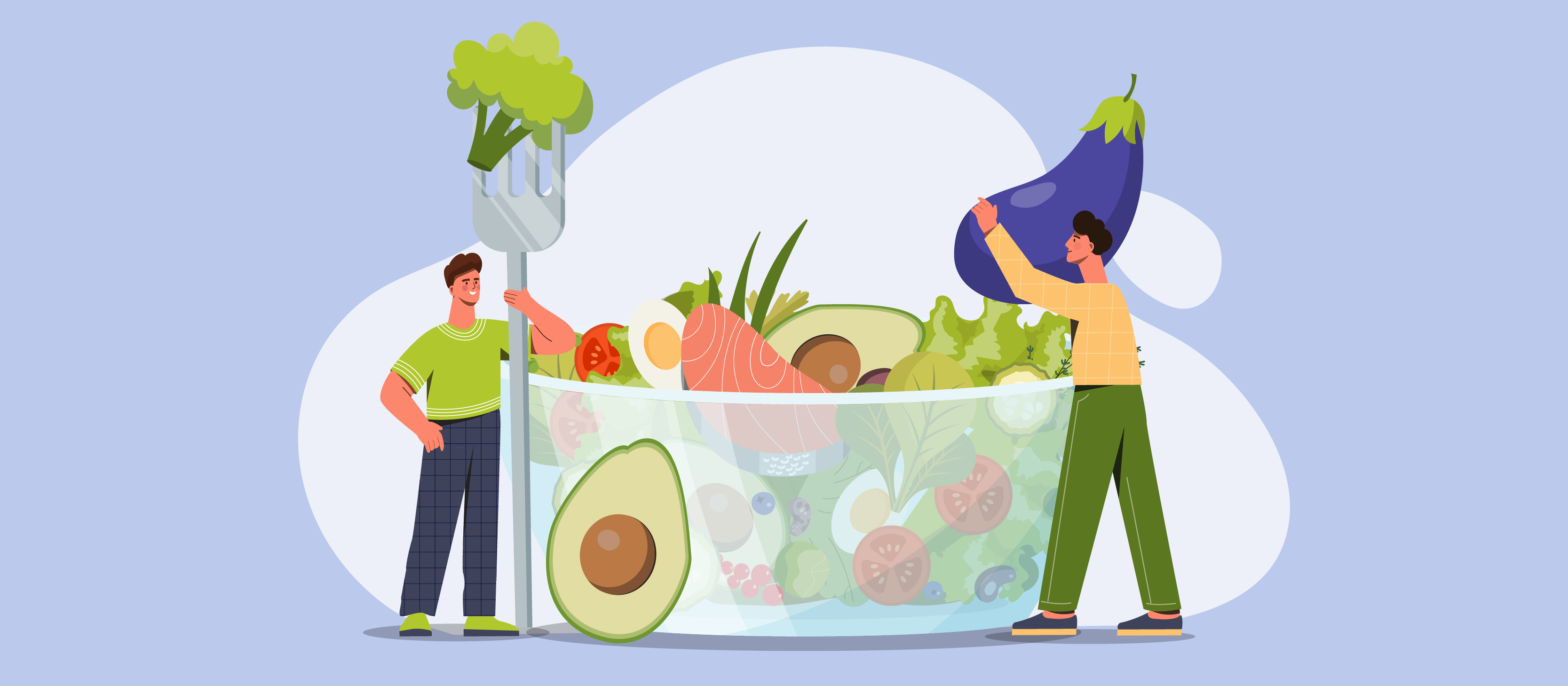
Foods to avoid
- red and processed meat
- high-fat dairy
- alcohol
- saturated fat
1. Red meat and processed meat
Diets heavy in meat — especially when cooked at high temperatures or until well-done — have been associated with a greater likelihood of developing prostate cancer. One reason may be the formation of heterocyclic amines (HCAs), which are carcinogens produced when meat is exposed to high heat. HCAs have been linked to several types of cancer in scientific studies.
HCAs are generated during cooking methods such as grilling, broiling, or pan-frying. According to the World Health Organization , both red and processed meats may contribute to an increased risk of prostate cancer. Examples include:
- beef
- pork
- lunch meats
- hot dogs
- sausage
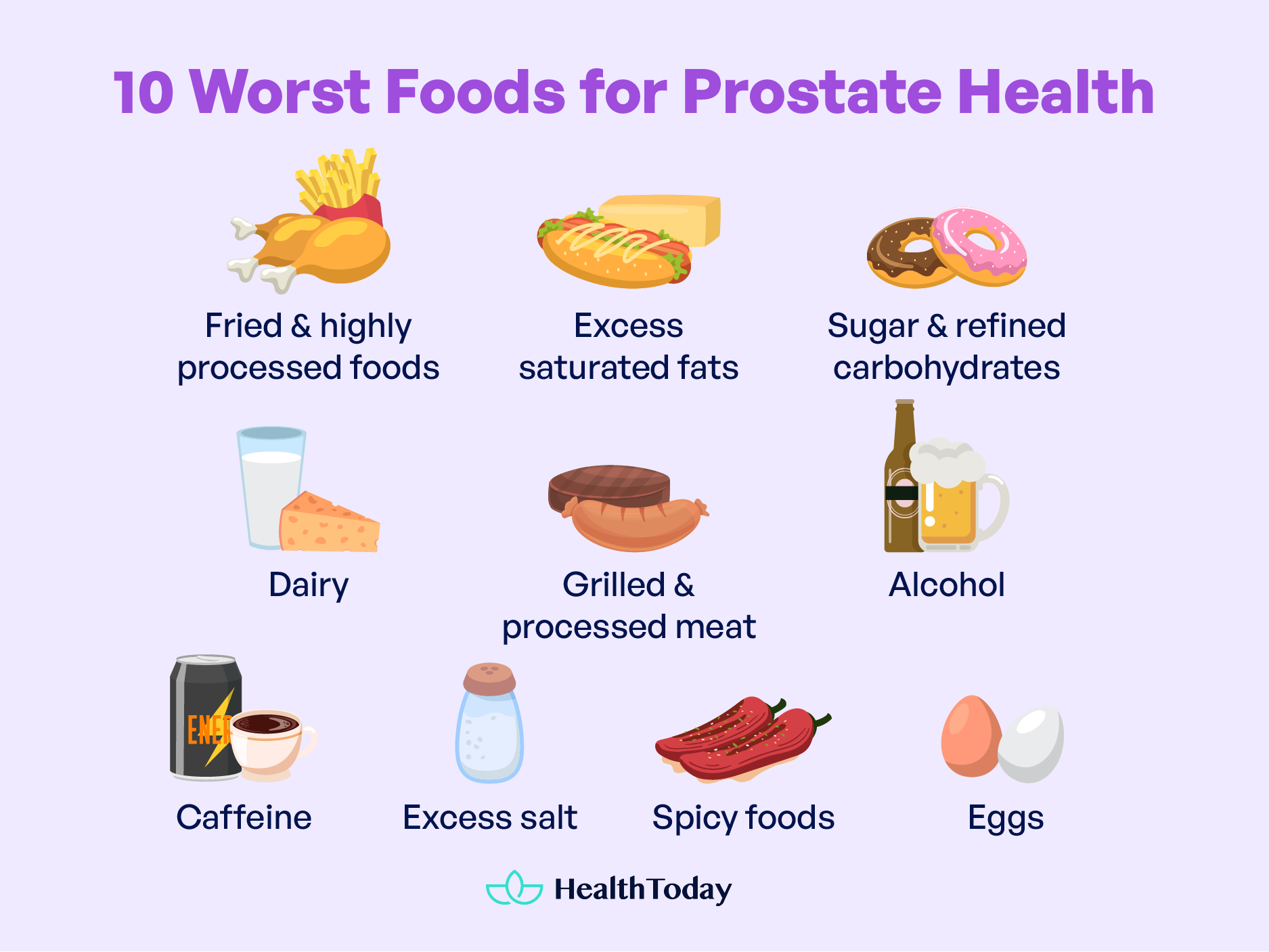
For men researching What are the worst foods for prostate health, processed deli meats and charred red meats consistently appear on the list. You can read more in this detailed guide on the Ten worst foods for prostate health.
Instead of relying on red or processed meat, consider incorporating alternative protein sources such as:
- lean poultry, like skinless turkey or chicken
- fresh or canned fish, such as tuna, salmon, or sardines
- beans and legumes, including split peas, chickpeas, lentils, pinto beans, and kidney beans
- nuts and nut butters
If sandwiches are a staple in your routine, swap processed cold cuts for a homemade chicken salad or mashed chickpea filling. Plant-based options like tofu or tempeh can also be marinated and sautéed for a satisfying, protein-rich alternative.
Trying a few meatless meals each week may further support prostate health. For example:
- Substitute beans for meat in chili or stews.
- Grill fish fillets instead of steaks.
- Prepare a black bean burger rather than a traditional hamburger.
- Cube tofu, marinate it, and stir-fry with vegetables and brown rice.
These adjustments not only reduce exposure to HCAs and saturated fats but also increase fiber intake, which is associated with improved digestive and metabolic health.
2. Dairy
High consumption of dairy products has also been examined for its possible role in prostate cancer risk. Findings published in the Journal of Nutrition suggest that drinking whole milk may elevate the risk of progression to fatal prostate cancer. Even skim and low-fat milk have been associated with an increased risk of low-grade stages of the disease.
While research is ongoing, moderating dairy intake may be a prudent step if you’re concerned about prostate health. Limiting high-fat dairy choices may also help reduce saturated fat consumption, which supports heart health as well.
Consider cutting back on:
- whole milk
- full fat cheeses
- full fat yogurts
- full fat butter
- full fat cream cheese
- full fat ice cream
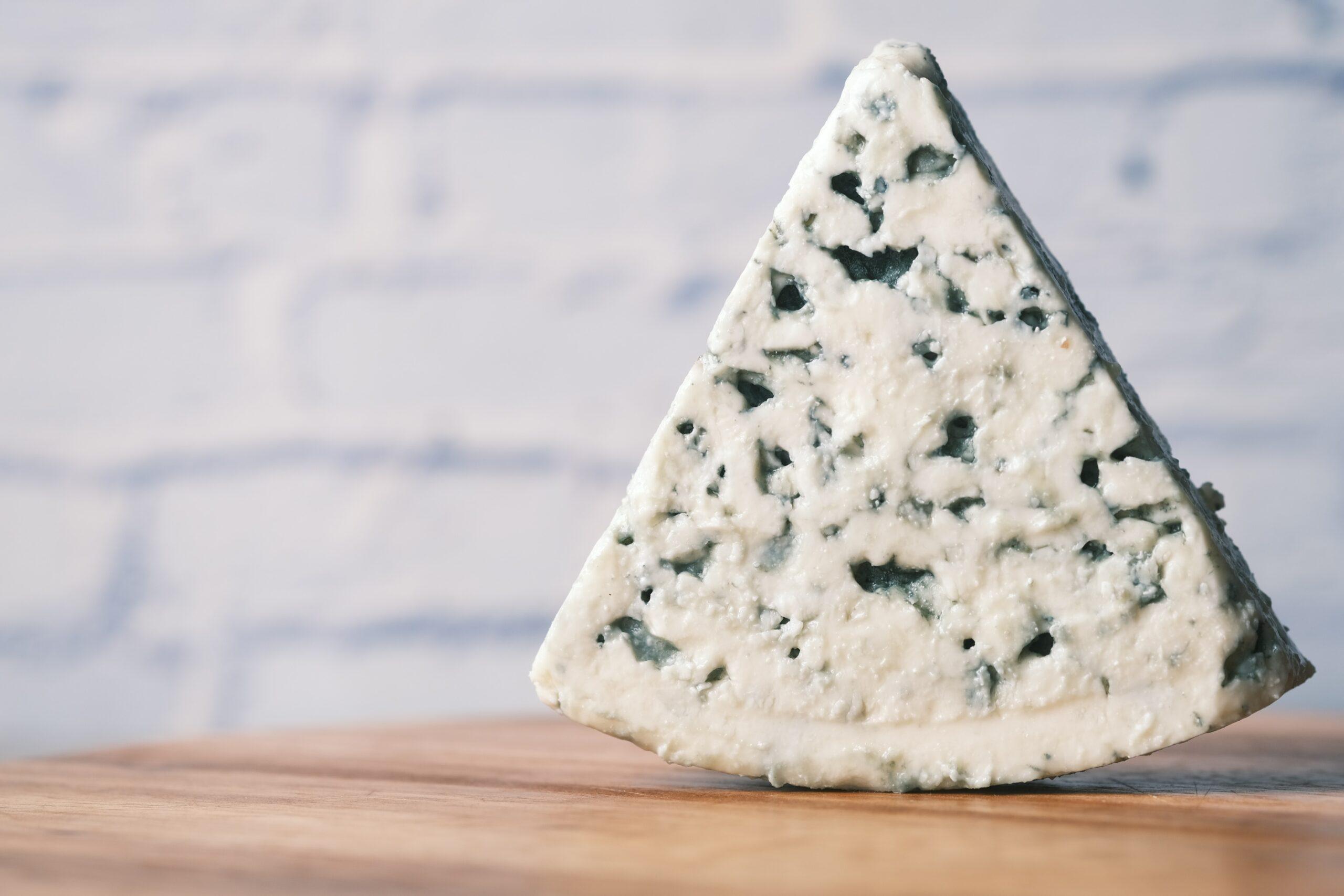
When possible, opt for low-fat or fat-free alternatives. Many people also explore plant-based milk options available in grocery stores, such as:
- flax milk
- rice milk
- almond milk
- hemp milk
- soy milk
- coconut milk
- cashew milk
Each variety has its own flavor profile and nutritional composition. Be mindful of added sugars, as some plant-based milks are sweetened. Unsweetened versions are typically the better choice for maintaining stable blood sugar levels and supporting overall wellness.
For more dietary guidance, you may also find it helpful to review the 10 best foods for prostate health, which highlights nutrient-dense options that may offer protective benefits.
3. Alcohol
Excessive alcohol intake has been linked to a higher likelihood of developing prostate cancer. Data from more than 10,000 men enrolled in the Prostate Cancer Prevention Trial showed that heavy drinkers were twice as likely to receive a diagnosis of advanced prostate cancer compared to moderate drinkers. Heavy drinking was defined as consuming more than three drinks per day or more than 20 drinks per week.
For men, general recommendations suggest limiting intake to no more than two drinks per day.
One standard drink equals:
- 12 ounces of regular beer (five percent alcohol)
- 5 ounces of wine (12 percent alcohol)
- 1.5 ounces of a hard liquor (40 percent alcohol)
If you’re reassessing What are the worst foods for prostate health, alcohol in excess deserves attention. Cutting back may not only support prostate wellness but also benefit liver function, cardiovascular health, and sleep quality.
Alternative beverage options include:
- water or sparkling water with a splash of fresh fruit juice
- non-alcoholic beers or wines
- sparkling juices
- tea or coffee
You can also create alcohol-free versions of favorite cocktails. For instance, replace rum in a mojito with sparkling water or lemon-lime soda. Adding fresh mint and citrus garnish keeps the experience enjoyable without the added alcohol.
4. Saturated fats
Saturated fats are well known for their association with heart disease. Their connection to prostate cancer remains less definitive, though some studies suggest a relationship between higher saturated fat intake and advanced prostate cancer. Not all research findings align, and additional studies are necessary to clarify this link.
Nevertheless, reducing saturated fat consumption can positively impact overall health. It also creates room in your diet for fiber-rich plant foods and healthier fat sources.
Saturated fats are commonly found in:
- meat
- dairy products
- salad dressings
- baked goods
- processed foods
Try substituting with monounsaturated and polyunsaturated fats from foods such as:
- fish
- avocado
- nuts
- olive oil
- seeds
For baking, consider replacing half the butter with unsweetened applesauce. For example, if a recipe calls for 1 cup of butter, use ½ cup butter and ½ cup applesauce. On toast or sandwiches, mashed avocado can replace butter or mayonnaise, adding heart-healthy fats and fiber.
Next steps
If you have concerns about your prostate health, schedule a discussion with your doctor. Common symptoms of prostate cancer may include:
- difficulty urinating
- blood in your semen
- erectile dysfunction
- bone pain and pelvic pain
Dietary improvements may help lower cancer risk, but always consult your physician before making significant nutritional changes or starting supplements. Certain foods and supplements can interact with medications or cancer therapies.
For additional educational resources on prostate cancer prevention, treatment options, and nutrition strategies, visit HealthEH’s Prostate Cancer Topic Center at healtheh.com.
Tips for prostate health
Beyond modifying your intake of the worst foods for prostate health, several lifestyle habits can further promote prostate wellness and reduce cancer risk:
- Fill your plate with fruits and vegetables, and choose whole grains or legumes as side dishes to increase fiber and antioxidant intake.
- Avoid relying on supplements without medical advice. There is no conclusive evidence that supplements alone lower prostate cancer risk. Discuss any you’re considering with your doctor.
- Engage in regular physical activity most days of the week. Consistent exercise supports immune function, weight management, and emotional well-being.
- Maintain a healthy body weight. If needed, consult a dietitian for personalized guidance.
- Speak with your doctor about prostate cancer screening recommendations. Many men begin discussions in their fifties, or earlier if they have elevated risk factors.
Understanding What are the worst foods for prostate health empowers you to make informed, balanced dietary decisions. Combined with routine medical care and a healthy lifestyle, these choices can contribute meaningfully to long-term prostate and overall health.
Helpful Questions
The worst foods for prostate health include red and processed meats, high-fat dairy products, alcohol in excess, and foods high in saturated fats. These items are linked to an increased risk of prostate cancer and other prostate-related issues.
Red meat, especially when cooked at high temperatures, can produce carcinogens called heterocyclic amines (HCAs). Diets heavy in red and processed meats have been associated with a greater likelihood of developing prostate cancer.
High consumption of dairy products, particularly whole milk and full-fat varieties, has been examined for its potential role in elevating prostate cancer risk and progression. Moderating dairy intake may be a prudent step for prostate wellness.
Yes, excessive alcohol intake is linked to a higher likelihood of prostate cancer. Studies show heavy drinkers have a significantly increased risk of advanced prostate cancer compared to moderate drinkers.
Instead of saturated fats from meats and dairy, opt for monounsaturated and polyunsaturated fats from sources like fish, avocado, nuts, olive oil, and seeds. These healthier fats support overall and prostate health.
Read Next

Your Introductory Guide to Transfeminine Top Surgery

The 10 Best Silicone-Free Shampoos

Guide to Baby Wearing: Benefits, Safety Tips, and How To

What's the Difference Between Kosher and Halal Diets?

What Is Sweet Annie and What Are the Benefits?

7 Methods to Dry Up Breast Milk and When to Contact a Doctor
Related Posts

Hot and Cold Therapy: When to Use Each for Neck Pain
Sep 4, 2026 • 33 min read
Thinking About a Septum Piercing? Here’s What to Expect
Aug 19, 2026 • 20 min read
Proteolytic Enzymes: How They Work, Benefits and Sources
Sep 13, 2026 • 20 min read
Chickpea Allergy: What You Need to Know
Aug 6, 2026 • 29 min read
Is Coconut Kefir the New Superfood?
Oct 2, 2026 • 13 min read