

Playing diet defense
About 50 percent of men older than 50 experience an enlarged prostate, also known as benign prostatic hyperplasia (BPH), according to the National Institute of Diabetes and Digestive and Kidney Diseases. By age 80, nearly 90 percent of men are living with BPH, making prostate health a major concern as men age.
If you’re searching for the 10 best foods for prostate health, nutrition can play a powerful protective role. A balanced eating pattern rich in specific vitamins, minerals, antioxidants, and healthy fats may support normal prostate function and help reduce the risk of BPH. Excess body weight is another known risk factor for developing BPH, so maintaining a healthy weight through mindful eating and regular physical activity is equally important.

Focusing on nutrient-dense whole foods while limiting heavily processed options is a smart strategy. In fact, understanding the Ten worst foods for prostate health and learning What are the worst foods for prostate health can help you make more informed daily choices. Below, we explore key foods that may help you build a prostate-friendly diet.
Sesame seeds
Sesame seeds are an excellent source of zinc, a mineral that plays a vital role in prostate function. Research published in the Indian Journal of Urology reports that men with BPH or prostate cancer often have significantly lower zinc levels in their bodies—sometimes up to 75 percent lower—compared to men with healthy prostates.
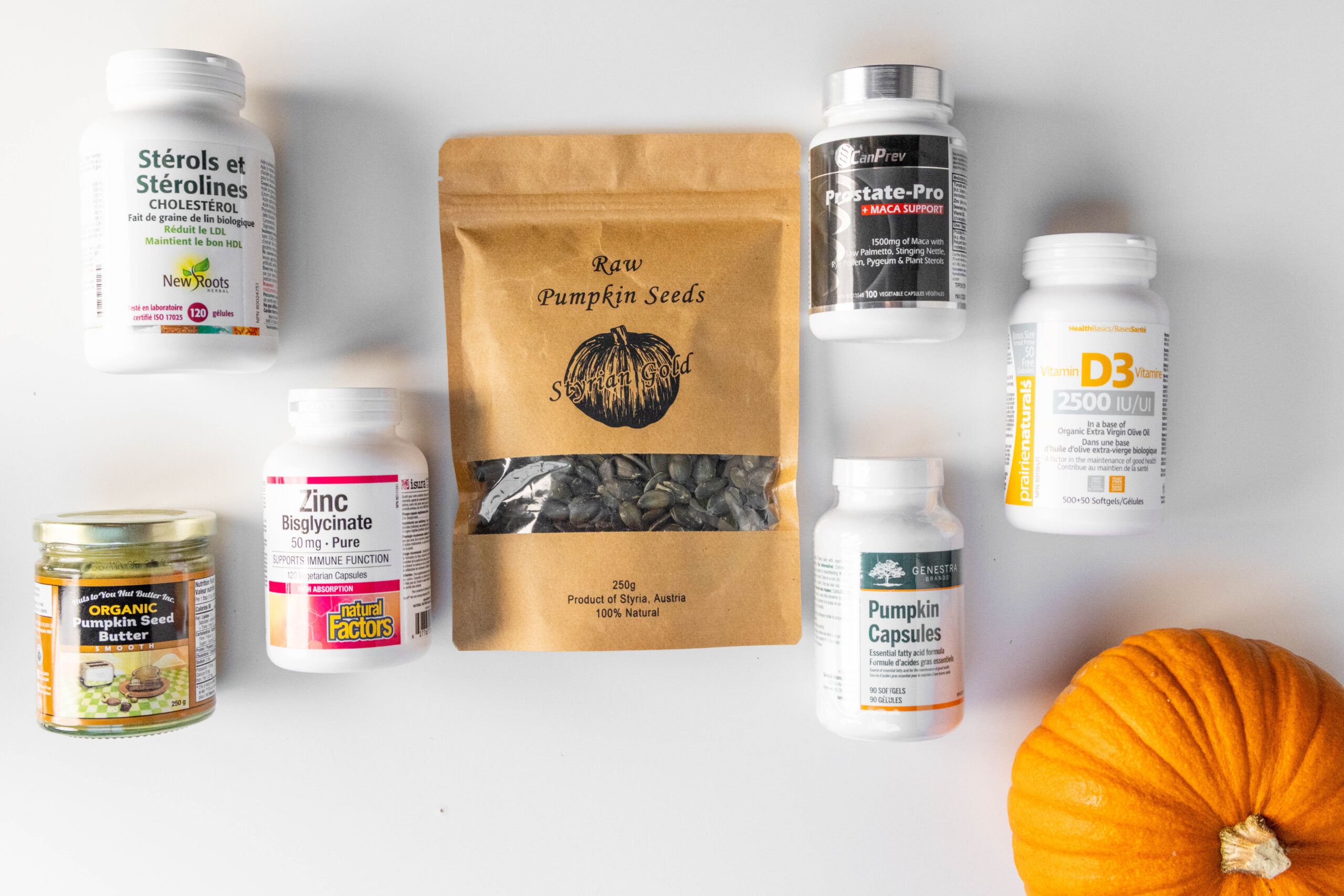
Zinc obtained from whole foods tends to be better absorbed than zinc from supplements. Adding sesame seeds to salads, yogurt, or smoothies is an easy way to boost intake. Other zinc-rich foods include almonds, adzuki beans, and pumpkin seeds.
A study conducted on rats suggests that pumpkin seeds may also help manage BPH, indicating their potential supportive role in a prostate-conscious diet.
Salmon
According to the Mayo Clinic, obesity may raise the likelihood of developing an enlarged prostate. Addressing weight through dietary improvements is therefore a key component of the 10 best foods for prostate health approach.
One review suggests that increasing omega-3 fatty acids, along with regular exercise, may help reduce obesity and prevent weight gain. Salmon is particularly rich in omega-3 fatty acids, which are known for their anti-inflammatory properties and overall health benefits.
Omega-3 fatty acids may help protect against:
- cardiovascular disease
- cancer
- rheumatoid arthritis
- inflammation
- weight gain
If fish isn’t your preference, plant-based sources of omega-3s include walnuts, ground flax seeds, chia seeds, and canola oil. Smaller amounts can also be found in kidney beans and soybeans, making it easier to diversify your intake.
Bell peppers
The Mayo Clinic notes that vitamin C from vegetables may contribute to fighting BPH. Bell peppers are especially high in vitamin C—just one cup of raw bell peppers provides nearly 200 percent of the recommended daily intake.
Vitamin C acts as an antioxidant, helping to combat oxidative stress that may contribute to prostate enlargement and cellular damage. To further support prostate wellness, consider incorporating other vitamin C–rich vegetables into your meals, such as:
- broccoli
- cauliflower
- kale
- Brussels sprouts
Including a colorful variety of vegetables ensures a broader intake of phytonutrients that support immune and urinary health.
Tomatoes
Tomatoes are packed with lycopene, the bright red carotenoid responsible for their vibrant color. Lycopene has been studied for its potential to reduce the risk of prostate cancer and may also benefit men with BPH, according to the National Cancer Institute.
One study found that lycopene may slow the progression of BPH. It may also help lower prostate specific antigen (PSA) levels, which are associated with prostate inflammation, BPH, and prostate cancer.
For better absorption, pair lycopene-rich foods with healthy fats such as avocado, nuts, olive oil, or butter. Cooking tomatoes, as in sauces or soups, can also enhance lycopene availability.
Sources of lycopene include:
- tomatoes
- watermelon
- apricots
- pink grapefruit
- papaya
Avocados
Avocados contain beta-sitosterol, a plant sterol believed to ease symptoms linked to BPH. Some men who take beta-sitosterol supplements report improved urinary flow and reduced residual urine volume. However, the Mayo Clinic cautions that the safety and effectiveness of beta-sitosterol supplements have not been definitively established.
Choosing whole food sources of beta-sitosterol may be a safer, more balanced option. In addition to avocados, foods rich in beta-sitosterol include:
- pumpkin seeds
- wheat germ
- soybeans
- pecans
Adding these foods to your weekly meal plan may support urinary comfort and overall prostate function.
Vegetables
A diet abundant in vegetables is consistently associated with a lower risk of BPH. Dark leafy greens are particularly valuable because they supply antioxidants that help neutralize free radicals. Cruciferous vegetables such as broccoli have also been linked to a reduced risk of prostate problems, including BPH and prostate cancer.
Regularly consuming onions and garlic may provide additional protective benefits. Both are widely used in natural medicine to help combat infection and strengthen immune defenses. Their sulfur-containing compounds may also contribute to cellular protection within the prostate.
When building the 10 best foods for prostate health into your routine, aim to fill at least half your plate with a variety of vegetables at most meals.
Tofu
An older study indicated that soybean isoflavones may slow the growth of BPH. However, a more recent study suggests that soy primarily reduces the growth of cancerous cells in the prostate rather than directly shrinking BPH.
Another study reported that soy isoflavones may help improve symptoms and signs of lower urinary tract symptoms caused by BPH, including urinary frequency and weak stream.
To increase your intake of soybean isoflavones, consider adding these whole soy foods to your diet:
- soymilk
- tempeh
- edamame or cooked soybeans
- roasted soybeans
- soy yogurt
Incorporating soy as part of a balanced eating plan can complement other nutrient-dense choices in the 10 best foods for prostate health, helping you take a proactive, nutrition-based approach to long-term prostate wellness.






















Leave a Reply
You must be logged in to post a comment.