

Anxiety can significantly disrupt your ability to fall asleep or remain asleep through the night. When racing thoughts and physical tension keep you awake, many adults begin searching for the Closest thing to Ambien over the counter to help restore healthy rest. While prescription medications like zolpidem (Ambien) are effective for short-term insomnia, several over-the-counter (OTC) options may help ease anxiety symptoms and support better sleep quality.
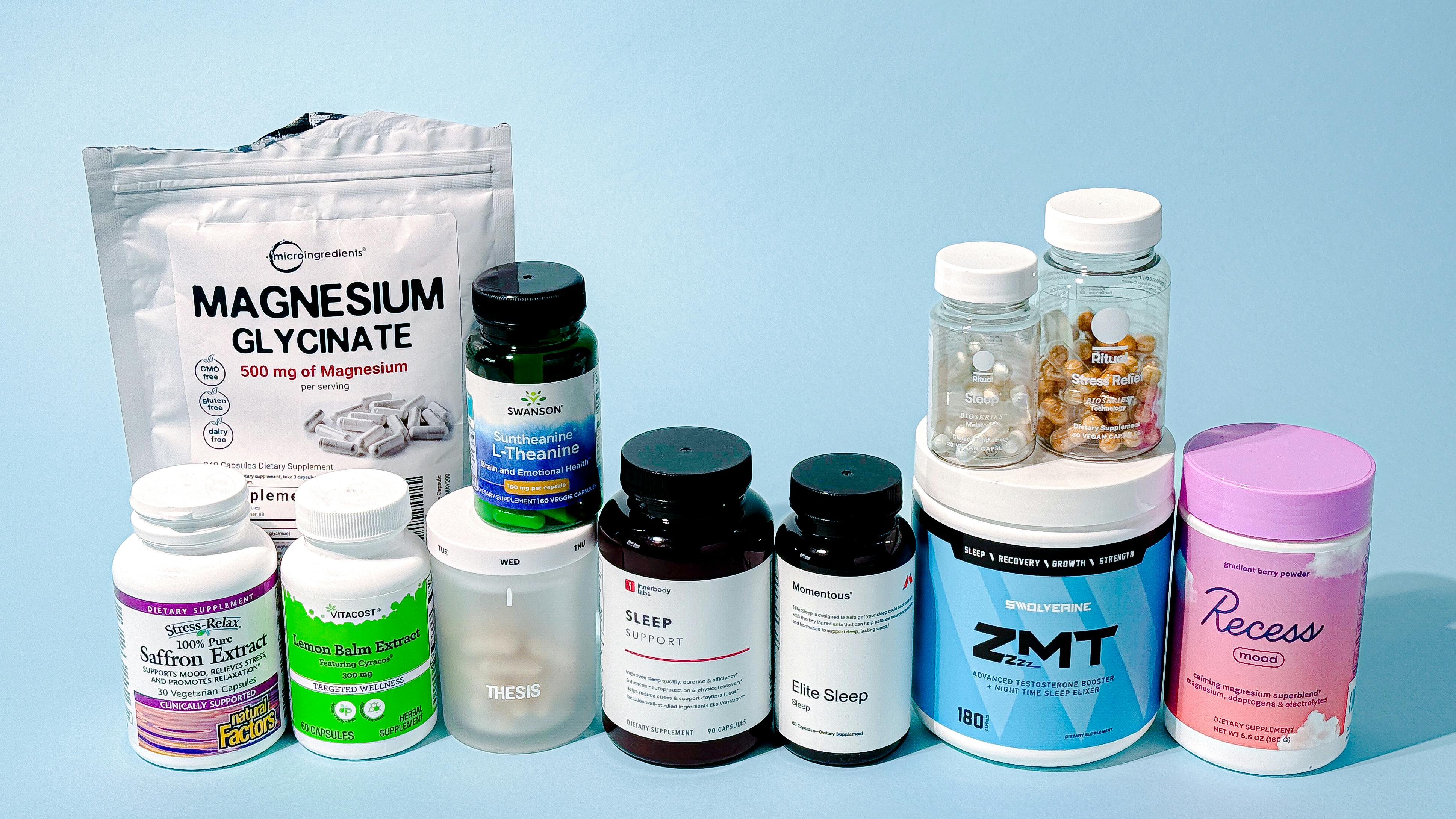
OTC sleep aids may offer temporary relief, especially for mild or situational insomnia linked to stress. However, they are not designed for long-term management, and understanding their safety profile is essential before use.
Supplement Safety
The Food and Drug Administration (FDA) does not regulate supplements the same way it regulates medications. If you’re considering a vitamin, mineral, or herbal product, choose brands that undergo independent third-party testing. This verification helps ensure the supplement contains the ingredients and dosages listed on the label.
Keep in mind that supplements often provide much higher concentrations of vitamins and nutrients than you would typically get from food. Before starting any new supplement, consult a healthcare professional. Some products can cause unintended side effects or interact with prescription medications, including antidepressants, sedatives, and blood pressure drugs.
Anxiety and sleep problems often feed into one another. Poor sleep can intensify anxiety symptoms, and heightened anxiety can make restful sleep harder to achieve. While OTC sleep aids may help break this cycle temporarily, medical professionals generally do not recommend long-term reliance on them.
Because some OTC options may interact with medications or worsen underlying health conditions, speak with a doctor before use—especially if you are pregnant, breastfeeding, managing a chronic illness, or taking prescription drugs.
Below are 10 of the best OTC sleep aids for adults experiencing anxiety-related sleep disturbances.
Melatonin
Melatonin is a naturally occurring hormone that helps regulate your sleep-wake cycle. Darkness stimulates its release, signaling to your body that it’s time to prepare for rest.
For individuals searching for the Closest thing to Ambien over the counter, melatonin is often the first option considered because it directly influences circadian rhythm. Supplements are available as tablets, liquids, sprays, and patches.
A 2022 study found melatonin to be most beneficial for circadian rhythm disorders. It may help individuals fall asleep more quickly and improve overall sleep quality in cases of anxiety-related insomnia.
Melatonin dosing is not standardized since the FDA does not regulate it as a drug. For anxiety-related insomnia, research suggests 2 to 6 milligrams (mg) at bedtime. If you’re wondering about dosage comparisons, you may find this guide helpful: How much melatonin is Equal to Ambien.
Melatonin is generally well tolerated, though possible side effects include:
- daytime drowsiness
- dizziness
- headaches
- nausea
Melatonin may not be appropriate for everyone. People who are pregnant, breastfeeding, undergoing dialysis, or living with liver problems should avoid it unless advised otherwise by a doctor.
Magnesium
Magnesium is an essential mineral involved in muscle function, nerve signaling, and brain health. It helps regulate neurotransmitters such as GABA, which promote relaxation and support restful sleep.
A 2024 study review indicated that magnesium supplements may improve sleep quality in individuals with anxiety. However, researchers emphasize that more large-scale clinical trials are necessary.
Studies suggest magnesium glycinate is frequently preferred for anxiety and sleep support due to better absorption and fewer gastrointestinal side effects compared with forms like magnesium oxide.
The recommended dietary allowance (RDA) for magnesium is 300 to 420 mg daily from food and supplements combined, depending on age and sex.
Possible side effects include:
- loose stools or diarrhea
- abdominal pain
- nausea
Magnesium is not suitable for everyone. Individuals with kidney disease should avoid supplementation unless directed by a healthcare professional, as reduced excretion can cause toxicity.
Valerian root
Valerian root is an herbal remedy commonly included in sleep formulations to encourage relaxation. It works by enhancing GABA activity in the brain, which may help calm the nervous system.
A 2020 research review reported that valerian root may assist some people in falling asleep more easily and lowering anxiety levels, though findings remain mixed.
Valerian root is considered safe for short-term use. The typical dose for sleep is 300 to 600 mg at bedtime for up to 6 weeks.
Common side effects include:
- headache
- vivid dreams
- upset stomach
- irritability
Like other herbal supplements, valerian is not regulated by the FDA. Pregnant or breastfeeding individuals should avoid it due to limited safety data. Valerian root may also interact with medications such as antidepressants.
Diphenhydramine
Diphenhydramine (Benadryl) is an antihistamine widely used for allergy relief and also marketed as an OTC sleep aid.
It produces drowsiness by blocking histamine receptors in the brain, which can be helpful for short-term sleep difficulties.
The standard dose for insomnia is 25 to 50 mg at bedtime.
Side effects may include:
- dry mouth
- constipation
- confusion or dizziness (especially in older adults)
Recent research indicates that people with conditions such as peptic ulcers or glaucoma should avoid diphenhydramine.
Healthcare professionals discourage long-term use due to tolerance, overdose risk, and potential cognitive impairment. It may also interact with certain antidepressants.
Doxylamine
Doxylamine (Unisom) is another OTC antihistamine with sedating properties. It works similarly by blocking histamine activity in the brain.
Although research supports its effectiveness for sleep onset, it is not recommended for chronic insomnia because of tolerance and side effect concerns.
The typical dose of doxylamine is 25 milligrams (mg) taken about 30 minutes before bedtime.
Possible side effects include:
- dizziness
- blurred vision
- dry mouth
- next-day grogginess
Consult a healthcare professional before use if you have breathing disorders, glaucoma, or prostate problems. Doxylamine may interact with other mental health medications.
Chamomile
Chamomile is an herb rich in apigenin, an antioxidant that binds to receptors in the brain to promote calmness. It is commonly consumed as tea or in capsule form.
A 2024 study review found chamomile may enhance sleep quality by helping individuals fall asleep more quickly and remain asleep longer.
Another review reported that 250 mg to 2 g of capsules daily, or 1 to 2 cups of tea, may support relief from insomnia and anxiety.
Side effects are rare but may include:
- dizziness
- allergic reactions
- nausea
Chamomile can interact with blood thinners, birth control pills, or sedatives and should not be used during pregnancy or breastfeeding without medical guidance.
L-theanine
L-theanine is an amino acid naturally present in green tea.
Studies suggest it may enhance sleep in individuals with anxiety by encouraging relaxation and reducing stress, although evidence is mixed.
A 2022 study found that 200 to 400 mg daily for 4 to 8 weeks, used alongside other treatments, reduced anxiety with minimal side effects.
Some individuals may experience:
- nausea
- abdominal pain
- headache
Those sensitive to caffeine in green tea extracts should use caution with combination supplements.
Glycine
Small human studies suggest that glycine, an amino acid, may enhance sleep quality, shorten the time it takes to fall asleep, and reduce daytime fatigue.
The dose commonly studied is 3 grams (g) taken shortly before bedtime.
Glycine is typically well tolerated. However, individuals with metabolic disorders such as nonketotic hyperglycinemia should avoid it due to impaired breakdown and potential accumulation.
Unlike some pharmacologic sleep aids, glycine does not cause dependence, though it is not regulated by the FDA like prescription medications.
Passionflower
Passionflower has long been used as a traditional remedy for anxiety and insomnia.
Some research indicates it may promote sleep by increasing GABA activity in the brain.
However, scientific evidence remains limited, and larger studies are required to confirm its effectiveness for sleep maintenance.
Passionflower is available as tea, capsules, or liquid extracts. Studies suggest short-term safety—up to 7 nights as tea (1 cup before bed) or up to 8 weeks as an extract.
Side effects are rare but may include:
- dizziness
- confusion
- drowsiness
- trouble with coordination
Lavender
Lavender is available as tea, capsules, or essential oil and may improve sleep through its effects on GABA activity.
Research from 2024 found that lavender oil capsules, such as Silexan, may reduce anxiety and enhance sleep without producing strong sedative effects.
A 2019 study review showed that 80 mg of Silexan daily for at least 6 weeks improved anxiety symptoms.
Oral lavender supplements are generally safe, though side effects may include:
- nausea
- burping
- diarrhea
- headache
Lavender does not cause dependence. However, concentrated oils may interact with certain medications, and safety during pregnancy has not been firmly established. Some individuals also express concerns regarding potential estrogenic activity, particularly in young children.
Takeaway
Anxiety can interfere with both falling and staying asleep. If you’re searching for the Closest thing to Ambien over the counter, options such as melatonin, magnesium, or certain antihistamines may offer short-term relief. Some people also explore combining therapies under medical supervision—learn more here: How to take Ambien and melatonin together.
While OTC sleep aids can be helpful for temporary insomnia, they are not long-term solutions and may carry risks or interactions. If anxiety-related sleep issues persist, consult a healthcare professional. Treatment may include cognitive behavioral therapy for insomnia (CBT-I), stress management strategies, lifestyle modifications, or prescription options tailored to your needs.






















Leave a Reply
You must be logged in to post a comment.