
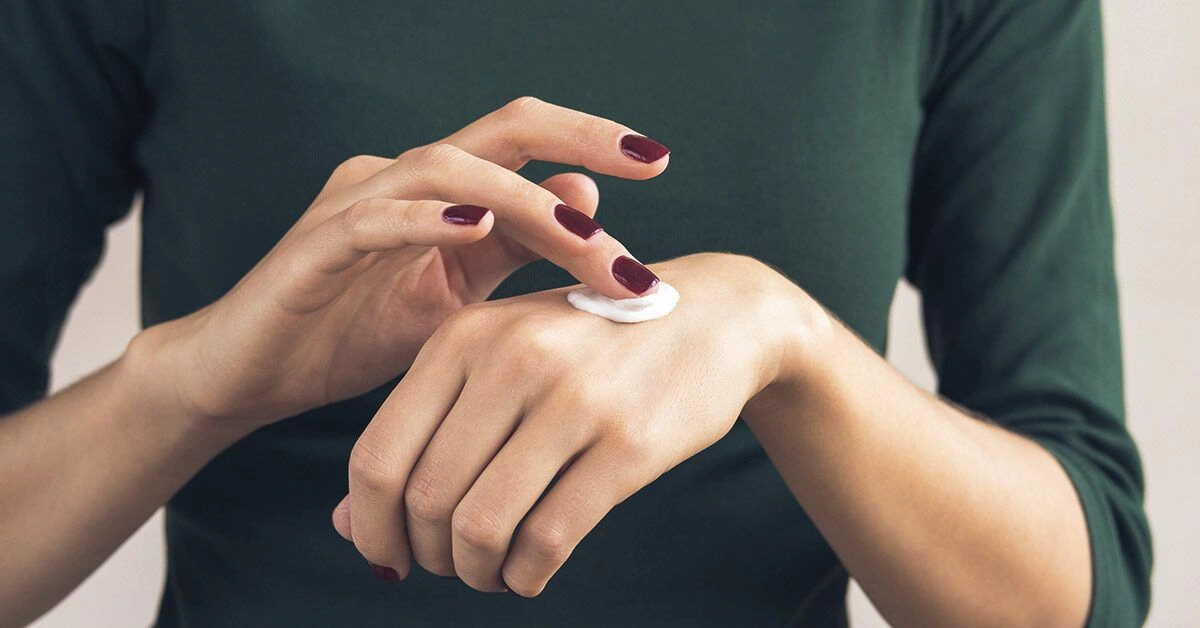
Keeping your hands moisturized often eases dryness and shields them from irritants. If an underlying issue like eczema is to blame, you might need medical treatment.
Though it may seem minor, dry hands can be quite bothersome.
Most commonly, dry hands result from environmental factors. Weather changes, for instance, can dry out the skin. Repeated handwashing, contact with chemicals, and certain health conditions can also sap moisture from the skin on your hands.
Fortunately, there are numerous ways to keep parched skin hydrated regardless of the cause. Read on to discover remedies for dryness, prevention strategies, and potential causes.

10 tips to treat dry hands
To help relieve dry hands, consider these approaches:
1. Use a moisturizer
Apply a good-quality cream or lotion several times a day. Lotions and creams restore moisture and lock it into the skin.
2. Put on gloves
Wear gloves when your hands are often submerged in water, like when doing dishes. Gloves prevent water from washing away your skin’s natural oils.
3. Reduce stress
If you have eczema, you may find that stress worsens flare-ups. When symptoms intensify, take time for self-care to lower stress levels.
4. Think about medications
Severe eczema may require medication to allow the skin time to recover. Your physician may prescribe topical steroids or even oral antibiotics in some cases.
5. Discuss UV light therapy with your doctor
For certain severe cases of psoriasis, ultraviolet (UV) therapy may aid the skin’s healing. Always consult your provider before starting any UV treatment.
6. Treat hands overnight
A great remedy is smothering your hands at night with lotion or a petroleum-based product like Vaseline. Then cover your hands with soft gloves or even socks.
Keeping the moisturizer trapped helps it absorb more deeply, so you can wake up to much softer hands.
7. Ask about prescription lotions
Your clinician might suggest a specialty lotion containing lactic acid or urea for extremely dry, scaly skin. These components help remove rough, flaky skin.
8. Use hydrocortisone cream
Sometimes dry skin escalates into dermatitis, where the skin becomes inflamed and red. In such instances, a hydrocortisone-containing cream may provide the most relief by calming irritated skin.
9. Try a wet dressing
Skin that has cracked from dryness often needs special care to heal properly. Your doctor might suggest using a wet dressing while the skin recovers.
10. Use a heavy-duty ointment
For intense moisturizing, consider a product originally made for animals. Seriously — items like Bag Balm, created to heal tough fissures on a cow’s udder, can penetrate deeply to help retain moisture.
How can you get rid of dry hands?
If your job contributes to dry hands, carry a small bottle of lotion so you can reapply throughout the day. Choose moisturizers containing ingredients such as:
- glycerin
- jojoba oil
- shea butter
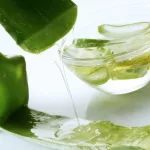
- aloe vera
For workplaces that require frequent handwashing, like hospitals or restaurants, talk to your manager about placing lotion dispensers on walls. If they’re already available, use them regularly.
Avoid excessive heat from sources like hand dryers, too. Both cold and hot conditions can further dehydrate the skin.
What leads to dry hands?
Weather
In colder seasons it’s typical for skin to dry out. Climate shifts, particularly cold weather with low humidity, draw moisture out of the skin, leaving hands parched.
Work environment
Your work setting can also cause dry hands. People in roles that involve lots of handwashing, such as nurses, doctors, or teachers, often develop dry skin. Jobs like factory work or hairdressing expose hands to chemicals and other harsh substances that can lead to dryness as well.
Medical issues
Certain health conditions may increase the likelihood of dry hands.
For instance, autoimmune diseases like diabetes or lupus can reduce blood flow to the hands, making them more prone to irritation. Inflammatory skin disorders like eczema and psoriasis can also cause dryness, peeling, and cracking.
When should you get medical advice?
If eczema or another skin disorder is behind your dry hands, complications such as infection or nail deformities can occur.
Certain signs may point to a more serious problem. These include:
- changes in skin color
- bleeding
- intense redness or unusual color shifts
- fluid draining from open skin areas
- swelling
If home care doesn’t improve your dry hands or you notice any of the above signs, see a healthcare professional.
Optum Now is operated by RVO Health. By clicking on this link, we may receive a commission. Learn more.
Bottom line
Most of the time, dry hands are a common issue that can be managed easily with regular moisturizing. If your hands don’t respond to home remedies or you develop concerning symptoms like bleeding or signs of infection, seek medical attention.

















Leave a Reply
You must be logged in to post a comment.