
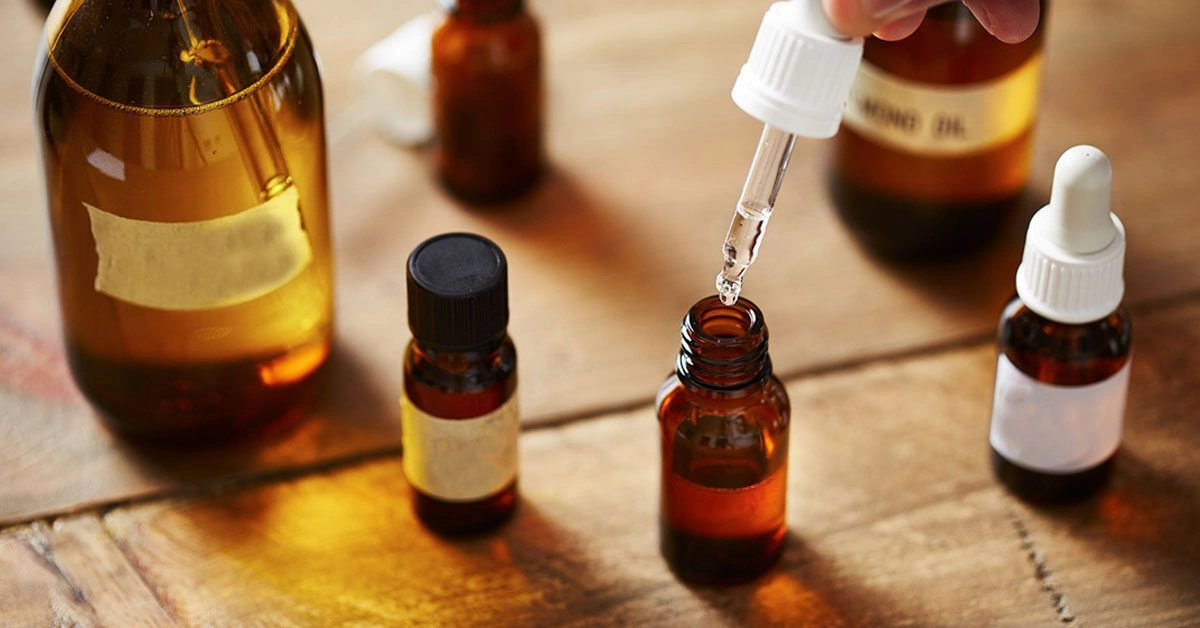
Studies indicate certain essential oils might help diminish the visibility of stretch marks while supporting the health of surrounding skin.
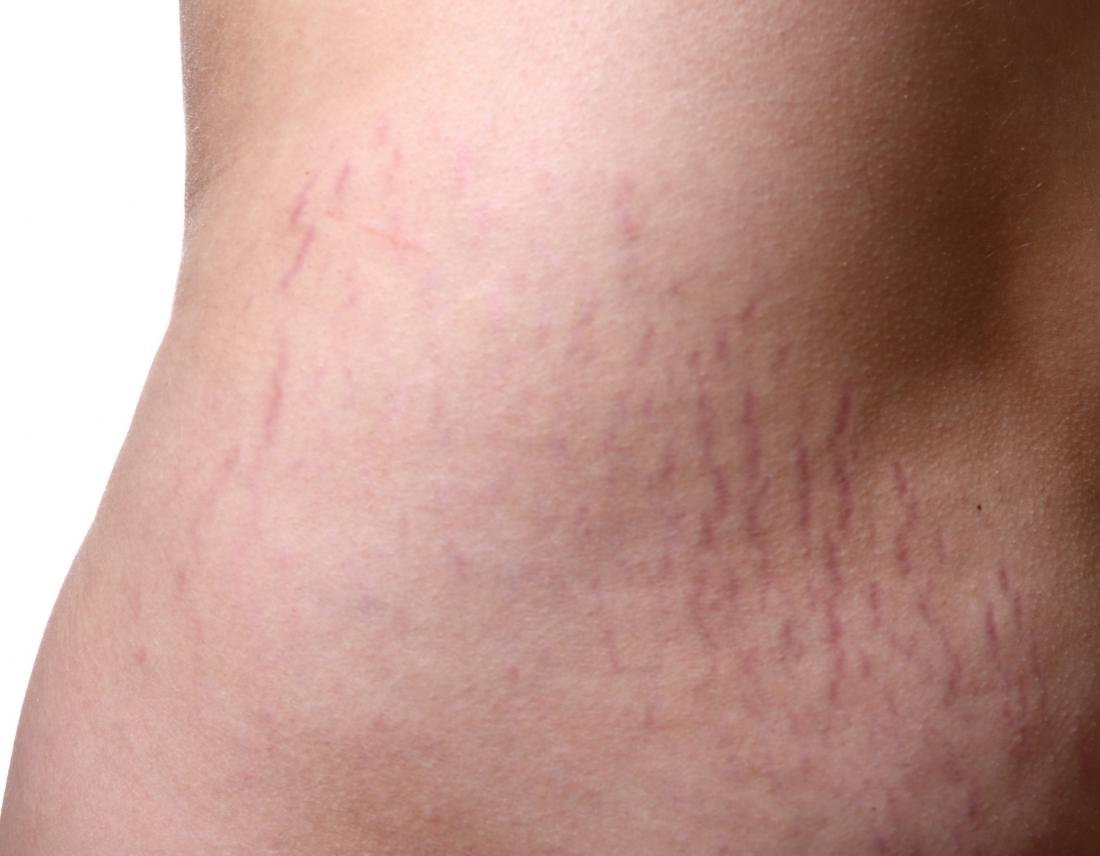
Stretch marks are very common and can result from growth spurts, weight fluctuations, or pregnancy. They commonly show up on the abdomen, buttocks, thighs, and breasts, and their hues range from red and pink to purple or blue.
In many cases, stretch marks gradually fade on their own. While there’s no cure that completely eradicates them, there are steps you can take to improve their appearance and texture.
Keep reading to discover how to use essential oils to create a serum that may help ease stretch marks.
Oils with clear evidence
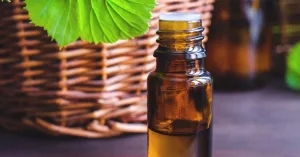
Some essential oils have demonstrated measurable effects on stretch marks. When used topically, essential oils should be diluted in a carrier oil. Larger, more comprehensive studies are still needed, but current research suggests the following:
1. Argan oil
Argan oil is extracted from the kernels of the argan tree and is a relatively recent addition to skin-care routines.
A small 2016 study found argan oil can improve skin elasticity, suggesting it may help prevent or reduce stretch marks. A 2015 study reported that both ingesting and applying argan oil topically increased skin elasticity in postmenopausal women.
2. Gotu kola
Gotu kola has a long history in traditional Chinese medicine and Ayurveda for treating a variety of skin issues. According to 2013 research, compounds in gotu kola boost collagen formation and enhance skin tensile strength.
An older 1991 study with 100 pregnant women split into a gotu kola topical cream group and a placebo group found fewer women in the gotu kola group developed stretch marks (14 out of 80 completers) compared with the placebo group (22 out of 80).
3. Rosehip oil
Rosehip oil is derived from the fruits or seeds of roses. A 2013 study showed that a moisturizer containing rosehip oil reduced the severity of stretch marks in pregnant women with prior marks and was significantly better than placebo at preventing new ones.
4. Bitter almond oil
Bitter almond oil is sourced from a distinct almond variety than the sweet almonds eaten as food. Bitter almonds carry compounds that can be toxic if consumed, and it’s uncertain how much of this oil is absorbed through skin.
In a 2012 study examining bitter almond oil’s impact on stretch marks, pregnant participants either applied bitter almond oil, received a 15-minute massage with the oil, or were in a control group.
Only 20 percent of women in the massage cohort developed stretch marks, compared with 38.8 percent of those using bitter almond oil without massage and 41.2 percent in the control group. Further research is necessary to clarify the roles of bitter almond oil and massage and to assess safety.
5. Pomegranate oil and dragon’s blood extract
Pomegranate oil is cold-pressed from pomegranate seeds. Dragon’s blood extract is obtained from the resin of dracaena trees (Madagascar dragon trees). Both are thought to offer antioxidant and anti-inflammatory benefits.
A 2017 study involving 10 women with stretch marks and 10 without found a cream containing pomegranate oil and dragon’s blood extract improved skin thickness, elasticity, and hydration across all participants. Researchers proposed the cream might help prevent or enhance the appearance of stretch marks.
Oils with mixed evidence
Findings for some essential oils are inconsistent. More investigation is needed, but these oils could be worth experimenting with.
6. Neroli
Neroli oil, from bitter orange blossom and a member of the Rutaceae family, has been used traditionally to lighten skin and improve the look of scars and stretch marks.
2008 research indicates neroli oil has robust antioxidant properties that may aid skin cell regeneration and enhance skin appearance.
7. Shea butter
Shea butter, extracted from shea tree nuts, is a carrier oil rather than an essential oil. It can be used alone or to dilute essential oils. Widely used for skin hydration, many people claim it helps prevent stretch marks, though evidence is largely anecdotal.
Shea butter contains vitamin A and is believed to support skin circulation and wound repair. Nevertheless, more research is required to confirm any benefit for stretch marks.
8. Olive oil
Olive oil is another carrier oil used to dilute essential oils or applied on its own. It’s praised for antioxidant and moisturizing effects. However, a 2011 study of women in their second trimester found that applying olive oil to the belly twice daily did not prevent stretch marks.
Supplemental oils to augment results
Vitamin E is an antioxidant valued for anti-aging and skin-repair qualities. It’s frequently used to lessen the look of scars and stretch marks. Combining vitamin E with other essential oils that support skin regeneration may enhance your stretch mark regimen.
9. Lavender to promote skin strength
Lavender oil, distilled from lavender flowers, is known for its wound-repairing properties. 2016 research found lavender oil can boost collagen production, reduce wound size, and support formation of granulation tissue involved in healing.
10. Patchouli to help fortify skin
There’s limited data on patchouli oil for stretch marks, but a 2013 animal study showed antioxidant activity and increased collagen synthesis. In theory, patchouli could strengthen skin and reduce the look of stretch marks.
11. Bitter orange to help tighten skin
Bitter orange oil, pressed from the peel, may help tone and firm skin according to 2011 research. Be cautious: bitter orange can irritate some skin types because of its methanol constituents.
12. Rosehip to stimulate keratinocyte activity
Beyond moisturizing, rosehip oil encouraged keratinocyte differentiation in a 2011 mouse study. Keratinocytes are densely packed epidermal cells that make keratin, a protein that helps reinforce skin and encourage collagen production.
How to use essential oils
Essential oils aren’t overseen by the U.S. Food and Drug Administration (FDA), so product quality can vary.
Purchase oils only from manufacturers who:
- can provide material safety data sheets
- have recognition in professional aromatherapy circles
- price their oils according to rarity and type
- list country of origin and extraction method, at minimum, on the label
- avoid adding synthetic compounds to their oils
Because essential oils are concentrated and can irritate skin, always dilute them in a carrier oil before topical use.
Common carrier oils include:
The National Association for Holistic Aromatherapy advises these dilutions for adults:
- 2.5 percent dilution (about 15 drops of essential oil per ounce of carrier)
- 3 percent dilution (about 20 drops per ounce)
- 5 percent dilution (about 30 drops per ounce)
- 10 percent dilution (about 60 drops per ounce)
Begin with the lowest dilution once or twice daily. If you see no benefit and experience no irritation, you can try a higher dilution.
Always perform a patch test to screen for allergic responses before wide application.
To run a patch test:
- Mix one or two drops of essential oil into a teaspoon of carrier oil.
- Apply the diluted mixture to your inner wrist or crook of the elbow and leave it for 24 hours.
- If any irritation occurs, do not use that essential oil.
Using essential oils while pregnant
It’s understandable to consider essential oils during pregnancy to try to prevent stretch marks, but safety data on topical essential oil use during pregnancy or breastfeeding is limited. How much essential oil is absorbed through skin and how it might affect the baby is not well established.
Until more conclusive research exists, pregnant or breastfeeding women should not use essential oils unless guided by a physician or a qualified natural health practitioner.
Potential side effects and precautions
The most frequent adverse reaction to topical essential oils is an allergic response, which can include:
- rash
- hives
- redness
- itching
To lower the chance of side effects, only use professional-grade essential oils and always dilute them with an appropriate carrier oil.
Citrus oils like lemon can increase sun sensitivity and lead to rash or sunburn; avoid direct sun exposure for at least 24 hours after applying citrus oils.
Research on the topical safety of bitter almond oil is insufficient, so consult your doctor before using it.
Avoid combining essential oils with topical medications unless supervised by your physician or a qualified natural health provider.
Bottom line
While stretch marks can’t be completely eliminated, evidence suggests some essential oils may reduce their appearance and support the health of nearby skin.
Severity of stretch marks mainly depends on genetics, hormonal factors, and how much strain the skin experiences. The best prevention strategy is to eat a balanced diet and exercise regularly to maintain a stable weight and healthy hormone balance. Consider using essential oils as a supplementary therapy alongside a healthy lifestyle to nourish and care for your skin.








Leave a Reply
You must be logged in to post a comment.