

Narcotics and other medications are organized into five distinct categories, known as schedules, according to their potential for misuse. If you’ve ever wondered, Is Adderall a narcotic, understanding how drugs are scheduled under federal law can provide helpful clarity. These schedules range from Schedule I through Schedule V.
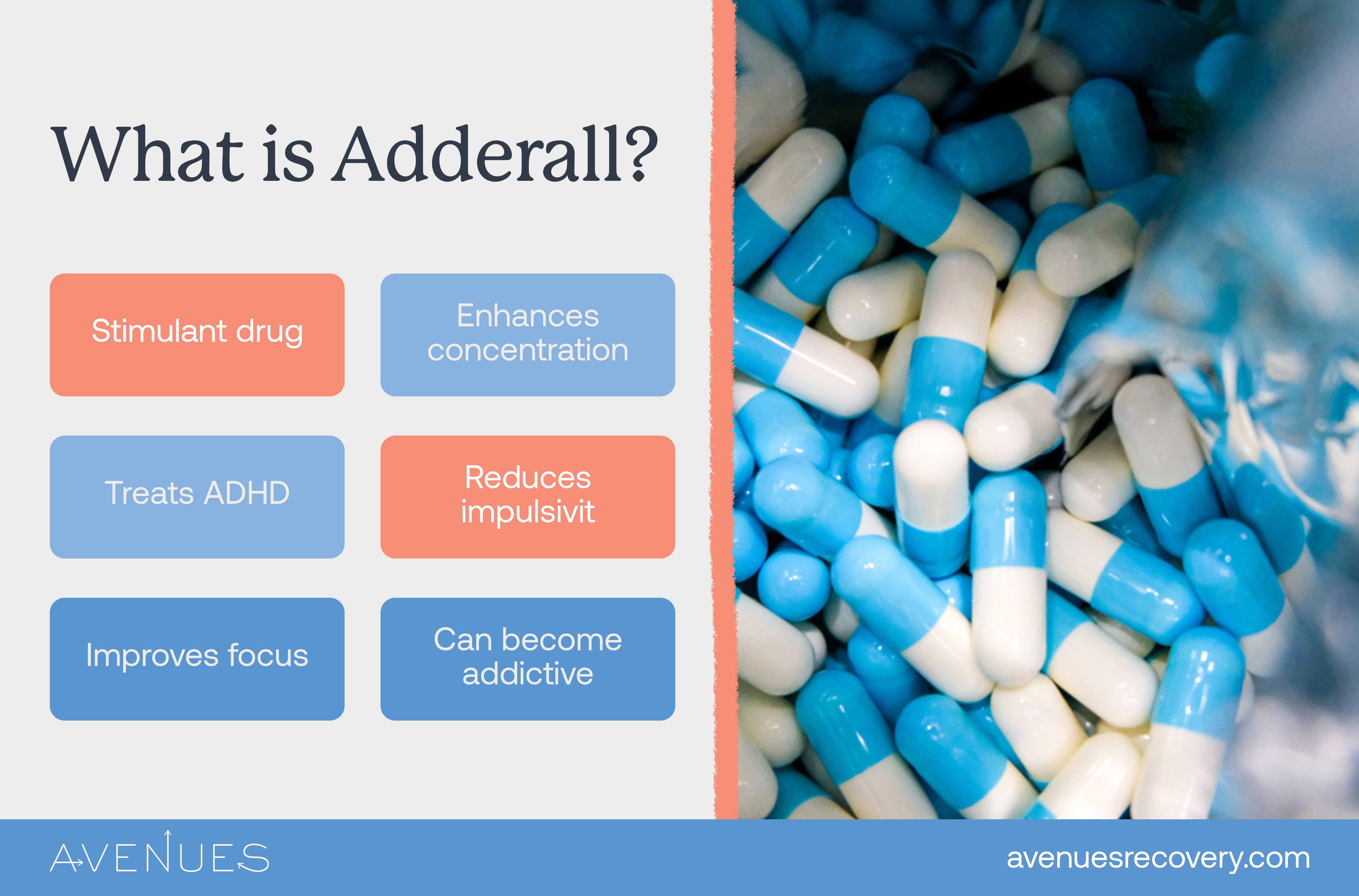
The federal government assigns substances to specific schedules based on their accepted medical use and their likelihood of misuse or dependency. This classification system helps regulate prescribing practices, dispensing requirements, and monitoring for safety.
Schedule I substances carry the greatest potential for misuse and may lead to severe psychological or physical dependence. In contrast, Schedule V substances have the lowest risk for misuse among controlled drugs.
Overall, there are eight factors considered when determining a drug’s schedule:
- its actual or relative potential for misuse
- scientific evidence of its effects
- its overall scientific understanding
- its history or pattern of misuse
- the scope, significance, and duration of misuse
- its overall risk to public health
- its capacity for psychic or physiological dependence
- its relationship to drugs that are already controlled
Schedule I
Schedule I substances have no accepted medical use and a high potential for misuse. They aren’t available by prescription.
Examples include:
- cannabis (marijuana)
- ecstasy
- GHB
- heroin
- khat
- LSD
- methaqualone
- peyote
- psilocybin
It’s essential to recognize that substances within the same schedule can vary widely in their effects and misuse potential. For instance, cannabis and ecstasy are both listed as Schedule I, yet they differ significantly in how they act on the body and brain.
It’s also important to note that state and federal laws may not always align. Although medicinal cannabis is legal in 38 states — and is otherwise legal in 21 states — it remains illegal at the federal level and is still categorized as a Schedule I substance.
Schedule II
Schedule II drugs have an accepted medical use but also a high potential for dependence or misuse. If you’re asking, Is Adderall a narcotic, it’s important to understand that Adderall (amphetamine) is classified as a Schedule II medication due to its stimulant properties and risk for misuse — not because it is an opioid narcotic. You can learn more about this distinction in Is Adderall an opioid.
Schedule II medications can be prescribed, but they are subject to strict regulations and monitoring. These drugs are commonly used to manage severe pain, anxiety, ADHD, and insomnia.
Examples include:
- amphetamine (Adderall, Dexedrine)
- fentanyl (Duragesic)
- hydrocodone (Vicodin)
- hydromorphone (Dilaudid)
- meperidine (Demerol)
- methadone (Methadose)
- methylphenidate (Ritalin)
- oxycodone (OxyContin)
In many states, Schedule II prescriptions expire after 6 months, although regulations differ. For example, in Massachusetts, Schedule II prescriptions are valid for only 30 days.
These prescriptions typically cannot be refilled without a new appointment. They must be electronically written and signed by a licensed healthcare professional and generally cannot be phoned in to a pharmacy.
Because Schedule II drugs like Adderall carry a higher risk of misuse, patients often ask about dependency concerns. For additional insight, see Is Adderall addictive, which explains the difference between physical dependence and addiction.
Schedule III
Schedule III medications have an accepted medical use and a moderate potential for dependence or misuse. They may be prescribed with certain restrictions.
These drugs are frequently used for pain control, appetite suppression, and anesthesia.
Examples include:
- acetaminophen (Tylenol) with codeine
- anabolic steroids (Testosterone)
- benzphetamine (Regimex)
- buprenorphine (Buprenex)
- ketamine (Ketalar)
- phendimetrazine (Bontril)
Schedule III prescriptions written by a physician generally expire after 6 months or after five refills — whichever occurs first. Unlike Schedule II medications, these prescriptions may be called in to the pharmacy or submitted in writing.
Schedule IV
Schedule IV substances have an accepted medical use and a relatively low potential for dependence or misuse compared to Schedules II and III. They are prescribed with some regulatory limitations.
They are often used to treat chronic pain and anxiety disorders.
Examples include:
- alprazolam (Xanax)
- carisoprodol (Soma)
- clonazepam (Klonopin)
- clorazepate (Tranxene)
- diazepam (Valium)
- lorazepam (Ativan)
- midazolam (Versed)
- pentazocine (Talwin)
- temazepam (Restoril)
- tramadol (ConZip)
- triazolam (Halcion)
- zolpidem (Ambien)
As with Schedule III drugs, Schedule IV prescriptions usually expire after 6 months or five refills — whichever comes first — and can be called in or submitted in writing.
Schedule V
Schedule V medications have an accepted medical use and the lowest potential for dependence or misuse among controlled substances. They are commonly prescribed for pain, cough, and diarrhea.
Examples include:
- diphenoxylate/atropine (Lomotil, Motofen)
- guaifenesin/codeine (Robitussin AC)
- parepectolin (Attapulgite)
- pregabalin (Lyrica)
Although Schedule V drugs are less restricted than other controlled substances, they are not as freely available as typical over-the-counter medications.
You may not always need a prescription for a Schedule V medication, but you usually must request it directly from the pharmacist. Expect to show photo identification, confirm that you are at least 18 years old, and have your purchase recorded in a monitoring database.
There may also be limits on how often you can purchase a Schedule V product.
If your clinician prescribes a controlled substance
Your doctor or other healthcare professional may prescribe a controlled medication to manage an underlying condition such as anxiety, insomnia, or ADHD. In some cases, patients prescribed stimulant medications ask, Is Adderall a narcotic, due to concerns about legal status and safety. Understanding its Schedule II classification can help clarify why it is regulated yet still used for legitimate medical treatment.

While standardized dosing guidelines exist for most medications, individual tolerance and response can vary. Your clinician should collaborate with you to determine the most appropriate dose and discuss possible side effects, risks, and warning signs of misuse.
Keep in mind that prescription regulations differ by state and region. Storage requirements, refill policies, and travel rules may vary.
Your prescribing clinician or pharmacist can provide detailed guidance about proper use, safe storage, and legal considerations when traveling with controlled medications.
As a general precaution, avoid carrying your medication unless necessary. If you need to travel with it, keep it in its original labeled packaging showing your name and the dispensing date to prevent complications.
The bottom line
Many medications are classified as controlled substances, whether they fall under Schedule I, Schedule V, or somewhere in between. If you’re asking, Is Adderall a narcotic, the answer lies in understanding that Adderall (amphetamine) is a Schedule II stimulant medication — not an opioid narcotic — but it is tightly regulated because of its potential for misuse.
You may be prescribed a controlled substance at some point in your life. If you have questions about your medication, its classification, or its risks, speak directly with your clinician or pharmacist for personalized guidance.





















Leave a Reply
You must be logged in to post a comment.