
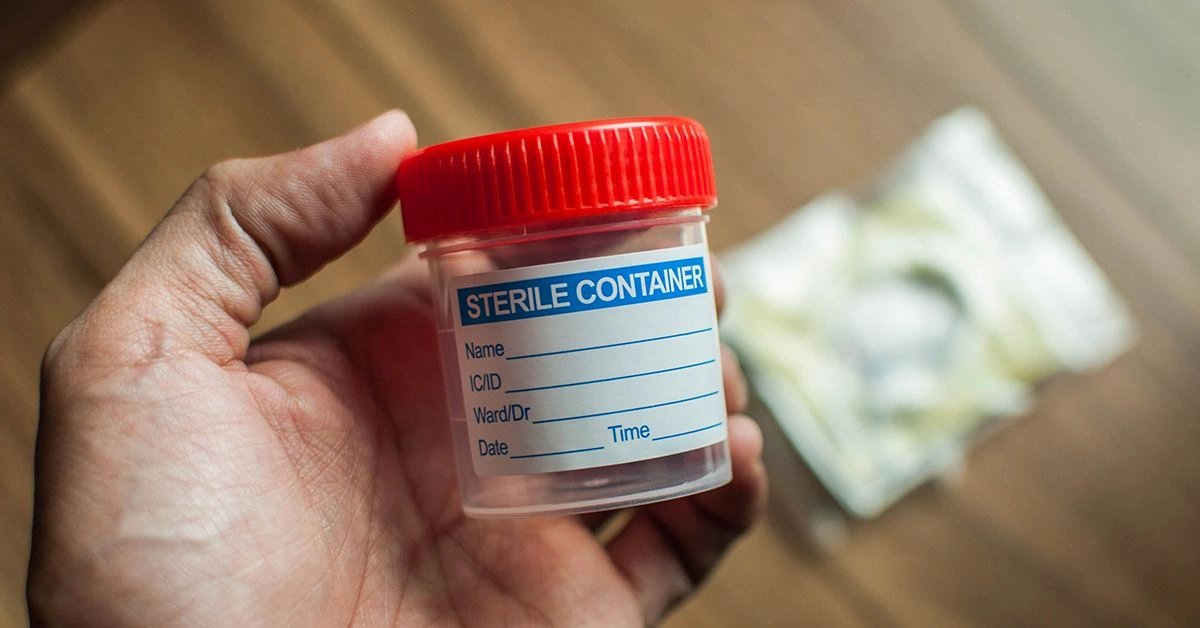
Molly can be identified in certain body fluids for as long as three days. The timeframe may be longer depending on how much was consumed. Traces of the drug may remain in scalp hair for several months.

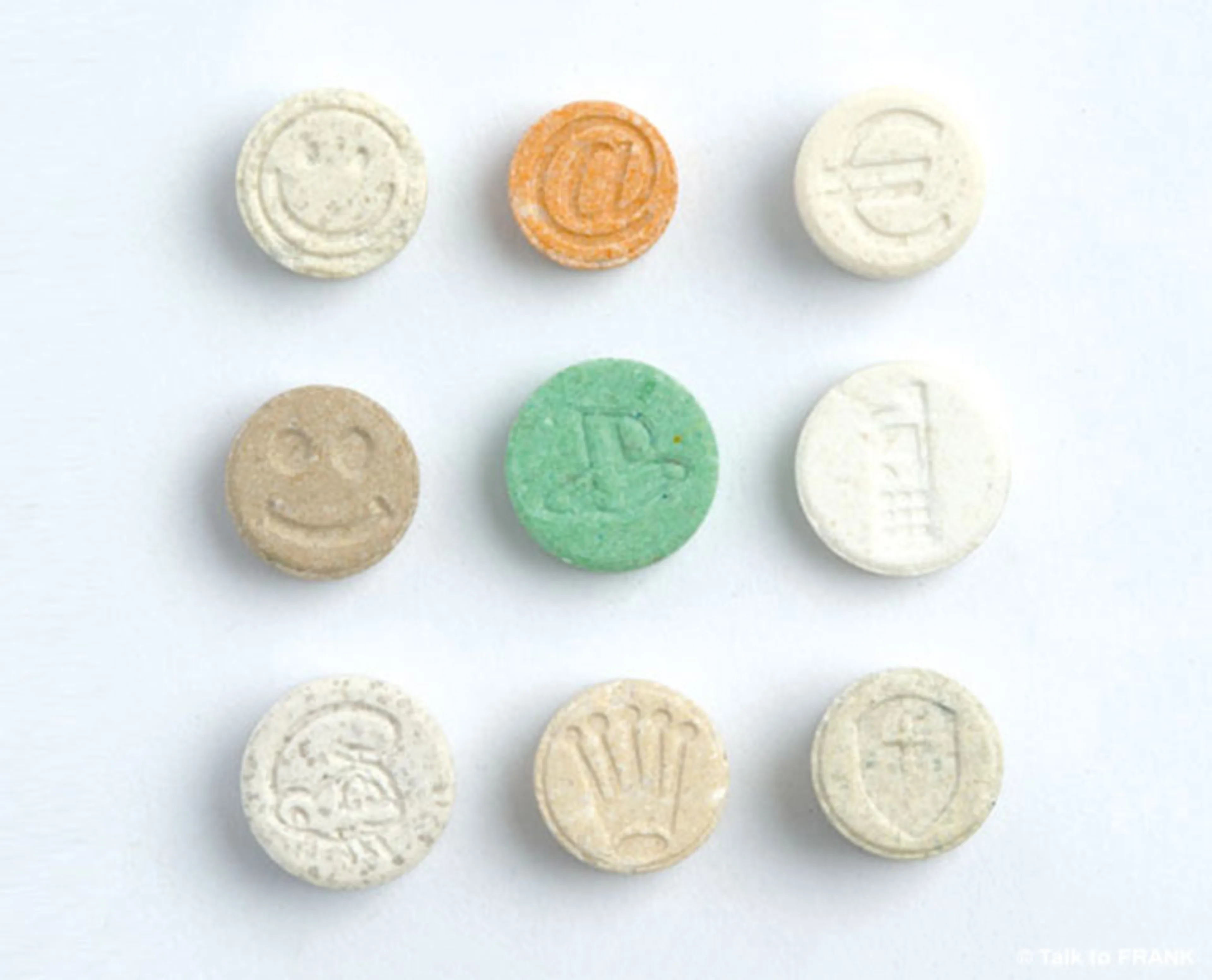
MDMA, commonly called “molly” or “ecstasy,” is an illegal synthetic substance with stimulant-like effects similar to methamphetamine.
When taken, molly is rapidly absorbed into the bloodstream and may produce effects in as little as 15 minutes. The compound is generally detectable in bodily fluids for about one to three days after use. In some situations it can be found for up to five days or more. Like many substances, it can be identified in hair for several months following ingestion.
Detection windows are calculated from the last time the drug was used. Repeated dosing over several hours can extend how long it remains detectable.
Seeking assistance for substance use concerns can feel intimidating, but there are organizations that offer help. If you suspect you or someone you know is showing signs of addiction, consider reaching out to these resources for immediate support and guidance:
- Substance Abuse and Mental Health Services Administration (SAMHSA): 800-662-4357 (TTY: 800-487-4889)
- 988 Suicide & Crisis Lifeline: 988
How long is molly detectable via drug testing?
Molly can be found in your system anywhere from roughly two days to several months after use, depending on the kind of test performed.
Different testing approaches have varying detection periods because they measure how the substance is taken up and metabolized by the body.
Urine testing
Molly is commonly detectable in urine for up to three days after use. Once MDMA enters the blood, it’s transported to the liver where it’s metabolized and excreted.
Keep in mind that many routine urine screens won’t pick up MDMA, and certain medications can produce false-positive results for MDMA on urine assays.
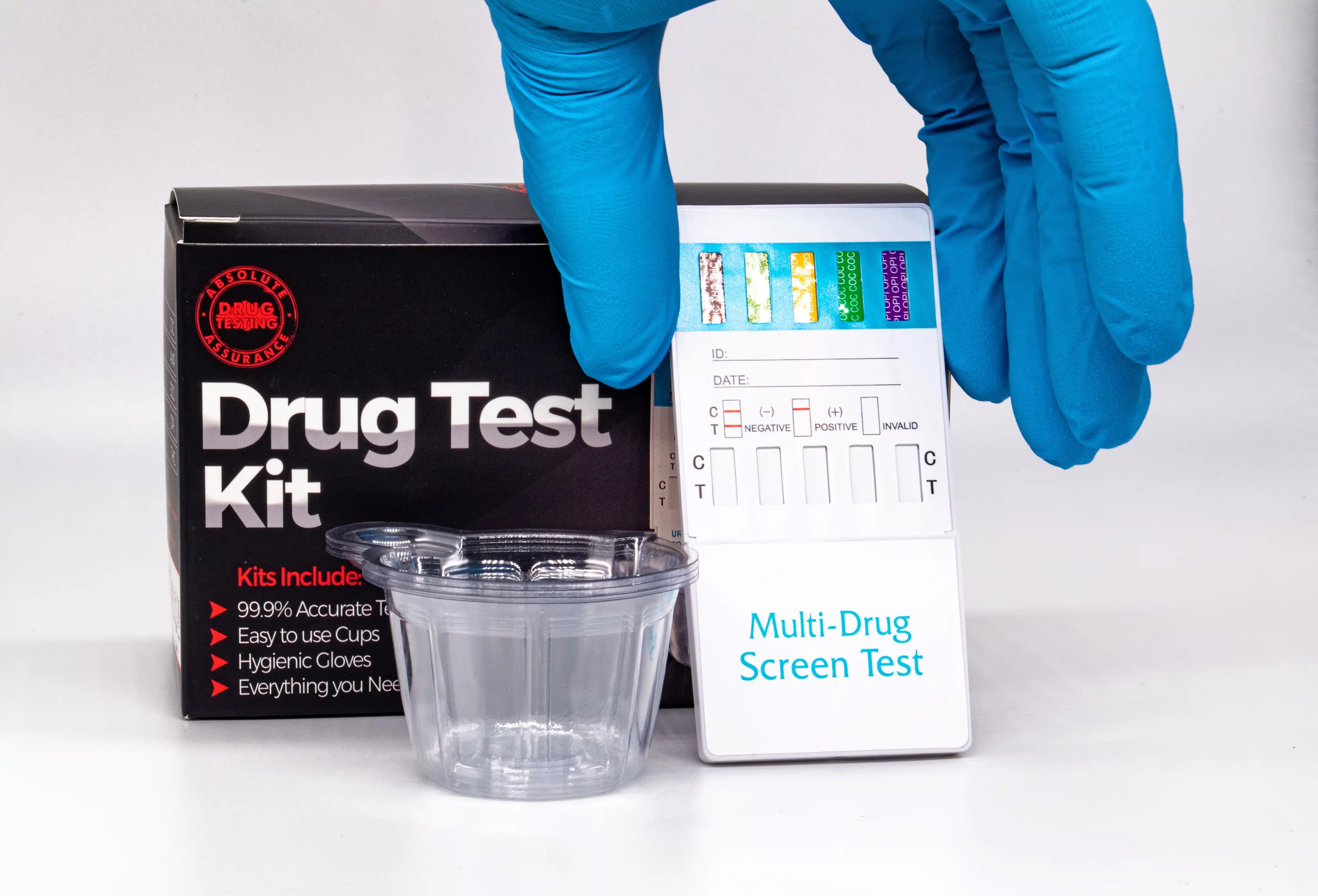
Blood testing
Molly is usually detectable in blood for about one to two days post-ingestion, although in uncommon cases it may be found for a bit longer. It is quickly taken into the bloodstream and hits peak concentrations within two hours of being consumed. Over time it’s carried to the liver for breakdown.
Saliva testing
Molly can be detected in saliva for roughly one to two days after use. Because it’s generally taken orally, it shows up quickly in saliva, peaking after about two hours and beginning to decline by four hours.
Hair testing
Molly may be identified in scalp hair for several months after consumption. Small amounts of the drug circulate to the tiny blood vessels that nourish hair follicles once it’s in the bloodstream.
Hair grows at around 1 centimeter (cm) per month, and the portion of hair that tests positive typically aligns with the period when the drug was used.
What factors affect how long molly stays in your system?
The rate at which molly is absorbed, metabolized, and eliminated varies based on several elements. These include how much was taken and whether doses were single or repeated.
Other influences relate to the drug’s composition. Molly, also referred to as MDMA or ecstasy, is often mixed with other illicit drugs or chemical additives even when marketed as “pure.”
When ecstasy tablets or capsules are adulterated with other substances, it can change how long the drug persists in your body and how long it might be identified on a drug test.
Finally, personal characteristics can alter drug metabolism. These include:
- age
- metabolic rate
- kidney function
- liver health
- genetics
Is there anything you can do to metabolize it faster?
There is no proven method to speed up the metabolism of molly. Once it’s in your body, the liver requires time to process it.
Drinking extra water won’t flush molly from your system or negate its effects.
Exercising after taking molly can cause dehydration and may raise fluid consumption. Molly also impacts cardiac function, making physical activity more risky while under its influence.
How long does it take to feel the effects?
Most people begin to notice molly’s effects at around 15 minutes after taking it. Peak effects are typically reached in about three hours.
Sought-after short-term effects
Some of the desired short-term (acute) effects of molly include:
- intense euphoria
- increased openness toward others
- greater sociability and extroversion
- heightened sensory experiences
- boosted energy
- sexual arousal
- increased wakefulness
Negative short-term effects
Other immediate effects may be harmful and can accompany the high, such as:
- muscle cramps
- elevated heart rate
- increased blood pressure
- jaw clenching and teeth grinding
- nausea
- blurred vision
- excessive sweating
- chills
Consuming a large dose of molly can raise body temperature dangerously, sometimes resulting in kidney damage, cardiac failure, or death.
Other adverse effects can emerge during the week after taking molly. These may include:
- loss of appetite
- blurred vision
- difficulty sleeping
- anxiety
- agitation
- depressive symptoms
- poor concentration
- impulsivity
How long does it take for the effects of molly to wear off?
A molly high generally subsides in about three to six hours. Some individuals take an additional dose as the initial effects diminish, which extends the duration of the high.
Negative aftereffects commonly surface later and last longer. Mood disturbances—such as irritability, anxiety, and depression—can persist for up to a week after the last dose.
Regular use of molly may contribute to longer-term issues including depression, cardiovascular problems, and impaired cognitive function. Nevertheless, the long-term consequences are not fully understood.
The bottom line
Molly typically remains in your system for up to three days, though in some instances it can be present for several months.
It’s usually detectable in bodily fluids around one to three days after use, while hair testing can reveal use over a period of several months.
For information about interactions between recreational drugs and alcohol, see molly and alcohol.




















Leave a Reply
You must be logged in to post a comment.