

A controlled substance is a medication or drug that the DEA regulates to promote public safety, support legitimate medical use, and reduce misuse within established legal boundaries. The Controlled substance list serves as a framework to guide healthcare providers, law enforcement, and policymakers in handling these substances responsibly.
The Controlled Substances Act, enacted in 1970, organizes drugs into five categories known as Schedules, all overseen by the Drug Enforcement Administration (DEA). This classification system is designed to weigh a substance’s therapeutic value against its potential risks, including misuse, dependence, and harm.
By reviewing the Controlled substance list, medical professionals and patients can better understand how certain drugs are regulated, why prescription requirements differ, and how federal oversight aims to protect public health while preserving access to necessary treatments.
:max_bytes(150000):strip_icc()/pills-close-up-511601633-5769b6895f9b58346a5686b4.jpg)
Schedule 1
In the United States, Schedule 1 drugs are substances classified as having a high potential for misuse, no currently accepted medical use, and a lack of safety even when used under medical supervision.
Because of these criteria, healthcare providers do not prescribe Schedule 1 drugs in routine clinical practice. Their use is generally limited to approved research settings under strict regulatory controls.
Below are several commonly recognized Schedule 1 substances included on the Controlled substance list:
- Heroin: A highly addictive opioid drug derived from morphine that produces a rapid sense of euphoria followed by sedation.
- LSD (lysergic acid diethylamide): A potent hallucinogenic drug that significantly alters perception, mood, and cognitive processes.
- MDMA (ecstasy): A synthetic drug with stimulant and hallucinogenic effects, frequently used recreationally in social environments.
- Peyote: A small cactus containing psychoactive alkaloids, traditionally used in certain religious rituals.
- Methaqualone: A sedative-hypnotic drug that became widely misused recreationally, leading to its classification as a controlled substance.
- Psilocybin-containing mushrooms: Psychedelic mushrooms that contain psilocybin, a hallucinogenic compound. Some states have decriminalized or permitted medical use, creating differences between state and federal classifications.
- Cannabis (marijuana): Although some states allow medical or recreational use, it remains a Schedule 1 drug at the federal level, resulting in regulatory inconsistency. The federal government is currently reviewing whether reclassification is appropriate.

Schedule 2 and 2N
Schedule 2 and Schedule 2N substances in the United States are drugs recognized as having a high potential for misuse but with accepted medical uses under strict regulation. These medications are available by prescription, yet they are subject to rigorous monitoring and documentation requirements.
Among prescription drugs, Schedule 2 substances carry the tightest regulations, including limitations on refills and enhanced record-keeping. Their placement on the Controlled substance list reflects both their clinical importance and their risk profile.
Here are some frequently prescribed Schedule 2 narcotics:
- Hydromorphone (Dilaudid): A potent opioid analgesic used to manage severe pain.
- Methadone (Dolophine): An opioid indicated for pain relief and, in controlled environments, for the treatment of opioid addiction.
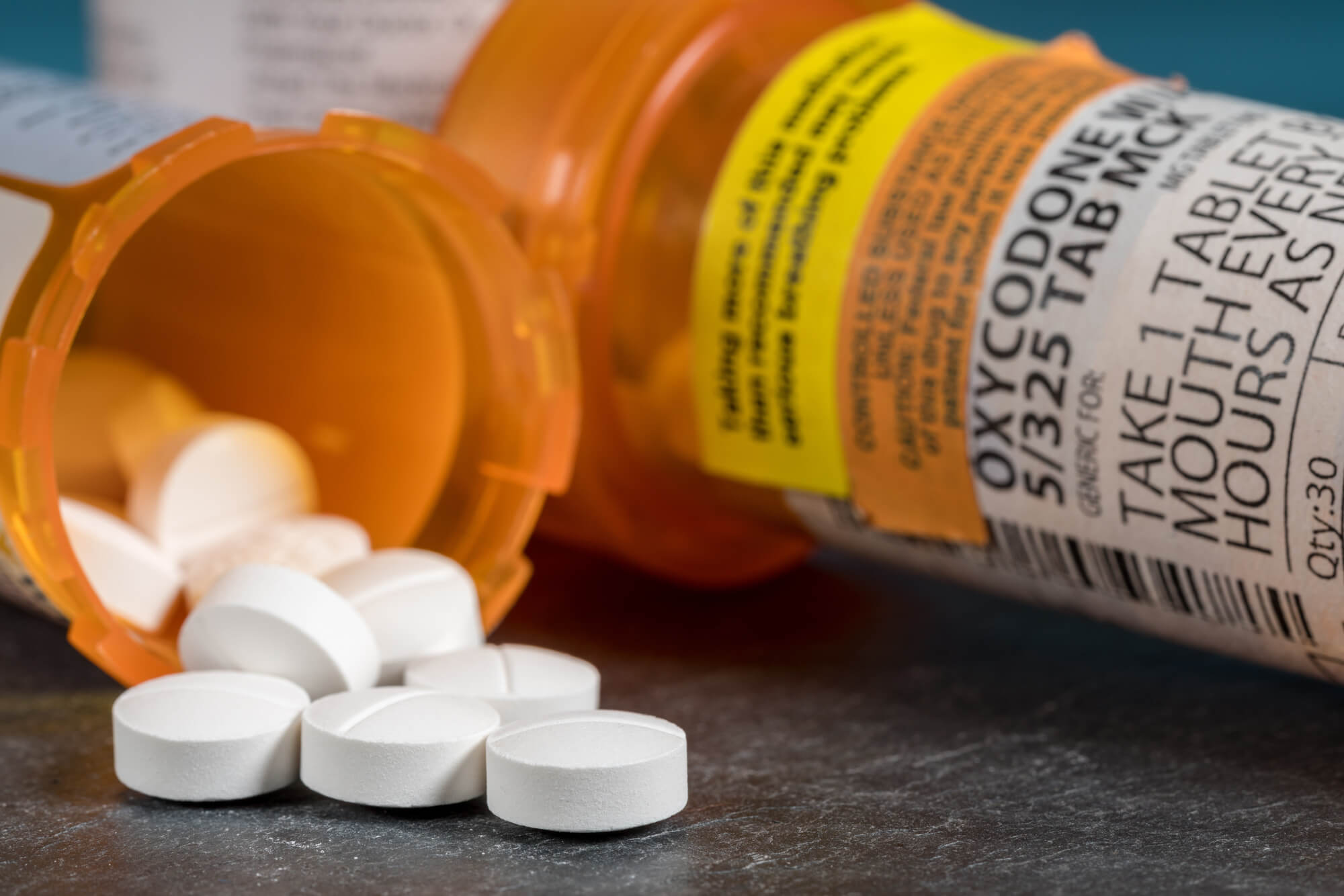
- Oxycodone (OxyContin, Percocet): A strong opioid prescribed for moderate to severe pain.
- Fentanyl (Sublimaze, Duragesic): A synthetic opioid significantly more potent than morphine, commonly used in severe pain management.
- Morphine: An opioid analgesic derived from the opium poppy for pain control.
- Opium: A natural substance from the opium poppy utilized for pain relief.
- Codeine: An opioid analgesic typically used for mild to moderate pain.
- Hydrocodone: An opioid frequently prescribed for pain management.
Common Schedule 2N stimulants include:
- Amphetamine (Dexedrine, Adderall): A stimulant medication used to treat attention deficit hyperactivity disorder (ADHD) and narcolepsy. If you are wondering about state-specific rules, see Is Adderall a controlled substance in Texas and What Penalty Group is Adderall in Texas for additional legal context.
- Methamphetamine (Desoxyn): A central nervous system stimulant prescribed for ADHD and obesity in carefully monitored cases.
- Methylphenidate (Ritalin): A stimulant indicated for ADHD and narcolepsy.
Because Schedule 2 and 2N medications can lead to physical or psychological dependence, clinicians typically evaluate patients closely, monitor dosing, and consider non-pharmacologic therapies when appropriate as part of a comprehensive treatment plan.
Schedule 3 and 3N
Schedule 3 substances in the United States are considered to have a lower potential for misuse compared with Schedule 1 and 2 drugs. They have accepted medical uses and present a moderate to low risk of physical and psychological dependence.
Examples of Schedule 3 narcotics include:
- Buprenorphine (Suboxone): A medication used to treat opioid dependence that helps reduce withdrawal symptoms and cravings.
- Products containing no more than 90 milligrams of codeine per dosage unit (Tylenol with Codeine): Combination medications that include codeine, a mild opioid analgesic, for pain relief.
Examples of Schedule 3N stimulants and related substances include:
- Benzphetamine (Didrex): A sympathomimetic amine used as an appetite suppressant for weight loss.
- Phendimetrazine: Another sympathomimetic amine prescribed to support weight loss by suppressing appetite.
- Ketamine: An anesthetic with dissociative and analgesic properties that has both medical and recreational uses.
- Anabolic steroids such as depo-testosterone: Synthetic derivatives of testosterone used medically for hormone replacement therapy and misused for athletic performance enhancement.
Although Schedule 3 substances are subject to fewer restrictions than Schedule 2 drugs, they remain regulated under the Controlled substance list and require appropriate prescribing and monitoring practices.
Schedule 4
Schedule 4 drugs in the United States include substances with a lower potential for misuse compared to those in Schedules 1–3. They have a currently accepted medical use and a reduced likelihood of physical or psychological dependence relative to Schedule 3 drugs.
Common Schedule 4 examples include:
- Alprazolam (Xanax): A benzodiazepine prescribed for anxiety and panic disorders.
- Clonazepam (Klonopin): A benzodiazepine used for seizure disorders and panic disorder.
- Diazepam (Valium): A benzodiazepine indicated for anxiety, muscle spasms, and other medical conditions.
- Zolpidem (Ambien): A sedative-hypnotic medication mainly used for short-term treatment of insomnia.
- Modafinil: A medication that promotes wakefulness in individuals with narcolepsy and other sleep disorders.
- Tramadol: A centrally-acting opioid analgesic for pain relief.
- Carisoprodol (Soma): A muscle relaxant used to treat musculoskeletal pain.
Even though these medications are more widely prescribed, healthcare providers still assess risk factors such as history of substance use disorder before initiating therapy.
Schedule 5
Schedule 5 drugs in the United States consist of substances with a lower potential for misuse than those listed in Schedules 1–4. They have accepted medical uses and contain limited amounts of certain narcotics.
Examples of Schedule 5 substances include:
- Cough preparations with less than 200 milligrams of codeine per 100 milliliters or per 100 grams (e.g., Robitussin AC): Medications intended for cough suppression.
- Pregabalin (Lyrica): An anticonvulsant used for neuropathic pain and certain seizure disorders.
- Ezogabine (Potiga): An anticonvulsant prescribed for epilepsy.
Although Schedule 5 drugs are considered to carry the lowest misuse risk on the Controlled substance list, they are still regulated to ensure safe dispensing and appropriate patient use.
Federal vs. state drug classifications
In the United States, federal and state drug laws operate simultaneously, creating a layered and sometimes complex regulatory environment. The federal government, through agencies such as the DEA, classifies drugs into schedules based on potential for misuse, accepted medical use, and safety considerations. However, individual states also maintain the authority to regulate and classify substances, which can result in differences from federal designations.
When discrepancies arise between federal and state drug classifications, legal challenges may occur. Cannabis is a prominent example. While certain states have legalized cannabis for medical or recreational purposes, it continues to be listed as a Schedule 1 controlled substance under federal law.
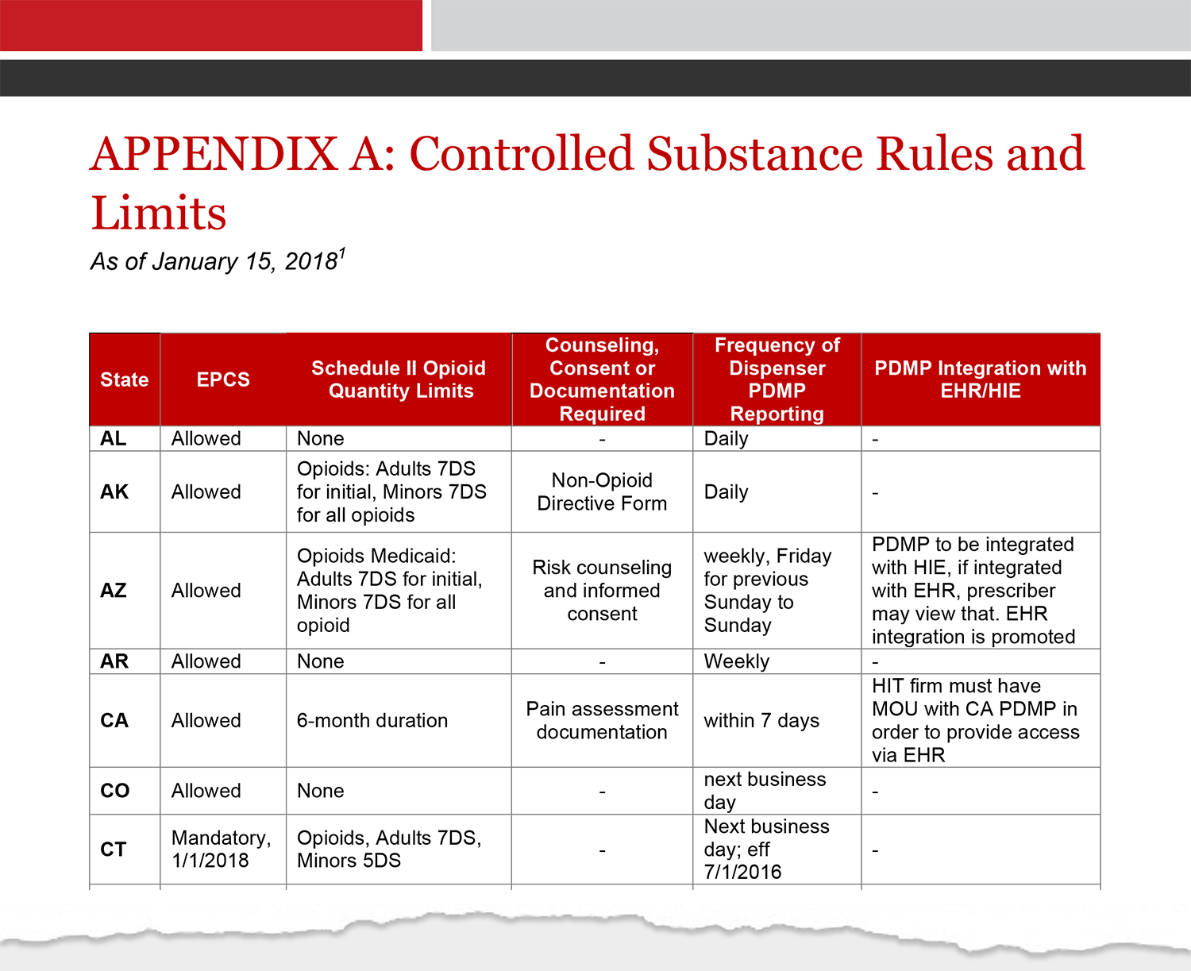
This discrepancy means that individuals and businesses complying with state regulations could still encounter federal legal risks.
Beyond cannabis, other substances—such as psilocybin-containing mushrooms—may be decriminalized or authorized for medical use in some states while remaining Schedule 1 controlled substances federally.
Some states have also adopted harm reduction strategies, including supervised injection sites and needle exchange programs for substances like heroin or other opioids. Evidence shows these approaches can be highly effective in preventing disease, yet they may conflict with federal drug policies that take a stricter stance.
Where to learn more and find support
The placement of substances on the Controlled substance list is based on multiple factors, including perceived misuse potential, medical utility, and safety data. However, these criteria do not always align perfectly with evolving public health evidence, and debates continue regarding certain classifications.
Ongoing medical research, legislative review, and public health advocacy can influence how drugs are scheduled over time.
For accurate and current information about scheduled medications and regulatory updates, consult official government resources. The DEA website remains a primary reference in the United States. You can also review this comprehensive list of controlled substances for detailed guidance.




















Leave a Reply
You must be logged in to post a comment.