How to Prepare for an Endoscopy

Types of endoscopies
Endoscopy is a broad term that refers to several diagnostic procedures used to examine the inside of the body. During an upper gastrointestinal (GI) endoscopy, your physician inserts an endoscope through your mouth and gently advances it down your esophagus. An endoscope is a thin, flexible tube equipped with a light and a small camera that transmits images to a monitor.
Your doctor may recommend an upper GI endoscopy to evaluate symptoms and rule out conditions such as peptic ulcers or structural abnormalities, including an esophageal blockage. This procedure is also commonly used to assess gastroesophageal reflux disease (GERD) or confirm a suspected diagnosis.
Additionally, an upper GI endoscopy can help identify a hiatal hernia, a condition in which the upper portion of the stomach protrudes through the diaphragm into the chest cavity.
Learn more: Endoscopy »
Proper preparation is essential for a smooth and successful upper GI endoscopy. While your healthcare provider will give you individualized instructions, the following general guidelines can help you feel confident and ready on the day of your procedure.
1. Discuss medical conditions or problems
Inform your doctor if you are pregnant or if you have any chronic health conditions, such as heart disease or cancer. Sharing your full medical history allows your provider to take appropriate precautions and tailor the procedure to your specific needs, improving both safety and outcomes.
Being transparent about prior surgeries, breathing disorders, or anesthesia reactions is also important. This ensures your medical team can anticipate and minimize potential complications during the endoscopy.
2. Mention medications and allergies
Be sure to tell your doctor about any allergies you have, as well as all prescription and over-the-counter medications, supplements, and herbal products you’re currently taking. In some cases, your physician may advise adjusting your dosage or temporarily discontinuing certain medications before the endoscopy. Some drugs can elevate the risk of bleeding during the procedure, including:
- anti-inflammatory medications
- warfarin (Coumadin)
- heparin
- aspirin
- any blood thinners
Medications that cause drowsiness may interact with the sedatives administered during the procedure. Antianxiety medications and many antidepressants can alter how your body responds to sedation, so it’s crucial your doctor is aware of everything you take.
If you use insulin or other medications to manage diabetes, collaborate with your doctor to develop a plan that keeps your blood sugar stable while you’re fasting. Never modify your routine dosage unless your healthcare provider specifically instructs you to do so.
3. Know the risks of the procedure
Understanding the potential risks and complications of an upper GI endoscopy can help ease anxiety and ensure informed consent. Although complications are uncommon, they may include:
- Aspiration: This occurs when food or liquid enters the lungs. It can happen if you eat or drink before the procedure. Carefully following fasting instructions significantly reduces this risk.
- Adverse reaction: Some individuals may experience an allergic reaction to sedatives or other medications used during the procedure. Sedatives can also interact with medications you are currently taking.
- Bleeding: Minor bleeding may occur if polyps are removed or a biopsy is performed. In most cases, this bleeding is minimal and easily managed.
- Tearing: Though rare, a small tear in the lining of the esophagus, stomach, or small intestine can occur.
Your medical team is trained to monitor for these complications and respond promptly if needed, making the procedure generally safe and well tolerated.
4. Arrange for a ride home
During the endoscopy, you will likely receive a narcotic and a sedative to help you remain relaxed and comfortable. Because these medications can cause drowsiness and temporarily impair judgment and coordination, you should not drive afterward.
Arrange for a trusted friend or family member to pick you up and take you home. Many medical facilities require confirmation of transportation before performing the procedure.
5. Don’t eat or drink
Fasting is one of the most critical aspects of preparation. Typically, you should not eat or drink anything after midnight the evening before your endoscopy. This restriction includes gum and mints. An empty stomach reduces the risk of aspiration and allows your doctor to obtain clear images.
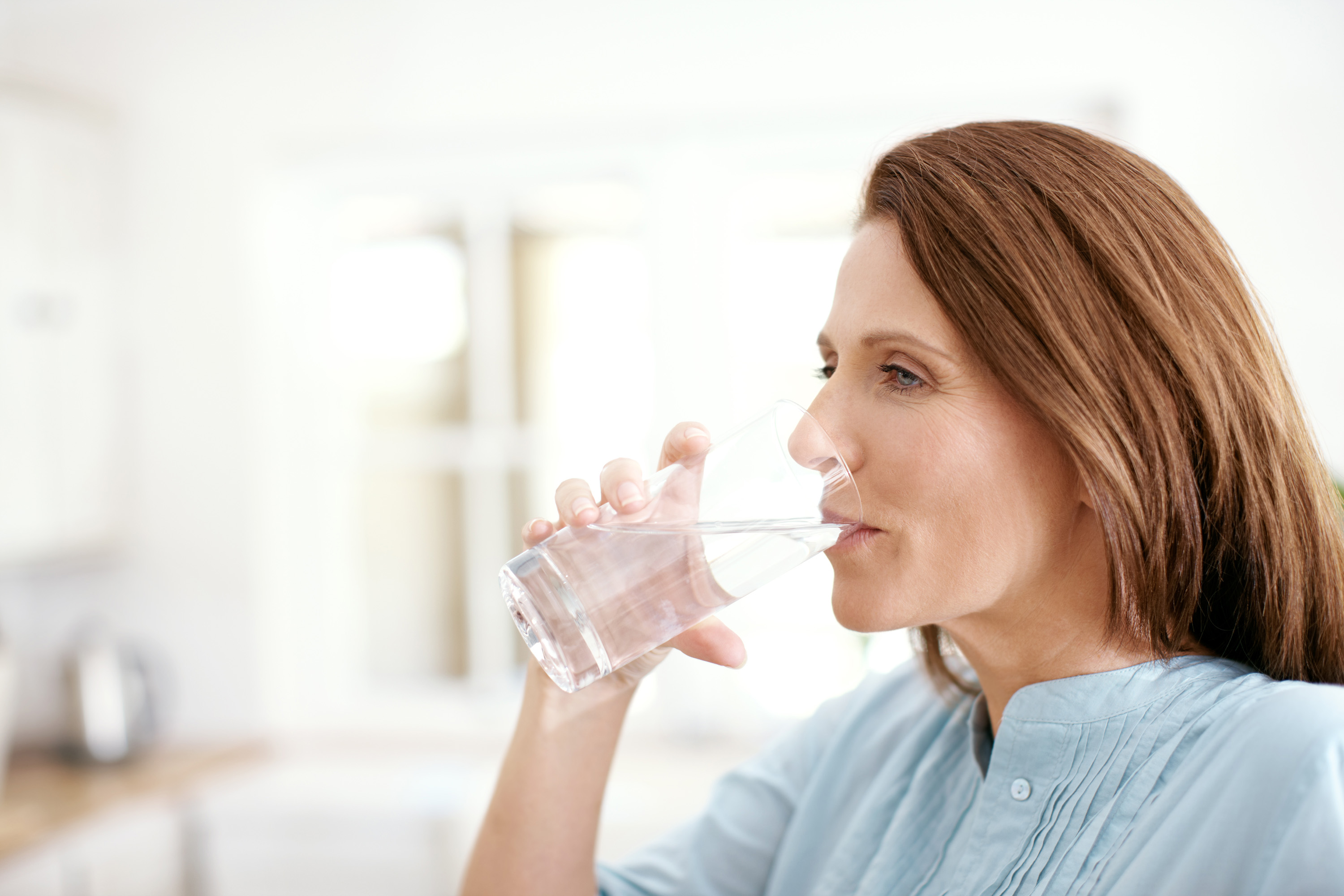
If your procedure is scheduled for later in the day, your provider may permit clear liquids up to six hours beforehand. Acceptable clear liquids generally include:
- water
- coffee without cream
- apple juice
- clear soda
- broth

Avoid beverages that are red or orange, as they can resemble blood in the digestive tract and interfere with accurate visualization.
Patients sometimes ask similar preparation questions for other procedures, such as why can’t i wear deodorant before colonoscopy. While an upper GI endoscopy does not typically require restrictions on deodorant use, colonoscopy preparation guidelines may differ due to equipment sensitivity and infection control protocols. For more details, you can review Can I wear deodorant before a colonoscopy. If you are also preparing for lower GI testing, you might find it helpful to read about clothing considerations, including Can you wear a bra during a colonoscopy.
6. Dress comfortably
Although sedatives are administered to promote relaxation, mild discomfort can still occur. Choose loose, comfortable clothing on the day of your procedure. Avoid wearing jewelry and leave valuables at home. You will be asked to remove eyeglasses and dentures before the examination begins.
Comfortable attire can make the check-in and recovery process smoother, particularly if you feel groggy afterward.
7. Bring any necessary forms
Complete the consent form and any additional paperwork your doctor has provided. To avoid last-minute stress, fill out all required documents the night before and place them in your bag along with your identification and insurance information.
Being organized helps streamline the admission process and ensures there are no unnecessary delays.
8. Plan for time to recover
After the endoscopy, you may experience mild throat discomfort or a bloated sensation due to air introduced during the procedure. These effects are usually temporary. Sedative medications can take several hours to fully wear off, so allow yourself adequate time to rest.
Consider taking the day off from work and postponing important decisions or activities until you feel completely alert. Prioritizing recovery supports your overall well-being and allows your body to return to normal comfortably.
By carefully following your doctor’s instructions and preparing in advance, you can help ensure that your upper GI endoscopy is safe, efficient, and as stress-free as possible.
Top Questions
You should not eat or drink anything after midnight before the procedure. Clear liquids like water, broth, or apple juice may be allowed up to six hours prior if your endoscopy is later in the day. Avoid red or orange beverages.
Sedatives and narcotics used during the procedure cause drowsiness and impair coordination, making it unsafe to drive. Most facilities require a confirmed ride home before proceeding.
Inform your doctor about all medications, especially blood thinners like aspirin or warfarin, anti-inflammatories, and diabetes drugs. Dosage adjustments or temporary discontinuation may be necessary to reduce bleeding risk.
While rare, risks include aspiration, adverse reaction to sedatives, minor bleeding from biopsies, and tearing of the GI tract lining. Following preparation instructions minimizes these risks.
Yes, deodorant use is typically not restricted for an upper GI endoscopy. Such restrictions are more common for procedures like colonoscopy due to different equipment and protocols.


Related Posts
Proteolytic Enzymes: How They Work, Benefits and Sources
Sep 13, 2026 • 8 min read
White Specks in Stool
Aug 28, 2026 • 3 min read
Remedios naturales para colitis ulcerosa: Dieta, suplementos y más
Aug 7, 2026 • 14 min read
Retroperitoneal Inflammation
Sep 12, 2026 • 8 min read
How Long Does It Really Take to Sober Up?
Aug 23, 2026 • 5 min read