

Essential oils and skin health
Essential oils can help diminish the look of scars. They act by stimulating regeneration of the skin cells in damaged areas. There are also non-volatile oils that can enhance scar appearance and support overall skin health.
Essential oils promote skin health by:
- evening out skin tone
- calming redness
- lowering inflammation
Certain oils possess wound-repairing qualities that may reduce the formation of scar tissue. You can try different single oils — or blends — to determine which ones yield the best outcome; when used appropriately they carry minimal risk.
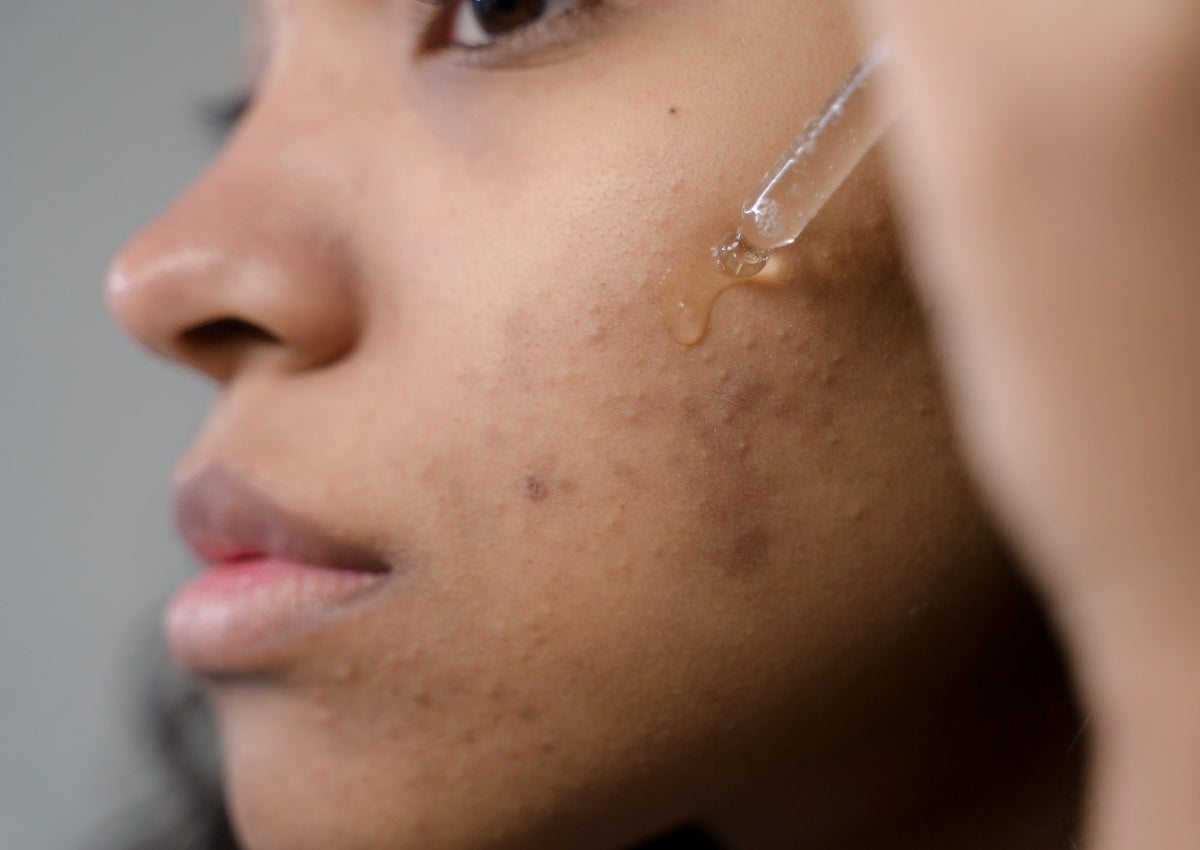
Essential oils that may reduce the appearance of scars
1. Helichrysum essential oil
Helichrysum essential oil offers anti-inflammatory, antifungal, and antibacterial actions that may support skin recovery.
Helichrysum contains an anti-inflammatory compound called arzanol, which contributes to wound repair.
It also has antioxidant effects that can help prevent scarring by fostering new cell growth and limiting free radical buildup. This oil is also reported to:
- ease skin rashes
- combat infections
- stimulate collagen synthesis
With regular daily application you may notice improvements within a few months. Helichrysum can increase photosensitivity. Avoid this oil if you’ve recently had surgery or have a risk of internal bleeding.
Helichrysum tends to be pricier than other choices, so consider starting with a small bottle to test it before investing in larger quantities. You can buy it online or find it at natural foods retailers.
2. Frankincense essential oil
Frankincense essential oil can:
- calm the skin
- balance skin tone
- combat bacteria
These traits make it helpful for scar care. Frankincense essential oil:
- may encourage formation of new skin cells
- firm the skin
- lessen scar visibility
The active constituent in frankincense, boswellic acid, has demonstrated anti-inflammatory properties.
Results may begin to appear after about a month of using frankincense oil.
This oil can irritate the skin and upset the stomach. Avoid frankincense if you are taking blood-thinning medications.
Frankincense is moderately priced and can be ordered online.
3. Geranium essential oil
Geranium oil helps with scars by:
- reducing inflammation
- balancing skin tone
- promoting new cell growth
Its antiseptic, antimicrobial, and antibacterial wound-repairing qualities may make scars less noticeable. In 2013, research indicated that rose geranium oil is effective for preventing and treating inflammatory skin issues.
Expect at least a month before seeing results with geranium oil.
Exercise caution using geranium oil if you have high blood pressure or cardiovascular risk.
Geranium essential oil is affordable and may be purchased online.
4. Lavender essential oil
Lavender essential oil may help prevent scarring by encouraging cell and tissue regeneration. It possesses antibiotic, antioxidant, and antiseptic qualities.
A 2016 study found lavender oil exhibits wound-healing activity and has promise as a natural remedy to repair damaged skin.
Another 2016 study showed lavender oil promoted wound healing by increasing collagen and regenerating tissue, particularly in the early stages. Topical lavender sped wound closure and reduced wound size.
Improvements may be visible in as little as one week. Lavender is particularly helpful in the initial phase of scar care.
It can cause skin irritation or allergic responses in some people.
Lavender is a mid-priced essential oil and is readily available online.
5. Carrot seed essential oil
Carrot seed essential oil has been reported to possess antibacterial and antifungal effects that could aid scar treatment. This oil may be particularly helpful for older scars.
Expect up to a month before noticing effects from carrot seed oil. Carrot seed essential oil is economical and can be bought online.
6. Cedar wood essential oil
Cedarwood oil’s restorative properties may be beneficial for skin issues including scars. It has been shown to reduce inflammation and provide analgesic effects.
Cedarwood oil has also been used for acne treatment. Additional studies are required to confirm and expand these observations.
With regular application you may notice results after about a month. Cedarwood oil can trigger allergic responses in some people.
Cedarwood essential oil is budget-friendly and available for online purchase.
7. Hyssop essential oil
Hyssop essential oil offers antiseptic, antifungal, and antibacterial properties that support skin repair. Hyssop has shown antimicrobial activity. It may help:
- close wounds
- prevent infections
- diminish the look of wrinkles and acne scars
Research from 2011 indicates hyssop’s antioxidant activity could have medicinal value. More research is necessary to clarify how hyssop can best be used for scar care.
Use hyssop consistently for several months to observe benefits. Avoid hyssop if you have epilepsy or high blood pressure. It should not be used in large doses.
Hyssop is moderately priced and can be purchased online.
8. Tea tree oil
Tea tree oil has substantial therapeutic potential because of its antiviral, antibacterial, and antifungal properties. The antioxidant and antimicrobial activity of tea tree oil may speed wound healing.
It also has antiseptic and anti-inflammatory traits. Its immune-supporting effects can be helpful when caring for wounds and scars.
In 2015, research suggested tea tree oil is a promising topical option for inflammatory conditions and wound repair. Tea tree oil is available as an essential oil, often already diluted.
It may take up to a month of regular use to see benefits from tea tree oil. Use caution if you have allergies or autoimmune disorders, as it can provoke allergic reactions. Tea tree may be unsuitable for children.
Tea tree essential oil is relatively inexpensive and can be purchased online.
9. Neroli essential oil
Neroli essential oil is used for many skincare concerns and can be helpful for scars. Neroli has been found to reduce pain and inflammation.
Its antimicrobial and antioxidant properties give it strong healing potential. It also exhibits antifungal effects. Further study is needed to determine the full scope of neroli’s benefits for skin and scars.
Results may appear after about a month of consistent application. Neroli can cause skin irritation or allergic reactions.
Neroli is among the more costly essential oils and can be ordered online.
Other oils that may reduce the appearance of scars
10. Rosehip seed oil
Rosehip seed oil may be used to:
- enhance skin condition
- address scars
- treat wrinkles
- help with acne
A 2015 study found rosehip seed oil improved post-surgical scars. Participants applying the oil twice daily for 12 weeks showed notable reductions in discoloration, atrophy, and redness.
Expect to see results after about six weeks. Rosehip oil can cause irritation or allergic reactions; avoid use if you have diabetes, kidney stones, or anemia.
Rosehip seed oil is affordable and can be bought online. It also serves well as a carrier oil for essential blends.
11. Vitamin E oil
Vitamin E oil may help prevent scarring by improving skin moisture retention and supporting collagen formation. It also protects skin from free radical damage.
Studies on vitamin E oil’s effectiveness for scars are mixed. Some trials report notable cosmetic improvement of scars, while others are inconclusive. More research is necessary.
You may notice changes after a few weeks, and continued use for several months is common. Vitamin E can provoke allergic responses, rashes, or itching. Vitamin E oil is inexpensive and available online.
12. Almond oil
Almond oil offers many skin benefits and may reduce the appearance of scars. It contains vitamin E, which hydrates, soothes, and moisturizes dry or damaged skin.
There’s some evidence that almond oil can:
- rejuvenate the skin
- enhance complexion
- balance skin tone
It also has anti-inflammatory effects that support healing. More study is needed to fully understand its role in scar treatment. It has been shown to reduce stretch mark formation and itching.
Results may appear after about a month of use. Do not use almond oil if you have diabetes. Avoid it for two weeks before planned surgery. Almond oil is commonly used as a carrier for essential oils.
Almond oil is inexpensive and sold online.
13. Coconut oil
Coconut oil contains fatty acids and micronutrients that may help reverse skin damage, support treatment of skin disorders, and provide deep moisturization. It’s widely regarded as an effective moisturizer.
Its antioxidant and anti-inflammatory qualities help prevent and heal skin problems. Coconut oil may also:
- encourage collagen production
- help the skin retain moisture
- soften rough skin
Research from 2010 reported that topical coconut oil improved wound healing in rats, partly due to antioxidant activity and effects on collagen.
A 2019 study demonstrated coconut oil’s protective effect on skin cells against inflammation in laboratory settings, which helps explain its mechanism.
Some users see changes in as little as 10 days. Coconut oil can irritate or trigger allergic reactions in some people. It’s an economical option and available online.

Summary of the different oils
| Oil | Length of use to start seeing results | Additional benefits |
| Rosehip seed oil | 6 weeks | may improve wrinkles and acne |
| Vitamin E oil | 3 or more weeks | may boost collagen production |
| Helichrysum essential oil | 3 or more months | anti-inflammatory, antifungal, and antibacterial properties |
| Frankincense essential oil | 1 month | may improve skin tone and kill bacteria |
| Geranium essential oil | 1 or more months | antibacterial and anti-inflammatory properties |
| Lavender essential oil | 1 week | antibiotic, antioxidant, and antiseptic properties |
| Carrot seed essential oil | 1 month | antibacterial and antifungal properties |
| Cedar wood essential oil | 1 month | anti-inflammatory and analgesic properties; may treat acne |
| Hyssop essential oil | 3 or more months | may help heal wounds, prevent infections, and reduce the appearance of wrinkles and acne scars |
| Coconut oil | 10 days | may soften the skin and reduce inflammation |
| Tea tree essential oil | 1 month | antiviral, antibacterial, and antifungal properties |
| Almond oil | 1 month | contains vitamin E; may soothe and moisturize skin |
| Neroli essential oil | 1 month | may reduce pain and inflammation |
How to use essential oils
Some items listed above are carrier oils and don’t require dilution.
Pure essential oils must always be diluted before applying topically to the target area. Undiluted use can irritate the skin. Also, essential oils should never be taken internally.
Essential oils should be mixed into carrier oils. Try a few carrier oils to find the best match for your skin and scent preference. Common carrier oils include:
- grapeseed oil
- avocado oil
- sweet almond oil
- olive oil
- apricot kernel oil
- jojoba oil
- hazelnut oil
Avoid applying oils to:
- open wounds
- severe burns
- extremely sensitive skin
Inflamed skin is more likely to react to oils. Serious injuries may need professional medical care — consult your doctor to determine if other treatments are required.
To apply essential oils:
- Mix a few drops of your chosen essential oil into a carrier oil. Use fewer drops if your skin is sensitive.
- Rub this blend onto the affected area several times daily.
- There’s no need to rinse off the oil. Continue your usual bathing routine.
- For best outcomes, apply regularly for at least a few months.
- Complete scar resolution can take up to a year.
Tips for buying oil
Choose pure, organic essential oils that are 100 percent therapeutic-grade with no additives. Pick a trustworthy brand that is transparent about sourcing and production and can answer your questions.
Top-quality oils are less likely to cause adverse reactions and are more likely to deliver positive results.
Essential oils and pregnancy
Always consult your physician before using essential oils if you are pregnant. Certain essential oils should be avoided during pregnancy. This page lists oils considered safe for use during pregnancy.
Takeaway
Scars may not vanish completely. However, consistent use of oils and essential oils offers a reasonable chance they will become less noticeable.
Do not expect instant or dramatic changes. It can take up to six months before you observe meaningful improvement, and larger surgical scars may require longer.
Try several oils to find the best fit for you. You may also appreciate the aromatic benefits of essential oils. Always discuss use with your doctor prior to beginning essential oil treatments.
















Leave a Reply
You must be logged in to post a comment.