

If bladder cancer has extended to nearby lymph nodes, the 5-year survival rate is 40%. When the disease has metastasized to a distant organ, the 5-year survival rate decreases to 9%.
Stage 4 bladder cancer, also referred to as metastatic bladder cancer, indicates that the malignancy has spread beyond the bladder to other parts of the body. It represents the most advanced stage of the disease, and the prognosis is generally less favorable compared to earlier stages.
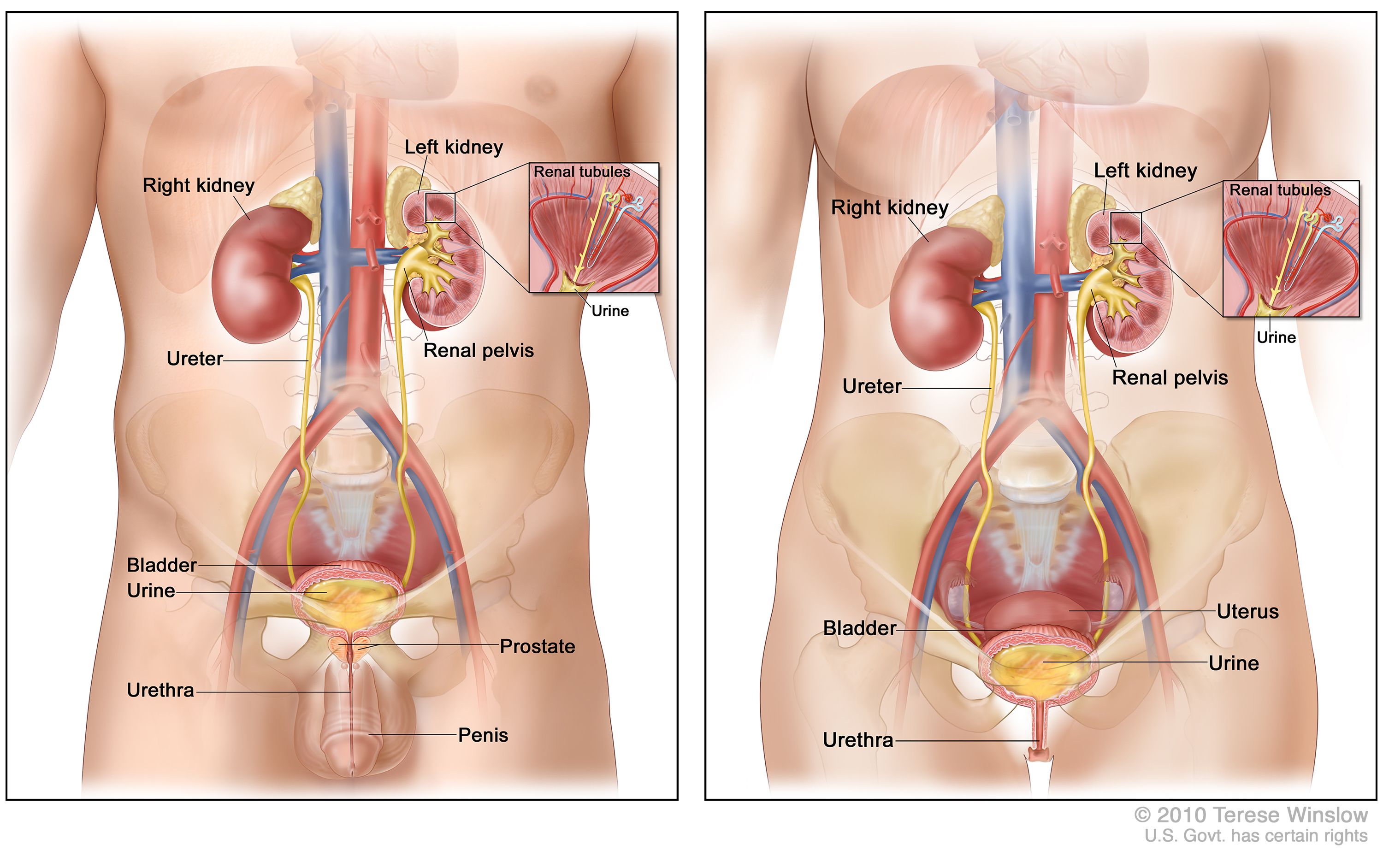
Being diagnosed with stage 4 bladder cancer and weighing available treatment options can feel daunting and emotionally taxing.
Even so, treatment may help shrink the cancer, slow its progression, or relieve symptoms. In some cases, therapy can improve comfort and potentially extend survival, which directly relates to discussions about Life expectancy after bladder removal and advanced bladder cancer outcomes.
It’s essential to carefully evaluate the advantages and disadvantages of treating stage 4 bladder cancer and to understand the possible side effects and risks associated with each therapy.
Continue reading to learn more about metastatic bladder cancer, survival statistics, and how it is typically treated.
What can I expect if I have stage 4 bladder cancer?
Common symptoms of bladder cancer can include:
- blood or blood clots in your urine
- pain or burning during urination
- frequent urination
- needing to urinate at night
- needing to urinate but not being able to
- lower back pain on one side of the body

While these warning signs often prompt medical evaluation, they are not exclusive to stage 4 bladder cancer. To establish a confirmed diagnosis, healthcare professionals typically perform urine testing and a biopsy to confirm the presence and extent of cancer.
In metastatic cases, additional symptoms may develop depending on where the cancer has spread. For instance, if bladder cancer metastasizes to the lungs, a person might notice chest discomfort or persistent coughing. Spread to bones may cause bone pain, while liver involvement can lead to abdominal swelling or jaundice. These systemic symptoms often influence treatment decisions and overall outlook.
Understanding how far the cancer has advanced is also important when discussing quality of life and long-term expectations, including considerations around Life expectancy after bladder removal for cancer in cases where surgery is part of a broader treatment approach.
What is the survival rate?
Metastatic bladder cancer is challenging to manage because it has already spread beyond its original location. Generally, the later the stage at diagnosis and the more extensive the spread, the more difficult it becomes to control the disease effectively.
For bladder cancer that has reached nearby lymph nodes, the 5-year survival rate is 40%. If it has metastasized to a distant site, the 5-year survival rate is 9%.
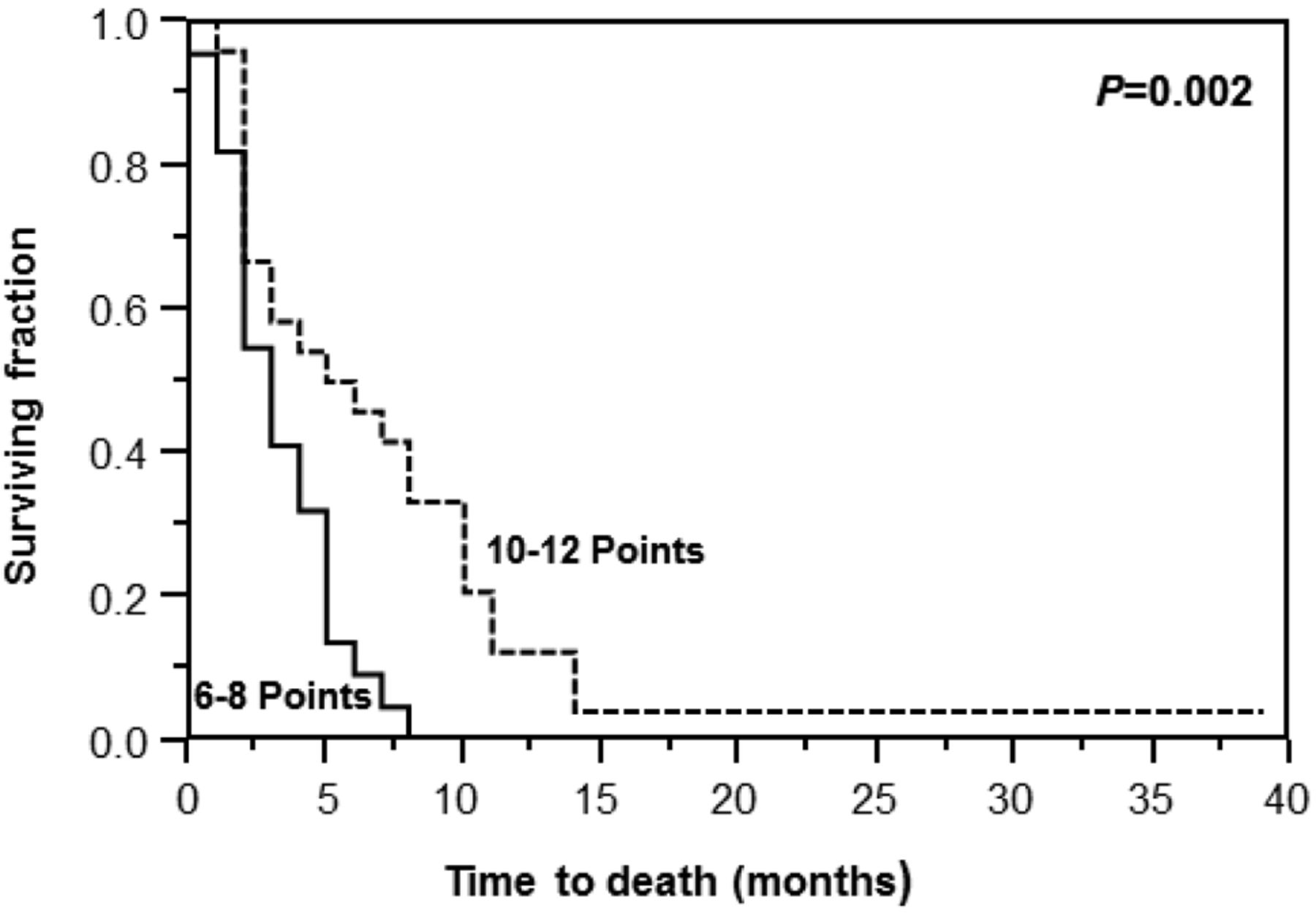
These figures represent the percentage of people who are alive 5 years after diagnosis compared with individuals without bladder cancer. It’s important to remember that survival statistics are based on large population data and have improved modestly over time due to advances in treatment.
Although stage 4 bladder cancer is serious, several treatment options may help slow disease progression and manage symptoms. These include chemotherapy, immunotherapy, radiation, and, in selected situations, surgery. Ongoing research continues to introduce new therapeutic strategies, offering additional hope for some patients.
Palliative care is another key component of comprehensive cancer management. It focuses on relieving symptoms such as pain, fatigue, or urinary difficulties and aims to enhance overall quality of life. Palliative care can be provided alongside active cancer treatment.
Some individuals may qualify for a clinical trial. Clinical trials investigate emerging therapies or novel combinations, including new anticancer agents or immunotherapy drugs. Participation may provide access to cutting-edge treatments, and certain costs are sometimes covered.
Ultimately, survival outlook and therapeutic choices depend greatly on factors such as tumor biology, response to prior treatments, overall health, and coexisting medical conditions. Personalized care planning is essential when evaluating prognosis and life expectancy.
Frequently asked questions
Does chemo work for stage 4 bladder cancer?
Chemotherapy is commonly included in the treatment plan for someone with stage 4 bladder cancer. Its success varies based on the individual, tumor characteristics, and how the cancer responds to the drugs used.
Chemotherapy is commonly included in the treatment plan for someone with stage 4 bladder cancer. Its success varies based on the individual, tumor characteristics, and how the cancer responds to the drugs used.
How aggressive is bladder cancer?
Bladder cancer has the potential to be aggressive. However, compared with many other cancer types, it is often less aggressive at initial diagnosis. Studies indicate that when first identified, approximately 70% of people present with a noninvasive form.
Bladder cancer has the potential to be aggressive. However, compared with many other cancer types, it is often less aggressive at initial diagnosis. Studies indicate that when first identified, approximately 70% of people present with a noninvasive form.
Where is the first place bladder cancer spreads?
When bladder cancer metastasizes, it typically involves structures closest to the bladder first. This includes the urethra, prostate, and vagina.
When bladder cancer metastasizes, it typically involves structures closest to the bladder first. This includes the urethra, prostate, and vagina.
Takeaway
Understanding the cancer’s stage, grade, and spread can provide clearer insight into prognosis, treatment possibilities, and life expectancy.
Keep in mind that survival rates are statistical estimates derived from past data. They cannot precisely determine what will happen in any one individual case. Some people may live longer than predicted, while others may face more aggressive disease courses.
If you find survival data confusing or concerning, speak openly with a healthcare professional. A personalized discussion can help clarify expectations, address questions about Life expectancy after bladder removal for cancer or metastatic disease, and guide you toward informed, confident decisions about your care.






















Leave a Reply
You must be logged in to post a comment.