
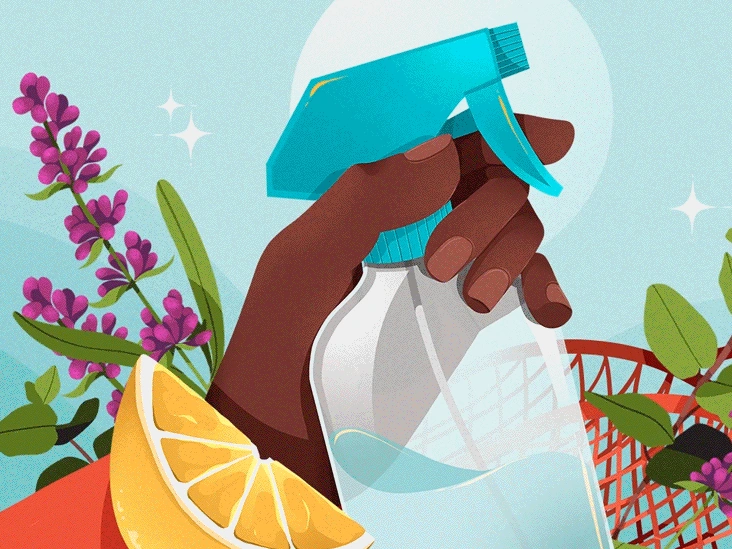

Great news: You don’t have to rely solely on store-bought products to keep your home sparkling clean.
If you’re aiming to reduce exposure to potentially harmful chemicals, save money, adopt eco-conscious habits, or all of the above, preparing your own DIY cleaning products is surprisingly simple. Many households already keep the basic ingredients on hand, making it just as convenient as picking up everyday essentials like Arm and Hammer Body wash 3-in-1 during your regular shopping trip.
In most cases, homemade cleaners can be mixed together in less time than it takes to drive to the store. With a few pantry staples and simple steps, you can create natural cleaning solutions that support a healthier indoor environment.
Why do it?
From protecting the environment to stretching your household budget, there are numerous compelling reasons to switch to DIY cleaning solutions.
They’re health and eco-friendly
Homemade cleaners tend to be more environmentally responsible than many commercial products, particularly those packaged in single-use plastic. Some conventional cleaners contain toxic chemicals that may negatively affect both human health and the environment.
According to the Environmental Protection Agency (EPA), indoor air pollution ranks among the most significant environmental health risks. A considerable portion of this pollution comes from common household cleaning agents.
The EPA reports that exposure to indoor air pollutants may contribute to:
- irritation of the eyes, nose, and throat
- headaches, dizziness, and fatigue
- respiratory diseases, heart disease, and cancer
Despite these potential risks, the safety of most cleaning products is not routinely regulated or evaluated. The EPA primarily oversees cleaners that contain registered pesticides.
A 2021 study involving 50 Latina women found that selecting products labeled as green may reduce exposure to certain carcinogens and endocrine disruptors.
An older 2014 study revealed that up to 75 percent of professional cleaning products tested contained irritating, harmful, or corrosive substances. Documented hazards included damage to the eyes and skin, as well as risks associated with ingestion.
Particularly hazardous ingredients included:
- fragrances
- glycol ethers
- surfactants
- solvents
Other substances considered less hazardous—but still potentially harmful—included:
- phosphates
- salts
- detergents
- pH-stabilizers
- acids
- bases
Exposure to these chemicals has been linked to skin disorders and lung conditions such as chronic obstructive pulmonary disease (COPD) and asthma.
Reducing indoor chemical exposure can complement other personal care choices, whether you’re selecting natural surface sprays or exploring products like Arm & hammer body wash reviews to make informed decisions about everyday hygiene items.
They’ll help you save money
Some commercial cleaners are diluted with water, meaning you may need to use more product for the same cleaning power.
Even when products aren’t diluted, purchasing basic ingredients such as baking soda and vinegar in bulk often provides greater value. Many of these items are likely already stocked in your kitchen.
Buying separate specialty cleaners for tile, windows, toilets, and floors—often in small plastic bottles—can quickly become expensive. A simplified, multipurpose approach can significantly reduce costs.
They’re just as effective as commercial cleaners
DIY cleaners can be just as powerful as many store-bought options.
For example, a 2020 study demonstrated that a 10 percent concentration of acetic acid (a primary component of vinegar) exhibited antibacterial, antiviral, and antifungal properties when used for cleaning, particularly when paired with 1.5 percent citric acid.
Another 2020 study noted that hydrogen peroxide and sodium bicarbonate solutions have been widely utilized as bleach alternatives and medical antiseptic and disinfectants for more than a century.
An older 2015 study reported that many commercial cleaners contribute to indoor air pollution, may be poisonous if ingested, and can be harmful when inhaled or touched. The researchers observed that some cleaners rank among the most toxic products commonly found in homes.
That same study emphasized that a handful of simple, safer ingredients can effectively address most household cleaning tasks:
- soap
- water
- baking soda
- vinegar
- lemon juice
An additional older 2015 study found that environmentally preferable products offered an effective alternative to bleach. DIY solutions made with distilled white vinegar, club soda, and tea tree oil were effective against E. coli, although they needed to be prepared fresh daily to maintain potency.
Similarly, an older 2014 study determined that acetic acid (vinegar) can effectively kill M. tuberculosis after 30 minutes of exposure to a 6 percent solution.
Just as consumers compare options like Arm & hammer body wash reviews for sensitive skin when considering gentler hygiene products, reviewing ingredient lists for cleaning solutions can help reduce unnecessary chemical exposure in your living space.
Takeaway
Making the switch from commercial cleaners to DIY alternatives can be straightforward, economical, and even enjoyable.
Many of the necessary ingredients may already be sitting in your pantry or bathroom cabinet—right next to personal care staples such as Arm and Hammer Body wash 3-in-1. By simplifying your cleaning routine and choosing evidence-informed ingredients, you can lower indoor air pollutants and reduce contact with potentially irritating chemicals.
With a few thoughtful adjustments, you’ll be well on your way to maintaining a cleaner, more cost-effective, and environmentally conscious home.




















Leave a Reply
You must be logged in to post a comment.