How to Treat and Prevent Bone Spurs on Your Feet

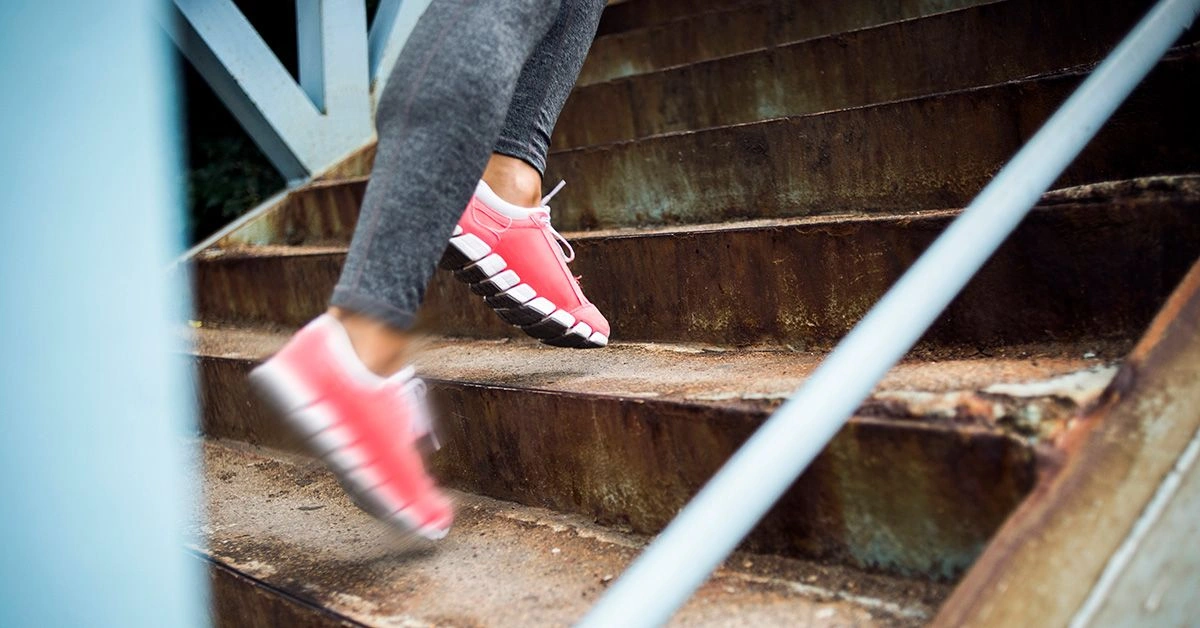
- What leads to bone spurs on the foot
- Risk factors for bone growth on the foot
- Symptoms of a bone spur
- How bone spurs are identified
- Treatment for bone spurs on the top of the foot
- Weight reduction
- Switch footwear or use padding
- Heat and cold therapy
- Cortisone injections
- Walking boot
- Pain medications
- Surgery for a bone spur on the top of the foot
- Preventing bone spurs on the foot
- Summary
A bone spur is an extra bony outgrowth that forms where two or more bones meet, typically as the body attempts to repair damage. When a bone spur develops on the top of your foot, it can feel like a firm lump or bump beneath the skin.
Your likelihood of developing a bone spur in the foot rises as you age. The effect on daily life varies with severity. Some individuals never notice a bone spur, while others experience severe discomfort that makes walking, standing, or wearing shoes difficult.
What leads to bone spurs on the foot
A bone spur on the top of the foot is often linked to osteoarthritis, a degenerative joint condition. In osteoarthritis, the cartilage that cushions bones gradually wears away. To compensate for lost cartilage, the body sometimes forms additional bone growths known as bone spurs.
Osteoarthritis isn’t the sole cause of bone spurs on the foot. Other factors that damage cartilage can also trigger bone spur formation.
Repetitive activities such as dancing, running, and exercise may contribute to bone spurs. Additional causes include:
- foot injury
- obesity or excess body weight
- wearing tight-fitting shoes
Bone spurs frequently develop in the foot because of the heavy pressure these bones endure.
When a bone spur appears on the foot, it commonly shows up on the top of the midfoot. You might also get a spur on a toe or a heel.
Although they’re common in the foot, bone spurs can form elsewhere in the body, including:
- knees
- hips
- spine
- shoulder
- ankle
Risk factors for bone growth on the foot
Several factors increase the chance of developing a bone spur on the foot. Beyond osteoarthritis, these risk factors include:
- Age. Advancing age raises the risk of bone spurs. Cartilage degrades over time, and the body may lay down extra bone as a repair response.
- Physical activity. Regular exercise helps control weight and improve stamina, but it can also place additional stress on your feet, elevating the risk of bone spurs.
- Wearing tight shoes. Shoes that are too tight can compress the toes and create ongoing friction on the feet.
- Injury. Bone spurs can form after even minor trauma, such as a contusion or fracture.
- Being overweight. Extra body weight increases load on the feet and other joints, which can accelerate cartilage breakdown and prompt spur formation.
- Flat feet. A low or absent arch causes the whole foot to contact the ground while standing, increasing joint strain and leading to issues like hammer toe, blisters, bunions, and bone spurs. If you have flat feet, consider arch-support insoles or consult about plantar fasciitis massage for related discomfort.
Symptoms of a bone spur
Bone spurs do not always produce symptoms; it’s possible to have one and be unaware. However, some people experience pain or tenderness on the top of the midfoot. The discomfort varies among individuals and can worsen gradually.
Other signs of a bone spur on the foot may include:
- redness and swelling
- stiffness
- reduced joint mobility
- corns
- difficulty standing or walking
How bone spurs are identified
Consult a doctor if foot pain intensifies or fails to improve. A clinician will examine your foot and joints to locate the pain and evaluate your range of motion.
Imaging tests that provide detailed views of the foot’s joints are used to confirm a bone spur. These may include X-rays, CT scans, or MRI scans.
Treatment for bone spurs on the top of the foot
If a bone spur isn’t causing symptoms, treatment isn’t necessary. Because bone spurs don’t disappear on their own, treatment focuses on relieving troublesome pain and improving function, and options include:
Weight reduction
Losing weight reduces stress on the bones of the feet and can lessen pain from a bone spur. Suggestions include:
- exercise at least 30 minutes, three times per week
- cut back on calorie intake
- use portion control
- eat more fruits, vegetables, lean proteins, and whole grains
- limit sugar, fried, and high-fat foods
Switch footwear or use padding
Changing shoes can ease symptoms of a bone spur, especially for those who spend long hours on their feet.
Opt for shoes that are neither too tight nor too loose, and avoid toe-pinching styles. Choose rounded or square-toe shoes for extra space. If you have low arches, add cushioning or supportive insoles to reduce pressure. If you notice an unusual bump, also consider causes like a lump on top of foot.

Heat and cold therapy
Alternating heat and ice can help relieve bone spur pain. Heat may ease stiffness and discomfort, while cold reduces inflammation and swelling. Apply a cold pack or heat pad to the foot for 10–15 minutes several times daily.
Cortisone injections
Discuss with your doctor whether a cortisone injection is appropriate. Injected directly into the affected area, cortisone can reduce inflammation and alleviate pain and stiffness.
Walking boot
Walking boots protect the foot after injury or surgery and can also be used temporarily to reduce pressure and pain caused by a bone spur.
Pain medications
Over-the-counter pain relievers (such as ibuprofen, acetaminophen, or naproxen) can diminish inflammation and pain associated with a bone spur. Follow dosing instructions.
Surgery for a bone spur on the top of the foot
A surgeon may recommend removing the bone spur if it causes intense pain or significant mobility limitations. Surgery is generally reserved for severe or persistent cases.
Preventing bone spurs on the foot
You may not be able to fully prevent bone spurs if you have osteoarthritis. Still, you can reduce your risk by keeping a healthy weight, minimizing joint stress, and wearing appropriate footwear. For those with flat feet, supportive insoles can help protect the arch and reduce strain.
Summary
Bone spurs can interfere with walking and shoe-wearing, so don’t overlook symptoms. See a healthcare provider if you have pain or suspect a bone spur on the top of your foot.
With medication, footwear changes, weight management, and other measures, you can ease symptoms and help prevent a bone spur from worsening.
Frequently Asked Questions
Bone spurs on the top of the foot often form from osteoarthritis and cartilage wear, but can also result from repetitive stress, injury, tight shoes, obesity, or flat feet.
Common signs include a firm bump, pain or tenderness on the top of the midfoot, redness, swelling, stiffness, reduced joint mobility, corns, and difficulty walking.
A doctor will examine your foot and may order imaging like X-rays, CT scans, or MRI to confirm a bone spur and assess its impact on surrounding tissues.
Surgery is considered if conservative measures fail and the spur causes severe pain or limits mobility; most cases are first managed with non-surgical treatments.
Treatment options include footwear changes, supportive insoles, weight loss, heat/cold therapy, pain relievers, cortisone injections, walking boots, and in persistent cases, surgical removal.
Read Next
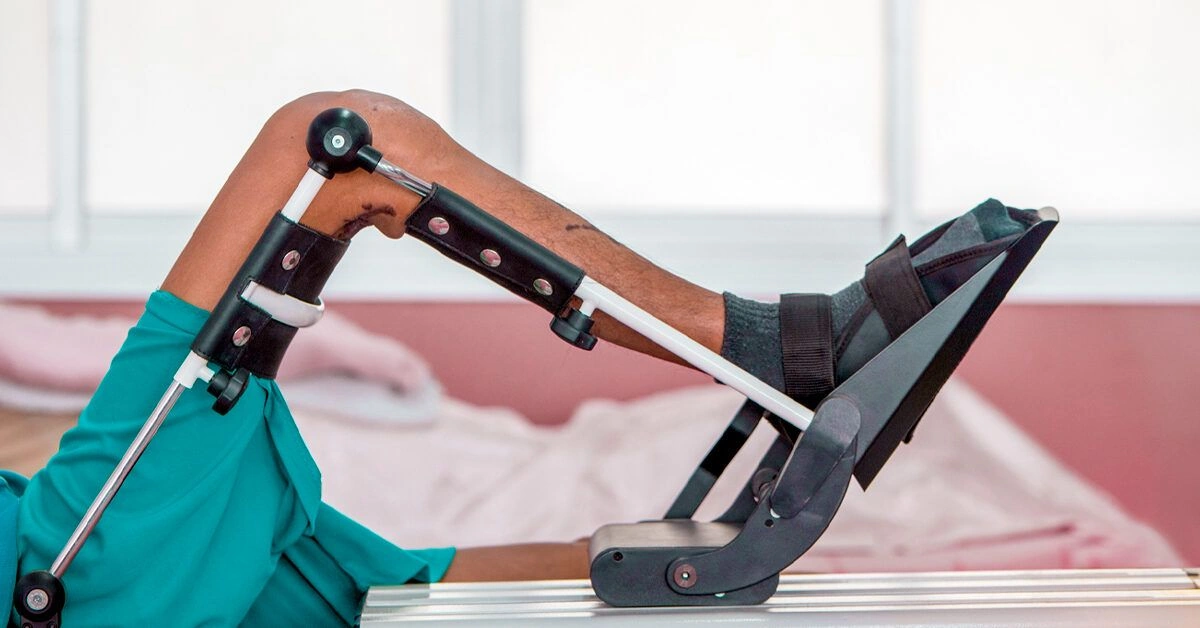
What Does a Continuous Passive Motion (CPM) Machine Do?
Ultrasounds Aren't Typically Used to Detect Cervical Cancer: Learn Why
Guide to Baby Wearing: Benefits, Safety Tips, and How To

Everything You Need to Know About Borage Oil
Does Excessive Alcohol Use Cause Rhinophyma?

Does Having High Blood Pressure Cause Nosebleeds?
Related Posts
7 Ways to Remove Dead Skin from Your Feet
Sep 10, 2026 • 21 min read
7 Stretches for Shin Splints
Sep 15, 2026 • 5 min read
What to Do When Your Shoes Are Too Tight
Aug 12, 2026 • 25 min read
Who Should Consider Getting Peroneal Tendon Surgery?
Aug 9, 2026 • 6 min read
8 Ankle Stretches to Try at Home
Sep 15, 2026 • 23 min read