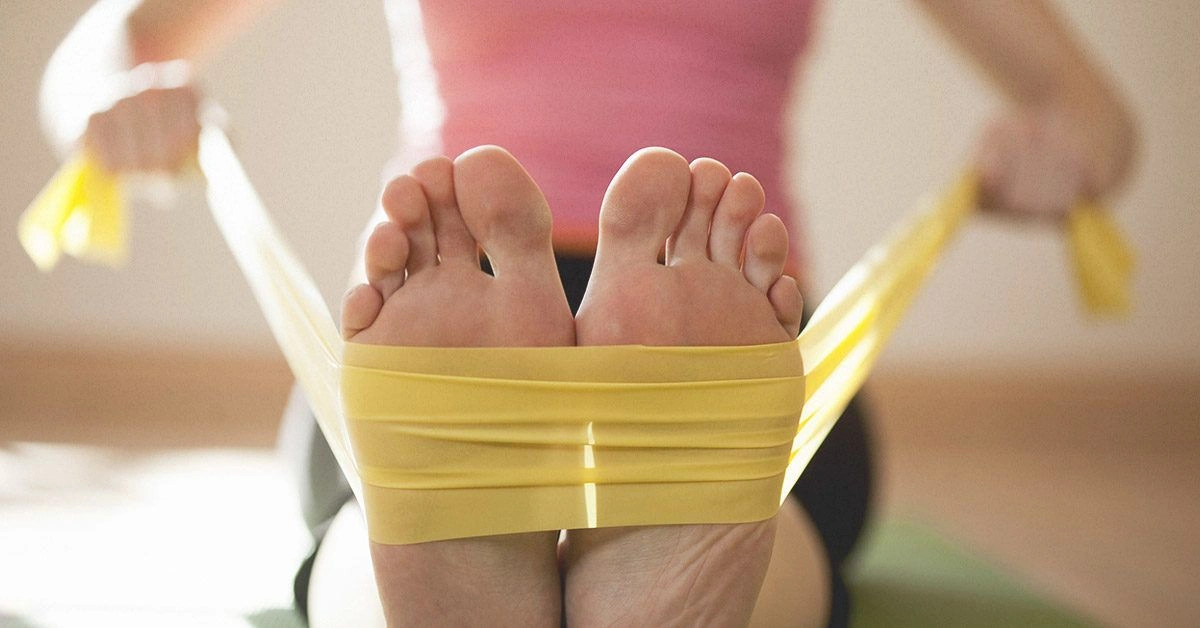
Massage for Plantar Fasciitis

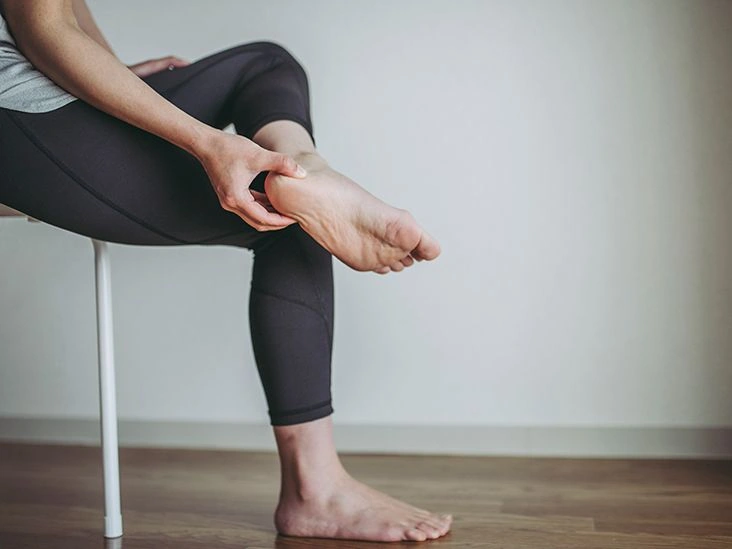
Plantar fasciitis is a frequent source of heel and foot discomfort. Luckily, stretches and self-massage you can perform at home may ease pain and reduce the likelihood of the issue becoming long-lasting.
Below are several suggestions and do-it-yourself massage methods you can try at home.
Getting started
Foot massage should feel pleasant or slightly uncomfortable, but never outright painful. Begin gently and increase the pressure of your hands or any tools as your discomfort diminishes. Avoid pressing directly on extremely tender spots.
Because heel pain is often worst when you first rise, consider doing one or two of these methods while seated in bed before you put weight on your feet.
Warming up the feet with a light massage is beneficial to promote blood flow to the area. You might want to apply a small amount of lotion for the massage.
If both feet are affected, perform the massage on each foot.
Try different approaches within these techniques to discover what suits you best.
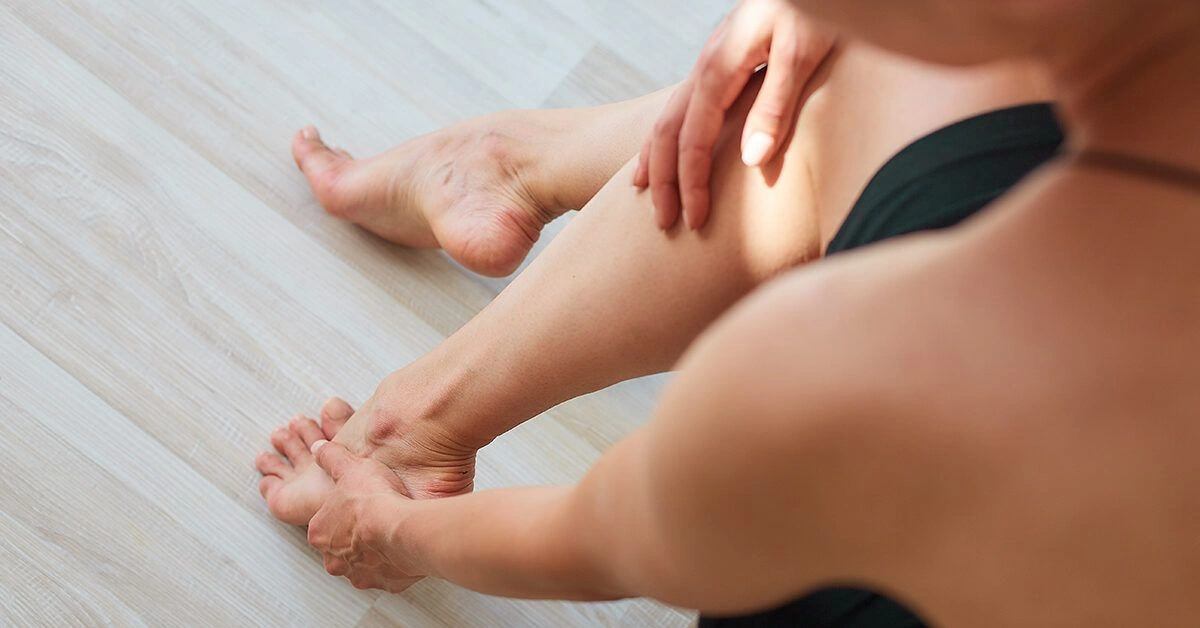
Heel-of-hand technique
- Sit on a chair or bed and bring one foot up where you can comfortably reach it.
- Use the heel of the opposite hand to press down on the sole, moving from the heel toward the toes.
- Begin with longer, lighter strokes, then gradually lengthen and firm up the pressure. Lean in to use your body weight for deeper pressure.
- Cover the foot surface several times to loosen the plantar fascia.
You can also perform this motion using a gently clenched fist.
Thumb press technique
- Sit on a bed or chair and cross one leg over the other.
- Use both thumbs to press along the length of the sole, pushing from the heel to the toes and back. Work in a line toward the big toe, then move in lines toward each adjacent toe.
- Continue working your thumbs up and down the foot for 1 to 2 minutes.
- To increase intensity, lean forward to apply more body weight.
Thumb pull technique
- Sit and cross one leg over the other.
- Place both thumbs in the mid-sole. Simultaneously pull one thumb toward the right edge of the foot and the other toward the left, mobilizing the fascial tissue. Continue for 1 to 2 minutes.
- Move to other sections of the sole, repeating the side-to-side pulls for 1 to 2 minutes in each area. Make sure to cover the entire foot surface with this motion.
- Increase pressure by leaning in and using more body weight.
Incorporating toe flexes
While performing the heel-of-hand or thumb presses, try pointing and flexing your toes in each direction.
You can also work each toe individually by gently pulling it outward and rotating it in small circles. Keep the toes relaxed during these movements.
Ball rolling massage
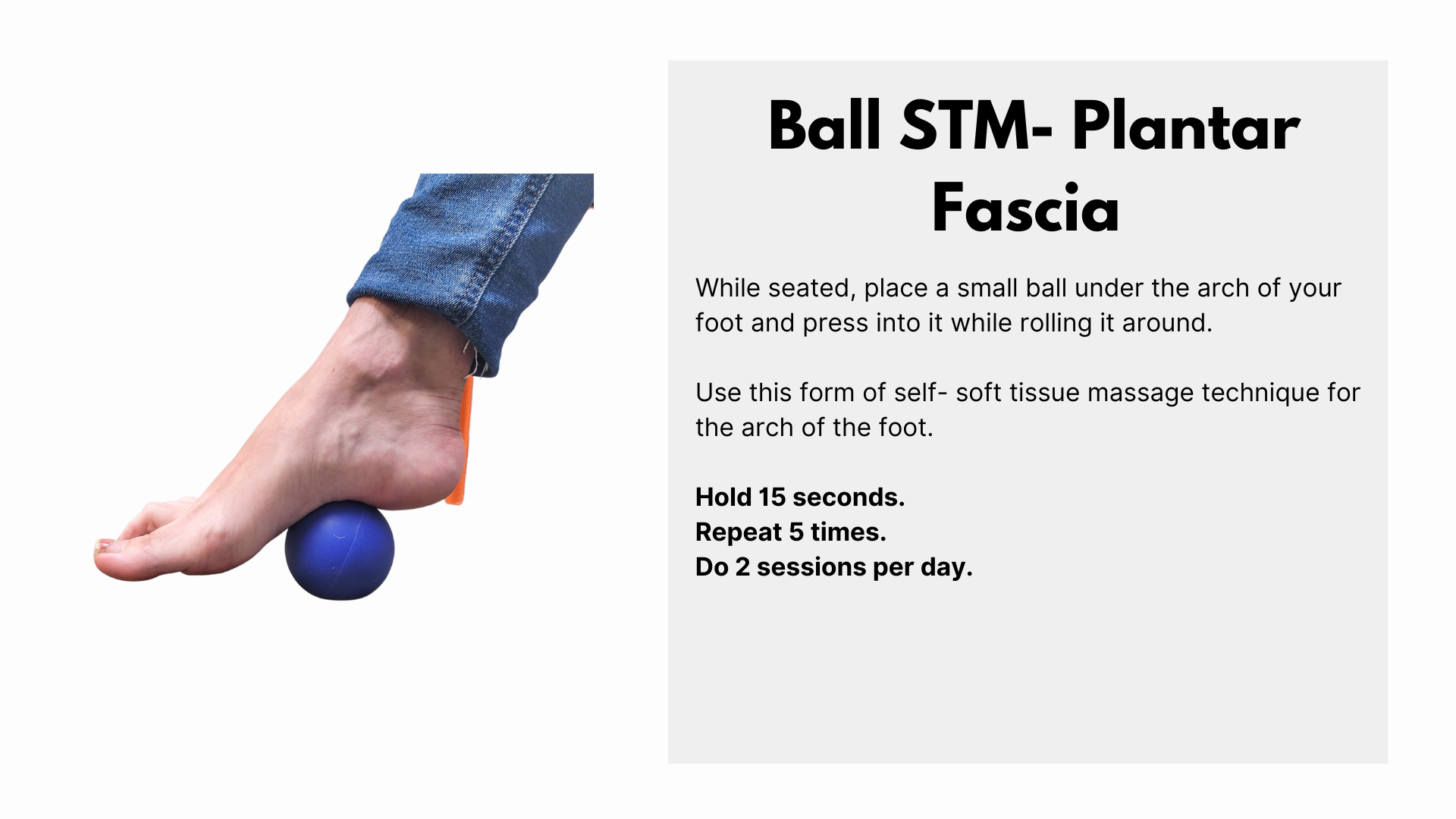
Various balls can be used for this method: golf ball, tennis ball, lacrosse ball, or a dryer ball.
- Sit comfortably on a chair or sofa and place a ball under the arch of one foot. Lean forward slightly so your body weight controls the pressure on the ball.
- Slowly roll the ball up and down along the length of your foot and then side to side. Start with gentle pressure and progressively press down more as tolerated.
- Continue rolling for about one minute.
Ice roll massage
This is similar to the ball massage but uses a frozen can or a frozen water bottle. It can be helpful first thing in the morning before you stand and also at night. The cold massage stretches the fascia, soothes it, and provides massage benefit.
You may want to keep a small cooler with a frozen bottle near your bed to use before you place weight on your foot in the morning.
- Begin seated on a bed or chair.
- Place a frozen bottle or can under your foot.
- Roll it back and forth with moderate pressure for 5 to 10 minutes.
Plantar fasciitis massage video
Three calf massage techniques
The calf muscles — gastrocnemius and soleus — connect with the Achilles tendon. These muscles commonly become tight, particularly if you stand a lot, run, or wear high heels. Tight calves can contribute to plantar fasciitis, and massaging them may help reduce foot pain.
There is limited comparative research on plantar fasciitis treatments and further studies are needed. One 2013 clinical study reported that deep soft-tissue calf massage combined with stretching reduced pain and improved function in individuals with plantar fasciitis.
Kneading
- Sit on a chair and cross one leg over the other.
- Place both hands around your calf with fingers on the front and thumbs at the back.
- Squeeze the calf between your thumbs and fingers, working up and down the muscle. Your fingers rest on the shin while the thumbs massage the gastrocnemius and soleus on the back of the calf.
Forward pull
- Sit on a chair and cross one leg over the other.
- Place both hands on the calf with fingers forward and thumbs pointing down at the back.
- Using a clamp-like grip, draw the calf muscle forward across the front of the leg.
- Work up and down the lower leg.
Rolling
- Sit on a chair or couch and extend your leg, resting it on another chair or stool.
- Use a rolling pin or foam roller and move it from the back of the knee down toward the ankle and back again.
- Repeat the rolling motion several times.
Seeking professional help
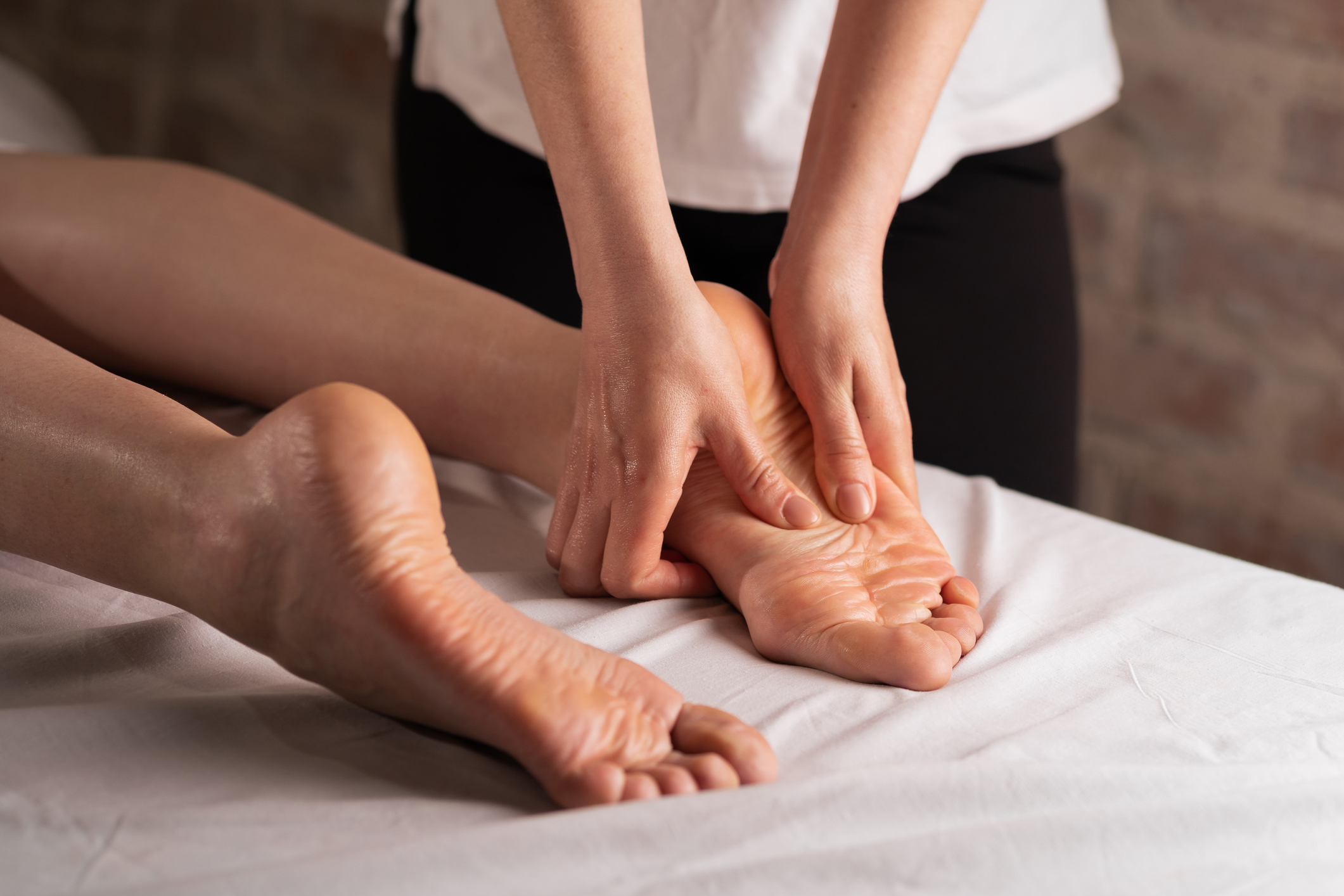
A licensed massage therapist or a physical therapist can assist with plantar fasciitis. Professionals can demonstrate appropriate stretches, exercises, and massage approaches.
Massage therapist Cynthia Parsons, LMT, notes that a therapist’s initial step is to determine what’s contributing to your plantar fasciitis pain.
“I observe how the foot functions during walking and check pelvic alignment, which can affect leg length. If the foot doesn’t move through a full heel-to-toe range, it can create tightness in the calves and ankles.”
Parsons practices as a licensed massage therapist with 25 years in private practice in northern Virginia.
“A massage therapist may use deep-tissue techniques,” Parsons explains. “I begin with the calf, addressing deep muscles on the back and outer calf. Then I treat the tendons and muscles on the sole. Massage sessions can include kneading, myofascial release, muscle energy techniques, positional release, trigger point therapy, and pin-and-stretch. I don’t apply all methods at once but use one or more until the pain is eased.”
For at-home massage, Parsons recommends warming the feet first—soaking them in warm water with Epsom salts. However, she emphasizes prevention as the best strategy.
“If you run, stand for long periods, or have flat feet or a high arch, you’re more likely to develop plantar fasciitis. Pay attention to walking mechanics and perform exercises and stretches to prevent muscle tightness,” she advises.
Summary
Plantar fasciitis is a common and often painful condition—especially for runners and people who stand frequently. Home-based massage and stretching can reduce pain and help keep the condition from becoming chronic.
Pain from plantar fasciitis is typically worst in the morning. Performing self-massage before you get out of bed and put weight on your feet can help alleviate discomfort.
Frequently Asked Questions
Start seated, warm the foot with light strokes, then try heel-of-hand sweeps, thumb presses from heel to toes, and ball rolling under the arch for about one minute. Increase pressure gradually and stop if pain is sharp.
Daily short sessions—several minutes each—are useful, particularly in the morning before standing and after activity. Adjust frequency based on comfort and symptom improvement.
Massage can reduce pain and improve mobility but is most effective combined with stretching, strengthening, footwear changes, and, if needed, professional care.
Common tools include a golf or tennis ball, lacrosse ball, foam roller, frozen water bottle for ice rolls, and a rolling pin. Use what provides tolerable, effective pressure.
Seek professional help if pain persists despite home care, worsens, limits daily activities, or is accompanied by swelling, numbness, or signs of other foot conditions.
Read Next
Does Flaxseed Really Work for Beautiful Hair?

Does Evening Primrose Oil Safely Induce Labor?

Spinach 101: Nutrition Facts and Health Benefits
How Rear Lateral Raises Can Benefit Your Workout Routine
What’s the Difference Between THC Lotion and CBD Lotion?
Ultrasounds Aren't Typically Used to Detect Cervical Cancer: Learn Why
Related Posts
Who Should Consider Getting Peroneal Tendon Surgery?
Aug 9, 2026 • 6 min read
What to Do When Your Shoes Are Too Tight
Aug 12, 2026 • 31 min read
Why Are Blisters Forming Between My Toes and How Do I Treat Them?
Jul 31, 2026 • 27 min read
7 Ways to Remove Dead Skin from Your Feet
Sep 10, 2026 • 7 min read
7 Stretches for Shin Splints
Sep 15, 2026 • 14 min read