
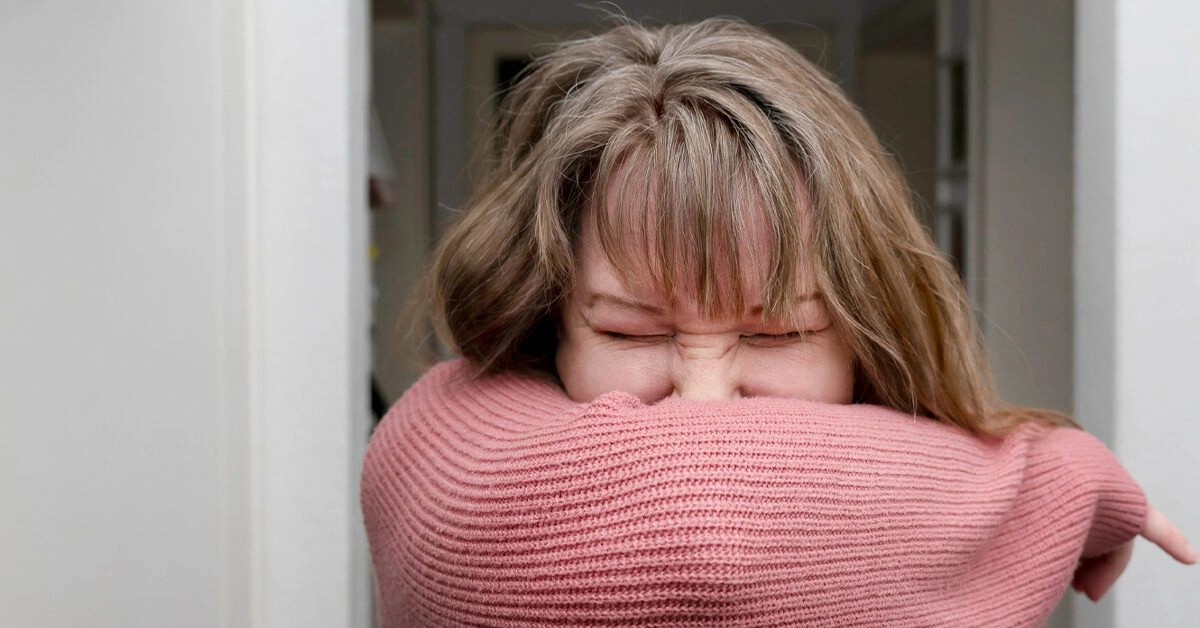
You sense a sneeze coming and instinctively brace yourself because you know what might follow: a little urine escape when you sneeze.
You may also notice leakage when you cough, exert yourself, or laugh — and it’s becoming bothersome. Is anyone going to notice? Should you stop laughing or give up beloved activities to avoid potential embarrassment? Absolutely not.
Chances are you’re experiencing stress incontinence, and you’re far from alone. A handful of self-care strategies can help restore control. If those don’t do the trick, your clinician can work with you to find the best treatment.
Keep reading to understand why sneezing can make you pee and what steps you can take to manage it.
Quick facts about stress incontinence
It’s important to know that stress incontinence isn’t the same as urgency incontinence or an overactive bladder. Here, “stress” refers to physical pressure, not emotional stress.
Some other key facts about stress incontinence:
- Stress incontinence is the most common form of urinary leakage and is the predominant type seen in younger women.
- It occurs far more often in women than in men.
- Roughly 1 in 3 women will experience stress urinary incontinence at some point.
- Many women have both stress and urge incontinence simultaneously — this is called mixed incontinence.
- Your risk rises with age, but it’s not an inevitable or permanent change.
- Evidence indicates behavioral therapies, alone or combined with other treatments, are generally more effective than medications by themselves.
What is stress incontinence?
Urinary incontinence means loss of bladder control. Stress incontinence is a form where urine leaks when something increases pressure on your bladder and urethra.
This typically occurs when pelvic floor muscles or the urethral sphincter are weakened or damaged.
The pelvic floor muscles and tissues support the urethra, and the urethral sphincter controls urine flow. When these muscles tighten, they stop urine from leaving the bladder and entering the urethra. When you choose to urinate, they relax and permit urine to flow. That’s how it’s supposed to work.

When those muscles are weakened, they’re more sensitive to added pressure. A sudden increase in pressure — like from a sneeze — can cause them to give way briefly. That little release of pee is what you feel.
Besides sneezing, you might leak a bit when you:
- cough
- laugh
- bend forward
- lift heavy items
- move suddenly
- exercise
- have sexual activity
Leaks may be intermittent and are often worse when your bladder is fuller. The amount can range from a few drops to enough to soak clothing.
What triggers it?
Stress incontinence results from weakened muscles in the urinary tract. Common causes include:
- Childbirth. Muscles can be stretched or damaged during vaginal delivery, and use of forceps may increase risk. Symptoms can appear immediately after delivery or many years later.
- Hysterectomy. Removing the uterus and cervix can diminish support from surrounding tissues.
- Prostate surgery. Prostate removal can impair the urethral sphincter and pelvic nerves in men.
- Aging. Pelvic muscles can weaken with time.
- Body weight. Excess weight places added pressure on pelvic supports.
- Injury. Damage to the lower back or pelvic area can reduce muscle function.
Other factors that may contribute are:
- frequent coughing from smoking
- conditions that produce chronic coughing
- long-term participation in high-impact sports like running or jumping
How is stress incontinence managed?
If leaking with sneezes affects your daily life, see your doctor. They’ll first exclude underlying problems such as a urinary tract infection.
If you have persistent sneezing or coughing, follow up with your provider. Ongoing sneezes or coughs can worsen stress incontinence over time. For related issues, see guidance on peeing while coughing and back pain when sneezing.
Lifestyle changes
If leaks are occasional, try these practical adjustments:
- Cut back on or avoid caffeine, alcohol, and fizzy drinks.
- If you strain to pass stool, increase dietary fiber or seek treatment for chronic constipation.
- If you smoke, aim to quit.
- Discuss weight loss with your doctor if you’re overweight.
- Use scheduled bathroom visits to train your bladder, particularly if you have mixed symptoms.
Nonoperative options
Many cases can improve without surgery. Noninvasive treatments your clinician might recommend include:
- regular pelvic floor (Kegel) exercises to boost pelvic muscle strength
- biofeedback paired with pelvic exercises to enhance muscle control
- a vaginal pessary, a device placed in the vagina to support the bladder
- urethral inserts you place temporarily to prevent leakage during specific activities
- topical estrogen creams for postmenopausal women to improve the strength of tissues around the vagina and urethra
Surgical options
If conservative measures fail, surgery is available. Surgical approaches include:
- sling operations, using your own tissue, donor tissue, or synthetic mesh to create support for the urethra; this can be done in both sexes
- injection of bulking agents into urethral tissues to improve sphincter closure
- colposuspension, where sutures are used to lift and support the bladder and urethra
- an implanted inflatable artificial sphincter with a pump for men, functioning like a native sphincter
Takeaway
If you leak when you sneeze, laugh, or strain, you may have stress incontinence. It’s a common condition, especially among women.
Because it can affect daily living, a medical visit is advisable. Meanwhile, there are steps you can take to strengthen pelvic muscles and reduce accidental leakage.
You don’t need to avoid sneezing, laughing, or coughing forever. Effective treatments exist — talk with your healthcare provider to learn which options might suit you.





















Leave a Reply
You must be logged in to post a comment.